Written by: Ryan Gardner, Owner, Managing Partner, CEO, Bucked Up | Last updated: April 17, 2026
Key Takeaways
- Creatine supports ATP recycling, which improves strength, power output, muscle growth, and recovery during high-intensity training.1
- NSF certification and transparent labeling help protect athletes from banned substances and unnecessary fillers, supporting purity and eligibility.
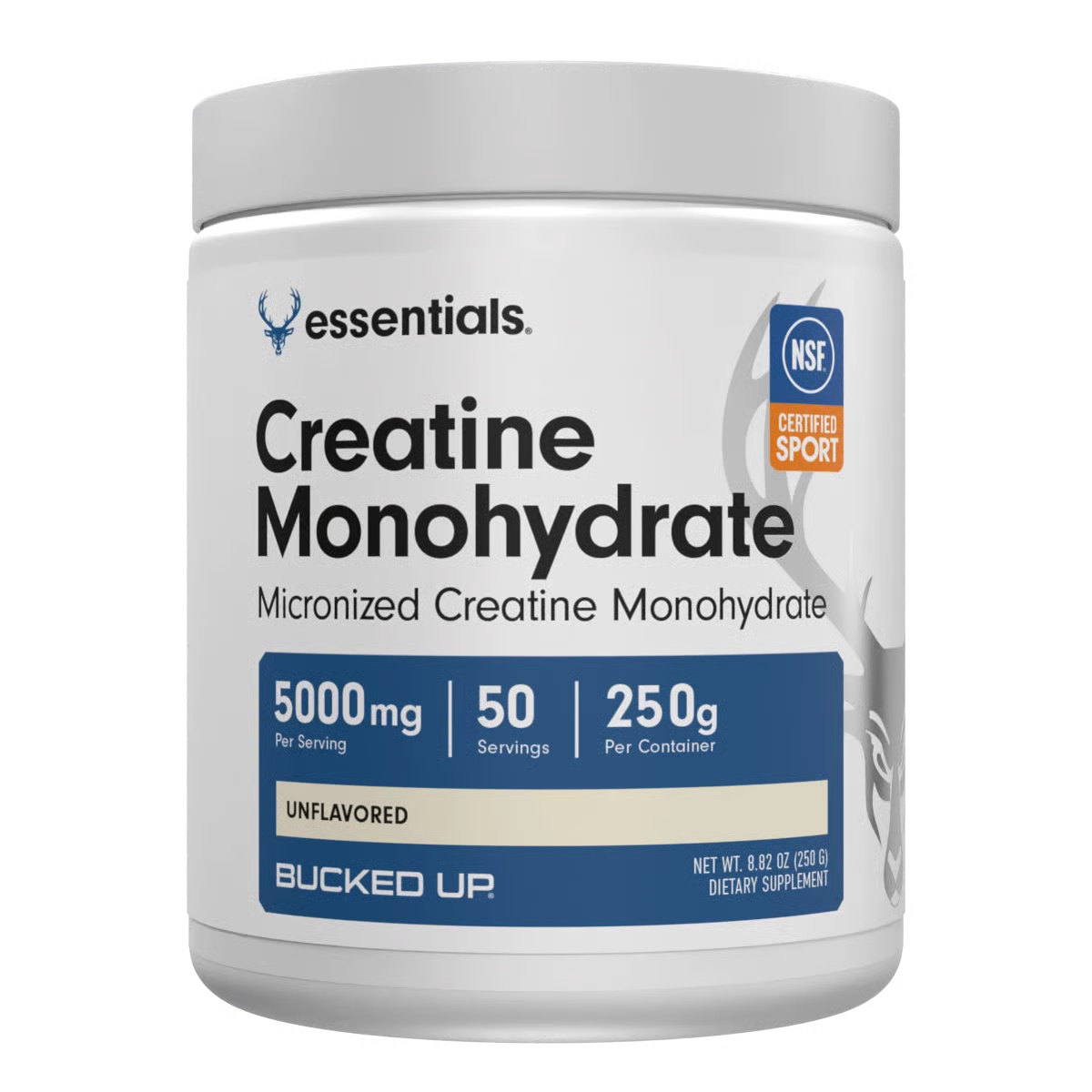
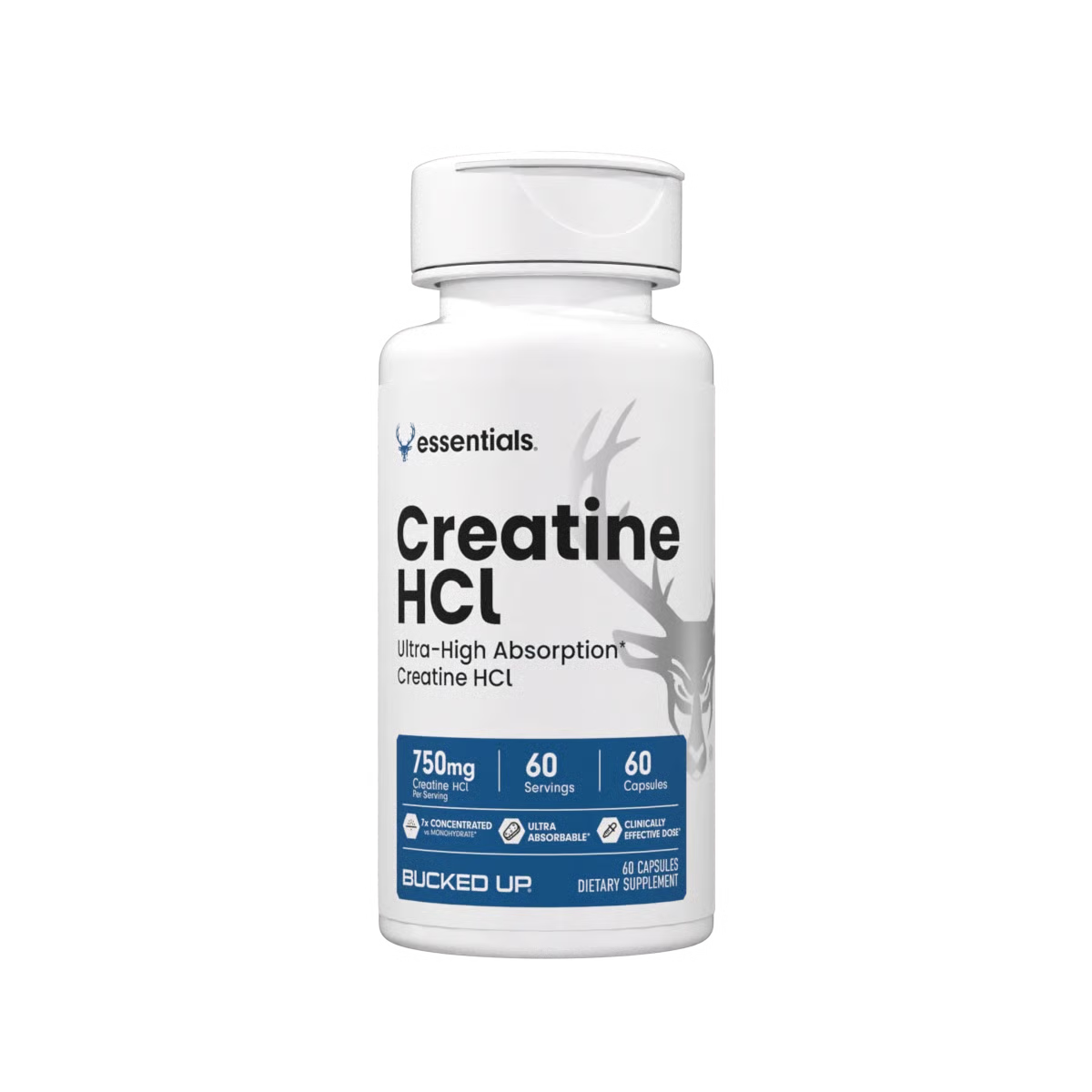
- Monohydrate supports strength and power, HCl can reduce bloating, and gummies add convenience for on-the-go use.1
- Daily 3-5g dosing with solid hydration maximizes benefits, and long-term consistency matters more than exact timing.1
- Choose Bucked Up creatine for NSF-certified, clearly labeled options in multiple formats that can support your performance goals.1
Executive Summary & Creatine Game Plan
This guide explains proven creatine benefits for serious athletes, key labeling details to check, and NSF-certified options that address bloating and convenience concerns. The structure moves from foundational science to labeling standards, performance benefits, product examples, and practical implementation steps.
Foundational Creatine Science for Strength & Recovery
Creatine supports ATP recycling, the cellular energy system that drives short, intense efforts.1 Zhang et al.’s 2025 meta-analysis included 8 randomized controlled trials with 482 participants and reported significant muscle strength improvements. Competitive athletes can see strength gains, additional lean mass, better recovery, and sharper cognitive performance under fatigue.1 Desai’s 2024 meta-analysis found about 1.14 kg of additional lean mass during resistance training, which represents a meaningful edge across a full training cycle.1
Daily maintenance dosing typically falls between 3g and 5g, and steady intake over months supports ongoing benefits.1 Research supports creatine’s safety profile across thousands of participants in controlled studies. This strong record exists even as athletes remain cautious about supplement quality in general.
Market & Consumer Landscape in 2026
The 2026 supplement landscape reflects a clear shift toward NSF-certified products after several contamination incidents in the broader market. SPINS data shows growing interest in formats such as gummies and HCl as athletes look for both transparency and convenience instead of generic powders. Competitive athletes now frequently seek third-party verification to reduce the risk of banned substances.
Creatine Formats, Trade-offs & Ideal Use Cases
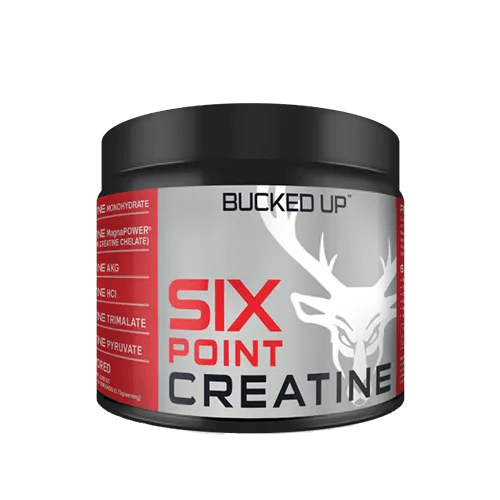
Creatine monohydrate has extensive research supporting power and strength, while HCl can reduce bloating for some users.1 Bucked Up’s Six Point Creatine uses multiple absorption pathways to support muscle saturation across different tissues.1 The table below shows how each format’s pros and cons line up with specific training priorities so you can match the form to your goals and tolerance.
| Form | Pros | Cons | Best For |
|---|---|---|---|
| Monohydrate | Proven strength gains | Potential bloating | Bodybuilders |
| HCl | Low-dose, reduced bloating | Higher cost per gram | Sprinters |
| Gummies | Portable, palatable | Larger serving size | On-the-go athletes |
Performance Benefits, Limits & Real-World Trade-offs
Creatine supplementation delivers several measurable performance benefits for athletes who train with high intensity.1
- Strength and Power: Research has shown increased repetitions to failure at moderate to high loads, which supports progressive overload.1
- Recovery: Many studies report reduced delayed-onset muscle soreness and faster recovery between sets.1
- Muscle Growth: The lean mass gains mentioned earlier, around 1.14 kg, can support strength-focused training blocks and physique goals.1
- Cognitive Performance: Ben Maaoui’s 2025 trial found improved attention and processing speed under fatigue.1
Creatine also comes with trade-offs. Some athletes experience bloating with monohydrate, and HCl formulations can help reduce that issue. Other users report minimal bloating when they drink enough water and often notice improved pump and muscle growth.1
Transparent Labeling Essentials for Safe Creatine
Recent studies have identified high rates of labeling non-compliance in creatine supplements, which makes clear and honest labels a priority. Athletes can protect themselves by checking for several specific elements on each product.
- Clear ingredient identification without proprietary blends
- Exact dosage amounts per serving
- NSF or other third-party certification logos
- Batch numbers for traceability
- Purity percentages, with a target of 99.8% or higher
- Manufacturing facility certifications
Third-party testing verifies purity and potency and screens for heavy metals, banned substances, and other contaminants through lot-specific certificates of analysis.
Best Practices for Daily Use & Product Selection
Effective creatine use starts with consistent daily dosing of 3g to 5g to maintain muscle saturation. This dosing pattern increases the need for solid hydration, usually 80 to 100 oz of water per day, because creatine pulls water into muscle cells. Once dosing and hydration are in place, athletes can apply the same level of care to product choice by favoring NSF Sport certification and checking batch-specific testing results.
Use this transparency checklist when you review any creatine label:
- NSF Certified for Sport logo verification
- 99.8% or higher purity disclosure
- No proprietary blends
- Banned substance testing documentation
- Clear dosage per serving
Creatine timing stays flexible, and athletes can take it before, during, or after workouts. Long-term consistency matters more than the exact time of day.
Practical Implementation Guidance by Athlete Type
Creatine format should match your training demands and daily routine. Use the table below as a quick framework to connect your sport and logistics with a product type that fits.
| Athlete Type | Recommended Product | Rationale |
|---|---|---|
| Bodybuilder | Six Point Creatine | Multi-pathway absorption |
| Sprinter | Creatine HCl | Reduced bloating, rapid uptake |
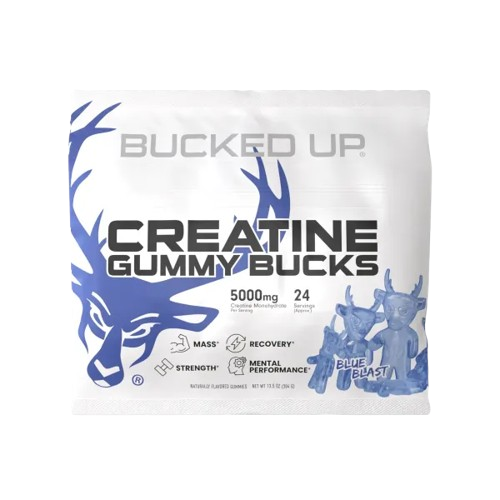
| Traveling Athlete | Creatine Gummies | Portable convenience |
Many athletes stack Pure Creatine post-workout with protein to support muscle repair and creatine uptake. Consistent daily intake, even on non-training days, helps maintain muscle saturation regardless of schedule changes.
Common Creatine Challenges & Misconceptions
Several long-standing myths still limit creatine use among athletes, even with strong research support.
- Myth: Creatine only helps during bulking phases. Reality: 2024 research reports cognitive benefits that apply even when muscle growth is not the primary goal.
- Myth: Creatine always causes bloating. Reality: HCl formulations can minimize water retention while still supporting performance.
- Myth: Athletes should skip creatine on rest days. Reality: Daily intake keeps muscle saturation high and supports better adaptations when training resumes.
Evaluation Criteria for Comparing Creatine Products
When you compare creatine products, focus on a few non-negotiable standards that separate well-documented supplements from questionable options.
| Criteria | Importance | Bucked Up Standard |
|---|---|---|
| NSF Certification | Banned substance protection | NSF Sport certified |
| Purity Percentage | Efficacy assurance | 99.8% micronized |
| Format Options | Lifestyle compatibility | Gummies, HCl, blends |
When you evaluate alternatives, consider how clearly each brand discloses certification and testing details, because some products can contain undisclosed fillers or inconsistent potency. Check labels for third-party testing, purity percentages, and batch numbers so you can confirm quality directly.
Frequently Asked Questions
What benefits does creatine have for athletes?
Creatine supports strength, power output, muscle recovery, and cognitive performance under fatigue.1 Many athletes notice increased training volume, faster recovery between sets, and better focus during intense sessions. The supplement supports ATP regeneration, which helps with explosive movements and repeated high-intensity efforts.1
Why does transparent labeling matter for creatine supplements?
Transparent labeling helps athletes receive pure, effective creatine without banned substances or unnecessary fillers that could affect performance or eligibility. Clear ingredient disclosure also allows athletes to verify dosage accuracy and manufacturing quality, which reduces contamination risk for competitive sports.
What is the difference between creatine monohydrate and HCl?
Monohydrate offers well-documented strength and power benefits with a large research base.1 HCl provides similar performance effects for many users with potentially reduced bloating and smaller serving sizes.1 Both forms increase muscle creatine stores, and the better choice often depends on individual tolerance and personal preference.1
Should athletes take creatine on rest days?
Daily creatine intake helps maintain muscle creatine saturation and supports consistent training adaptations. Skipping rest days can lower stored creatine levels and may reduce performance benefits during later sessions. Staying consistent for months usually matters more than any single workout day.
How can athletes reduce bloating from creatine?
Athletes who experience bloating can try HCl formulations or gummy formats that may reduce water retention. Solid daily hydration, usually 80 to 100 oz, and splitting doses into smaller servings can also help. Micronized monohydrate powders often feel easier on digestion than standard monohydrate products.
Conclusion & Next Steps
Transparent, NSF-certified creatine can support strength, recovery, and cognitive performance for serious athletes who train hard.1 Bucked Up’s range of formats and testing standards offers options for athletes who want clearly labeled, third-party verified creatine that fits different sports and schedules.
1 The content provided in this article is for informational purposes only and is not medical advice. Consult with a medical professional before implementing any changes to your diet, health, or exercise routines.
Individual results will vary and are based on a combination of each individual’s diet, exercise, age, and health circumstances.
These statements have not been evaluated by the Food and Drug Administration. This product is not intended to diagnose, treat, cure or prevent any disease.
This article was written by Ryan Gardner, CEO of Bucked Up. As the maker of Bucked Up Creatine, we have a financial interest in this information. The views expressed are our own and should be read with that context in mind