Written by: Ryan Gardner, Owner, Managing Partner, CEO, Bucked Up | Last updated: April 17, 2026
Key Takeaways
- Creatine monohydrate has support from 500+ studies showing reliable strength, muscle, and cognitive benefits, while HCL has a smaller research base.1
- HCL offers 41x higher solubility and uses lower daily doses (1.5-5g), which may reduce bloating risk compared with monohydrate’s typical 3-5g.1
- Gummies deliver portable, pre-measured servings, while powders usually provide better value and more precise control over your dose.
- Both creatine forms can support recovery, aesthetics, and performance when dosed correctly, so base your choice on portability, budget, and bloating history.1
- Daily 3-5g dosing without loading, plus 80-100oz of water, supports consistent benefits.1 Explore Bucked Up’s NSF-certified creatine options if you want third-party tested purity and potency.
Choosing creatine comes down to two main decisions. First, pick the form that fits your body and comfort level, usually monohydrate or HCL. Next, choose the format that fits your lifestyle, such as powders, gummies, or capsules. The comparisons below walk through both choices so you can match your creatine to your goals, schedule, and budget.
Creatine Monohydrate vs HCL: Research Depth, Dosing, and Comfort
| Criteria | Monohydrate | HCL | Research Support |
|---|---|---|---|
| Research Volume | 500+ studies | Under 20 studies | Creatine monohydrate is the most researched form |
| Daily Dosing | 3-5g | 1.5g-5g | Effective daily dosing for creatine HCL is 1.5g-5g |
| Water Solubility | 13 g/L at 25°C | 41x higher | HCL exhibits 41-fold greater water solubility |
| Bloating Risk | Minimal at maintenance | Reduced reports | No maintenance dose bloating evidence for monohydrate |
Studies show similar strength and muscle growth outcomes between creatine monohydrate and HCL when doses are matched. Both forms significantly outperform placebo in controlled trials.1 Monohydrate’s edge comes from the confidence that decades of safety and efficacy data provide across different ages, training levels, and sports.1
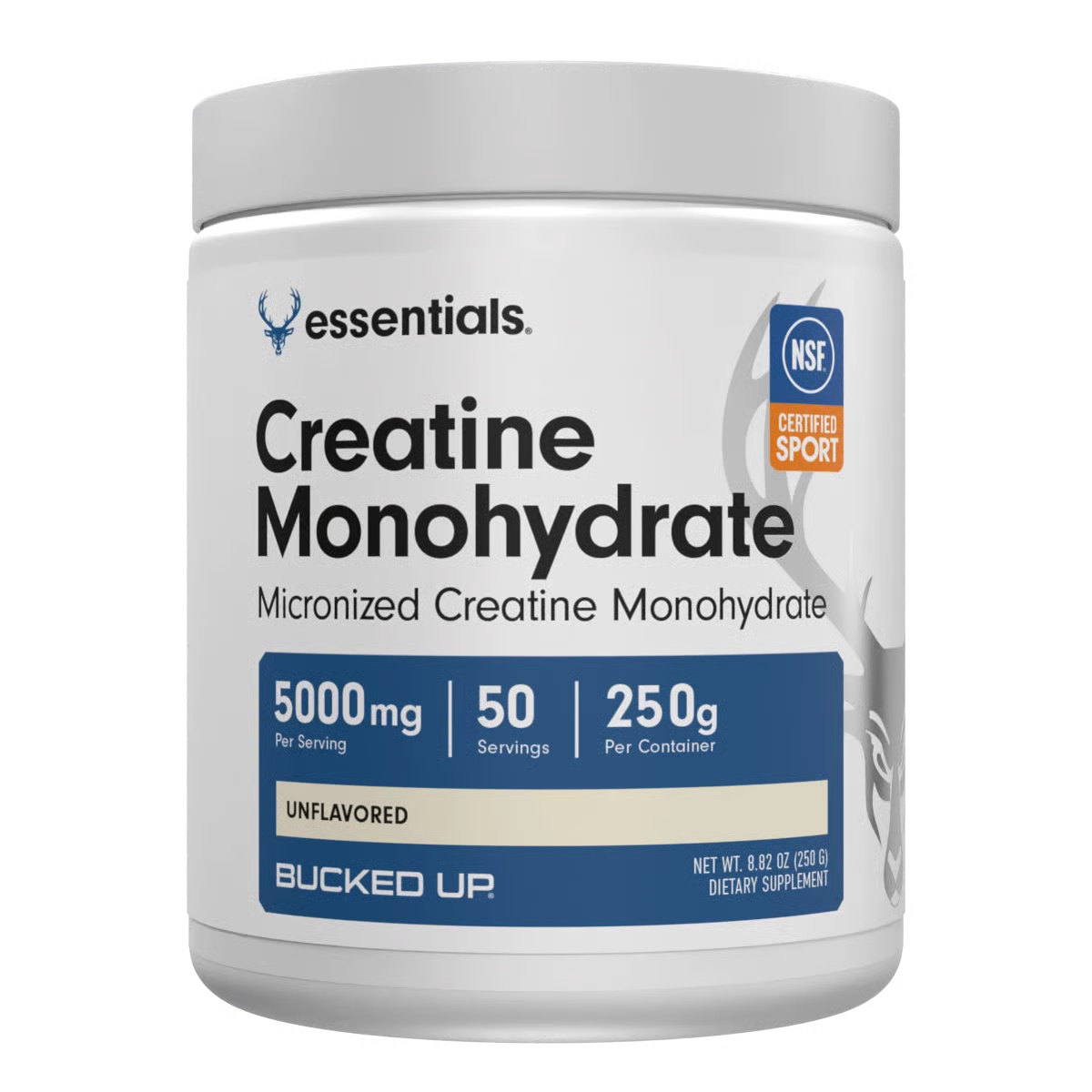
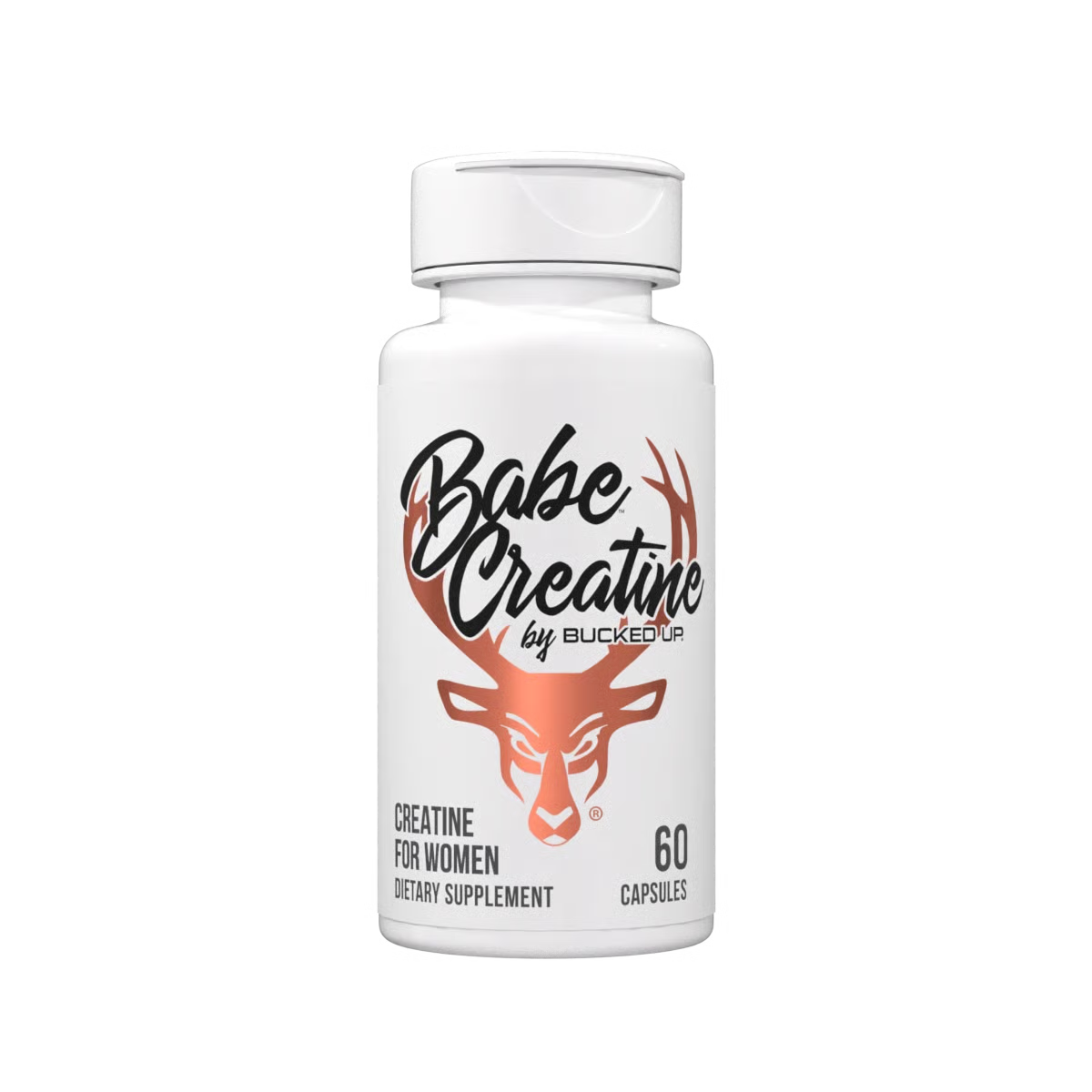
HCL’s main advantage is its higher solubility, which may feel gentler on digestion for some people.1 However, researchers consider solubility a minor factor for tissue uptake, and current evidence does not show that maintenance doses of monohydrate cause excess water retention or bloating. Bucked Up’s Pure Creatine powder uses micronized monohydrate in flavors like Blue Raspberry, while Babe Creatine offers HCL in capsules for people who want smaller daily doses and simple swallowing.
Once you decide between monohydrate and HCL based on research depth and bloating concerns, the next choice is delivery format. Powders, gummies, and capsules each handle portability, cost, and dosing in different ways.
Creatine Gummies vs Powders: Daily Convenience and Cost
| Criteria | Gummies | Powders | Research Notes |
|---|---|---|---|
| Portability | High | Requires mixing | Gummies eliminate shaker bottles and measuring |
| Taste Experience | Candy-like | Mixable flavors | Both forms can mask creatine’s natural taste |
| Dosing Precision | Pre-measured | Customizable | Powders allow dose adjustments |
| Efficacy | Equal when intact | Proven absorption | Bioavailability similar when creatine remains stable |
| Cost per serving | Higher | More economical | Powder offers better value for bulk supplementation |
Manufacturing stability is the main concern with creatine gummies. NOW Foods’ 2024 testing of 12 popular creatine gummy brands found that 40-50% contained little to no creatine, with high creatinine levels that signaled degradation. Heat, acid, and liquid exposure during gummy production can convert creatine into inactive creatinine.
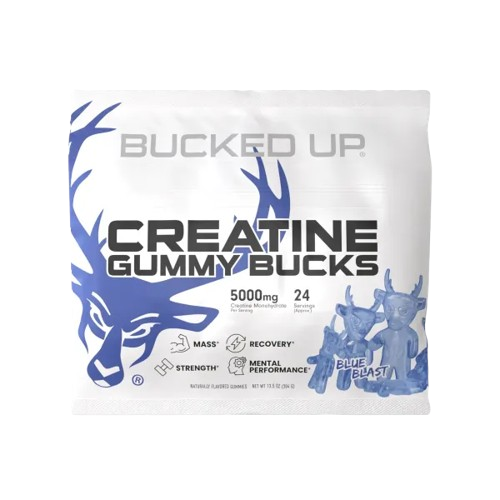
Bucked Up’s Creatine Gummies address these stability concerns with controlled manufacturing that protects creatine integrity. Each serving supplies a full 5g of creatine monohydrate in flavors like Tropic Thunder and Blue Blast. You get the grab-and-go ease of gummies while still hitting a clinically relevant dose.
After weighing form and format, you can match specific products to your goals. Recovery, aesthetics, portability, and budget all point toward slightly different combinations.
Best Creatine Matchups for Recovery, Aesthetics, and Lifestyle
| Goals | Monohydrate Powder | Monohydrate Gummies | HCL Capsules |
|---|---|---|---|
| Athlete Recovery | ✓ Research-backed | ✓ Portable convenience | ✓ Minimal water retention |
| No-Bloat Aesthetics | Maintenance doses only | ✓ Pre-measured portions | ✓ Lower dose requirements |
| On-the-Go Convenience | Requires preparation | ✓ Grab-and-go ready | ✓ No mixing required |
| Budget-Conscious | ✓ Good value | Premium pricing | Higher per-gram cost |
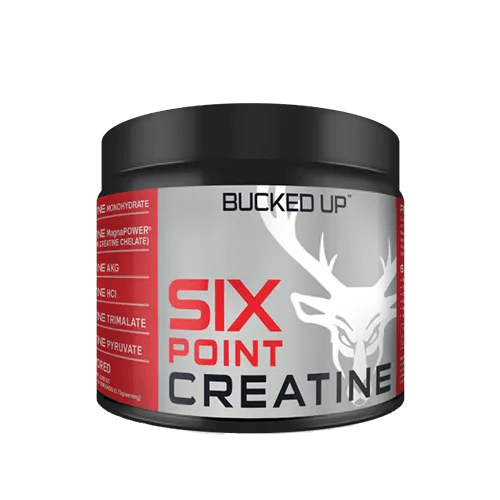
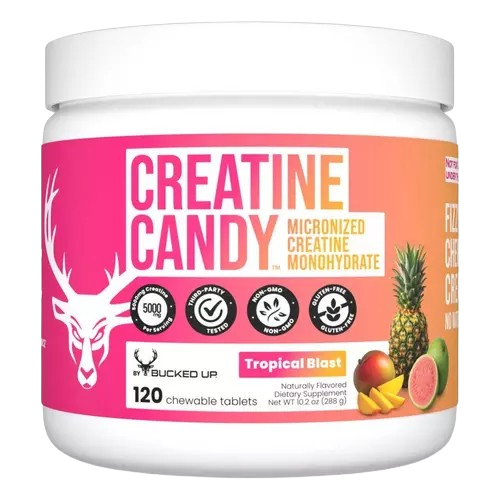
Bucked Up’s lineup covers these different priorities. Pure Creatine powder delivers research-supported monohydrate in flavored, mixable form.1 Six Point Creatine combines six creatine types to create multiple absorption pathways in one product. For women who want aesthetic support with a focus on comfort, Babe Creatine HCL capsules provide precise 750mg servings.1 Creatine Candy offers a dissolvable option that fizzes in your mouth while still delivering a full 5g dose.
Step-by-Step Creatine Choice Guide
Start with the factor that has caused problems for you in the past. If bloating or digestive discomfort has been an issue, prioritize HCL capsules or well-tolerated gummies and place monohydrate powder lower on your list. This first step removes options that may not agree with your body.
Next, look at your daily routine. If you travel often or train away from home, gummies or capsules usually beat powder for portability and simplicity. If you mostly train at home or at a gym with easy access to water and shakers, powder can work well and often costs less per serving.
Then consider your primary training goal. If strength and performance sit at the top of your list and you are not limited by portability, Six Point Creatine offers a multi-pathway blend that supports absorption from several angles.1 If you mainly want steady support for muscle fullness and recovery, monohydrate powder or gummies can fit that role.1
Finally, think about how many grams you prefer to take each day. HCL typically uses 1.5g-5g per day, while monohydrate usually sits in the 3-5g range. If you like smaller scoop sizes or capsules, HCL may feel more comfortable. Compare Bucked Up’s creatine collection side by side to see which form and format line up with these priorities.
Practical Creatine Habits: Dosing, Rest Days, Hydration
Current evidence supports 3-5g daily dosing without loading phases, and a daily 3g dose of creatine can reach full muscle saturation in 28 days1. The same daily approach works on both training and rest days, because consistent intake keeps muscle stores elevated.
Aim for 80-100oz of water per day to support healthy cellular function. This hydration target pairs well with creatine and may reduce the chance of digestive discomfort. Post-workout timing can slightly improve uptake for some people, although long-term results depend more on daily consistency than on exact timing.1
Gummies and capsules remove mixing from the equation, which can help on busy days. Powders work well when you have a shaker or glass nearby and want flexible dosing.
Frequently Asked Questions
Is creatine HCl better than monohydrate?
Creatine monohydrate holds the research advantage, with decades of safety and performance data in many populations.1 HCL offers higher solubility and may feel easier on digestion for some users. As noted earlier, strength and muscle growth outcomes appear similar when doses are matched for actual creatine content.1 The main difference lies in monohydrate’s larger evidence base compared with HCL’s more limited long-term research.
Do creatine gummies work as well as powder?
Properly made creatine gummies can match powder for results when the creatine molecule stays intact during production. The challenge comes from manufacturing, because some gummies lose creatine and form creatinine under heat and moisture. Bucked Up’s gummies use controlled processing to protect creatine stability while still providing convenient 5g servings.
Should I take creatine on rest days?
Daily use, including rest days, helps maintain muscle creatine saturation that supports strength output and recovery.1 Skipping rest days can slowly lower stored creatine, which may reduce performance benefits when you return to hard training.1
What are the downsides of creatine HCl?
HCL usually costs more per gram of actual creatine than monohydrate. It also has less long-term research and contains a lower percentage of creatine by mass. While HCL dissolves more easily, current evidence does not show superior muscle uptake or performance compared with monohydrate when doses are matched.
How much water should I drink with creatine?
Keep total daily fluid intake in the 80-100oz range, regardless of creatine form. Adequate hydration supports normal cellular function and may ease digestion. Take capsules with 8-12oz of water, fully dissolve powders before drinking, and remember that gummies still benefit from solid daily fluid intake even though they do not require mixing.
Whether you choose monohydrate for its research depth, HCL for comfort, gummies for convenience, or powder for value, Bucked Up’s NSF-certified creatine lineup focuses on purity and potency across every option. Each product goes through rigorous testing in GMP-certified facilities to support consistent performance.1 Start with the form and format that match your priorities, then shop Bucked Up’s complete creatine collection to compare options side by side.
1 The content provided in this article is for informational purposes only and is not medical advice. Consult with a medical professional before implementing any changes to your diet, health, or exercise routines.
Individual results will vary and are based on a combination of each individual’s diet, exercise, age, and health circumstances.
These statements have not been evaluated by the Food and Drug Administration. This product is not intended to diagnose, treat, cure or prevent any disease.
This article was written by Ryan Gardner, CEO of Bucked Up. As the maker of Bucked Up Creatine, we have a financial interest in this information. The views expressed are our own and should be read with that context in mind