Written by: Ryan Gardner, Owner, Managing Partner, CEO, Bucked Up | Last updated: April 17, 2026
Key Takeaways
- Creatine supports measurable strength and power gains for athletes, beginners, women, and older adults by increasing phosphocreatine stores.1
- Research supports creatine’s safety in healthy users, and side effects like bloating are usually mild and often reduced with HCl forms.1
- Cost per 5 g serving stays low across generic and premium options, creating strong value through extra reps and higher training volume.1
- Bucked Up offers formats like gummies, capsules, and Six Point blends that support adherence, reduce bloat concerns, and include NSF-certified options.1
- Bucked Up creatine can provide a mix of purity, convenience, and performance support tailored to different training goals.1
The Science Behind Creatine’s Strength and Performance Benefits
Creatine increases phosphocreatine stores in muscles, which helps regenerate adenosine triphosphate (ATP), the main fuel for short, intense efforts. This mechanism supports documented performance improvements across diverse populations, with gains most pronounced in power output and repetition capacity during high-intensity training.1 Research shows that these benefits extend beyond elite athletes to beginners, women, and adults focused on maintaining muscle as they age.1
Studies link creatine use to higher strength performance in common training movements such as bench press, squat, and sprints.1 These strength gains compound over time because creatine also supports faster recovery between sets and training sessions.1 Better recovery allows more total work, which can accelerate muscle growth and performance progress.1 This recovery advantage helps explain why creatine supports results across age groups and fitness levels, not only in professionals.
Safety concerns about kidney strain have been examined in long-term research. Studies report no harmful effects on kidney function or organ damage in healthy adults who use recommended doses of creatine monohydrate.1 Individuals with existing kidney issues should still speak with a healthcare provider, yet current data supports short-term use under medical guidance.
Is Creatine Cost-Effective? Breaking Down the Math
Creatine often delivers a strong return on investment when you compare price per serving with performance gains. Generic creatine monohydrate and premium certified options appear at many price points, yet most remain budget friendly. The table below compares cost per serving across several product tiers so you can see how different formats stack up on value.
| Product/Form | Servings | $/5g Serving | Source |
|---|---|---|---|
| Generic Monohydrate | Varies | Varies | Multiple retailers |
| Muscle Milk (NSF) | 32 per 4.94 lb container | Varies | PepsiCo |
| Bucked Up Pure Creatine | Varies | Varies | BuckedUp.com |
| Thorne (NSF Sport) | 30 | Varies | PureFormulas |
When you think about value, factor in the extra strength and added reps that creatine can support over months of training.1 For people training 4 to 5 times per week, even small performance bumps can add up to many more quality sets. Flavored powders and convenient formats can also support better adherence, which stretches the value of each dollar spent.
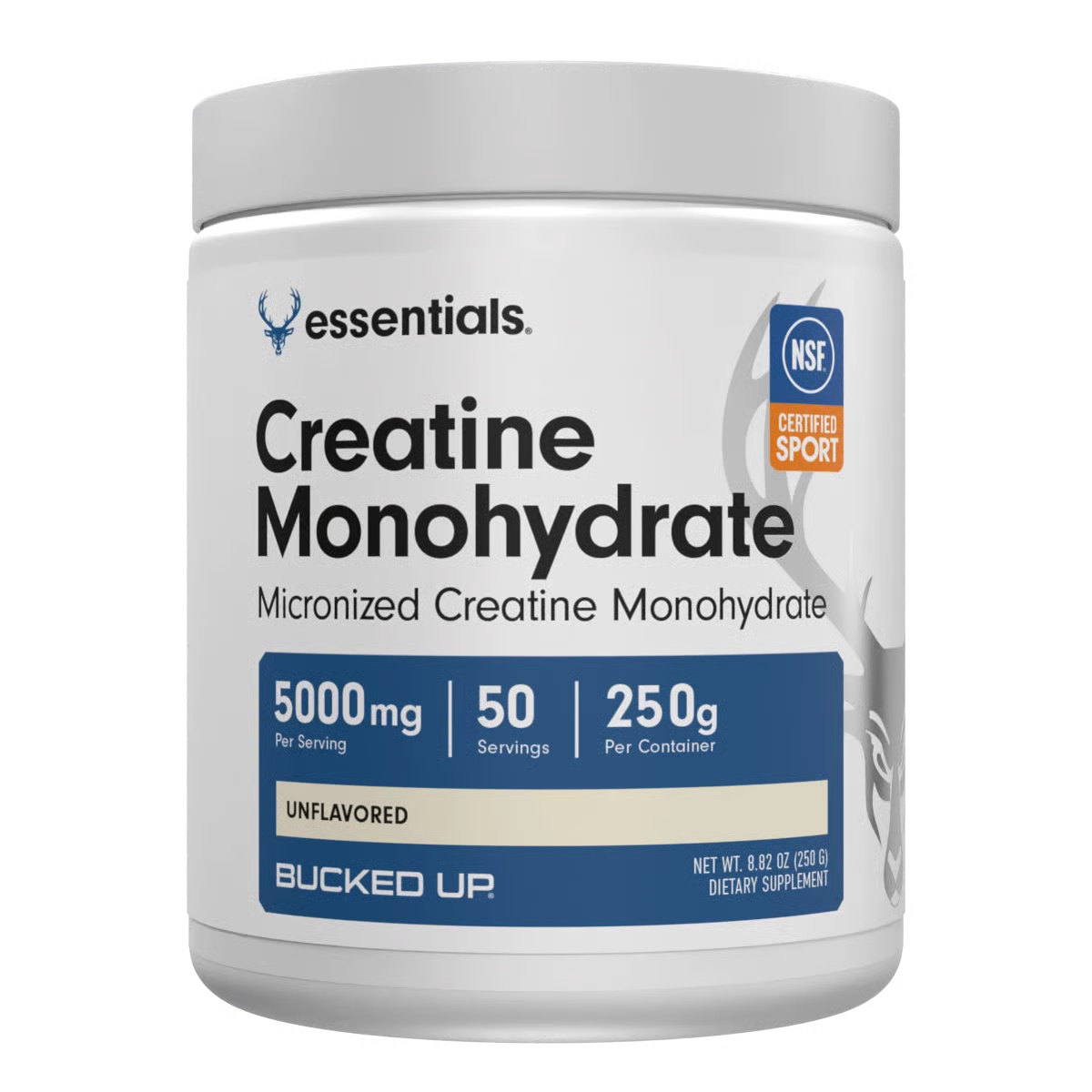
Products like Bucked Up’s certified creatine line can stand out through micronized powder with stated 99.8% purity, NSF certification, and manufacturing practices that aim to reduce contamination risk. Shoppers comparing generic products may want to look for clear labels and third-party testing to better understand purity and dosing accuracy.
Creatine Forms and Formats for Different Goals and Budgets
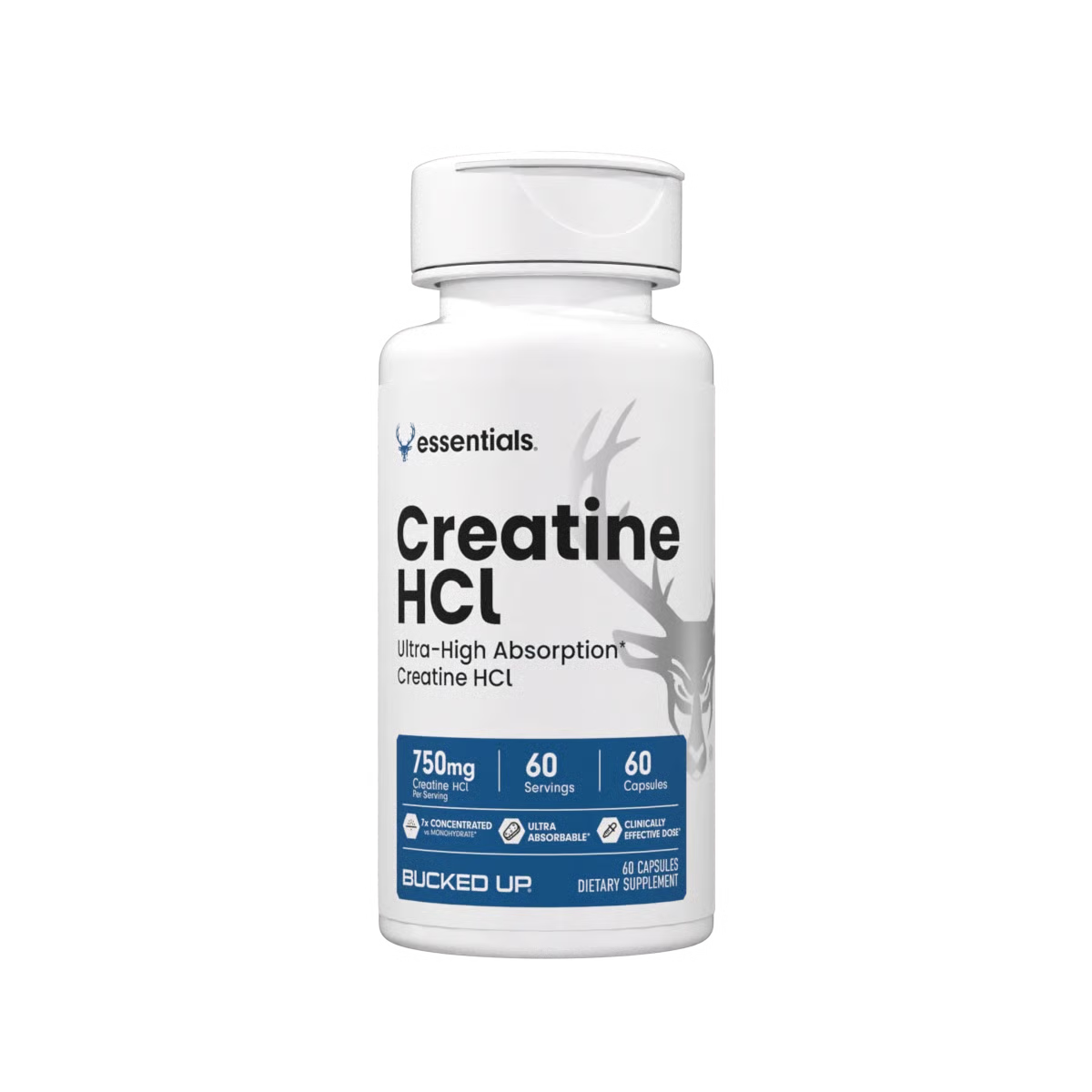
Different creatine forms balance cost, convenience, and comfort in distinct ways. Creatine monohydrate remains the most researched and budget-friendly option for many users. Creatine HCl offers much higher water solubility, which can appeal to people who feel bloated on larger monohydrate doses.1
| Form/Product | Dose/Day | $/Serving | No-Bloat? | Best For | Key Edge vs. Generic |
|---|---|---|---|---|---|
| Monohydrate (Pure Creatine) | 5g | Varies | Moderate | Beginners | Micronized, flavored |
| HCl (Capsules/Babe) | 0.75g | ~$0.38 | High | Women/No bloat | Higher solubility, no loading |
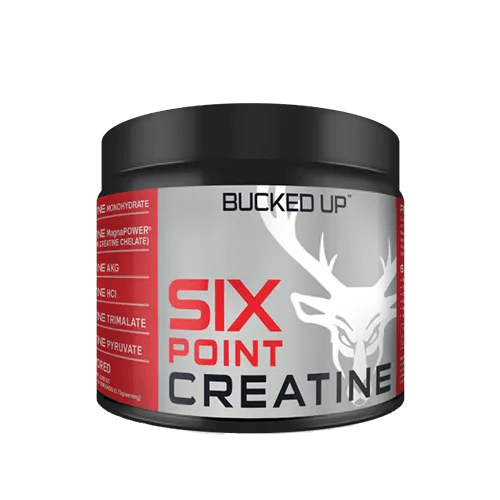
| Six Point Blend | 5g | $0.80 | High | Athletes | Six creatine types, varied absorption |
| Gummies/Candy | 5g | Varies | High | Busy users | Portable, flavored |
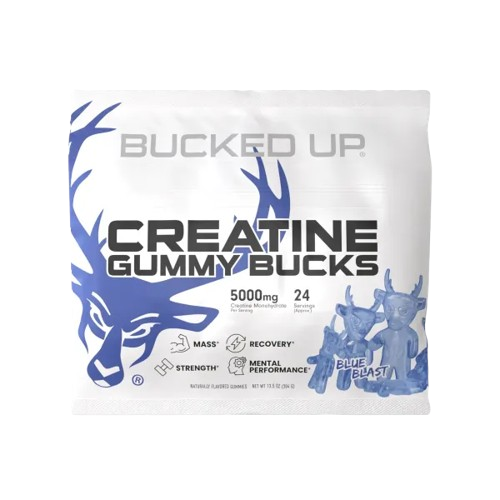
Bucked Up’s formats aim to remove common barriers that keep people from taking creatine consistently. Gummies and candy-style options remove the need for scoops, shakers, and mixing, which can help on hectic days. These flavored formats also reduce taste fatigue, which often causes people to abandon plain generic powders.
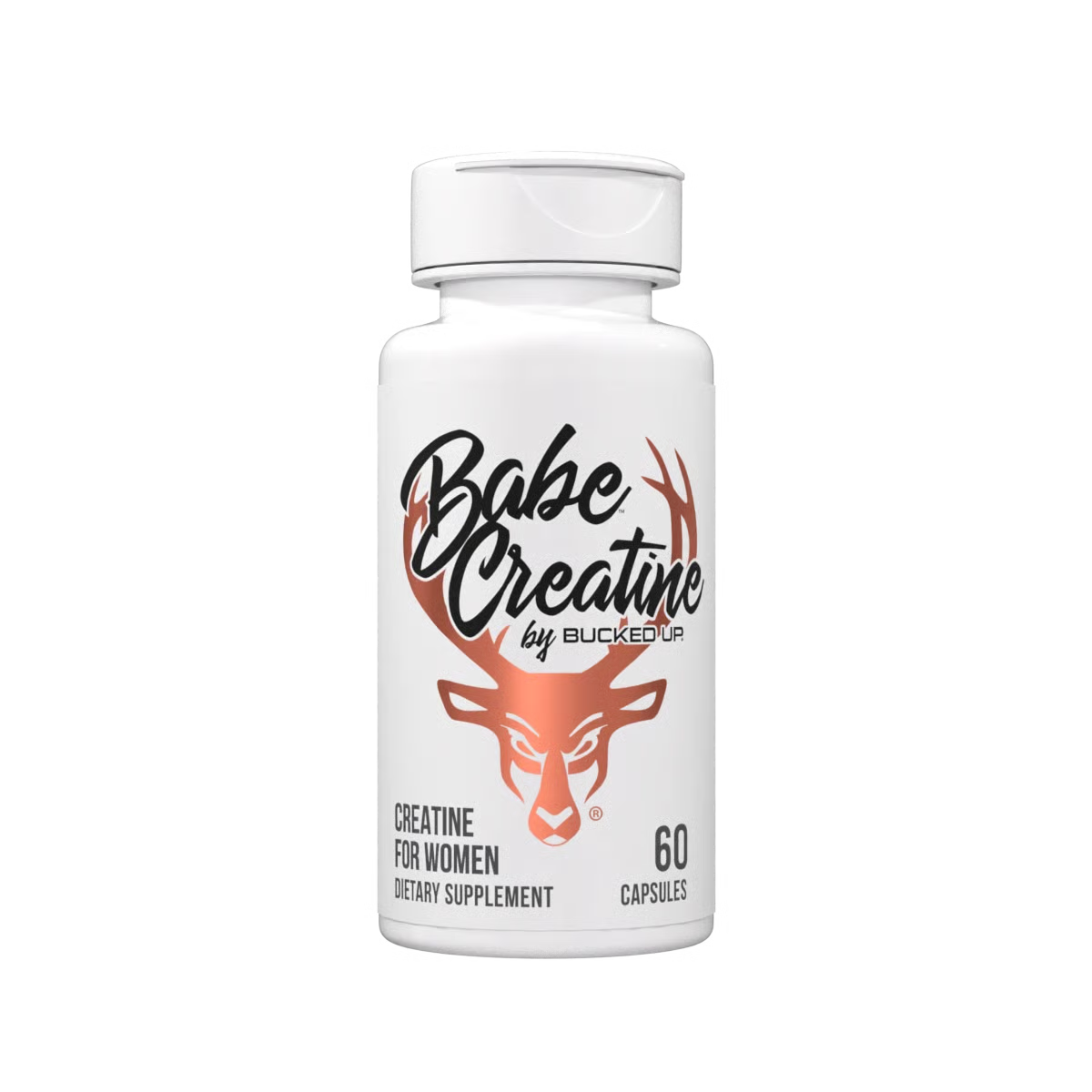
Six Point Creatine combines several creatine forms with different absorption characteristics for users who want a more comprehensive formula. The price per serving sits higher than basic monohydrate, yet some athletes may value the blend and convenience. Women and people who track water retention closely often choose Babe Creatine HCl capsules, which provide smaller doses and aim to reduce bloating concerns.
Practical Dosing, Daily Use, and Common Concerns
Creatine dosing varies by form and by personal goals. Creatine monohydrate typically calls for 3 to 5 grams per day, while creatine HCl often uses only 1 to 2 grams because of its higher solubility. You can reach similar muscle saturation with less total HCl.1 Regardless of form, consistent daily intake matters more than exact timing, so include rest days to keep muscle stores elevated. Drinking 80 to 100 ounces of water per day supports cellular uptake and can reduce minor side effects.1
Most side effects remain mild and manageable for healthy users. Gastrointestinal issues appear in a small share of creatine users and show rates similar to placebo1, which suggests no major added risk. Temporary water weight gain of about 1 to 5 lbs usually reflects greater muscle hydration rather than fat gain.1 This change often stabilizes after the first week.
Real-world use cases show how different formats fit different lifestyles. Competitive athletes may gravitate toward Six Point Creatine for its multi-form blend. Beginners often start with flavored Pure Creatine powder because it mixes easily into daily routines. Women and users who want simple, discreet dosing often choose Babe Creatine HCl capsules for their portability and lower perceived bloating.
Why Bucked Up Creatine Can Stand Out for Value
Bucked Up focuses on quality standards and varied delivery formats to create value beyond basic creatine powder. All products come from NSF Certified and GMP Certified facilities, and NSF Sport certification helps competitive athletes avoid banned substances. These safeguards can lower contamination risk compared with products that lack third-party oversight.
Customer feedback often points to strength gains, less bloating, and better workout consistency.1 One user reported gaining 10 lbs in 2 months after years at the same body weight while using Six Point Creatine.1 Another highlighted Babe Creatine for noticeable strength increases within weeks along with minimal bloating.1
Gummies, candy, and capsule options address everyday challenges such as travel, busy schedules, and taste fatigue that generic powders may not solve. These features can justify modest price differences by supporting adherence, convenience, and overall satisfaction. Explore Bucked Up’s certified creatine formats to see which delivery style fits your routine and training goals.
Frequently Asked Questions
Why do some doctors hesitate about creatine?
Some doctors still rely on older concerns that associated creatine with kidney stress. Modern research shows that recommended creatine use does not damage kidneys in healthy people, even over long periods.1 Higher blood creatinine levels usually reflect normal creatine metabolism rather than kidney problems. Clinicians who follow current data often view creatine as a well-studied and reliable sports supplement.
What are creatine side effects?
Creatine side effects tend to be uncommon and mild.1 Many users notice a short-term increase of about 1 to 5 lbs from extra water in the muscles, which supports performance rather than harming health.1 Some people feel mild bloating, especially with large single doses or loading phases. Creatine HCl products such as Babe Creatine use smaller servings and higher solubility, which can reduce that discomfort. Gastrointestinal distress affects a small minority of users and often improves when doses are split and water intake stays high.
Is creatine good for beginners?
Creatine can work very well for beginners and sometimes produces larger visible changes than in advanced lifters.1 New trainees often start with lower baseline creatine stores, so a daily 3 to 5 gram dose of monohydrate can create noticeable strength and muscle gains.1 Simple flavored powders like Bucked Up’s Pure Creatine help beginners stay consistent by avoiding bland or chalky tastes that can discourage use.
Should I choose powder or capsules?
Capsules provide convenience, precise dosing, and no mixing, which suits travel and busy schedules. They also remove taste concerns and keep servings consistent. Creatine HCl capsules in the Bucked Up line can appeal to users who want smaller doses and less bloating potential than some powders.1 Traditional powders often cost less per serving and allow flexible dosing, which appeals to budget-focused users. Your choice comes down to whether convenience or lowest cost matters more.
Do I need to take creatine on rest days?
Daily use on rest days helps keep muscle creatine stores topped off. Creatine works by building and maintaining those stores over time, not only by what you take on workout days. Skipping rest days can slowly lower muscle levels and may blunt performance benefits during later training sessions.1
Is creatine suitable for women?
Creatine can support women’s strength, muscle maintenance, and cognitive performance.1 Many women choose creatine HCl products like Babe Creatine because they use smaller doses and often cause less visible water retention. Research indicates that women can see strength and power gains similar to men, along with potential support for bone health during training.1
Conclusion
Creatine offers a cost-effective way to support strength and performance, with meaningful improvements available at a relatively low price per serving.1 Generic products can cover basic needs, while Bucked Up’s certified creatine line adds value through purity standards, varied formats, and options tailored to different preferences. Whether you prefer Pure Creatine for a straightforward powder, Six Point for a multi-form blend, or Babe Creatine for convenient capsules, consistent use can support better training sessions and long-term progress.1 Find your optimal creatine format to support both mental focus and physical performance in your routine.
1 The content provided in this article is for informational purposes only and is not medical advice. Consult with a medical professional before implementing any changes to your diet, health, or exercise routines.
Individual results will vary and are based on a combination of each individual’s diet, exercise, age, and health circumstances.
These statements have not been evaluated by the Food and Drug Administration. This product is not intended to diagnose, treat, cure or prevent any disease.
This article was written by Ryan Gardner, CEO of Bucked Up. As the maker of Bucked Up Creatine, we have a financial interest in this information. The views expressed are our own and should be read with that context in mind