Written by: Ryan Gardner, Owner, Managing Partner, CEO, Bucked Up | Last updated: April 17, 2026
Key Takeaways
- Creatine regenerates ATP by boosting phosphocreatine stores, which donate phosphate to ADP via creatine kinase during intense workouts.
- Muscles hold enough ATP for only 5-10 seconds of max effort, so creatine-supported resynthesis helps sustain power output.
- Supplementation increases phosphocreatine by about 20%, which research links to 5-15% gains in sprint power and rep endurance.1
- Choose creatine monohydrate, HCl, or blends based on absorption, bloating risk, and convenience, with no loading phase needed for HCl.1
- Maximize ATP regeneration and performance with Bucked Up’s NSF-certified creatine products at Bucked Up’s creatine shop.1
Creatine, Energy Crashes, and the Real ATP Story
Many athletes believe creatine directly “increases ATP levels,” but this misconception hides the real mechanism. Creatine does not create more ATP; it helps regenerate ATP through the phosphocreatine system. During intense workouts like heavy squats or sprint intervals, your muscles burn through ATP in seconds and fatigue sets in fast, which costs you reps and performance.
This regeneration process keeps your training intensity higher for longer. Recent research shows creatine supplementation can boost phosphocreatine stores by 20%, which supplies more raw material for rapid ATP regeneration.1 Bucked Up’s NSF-certified products like Pure Creatine Monohydrate deliver 5g of micronized creatine per serving to support that increase.1
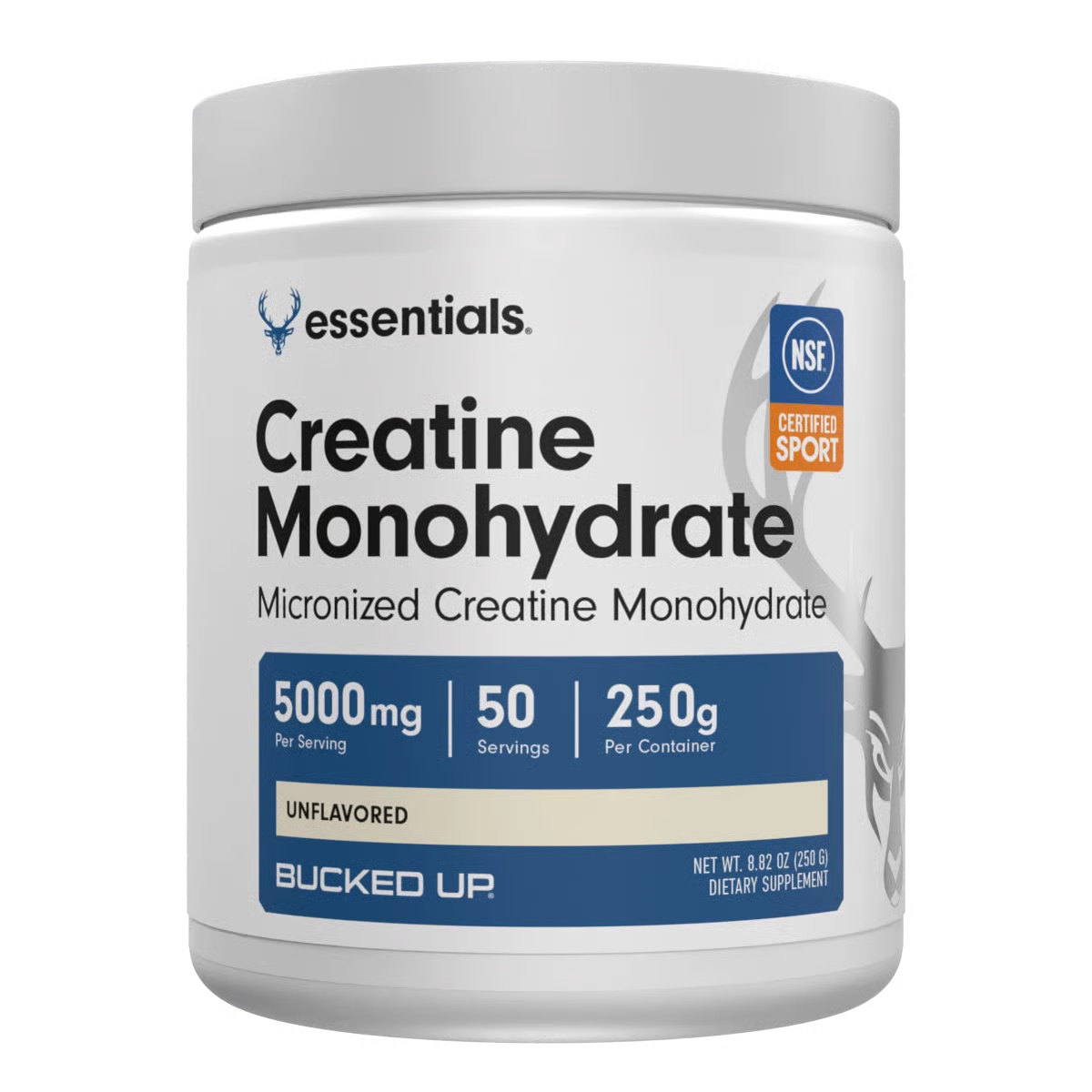
Find creatine formulations that maximize your phosphocreatine stores.
ATP Basics and Creatine’s Built-In Support System
ATP serves as your body’s energy currency, yet muscles store only enough for 5-10 seconds of maximum effort. During intense contractions, ATP breaks down into ADP (adenosine diphosphate) and phosphate, and the ATP-phosphocreatine system immediately steps in to rebuild it. This system uses phosphocreatine (PCr) to donate phosphate groups to ADP through the creatine kinase enzyme, which rapidly restores ATP for continued power output.
The speed of this regeneration depends on how much phosphocreatine your muscles can store. Human skeletal muscles naturally hold around 120 mmol/kg dry muscle mass of total creatine, but supplementation can raise these stores by the ~20% mentioned earlier.1 This expanded reservoir supports competitive athletes chasing explosive power and health-conscious individuals working to maintain muscle function as they age.1 The same mechanism supports both groups, whether you are sprinting for a personal record or preserving strength and cognitive function.
See how Bucked Up’s certified formulations expand your creatine reservoir.
Step-by-Step: How Creatine Regenerates ATP
The ATP regeneration process follows four precise steps that occur within milliseconds during intense exercise.
Step 1: Intense muscle contractions hydrolyze ATP into ADP + phosphate (Pi), which quickly depletes your immediate energy supply.
Step 2: Step 2 shows this donation in action: creatine kinase catalyzes the reaction PCr + ADP ⇌ Cr + ATP.
Step 3: The newly regenerated ATP immediately fuels continued muscle contractions and helps maintain power output during high-intensity efforts.
Step 4: Between sets or during recovery, your body resynthesizes phosphocreatine from dietary creatine and supplementation, which prepares you for the next bout of intense work.
This system delivers measurable performance gains.1 Studies show 5-15% power improvements in sprint efforts, and Wingate test research demonstrates increases in power output.1 Faster ATP regeneration lets you hold maximum intensity for longer periods.
Get the creatine forms that accelerate this regeneration cycle.
Creatine Forms for ATP Support: Comparing What Works
| Form | Absorption/Solubility | Daily Dose | Bloating Risk | Bucked Up Example |
|---|---|---|---|---|
| Monohydrate | moderate absorption, less bioavailable than creatine HCl | 3-5g | Medium | Pure Creatine (micronized, flavored) |
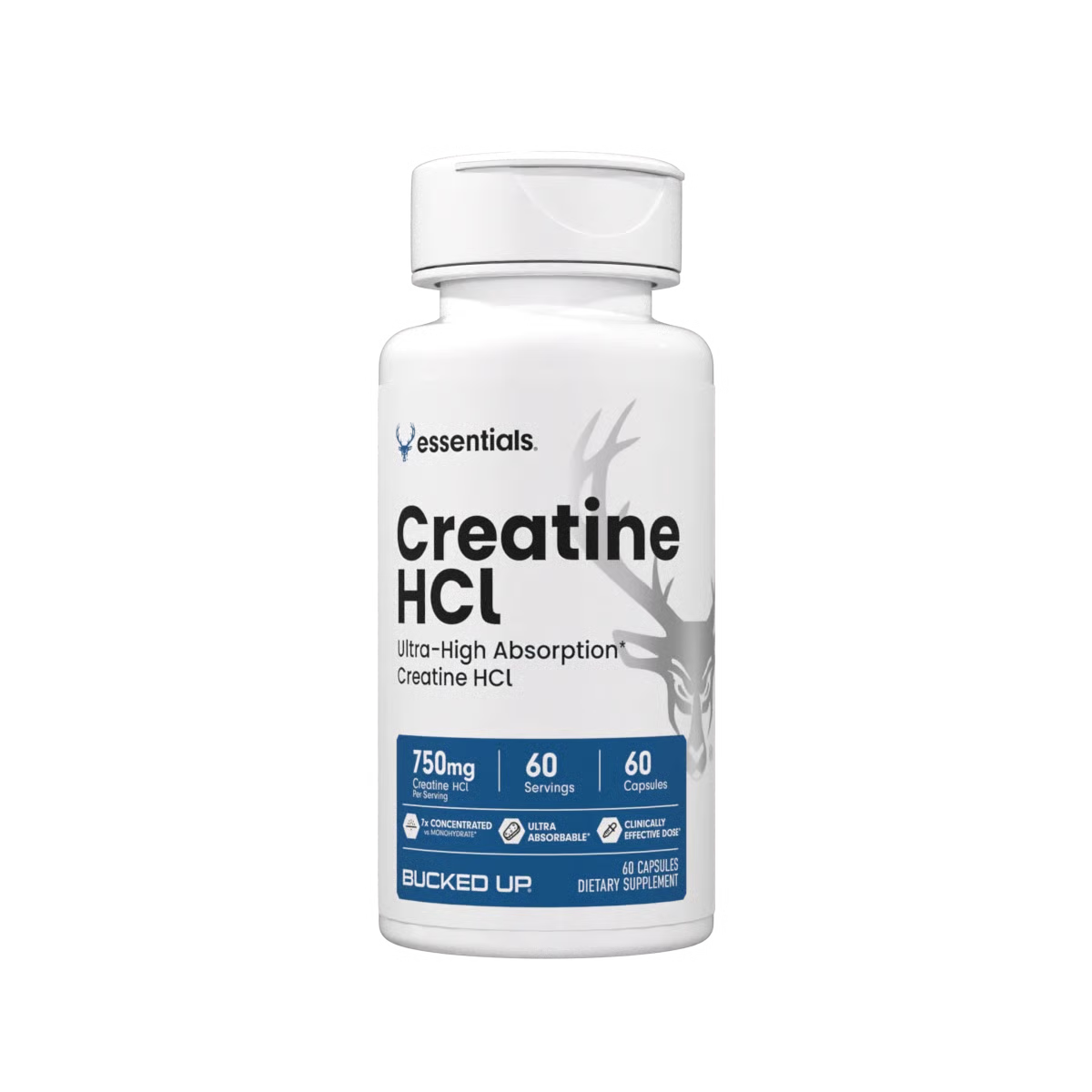
| HCl | 41x more soluble | 1-2g | Low | Creatine HCl/Babe Creatine capsules |
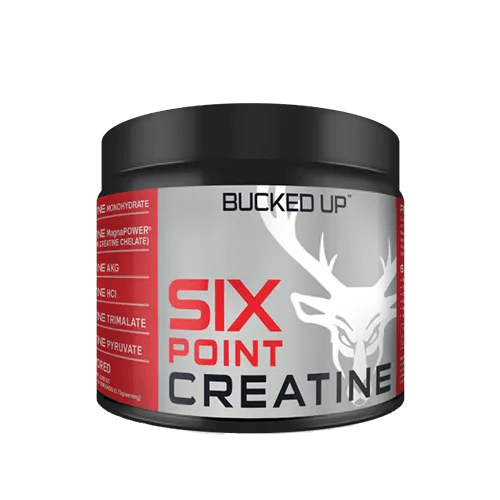
| Blends | Multi-absorption pathways | 3-5g | Low | Six Point Creatine (6 forms) |
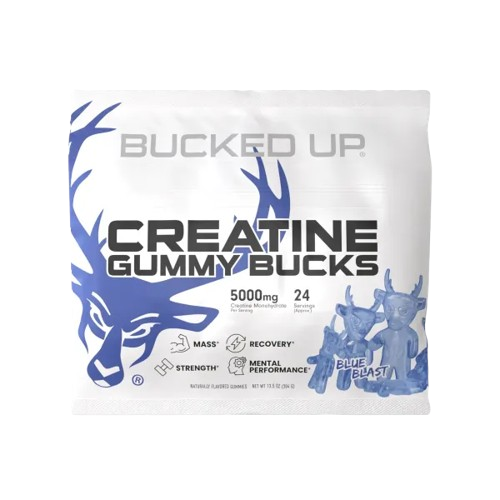
Bucked Up addresses common pain points that limit ATP regeneration effectiveness. Inconsistent dosing often causes phosphocreatine stores to drop, especially when mixing powders feels inconvenient. The Creatine Gummies and Candy provide portable 5g doses of monohydrate that require no mixing, which makes daily use easier and supports steady phosphocreatine levels.
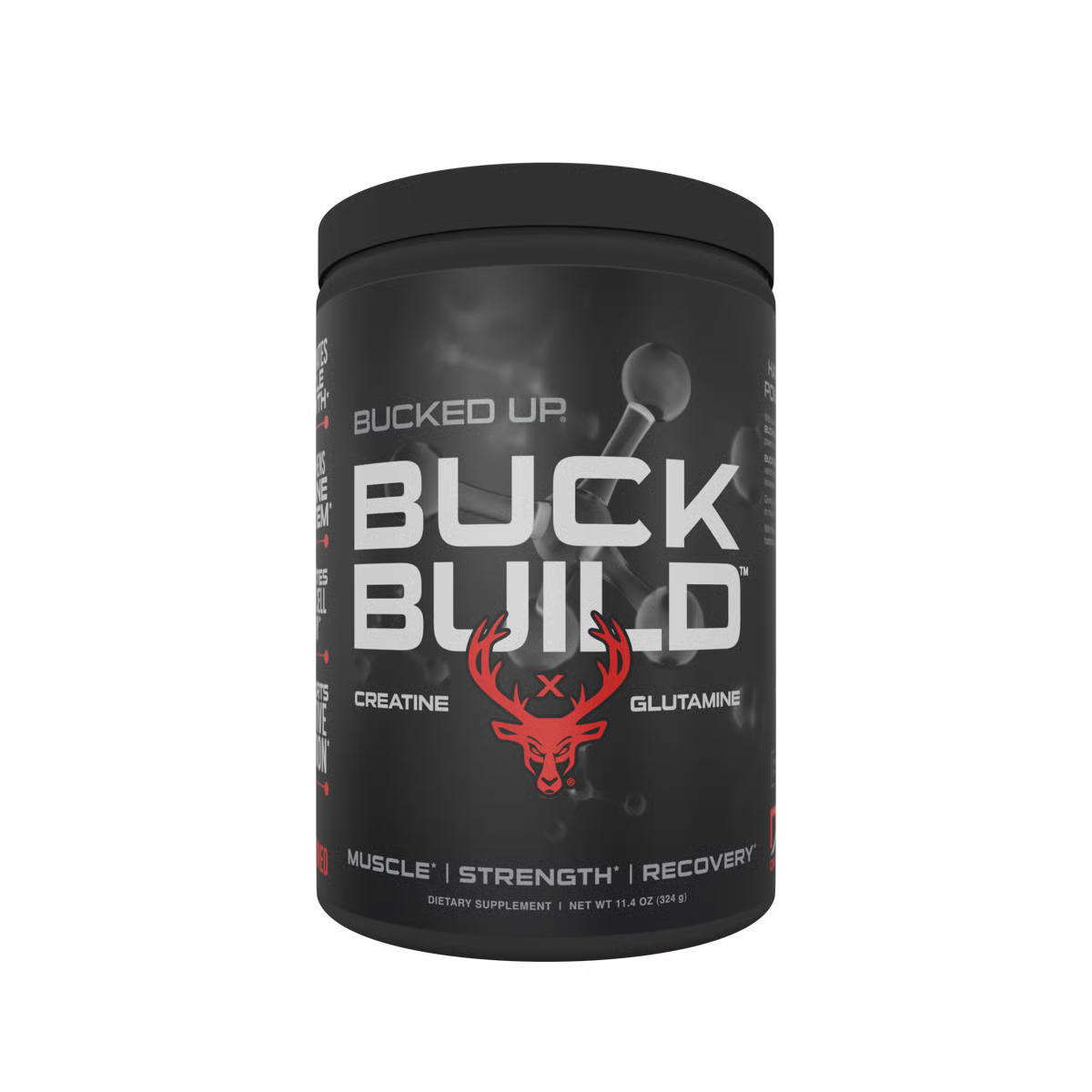
Some athletes want more than basic creatine support. Buck Build combines creatine with glutamine, which supports muscle hydration and may improve creatine uptake into muscle cells.1 All Bulk No Bloat delivers broader muscle support while addressing concerns about unwanted water retention, so athletes can pursue strength and a lean look at the same time.1
For consistent results, take creatine daily with 80-100oz of water. HCl forms like Babe Creatine do not require a loading phase and suit people who want straightforward dosing and quick routine integration.
Discover your ideal creatine form and keep ATP regeneration consistent.
Common Creatine Mistakes That Undercut ATP Gains
The ATP-level misconception from the introduction has practical consequences, especially unrealistic expectations about instant energy surges. Remember, creatine expands your phosphocreatine reservoir rather than creating immediate energy. The payoff shows up in extra reps, stronger sets, and better repeat efforts, not a stimulant-like rush.
Beyond conceptual mistakes, practical issues like bloating can also sabotage consistent supplementation. Bloating concerns often stem from generic creatine monohydrate without proper hydration or micronization. Bucked Up’s HCl formulations and gummies address this with improved solubility and more precise dosing. Another frequent error involves skipping rest days, even though daily intake keeps muscle saturation levels high enough for reliable ATP regeneration.
Track your progress through rep counts, bar speed, and recovery time between sets instead of expecting dramatic overnight changes. ATP regeneration benefits build over weeks of consistent use and regular training.
Safety, Who Creatine Fits, and Signs It Is Working
Decades of research support creatine’s safety profile. A comprehensive 2025 study of 71 female athletes found no adverse effects on kidney or liver function during 32 weeks of supplementation. Bucked Up maintains 99.8% purity standards with NSF Sport certification, which supports product safety and quality.
Clear success markers include completing extra reps before fatigue, recovering faster between sets, and holding power output during high-intensity intervals.1 Many users also notice more consistent performance across an entire workout instead of fading halfway through.1
The ATP regeneration mechanism works the same way in brain cells, where creatine supports energy demands during mentally intensive tasks. This connection makes creatine a fit for people seeking both mental and physical energy support, not only strength athletes. Whether you are a competitive lifter or a health-focused professional, consistent creatine intake supports efficient ATP regeneration across daily demands.1
Start your creatine routine with Bucked Up’s safe, research-backed formulations.
Advanced Creatine Stacking to Support ATP in 2026
Once you have built up phosphocreatine stores with consistent daily dosing, advanced strategies can help refine ATP support. Elite athletes can enhance ATP regeneration by cycling between different creatine forms over time.1 Six Point Creatine’s multi-form approach provides varied absorption kinetics, which may help maintain more stable phosphocreatine levels across the day, while stacking with Buck Build adds glutamine for extra recovery and muscle hydration support.1
2026 research suggests multi-blend formulations may optimize phosphocreatine resynthesis rates compared to single-form supplements.1 This approach can support the ATP regeneration system across different training phases and intensity blocks.
Pairing creatine with carbohydrates post-workout can further support muscle uptake through insulin-mediated transport.1 The convenience of Bucked Up’s gummies and candy makes this strategy realistic for athletes with busy schedules who still want consistent dosing.
Try Six Point Creatine or Buck Build stacks to optimize your phosphocreatine resynthesis.
FAQ: How Creatine Supports ATP Regeneration
How does creatine help regenerate ATP?
Creatine increases muscle phosphocreatine stores, which donate phosphate groups to ADP via creatine kinase and rapidly regenerate ATP during high-intensity exercise.1 This process occurs within seconds and powers explosive movements like sprinting and heavy lifting.
Does creatine increase ATP levels?
Creatine does not directly increase ATP levels but accelerates ATP regeneration through faster phosphocreatine turnover. The total ATP pool stays relatively constant, while regeneration speed rises and supports sustained high-intensity performance.1
Should I take creatine on rest days?
Yes, daily creatine intake maintains muscle saturation levels that support optimal ATP regeneration.1 Consistent supplementation keeps phosphocreatine stores elevated for your next training session.
Are creatine pills better than powder?
Capsules like Bucked Up’s HCl formulations offer convenience and a lower bloating risk compared to many powders. Absorption and effectiveness remain comparable, so the choice usually depends on personal preference and digestive comfort.
Can I take creatine before bed?
Creatine contains no stimulants, so bedtime consumption is generally safe. Take it with 8-12oz of water and aim for 80-100oz of total daily hydration to support cellular function and ATP regeneration capacity.
Conclusion: Turn Creatine Into Real-World Power
Creatine’s role in ATP regeneration through the phosphocreatine system ranks among the most well-researched performance mechanisms in sports nutrition. By expanding your muscles’ phosphocreatine reservoir, creatine supports faster ATP regeneration during intense exercise, which can translate into higher power output, less fatigue, and greater training capacity.1
Bucked Up’s product lineup addresses common barriers to effective creatine use. Bloat-conscious athletes can choose HCl capsules, convenience-focused users can grab gummies or candy, and those seeking broader support can use blends like Six Point Creatine. Each option aims to support ATP regeneration while fitting into real-world routines.
Shop now and put creatine’s ATP regeneration benefits to work in your training and daily performance.
1 The content provided in this article is for informational purposes only and is not medical advice. Consult with a medical professional before implementing any changes to your diet, health, or exercise routines.
Individual results will vary and are based on a combination of each individual’s diet, exercise, age, and health circumstances.
These statements have not been evaluated by the Food and Drug Administration. This product is not intended to diagnose, treat, cure or prevent any disease.
This article was written by Ryan Gardner, CEO of Bucked Up. As the maker of Bucked Up Creatine, we have a financial interest in this information. The views expressed are our own and should be read with that context in mind