Last updated: April 16, 2026
Key Takeaways
- Mental fatigue affects millions due to sleep debt, stress, and dehydration. You can counter it with daily habits like 7-9 hours of sleep and steady hydration.
- Free strategies such as morning walks, the Pomodoro technique, deep breathing, power naps, and nature breaks restore cognitive function without cost.
- Low-cost tactics like cold showers, time-blocking apps, healthy snacks, and blue light glasses help prevent crashes and maintain focus.
- Performance support from Bucked Up Energy Drinks with AlphaSize®, Dynamine™, and TeaCrine® can provide sustained energy, sharp focus, and fewer jitters on demanding days.1
- Stack these tips into a daily routine and get a Bucked Up Energy case for more consistent, crash-resistant cognitive performance.1
Why Mental Fatigue Hits Hard
Mental fatigue builds from several triggers that stack across your day. Adults need 7-9 hours of sleep per night, and consistently getting less can lead to brain fog, mood changes, and cognitive impairment similar to alcohol intoxication. Dehydration adds strain, and long periods of sedentary work reduce oxygen delivery to the brain.
These physiological stressors are amplified in workplace environments. Gallup’s 2024 report found that many employees worldwide report feeling burned out at work, which connects to more than $300 billion in annual costs to U.S. employers from stress-related productivity losses. When you understand these triggers, you can address root causes instead of relying only on quick fixes that often lead to crashes.
15 Affordable Ways to Fight Mental Fatigue Daily
Free Daily Basics for Mental Clarity (1-8)
These foundational strategies cost nothing and support your brain all day. Start with sleep and hydration, then add movement, focused work blocks, and short recovery breaks.
1. Prioritize 7-9 Hours of Quality Sleep
Xie et al.’s 2013 research demonstrated that sleep increases convective fluid flow, speeding up clearance of brain metabolites like beta-amyloid. This nightly housekeeping helps explain why sleep debt often brings slower thinking and weaker attention. Discovery Holdings’ analysis of 47 million sleep records found that sufficient sleep supports cognitive performance at scale. Protect this process by keeping a consistent schedule, darkening your room, and avoiding screens for at least 30 minutes before bed.
2. Hydrate First Thing (16 oz Water)
Zhang et al.’s 2019 study found that rehydration improved cognitive performance after dehydration. Even mild dehydration can worsen attention and reaction time. Start your morning with a large glass of water and sip regularly throughout the day to support steady mental clarity.
3. Take a 20-Minute Morning Walk
Zhang et al.’s 2022 study showed that low-intensity walking improved performance on executive-function tasks and increased peak prefrontal cortex oxygenation. A brisk outdoor walk soon after waking boosts alertness and counters fatigue from long sitting periods. Even a 10-minute walk can increase oxygen to the brain and improve mental clarity.
4. Eat a Nutrient-Dense Breakfast
Complex carbohydrates paired with protein provide a steadier energy release, which helps prevent blood sugar spikes and crashes that drain mental stamina. Choose options such as oatmeal with nuts, whole grain toast with eggs, or Greek yogurt with berries to support sustained cognitive performance. Research supports that balanced breakfasts help maintain cognitive performance.
5. Use the Pomodoro Technique for Focused Work
The Pomodoro Technique breaks work into 25-minute focused bursts followed by short breaks to prevent cognitive overload by respecting limited working memory and attention spans. Research shows this structure reduces mental fatigue by allowing recovery during breaks while keeping concentration higher over time. Set a 25-minute timer, focus on one task, then take a 5-minute break. After four cycles, rest for 20 to 30 minutes.
6. Practice 5-Minute Deep Breathing
Tang, Hölzel, and Posner’s 2015 research in Nature Reviews Neuroscience proposed that mindfulness meditation works through enhanced self-regulation, including attention control. Try the 4-7-8 breathing technique: inhale for 4 counts, hold for 7, and exhale for 8. This pattern activates the parasympathetic nervous system and can ease stress-related cognitive fog.
7. Take Strategic Power Naps (10-20 Minutes)
Short naps can restore attention and cognitive function without entering deep sleep phases that cause grogginess. Aim for 10 to 20 minutes and avoid napping after 3 PM so your nighttime sleep stays solid.
8. Schedule Nature or Journaling Breaks
Brief exposure to nature or reflective writing can reduce cognitive load and reset mental resources. Looking at nature photos or writing three things you feel grateful for may lower mental fatigue and improve focus for your next work block.
Low-Cost Quick Wins for Energy and Focus (9-12)
9. Take Cold Showers for an Alertness Jolt
Cold exposure can trigger the release of norepinephrine, a neurotransmitter linked to alertness and focus. Finish your regular shower with 30 seconds of cold water and slowly increase the duration as you adapt.
10. Use Time-Blocking Apps Instead of Multitasking
Rubinstein et al. (2001) demonstrated that multitasking creates “switch costs” that slow responses. Free tools like Google Calendar or Forest let you assign specific time blocks to tasks, which reduces the mental drain of constant task-switching.
11. Choose Healthy Snacks for Steady Fuel
Nuts, seeds, and fresh fruit provide more sustained energy than sugary snacks. Keep almonds, walnuts, or apple slices nearby so your blood sugar and cognitive function stay more stable between meals.
12. Wear Blue Light Blocking Glasses in the Evening
Blue light exposure at night can disrupt sleep quality and contribute to eye strain during long screen sessions. Affordable blue light glasses can support natural circadian rhythms and ease digital eye fatigue, especially if you work late.
Smart Affordable Boosts from Bucked Up (13-15)
13. Bucked Up Energy Drink for Performance-Focused Support
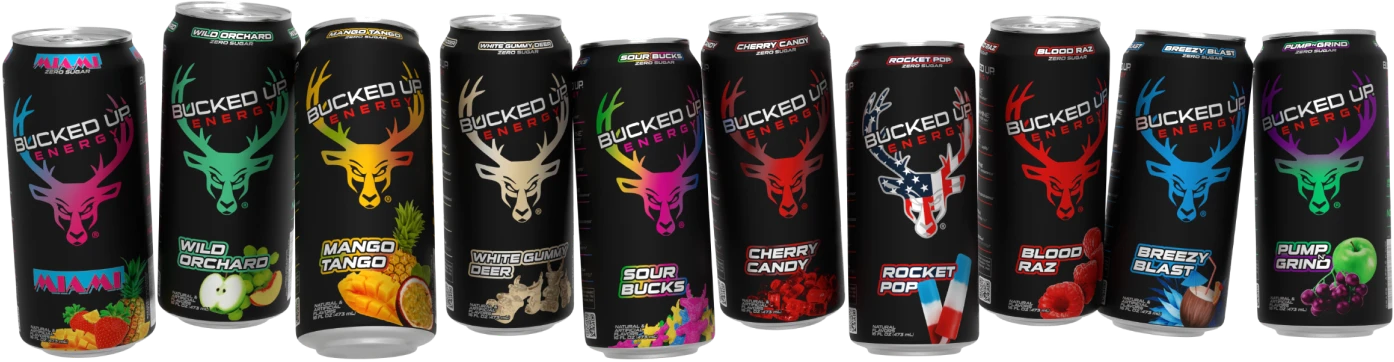
Bucked Up Energy Drink provides 300 mg of caffeine combined with performance-focused nootropics.1 AlphaSize® supports mental focus, Dynamine™ can elevate mood with fewer jitters, and TeaCrine® helps deliver more sustained energy.1 See the full ingredient breakdown. Customer testimonials report experiences such as, “This energy drink keeps me going all day. I even feel energized in the afternoon just drinking one in the morning,” and, “Very solid energy drink, it gets me through the day very well, I don’t crash at all during the day.” Many users choose a mid-morning serving to support focus through the afternoon without the heavy slump some traditional caffeinated drinks can bring.1
14. LFG Energy Drink for Intense Focus Days
On high-intensity days that demand strong concentration, LFG Energy provides 200 mg of natural caffeine with AlphaSize® for focus and MitoBurn® to support metabolism.1 Review the full formula here. This higher-stimulant option suits users who want cognitive support paired with metabolism and fat-burning support during demanding work or study blocks.1
15. Babe Energy Drink for Balanced, Targeted Support
Babe Energy offers 100 mg caffeine equivalent from enfinity paraxanthine in a formula marketed toward women seeking clean energy, focus, and mood support.1 The blend includes AlphaSize® for focus plus Paradoxine® and MitoBurn® for thermogenic and fat-burning support, aiming for sustained energy without heavy overstimulation.1 Explore the full Babe Energy ingredient profile.
Find Bucked Up products near you for more steady, crash-conscious energy support.
Quickest Ways to Fix Fatigue Today
When mental fatigue hits hard, use this 15-minute reset protocol that tackles several triggers in sequence. Drink 16 oz of water first to restore hydration, which can quickly support cognitive function. Take a 5-minute brisk walk outdoors to increase oxygen flow to your brain. Practice three rounds of 4-7-8 breathing to calm your nervous system and ease stress. Eat a handful of nuts or fruit to stabilize blood sugar, then sip a Bucked Up Energy Drink for performance-focused energy that builds on these foundations.1
Practical Daily Routine Template for All-Day Focus
Build your anti-fatigue routine by stacking these strategies across the day. At 7 AM, drink 16 oz of water and, if it fits your needs, add a Bucked Up Energy Drink. At 8 AM, take a 20-minute outdoor walk. At 10 AM, start your first Pomodoro work block. At 12 PM, eat a nutrient-dense lunch and take a brief nature or journaling break. At 2 PM, do a 5-minute breathing exercise. At 4 PM, have a healthy snack and check your hydration. At 6 PM, add light physical activity. At 9 PM, shut down screens to prepare for quality sleep. This schedule combines free daily habits with targeted energy support to help maintain cognitive performance.
FAQ Section
Are energy drinks bad for you?
Energy drinks can have both positive and negative effects, depending on ingredients, how often you drink them, and your personal tolerance. When they use well-studied ingredients and you consume them responsibly, they can support increased energy, improved focus, and better performance.1 Bucked Up focuses on scientifically backed ingredients and avoids excessive sugar to help reduce potential downsides while supporting cognitive benefits.
What are the benefits of Bucked Up Energy Drinks?
Bucked Up Energy Drinks aim to provide enhanced energy, sharp mental focus, and improved mood through a blend of caffeine and nootropics described in tip 13.1 These formulas are designed for performance enhancement rather than simple stimulation and seek to offer sustained energy with fewer jitters and less of a crash than many traditional energy drinks.1
What distinguishes Bucked Up from other energy drinks?
Bucked Up differentiates its products by incorporating nootropics and mood-supporting compounds that go beyond basic caffeine. The brand highlights transparency in ingredient sourcing and offers several targeted formulations for different goals instead of a single one-size-fits-all option. Learn more about the full Bucked Up lineup.
Do Bucked Up Energy Drinks cause jitters or crashes?
Bucked Up products are formulated to help minimize jitters and crashes through ingredients such as TeaCrine®, which supports more sustained energy, and by adjusting caffeine levels across product lines.1 Individual responses vary, so checking serving sizes and your own tolerance remains important.
What role do AlphaSize®, Dynamine™, and TeaCrine® play?
AlphaSize® supports mental focus and cognitive function, which can promote sharper concentration.1 Dynamine™ contributes to smoother energy and mood support with fewer jitters for many users.1 TeaCrine® works similarly to caffeine but tends to provide longer-lasting energy with slower tolerance buildup, and it often works alongside caffeine for sustained performance.1
What are common mental fatigue symptoms?
Mental fatigue often shows up as difficulty concentrating, feeling mentally drained, slower processing speed, and reduced productivity. Many people also notice poorer decision-making, more distractibility, and mood changes. These symptoms frequently connect to sleep debt, chronic stress, dehydration, or cognitive overload from demanding tasks or environments.
Build Your Anti-Fatigue Routine
Mental fatigue does not have to dominate your productivity or well-being. Start with free basics such as solid sleep, hydration, and regular movement, then add time management tools like Pomodoro sessions and mindfulness breaks. When you want additional cognitive support, Bucked Up Energy Drinks can provide performance-focused energy and focus for demanding days.1
Mix and match these 15 strategies based on your schedule, energy levels, and specific challenges. Consistent small actions can compound into meaningful improvements in mental clarity and cognitive resilience.
Stock up on Bucked Up Energy for consistent cognitive support.1
1 The content provided in this article is for informational purposes only and is not medical advice. Consult with a medical professional before implementing any changes to your diet, health, or exercise routines.
Individual results will vary and are based on a combination of each individual’s diet, exercise, age, and health circumstances.
These statements have not been evaluated by the Food and Drug Administration. This product is not intended to diagnose, treat, cure or prevent any disease.
This article was written by Ryan Gardner, CEO of Bucked Up. As the maker of Bucked Up Energy Drinks, we have a financial interest in this information. The views expressed are our own and should be read with that context in mind.