
Key Takeaways
- Convenient mass gainers help athletes meet high calorie needs when busy schedules make full meals hard to fit in.
- Powders, ready-to-drink shakes, bars, and newer formats each offer different tradeoffs in calories, cost, and portability.
- Matching your mass gainer format to your real schedule, digestion, and taste preferences improves long-term consistency.
- Effective mass gainers balance calories, digestion, ingredient quality, and extras like creatine for performance support.*
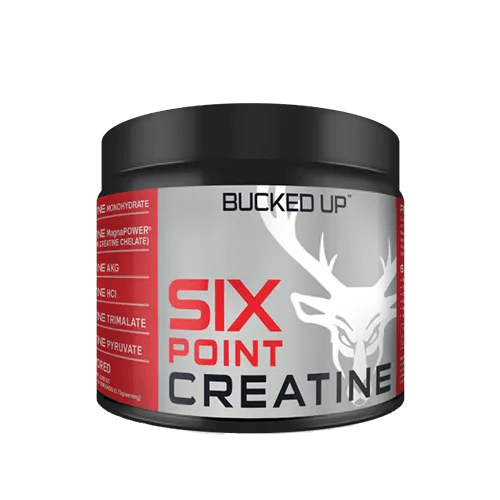
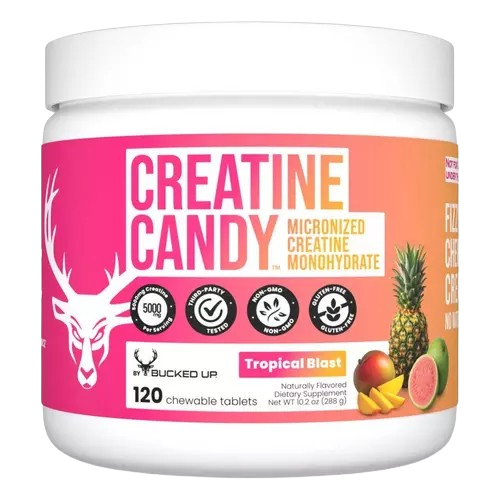
- Bucked Up Creatine offers a convenient way to support strength and performance alongside your mass gainer, with options tailored to different training goals.*
Traditional mass gainers often deliver 600 to over 1,250 calories per serving, which can be a major help when you need more fuel than normal meals can comfortably provide. The real difference comes from how easily that product fits into your daily routine.
For athletes with packed days, a tub of powder that takes five minutes to prepare and creates cleanup can feel like more work than it is worth. The right format saves time, travels well, and feels easy to use, so you actually stick with it.
Why Convenience Drives Mass Gainer Success
Convenience covers far more than mix time. Athletes benefit when a product scores well in areas like:
- Preparation needs, such as shaker only versus blender and multiple ingredients
- Portability in gym bags, backpacks, or carry-ons
- Storage, including room temperature stability or refrigeration
- Digestive comfort and how heavy it feels in your stomach
- Taste and texture that make daily use realistic
Many effective weight-gain powders deliver 500 to 1,200 calories and 40 to 60 grams of protein per serving, but those numbers only help if you use the product consistently.
Products that taste good, sit well, and take almost no effort to use create a habit you can maintain during busy seasons, travel, and heavy training blocks. This steady intake usually beats chasing the most complex formula that you rarely drink.
What Makes a Mass Gainer Both Convenient and Effective
Clear criteria simplify your choice. Strong options usually check most of these boxes:
- Simple prep: Single scoop into water or milk, shaken in a bottle, tends to be the sweet spot. Products that need blenders or multiple ingredients feel less convenient over time.
- Portable format: Look for packaging or single-serve options that fit easily in a bag and do not spill. Flavor and mixability consistently show up as key reasons athletes stick with a product.
- Calorie density with comfort: Higher calories per serving mean fewer shakes per day, but extremely dense blends can cause bloating for some people.
- Reasonable storage needs: Shelf-stable powders or bars work better for travel than options that require constant refrigeration.
- Helpful extras: Some gainers include added creatine, which can support strength, power, and muscle growth while reducing the number of separate supplements you need.*
Comparing Convenient Mass Gainer Formats
Powdered Mass Gainers
Powders remain the standard choice for many athletes. Calorie ranges run from leaner 300 calorie servings up to extreme formulas that exceed 2,000 calories.
Key advantages include:
- Flexible serving sizes to match changing calorie needs
- Lower cost per calorie than most other formats
- Ability to mix with water, milk, or smoothies for variety
Main drawbacks include the need for a shaker or blender, possible clumping with lower-quality powders, and more cleanup than grab-and-go options.
Ready-to-Drink (RTD) Shakes
Ready-to-drink shakes deliver maximum speed. You open, drink, and move on. These work well for:
- Post-workout nutrition when you leave the gym quickly
- Travel days when you lack kitchen access
- Early mornings when you do not want to measure or mix
They usually provide fewer calories per bottle than a heavy powder shake and cost more per serving. Many options also need refrigeration for best taste, which can limit flexibility.
Mass Gainer Bars and Snacks
Bars and similar snacks offer high portability and zero prep. Most range from about 300 to 600 calories per bar and fit easily into a pocket or glove box.
They tend to work best as:
- Between-meal calorie boosts
- Emergency backup options when you miss a meal
- Support during long work or school days
The solid texture can feel more filling than a shake, which can help or hurt depending on how many calories you need to take in.
Hybrid and Innovative Formats
Newer options, such as higher-calorie gummies or chewable products, focus on taste, variety, and discretion. These formats can make supplementation feel less like a chore and more like a small snack.
They usually provide fewer calories per serving, so athletes often need several servings across the day. For those who dislike large shakes or feel full quickly, these smaller, spread-out doses can be more comfortable.
Convenient Format Comparison at a Glance
|
Format Type |
Convenience Level |
Typical Calories/Serving |
Best Use Case |
|
Powdered Shake |
Medium to high |
600 to 1,250+ |
Home or gym with a shaker and a few spare minutes |
|
Ready-to-Drink |
Very high |
300 to 600 |
On the go, travel, or post-workout rush |
|
Mass Gainer Bars |
High |
300 to 600 |
Unpredictable days and long stretches between meals |
|
Innovative Formats |
Very high |
100 to 300 |
Supplemental calories and added variety |
Real-World Examples of Matching Format to Lifestyle
Variable schedules often benefit from mixing formats. A college athlete with shifting class times might rely on a powdered shake after training, then keep bars in a backpack for gaps between lectures.
Structured routines usually allow for more involved prep. A physique athlete with predictable days can lean on a higher calorie powdered gainer, since blender use and cleanup fit easily into the schedule.
Travel-heavy jobs tend to favor RTD shakes and compact snacks. A sales professional who trains early can drink a bottle in the car, keep extra in the hotel room, and avoid spills or powder messes.
Goals also shape the ideal choice. Those chasing pure mass may lean toward roughly 30 percent protein, 50 percent carbohydrate, and 20 percent fat, while lean gain plans may shift closer to 40 percent protein, 40 percent carbohydrate, and 20 percent fat. Lower-calorie, higher-protein options can suit athletes who want more muscle without a large jump in body weight.
Looking Beyond Calories for Total Value
Macronutrients matter, but they do not tell the whole story. Some gainers include creatine monohydrate to support strength, power output, and muscle growth, which can remove the need for a separate creatine product.*
Digestive support can also make a big difference. High-quality gainers usually rely more on balanced carbs and proteins than large amounts of added sugar, and some include enzymes or gut-friendly ingredients to reduce bloating and discomfort.
Ingredient quality, third-party testing, and avoidance of unnecessary additives can support long-term confidence, especially for athletes who undergo drug testing or compete at higher levels.
Cost per serving is only part of the value equation. A slightly more expensive but truly convenient product that you finish every month often delivers better results than a cheaper tub that gathers dust on the shelf.
Simple Framework for Choosing Your Convenient Mass Gainer
Start with your schedule. Note when you train, how often you travel, and how much kitchen access you really have. Align your gainer choice with your primary goal, body type, and activity level, rather than forcing a complex option into a chaotic day.
Clarify your main objective. Decide whether you want maximum weight gain, lean muscle, or modest calorie support on top of an already strong diet. Choose a calorie level and format that match that target.
Assess prep tolerance honestly. If you enjoy mixing big shakes, powdered gainers may be ideal. If you feel rushed most days, ready-to-drink or bar options will likely work better.
Filter by taste, digestion, and budget. Pick flavors you look forward to, formulas that sit well, and products that fit your monthly supplement spend. Testing a small size before buying in bulk can save money and frustration.
Frequently Asked Questions about Convenient Mass Gainers
Mass gainer use for more than hardgainers
Mass gainers can help any athlete who struggles to eat enough through whole foods alone, whether the challenge comes from a fast metabolism, limited appetite, long practices, or a demanding job. The key is choosing a calorie level and format that supports your goals, whether that means maximum size or leaner muscle gain.
Using a mass gainer as a meal replacement
Mass gainers work best as supplements to your normal meals. They usually lack the fiber, micronutrient variety, and chewing satisfaction that full meals provide. Many athletes use them as calorie-dense snacks or post-workout shakes when cooking is not practical.
Creatine content in convenient mass gainers
Some mass gainers contain creatine, while others do not. Even when creatine is included, the dose may fall below the typical 3 to 5 gram daily range used for performance support. Athletes who want a consistent creatine intake often choose a separate creatine product alongside their gainer.*
Reducing bloating or stomach upset
Stomach issues often improve when you start with partial servings, sip more slowly, and avoid very high sugar blends. Many athletes feel better with gainers that include digestive enzymes, avoid certain sweeteners they do not tolerate well, and are taken at times that do not pile a shake on top of a large meal.
Best time to take a convenient mass gainer
Post-workout is a popular time due to increased nutrient uptake, but the best time is the one you can hit consistently. Some athletes drink a shake in the morning to front-load calories, while others prefer evening use to close any gaps in their daily intake.
Disclaimer: These statements have not been evaluated by the Food and Drug Administration. This product is not intended to diagnose, treat, cure, or prevent any disease.