Last updated: April 16, 2026
Key Takeaways: Nootropic Drinks vs Coffee and Traditional Energy Drinks
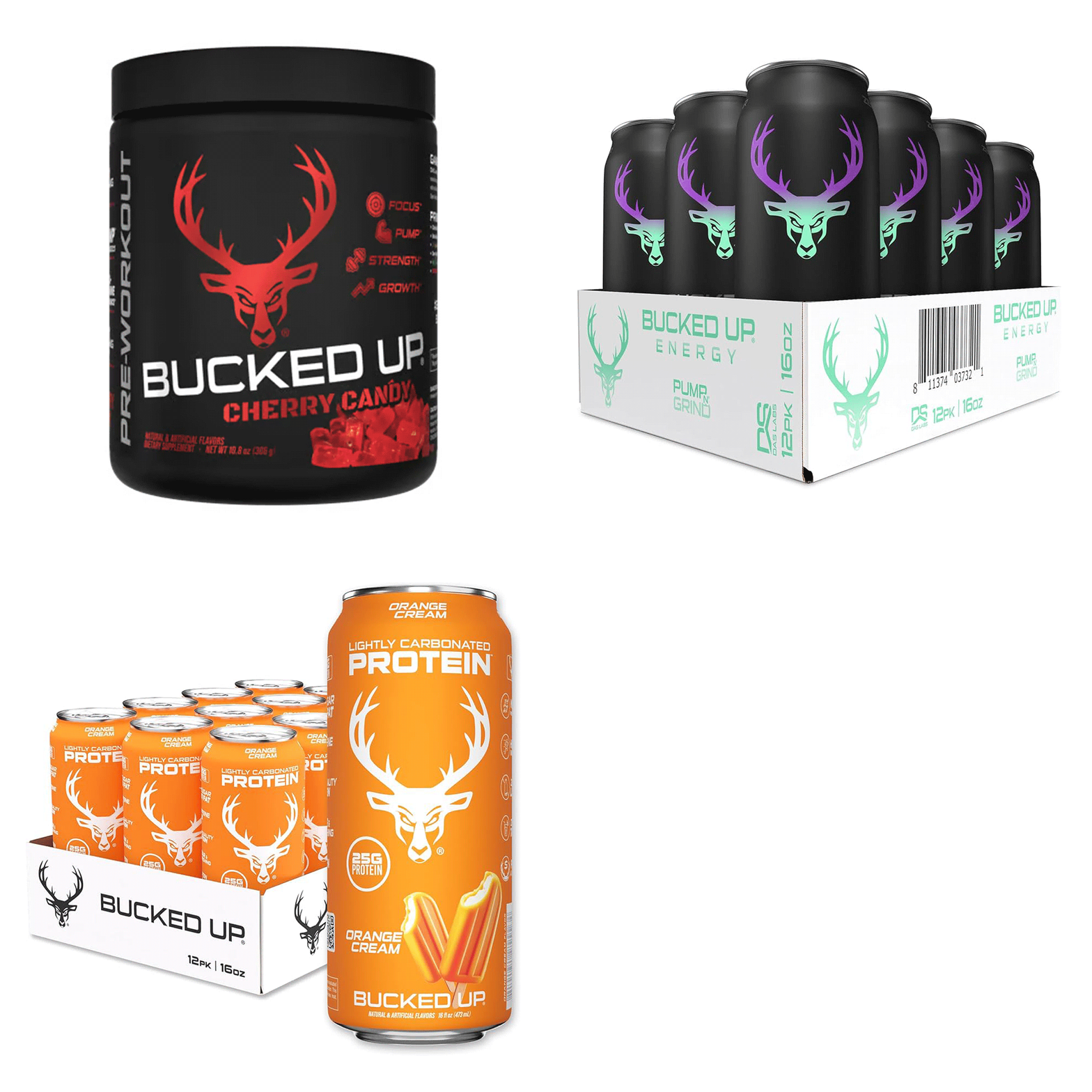
- Nootropic drinks like Bucked Up provide sustained energy with 150-300mg caffeine plus nootropics such as AlphaSize®, TeaCrine®, and Dynamine™, which can extend energy duration and reduce crash risk compared to many traditional energy drinks and coffee.1
- They enhance cognitive functions including focus, mood, and memory through targeted ingredients, supporting mental performance alongside physical energy.1
- Bucked Up discloses key active ingredients and is made in USA GMP-certified facilities, which supports consistent ingredient quality compared to products that can use proprietary blends.
- These drinks can suit students, professionals, and shift workers who need both steady energy and mental clarity without sharp spikes and crashes.
- Experience premium nootropic energy tailored to your needs with Bucked Up—explore our energy drink lineup to find a performance boost that fits your routine.1
How This Comparison Evaluates Your Energy Options
Choosing an energy source works best when you compare several factors side by side. Key criteria include energy duration and crash potential, cognitive enhancement capabilities, ingredient transparency, side effect profiles, suitability for different use cases, value, and convenience. Consider how each option performs against these criteria to find the best fit for your needs. Manufacturing quality also matters when comparing options, and Bucked Up energy drinks are manufactured in USA GMP-certified facilities to support consistent ingredient quality and safety standards.
With these evaluation criteria in mind, the next table gives an at-a-glance comparison of how nootropic drinks, traditional energy drinks, and coffee stack up across the most important attributes.
Quick Comparison Overview of Nootropic Drinks, Energy Drinks, and Coffee
| Attribute | Nootropic Drinks (Bucked Up) | Traditional Energy Drinks | Coffee |
|---|---|---|---|
| Caffeine Content | 150-300mg + nootropics | 80-160mg (often proprietary) | A 12-ounce cup of brewed coffee contains approximately 113 to 247 mg of caffeine, varying depending on the type of coffee, size of cup, preparation, and other factors. |
| Nootropic Ingredients | AlphaSize®, Dynamine™, TeaCrine® | Can use none | Can use none |
| Energy Duration | Sustained | Quick spike possible | Variable with tolerance buildup |
| Cognitive Enhancement | Focus, mood, memory support | Basic stimulation possible | Alertness possible |
| Crash Risk | Low | Crash potential | Medium |
The sections below expand on this table and walk through each comparison criterion in more detail so you can match an option to your specific situation.
Head-to-Head Breakdown by Criteria
Energy Profile Across Bucked Up, Traditional Drinks, and Coffee
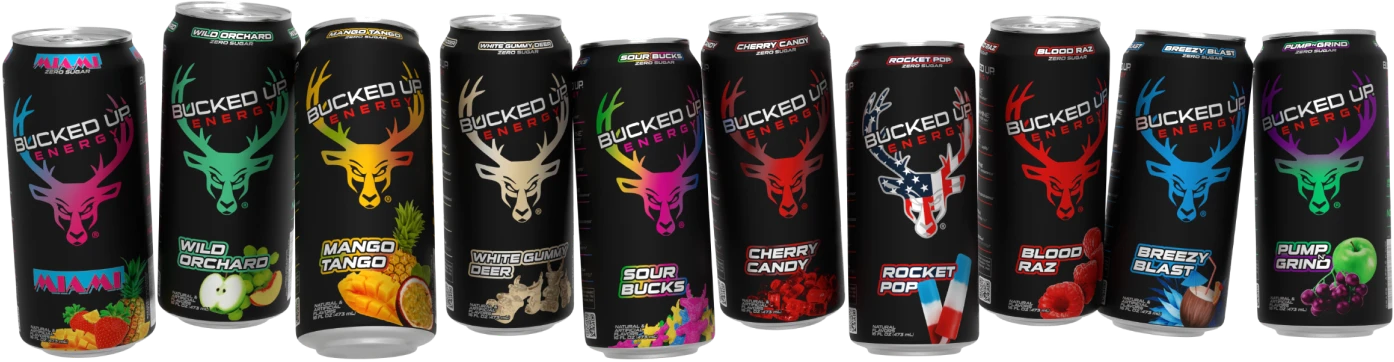
Energy profile depends on both caffeine amount and supporting ingredients. Bucked Up Energy Drinks provide sustained energy through strategic caffeine dosing combined with TeaCrine®, which works alongside caffeine to support longer-lasting effects.1 The flagship Energy contains 300mg caffeine, LFG provides 160mg for moderate stimulation, while Babe offers 150mg of natural caffeine from yerba mate. Traditional energy drinks like Monster and Red Bull typically contain 80-160mg caffeine with high sugar content. Coffee offers variable caffeine levels and can contribute to tolerance buildup, which may lead some people to increase intake over time.
Cognitive Benefits and Focus Support
L-Theanine paired with caffeine can reduce jitters and promote relaxed alertness by increasing alpha brainwave activity. Bucked Up incorporates AlphaSize® Alpha-GPC for focus support, Dynamine™ for mood support, and Huperzine-A for memory support.1 Traditional energy drinks mainly provide basic stimulation, while coffee primarily supports alertness without dedicated nootropic ingredients.
Ingredient Transparency and Label Details
Bucked Up discloses specific dosages for some active compounds like caffeine (300mg) but not for all, such as beta-alanine and taurine. Each formula includes nootropics alongside caffeine, taurine, and B-vitamins. Traditional energy drinks can use proprietary blends without revealing individual ingredient amounts, which makes it harder to assess effectiveness or compare products directly.
Side Effects and Tolerance Considerations
Balanced formulations can help reduce common side effects like jitters and hard crashes. As noted earlier, the L-Theanine and caffeine pairing supports a calmer, more focused state compared to caffeine alone.1 Traditional energy drinks with high sugar and unbalanced stimulant profiles can cause jitters, anxiety, and energy crashes for some users.
The table below breaks down the specific ingredient profiles that influence side effect potential, so you can see how Bucked Up compares to traditional options.
| Product | Caffeine (mg) | Key Nootropics | Additional Compounds |
|---|---|---|---|
| Bucked Up Energy | 300 | TeaCrine®, Dynamine™, Alpha-GPC | Beta-alanine, L-Theanine |
| LFG Energy | 160 | Nootropics | Other compounds |
| Babe Energy | 150 (natural) | Nootropics | Other compounds |
| Red Bull/Monster | 80-160 | None | Red Bull discloses 1000 mg of taurine per 250 ml serving and Monster discloses 1000 mg per 16 fl. oz can. |
When to Choose Each: Practical Use Case Applications
Students and professionals may benefit from Bucked Up’s cognitive enhancement features, particularly the flagship Energy with its higher caffeine content and nootropic stack for demanding mental tasks.1 Shift workers and tradesmen who need sustained physical energy without pronounced crashes can consider LFG or the standard Energy formulation.1 Event-goers seeking mood support alongside energy can look at Dynamine™-containing formulations.1 Coffee remains suitable for basic alertness needs, while traditional energy drinks offer quick stimulation for short windows of time.
For those seeking performance enhancement, find your ideal formula to match your specific energy and cognitive needs. Use our store finder to locate nearby options if you prefer to buy in person.
Tradeoffs and Limitations of Nootropic Energy Drinks
Nootropic drinks typically cost more than basic coffee or traditional energy drinks because they use premium ingredients and research-backed formulations. This higher price can be a barrier for budget-conscious buyers, so Bucked Up offers varied caffeine levels across its product line, which can help match both tolerance and price preferences. Regardless of which option you choose, all energy products require responsible consumption and attention to individual caffeine sensitivity to avoid overstimulation or sleep disruption.
Value and Total Cost Considerations Over Time
While nootropic drinks command higher prices than basic alternatives, their enhanced effectiveness and reduced need for multiple servings can provide better value per performance hour. For example, if a single nootropic drink sustains your focus for several hours while coffee requires two or three cups to feel similar support, the per-hour cost can become comparable. The cognitive and mood benefits can further justify the premium for users who need peak performance, especially when improved focus helps you complete work faster or with fewer errors. Evaluate value based on your specific needs, workload, and usage patterns.
Decision Framework for Choosing Your Energy Source
Nootropic drinks like Bucked Up work well when you want cognitive enhancement alongside sustained energy.1 Traditional energy drinks fit quick, short-term stimulation needs when you care less about focus support. Coffee suits situations where basic alertness and low cost matter more than added nootropic ingredients. Match each option to your performance goals, budget, and sensitivity to caffeine.
Frequently Asked Questions
Are nootropics better than standard energy drinks?
Nootropics offer cognitive enhancement alongside sustained energy, while standard energy drinks mainly deliver basic stimulation through caffeine and sugar. Nootropic formulations like Bucked Up include compounds such as AlphaSize® for focus, TeaCrine® for sustained energy, and Dynamine™ for mood support.1 Compare these added cognitive benefits with your mental and physical energy needs when deciding between categories.
Do nootropic drinks actually work?
Nootropic drinks can be effective when they use research-backed ingredients at appropriate dosages. The key lies in ingredient selection and how compounds interact. For example, L-Theanine combined with caffeine has demonstrated benefits for focus and alertness while reducing jitters. Bucked Up’s formulations include established nootropics like AlphaSize® Alpha-GPC for cognitive function and TeaCrine® for sustained energy, which can provide measurable benefits beyond basic caffeine stimulation.1
How does Bucked Up compare to other nootropic drink brands?
Bucked Up provides transparent ingredient disclosure, comprehensive nootropic stacks, and varied caffeine levels across product lines. Some competitors can use proprietary blends. The brand offers three distinct formulations: Energy (300mg caffeine), LFG (160mg), and Babe (150mg natural caffeine), which allows users to select stimulation levels that align with their preferences while maintaining cognitive enhancement benefits.
Can nootropic drinks cause jitters or crashes?
Quality nootropic drinks can minimize jitters and crashes through balanced formulations and synergistic ingredients. TeaCrine® works with caffeine to support smooth, sustained energy, while L-Theanine can help reduce caffeine-induced anxiety. The absence of excessive sugar and the inclusion of mood-supporting compounds like Dynamine™ can further reduce crash potential compared to many traditional energy drinks.1
How often should I consume nootropic energy drinks?
Consumption frequency depends on individual caffeine tolerance, lifestyle demands, and product selection. Bucked Up’s varied caffeine levels allow for flexible usage, and the 150mg Babe formulation can support regular use for many individuals, while the 300mg Energy version suits occasional high-demand situations. Limiting intake to one serving per day and avoiding consumption within six hours of bedtime helps support healthy sleep patterns and may slow tolerance buildup.
Conclusion: Matching Nootropic Drinks, Energy Drinks, and Coffee to Your Needs
Choosing between nootropic drinks, traditional energy drinks, and coffee works best when you align the option with your performance needs and budget. If you need sustained energy with cognitive enhancement for demanding mental work or long shifts, nootropic formulations like Bucked Up can justify their premium through reduced crashes and added focus support.1 Coffee remains a practical choice for basic alertness on a tight budget, while traditional energy drinks offer quick stimulation with fewer cognitive benefits and a higher chance of crashes for some users. Try Bucked Up’s nootropic energy drinks to experience how targeted ingredients feel in your own routine, and use our store finder if you prefer to pick them up locally.
1 The content provided in this article is for informational purposes only and is not medical advice. Consult with a medical professional before implementing any changes to your diet, health, or exercise routines.
Individual results will vary and are based on a combination of each individual’s diet, exercise, age, and health circumstances.
These statements have not been evaluated by the Food and Drug Administration. This product is not intended to diagnose, treat, cure or prevent any disease.
This article was written by Ryan Gardner, CEO of Bucked Up. As the maker of Bucked Up Energy Drinks, we have a financial interest in this information. The views expressed are our own and should be read with that context in mind.