Last updated: April 17, 2026
Key Takeaways
- Caffeine and L-theanine together create calm, steady alertness, easing jitters while supporting focus and energy.1
- A 2:1 L-theanine to caffeine ratio, such as 100–200mg L-theanine with 50–100mg caffeine, often supports clear thinking and focus.1
- Research links this combo to better mental clarity, longer-lasting energy, less anxiety, and higher productivity.1
- Daily use can be safe for many healthy adults when total caffeine stays under 400mg, according to current guidance.
- Bucked Up Energy Drinks deliver caffeine, L-theanine, and added nootropics like AlphaSize® and TeaCrine® in a ready-to-drink format.
How Caffeine and L-Theanine Work Together
Caffeine stimulates the central nervous system and increases alertness and energy.1 L-theanine is an amino acid found naturally in tea leaves that supports relaxation and focus without making you drowsy.1 Combined, they can create a balanced cognitive state often described as calm alertness.1 L-theanine influences GABA levels and promotes alpha brain wave activity, which helps counter the jitters and anxiety that sometimes come with caffeine.1 Recent research by Tuncer et al. (2026) examined this combination in competitive athletes and added to current understanding of how these compounds interact. These mechanisms translate into practical benefits for daily focus, mood, and performance.1
Key Benefits of Caffeine with L-Theanine
The caffeine and L-theanine combination can provide several advantages compared to caffeine alone.1
Enhanced Focus and Mental Clarity: Haskell et al.’s 2008 study tested 250mg L-theanine with 150mg caffeine in a placebo-controlled trial and reported improvements in attention and mental performance.1
Reduced Jitters and Anxiety: L-theanine supports higher GABA and serotonin activity, which can offset caffeine-related nervousness and restlessness.1 Ubie Health’s 2026 review notes that this combination can promote jitter-free focus for many users.1
Longer-Lasting Energy and Better Mood: Owen et al.’s 2008 research found that 100mg L-theanine with 50mg caffeine improved performance on demanding attention-switching tasks.1 Participants maintained steady focus and reported better overall mood during testing, which suggests more sustained energy compared to caffeine alone.1
| Benefit | Mechanism | Source |
|---|---|---|
| Enhanced Focus | Increase in alpha brain wave activity | Haskell et al. 2008 |
| Reduced Jitters | GABA modulation and calming neurotransmitter support | Ubie Health 2026 |
| Longer-Lasting Energy | Combined stimulant and calming effects | Owen et al. 2008 |
The benefits shown in these studies translate well to real-world situations. Students can use the combination for long study sessions, professionals can rely on it during demanding workdays, and shift workers can support alertness across changing schedules.
Caffeine L-Theanine Dosage and Practical Ratios
Many studies and expert reviews point toward a 2:1 L-theanine to caffeine ratio for cognitive support.1 A common approach pairs 100–200mg L-theanine with 50–150mg caffeine. Personal factors such as caffeine tolerance, body weight in lbs, and overall sensitivity should guide final dosing choices.
| Experience Level | Caffeine (mg) | L-Theanine (mg) | Source |
|---|---|---|---|
| Beginner | 50 | 100 | 2:1 ratio guideline |
| Intermediate | 100 | 200 | 2:1 ratio guideline |
| Advanced | 150 | 300 | 2:1 ratio guideline |
| Bucked Up Energy | 300 | Undisclosed + nootropics | Product label |
Bucked Up Energy Drinks provide 300mg caffeine with L-theanine and additional nootropics like AlphaSize®, Dynamine™, and TeaCrine® for cognitive and performance support.1 This ready-to-drink format removes the need for measuring powders or capsules and delivers a consistent formula every time.
Safety, Side Effects, and Smart Use
Caffeine with L-theanine can be a good fit for many people when used responsibly. The Alzheimer’s Drug Discovery Foundation’s 2025 review reports that L-theanine appears safe and can support cognitive function when combined with caffeine.1 Ubie Health’s 2026 guidance recommends that healthy adults stay under 400mg total caffeine per day.
Some people may experience mild side effects such as headaches or slight gastrointestinal discomfort, especially at higher doses.1 Morning or midday use works best for most users, because intake within 6–8 hours of bedtime can interfere with sleep. Drinking enough water supports overall comfort and may reduce the chance of side effects.
Personal caffeine sensitivity, daily schedule, and goals should guide your approach. Decide whether a DIY stack or a ready-to-drink option fits your routine and comfort level with measuring and tracking ingredients. When choosing a ready-to-drink option, formulation quality and clear labeling become especially important.
How Bucked Up Energy Drinks Approach Caffeine and L-Theanine
Bucked Up Energy Drinks focus on transparent formulas and nootropic support alongside caffeine and L-theanine. These beverages are manufactured in USA GMP-certified facilities and aim to provide more than basic caffeine stimulation.
Bucked Up Energy Drink: This drink contains 300mg caffeine with L-theanine plus AlphaSize® for focus, Dynamine™ for mood support, and TeaCrine® for sustained energy.1 The formula targets daily performance, including mental clarity and training intensity.1
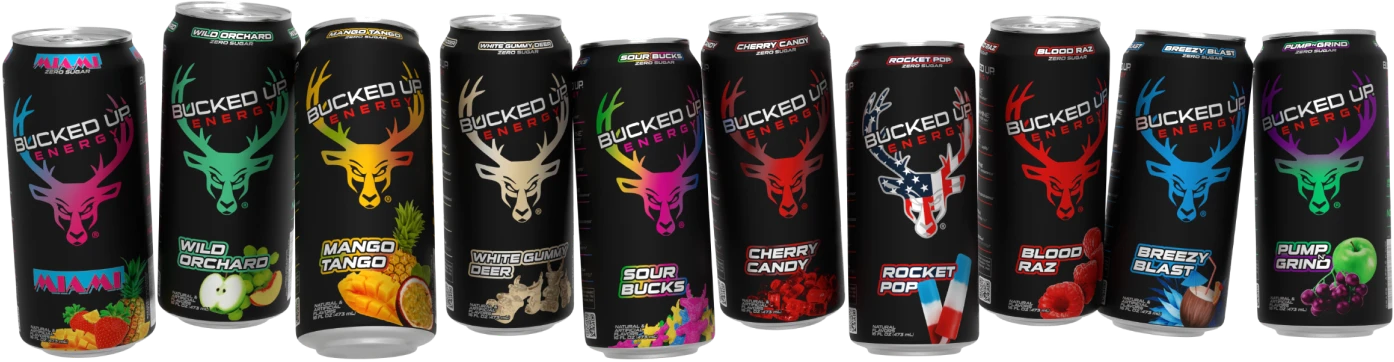
LFG Energy Drink: This option features 160mg caffeine with L-theanine. It is designed for high-intensity situations and includes ingredients like Paradoxine® and MitoBurn® that support fat-burning and workout performance.1
Babe Energy Drink: This drink provides 150mg natural caffeine from InnovaBean® with L-theanine. It is formulated for women who want clean energy and cognitive support in a lighter profile.1
Many popular energy drinks, such as Red Bull or Monster Energy, can rely mainly on caffeine and sugar for their effects. Bucked Up products instead include research-backed nootropics and disclose ingredients clearly on the label. This approach reduces guesswork for people who want caffeine, L-theanine, and additional cognitive support in one can.1
DIY Caffeine Stacks vs Ready-to-Drink Energy Options
People who use caffeine and L-theanine often choose between DIY stacks and ready-to-drink energy beverages. Each method has trade-offs in convenience, precision, and extra benefits.
| Method | Caffeine/L-Theanine | Pros | Cons |
|---|---|---|---|
| Pills/Powder | Variable dosing | Flexible, often cost-effective | Messy, requires measuring and tracking |
| Coffee + L-Theanine | Inconsistent ratios | Familiar daily routine | Hard to achieve precise dosing |
| Bucked Up Energy | 300mg caffeine + L-theanine + nootropics | Convenient, consistent, includes added ingredients | Higher cost per serving |
Ready-to-drink options like Bucked Up remove measurement errors and provide a fixed formula that includes more than just caffeine and L-theanine. DIY stacks can still work well for people who enjoy fine-tuning doses and do not mind extra preparation.
Common Mistakes with Caffeine and L-Theanine
Several recurring mistakes can reduce the benefits of this combination. The most serious issue involves taking very high caffeine doses that overpower L-theanine’s calming support.1 Even when total caffeine stays moderate, using ratios that stray far from common guidelines can blunt the desired balance between focus and relaxation.
Timing also matters. Late-day intake can disrupt sleep, even when the ratio looks solid on paper. Finally, choosing sugar-heavy energy drinks can add rapid spikes and crashes that work against the smoother energy profile many people want from caffeine and L-theanine. Paying attention to dose, ratio, timing, and product quality helps you get more from this stack.
FAQ
What are the side effects of caffeine with L-theanine?
Side effects tend to be minimal for most healthy adults. Research indicates that L-theanine is generally well-tolerated, with occasional mild headaches or gastrointestinal discomfort at very high doses. Many people actually notice fewer caffeine-related side effects, such as jitters, when they pair caffeine with L-theanine.1
Is caffeine with L-theanine good for ADHD and focus?
Some research suggests benefits for attention and focus. A 2026 systematic review in BMC Psychiatry reported that L-theanine with caffeine improved cognitive performance and inhibitory control in several ADHD studies.1 Individual responses still vary, so medical guidance remains important for people with ADHD.
Are there energy drinks with caffeine and L-theanine?
Yes. Bucked Up Energy Drinks include caffeine and L-theanine along with nootropics like AlphaSize®, Dynamine™, and TeaCrine®. These drinks provide a consistent formula and remove the guesswork involved in building your own stack from separate supplements.
How often can I use caffeine with L-theanine?
Many people use this combination daily within the recommended limits discussed earlier. Medical guidance emphasizes moderation, awareness of personal tolerance, and avoiding late-day use that could interfere with sleep.
How does caffeine with L-theanine compare to coffee?
This combination often feels smoother and more stable than coffee alone. Research shows that L-theanine can modulate caffeine’s effects, reducing anxiety and supporting more consistent cognitive performance.1 Regular coffee does not contain L-theanine in meaningful amounts, so it lacks this balancing effect.
Conclusion
Caffeine and L-theanine together can deliver steady, jitter-free cognitive support that many people find more comfortable than caffeine alone.1 Bucked Up Energy Drinks offer a convenient way to access this pairing along with added nootropics for focus, mood, and sustained energy.1
1 The content provided in this article is for informational purposes only and is not medical advice. Consult with a medical professional before implementing any changes to your diet, health, or exercise routines.
Individual results will vary and are based on a combination of each individual’s diet, exercise, age, and health circumstances.
These statements have not been evaluated by the Food and Drug Administration. This product is not intended to diagnose, treat, cure or prevent any disease.
This article was written by Ryan Gardner, CEO of Bucked Up. As the maker of Bucked Up Energy Drinks, we have a financial interest in this information. The views expressed are our own and should be read with that context in mind.