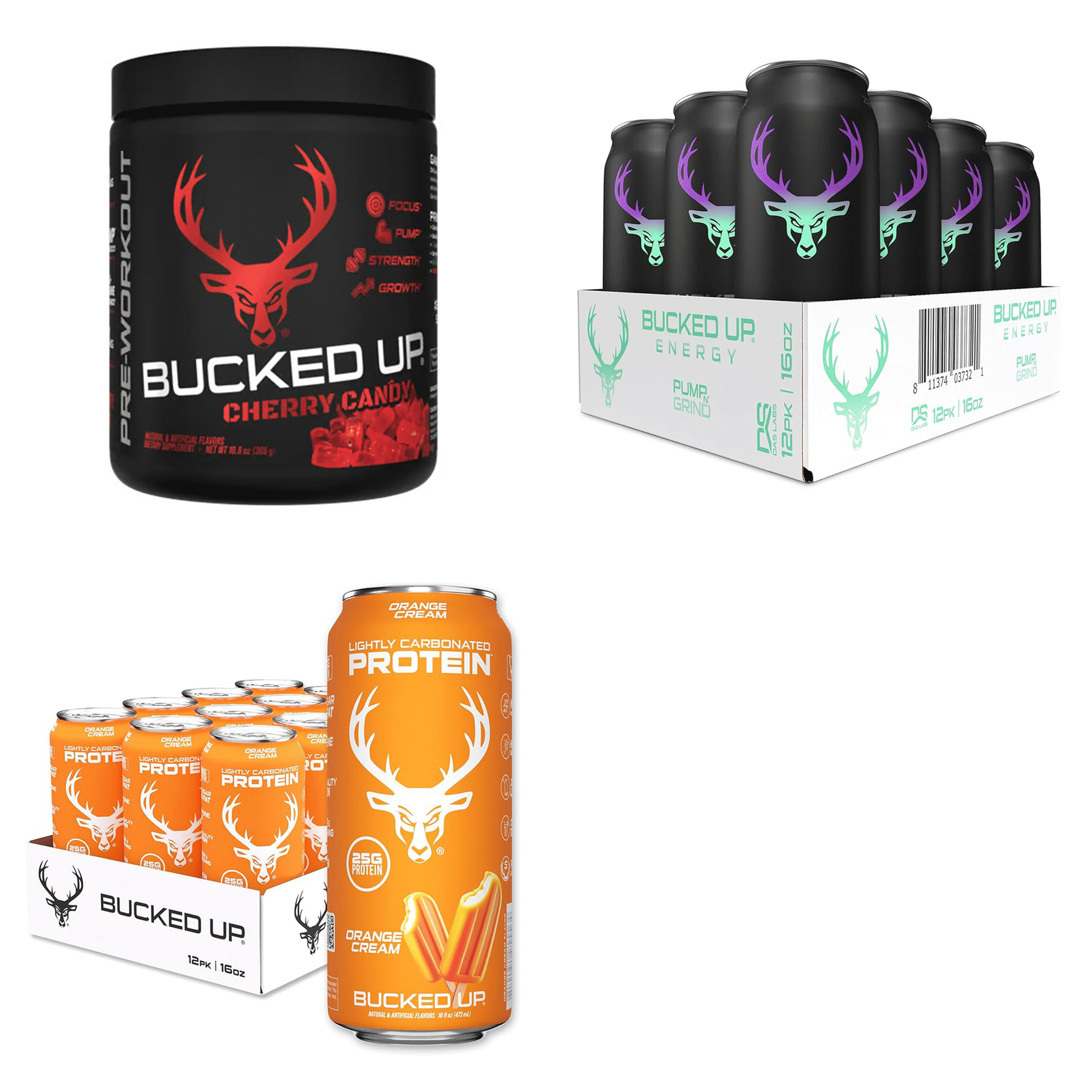
Last updated: April 17, 2026
Key Takeaways
- Healthy adults can generally consume up to 400mg of caffeine per day, which equals about 4–5 cups of coffee.[1]
- Recommended limits drop for other groups: about 200mg for pregnant individuals, 100mg for adolescents, and none for children.
- Popular drinks differ widely in caffeine: brewed coffee (95mg/8oz), Monster (160mg/16oz), Bucked Up Energy (300mg/16oz).
- Too much caffeine can trigger jitters, rapid heartbeat, insomnia, anxiety, and other uncomfortable symptoms.
- Bucked Up Energy drinks pair caffeine with nootropic ingredients to support steady energy within commonly cited safety guidelines.1
Safe Caffeine Limits by Age and Life Stage
Safe daily caffeine limits change based on age, pregnancy status, and overall health. The ranges below come from major health organizations and give a starting point for most people.
- Healthy adults: Up to 400mg per day
- Pregnant individuals: Around 200mg per day
- Adolescents: Up to 100mg per day
- Children: No caffeine is recommended
Bucked Up Energy Drinks range from 150mg to 300mg of caffeine per can and include nootropic compounds such as TeaCrine and Dynamine. Warning signs that your intake is too high include jitters, anxiety, rapid heartbeat, and trouble sleeping.
Caffeine Daily Limit by Group
The table below shows how recommended caffeine limits shift across groups, from zero for children to 400mg for healthy adults. Use these numbers as a reference point when you plan your total intake for the day.
| Group | Daily Limit (mg) | Equivalent Servings | Source |
|---|---|---|---|
| Healthy Adults | 400 | 4-5 cups coffee | FDA |
| Pregnant Women | 200 | 2 cups coffee | Ubie Health |
| Adolescents | 100 | 1 cup coffee | AAP |
| Children | 0 | None recommended | AAP |
Individual sensitivity can vary with body weight, genetics, anxiety levels, sleep quality, medications, and pregnancy status. People with conditions such as atrial fibrillation, anxiety disorders, or hyperthyroidism may need to stay well below general limits.
Is 600mg Too Much?
A daily intake of 600mg of caffeine exceeds commonly cited safe limits for healthy adults and raises the risk of severe jitters, rapid heart rate, and anxiety. Bucked Up Energy Drinks contain up to 300mg of caffeine per serving, which fits within the FDA’s 400mg daily guideline when used as part of an overall plan for the day.1
Caffeine in Common Drinks
Knowing how much caffeine sits in everyday drinks makes it easier to stay within your personal limit. The table below compares popular options so you can see how a single can or cup affects your daily total.
| Beverage | Serving Size | Caffeine (mg) | Source |
|---|---|---|---|
| Brewed Coffee | 8 oz | 95 | ThirstyBear |
| Coca-Cola | 12 oz | 34 | ThirstyBear |
| Red Bull | 8.4 oz | 80 | ThirstyBear |
| Monster Energy | 16 oz | 160 | ThirstyBear |
| Bucked Up Energy | 16 oz | 300 | Product Label |
Total caffeine adds up quickly once you combine coffee, soda, and energy drinks. Many energy drinks contain 150mg to 300mg per can, so a single drink can represent a large share of your daily allowance.
Signs You Are Getting Too Much Caffeine
Going past your personal caffeine limit often produces clear symptoms that you can watch for during the day.
- Anxiety and nervousness
- Rapid or irregular heartbeat
- Insomnia and sleep disturbances
- Nausea and digestive upset
- Muscle tremors and shakiness
- Headaches and irritability
- Frequent urination
Cutting back slowly usually reduces withdrawal symptoms such as headaches, fatigue, and trouble concentrating. Many people find that switching to lower-caffeine options or spacing their drinks across the day helps maintain energy without pushing past safe limits.
Energy Drink Options That Fit Within Guidelines
Bucked Up offers three energy drink lines that align with commonly referenced caffeine guidelines while supporting both mental and physical performance.1
Bucked Up Energy (300mg caffeine per can): This flagship drink combines a higher caffeine level with TeaCrine, Dynamine, and AlphaSize to support sustained energy and sharp focus.1 The nootropic blend targets cognitive function in addition to basic stimulation.1
LFG Energy (160mg caffeine per can): This option pairs moderate caffeine with ingredients such as Paradoxine and MitoBurn, which support fat-burning goals during workouts or active days.1
Babe Energy (150mg natural caffeine per can): This formula uses InnovaBean natural caffeine along with mood and focus support ingredients to deliver a smoother, “clean” energy experience without synthetic stimulants.1
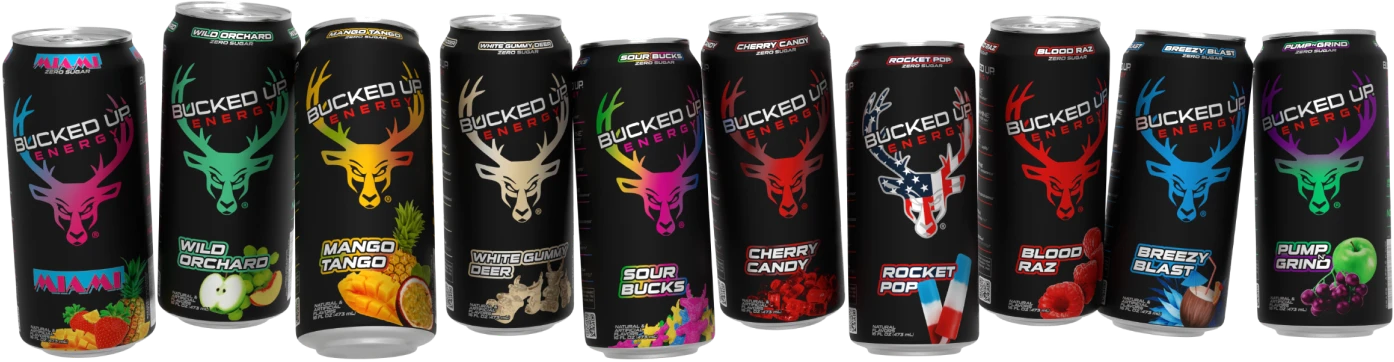
Explore Bucked Up’s nootropic-enhanced energy drinks to find a caffeine level and ingredient profile that match your routine. You can also use the store locator to see which products are available near you.
Everyday Habits for Safer Caffeine Use
Simple daily habits can help you enjoy caffeine while avoiding crashes and sleep problems.
- Timing: Keep most of your caffeine to the morning and early afternoon to protect your sleep.
- Hydration: Drink water regularly because caffeine can increase urination and fluid loss.
- Tolerance testing: Start with smaller amounts and increase slowly so you can gauge your own response.
- Daily tracking: Add up caffeine from coffee, tea, energy drinks, pre-workouts, and supplements to see your true total.
Students and professionals often do better when they spread caffeine across study or work blocks instead of taking a large dose at once. This pattern supports steadier focus and energy while keeping intake within recommended limits.
Common Caffeine Mistakes and Myths
Many people run into problems with caffeine because they overlook hidden sources in medications and supplements or ignore how their own tolerance differs from friends and coworkers. Chasing a quick energy spike can also backfire and lead to a hard crash later in the day.
Another common myth suggests that all energy drinks feel the same as long as the caffeine number matches. In reality, formulas can differ a lot. Bucked Up uses a nootropic blend that includes TeaCrine and Dynamine, which are intended to support more sustained energy and focus than caffeine alone.1
Practical Comparison of Popular Energy Drinks
Caffeine content tells only part of the story when you compare energy drinks. The table below highlights how added nootropics and other ingredients can shape the type of energy and focus you feel, even when products share similar caffeine levels.
| Product | Caffeine (mg) | Nootropics | Additional Considerations |
|---|---|---|---|
| Bucked Up Energy | 300 | TeaCrine, Dynamine, AlphaSize | Consider individual response |
| Red Bull | 80 | None | Consider individual response |
| Monster Energy | 160 | None | Consider individual response |
| Bang Energy | 300 | Limited | Consider individual response |
When you choose an energy drink, look at more than the caffeine number. Taste, how long the energy lasts, ingredient transparency, and your own response all matter. Bucked Up’s use of nootropic ingredients offers a different cognitive experience than basic caffeinated drinks while still aligning with FDA guidance on daily intake.1
FAQ
How much caffeine is safe for teens?
The American Academy of Pediatrics suggests a maximum of 100mg of caffeine per day for adolescents, which equals about one cup of coffee or roughly one-third of a Bucked Up Energy drink. Teens should pay close attention to how caffeine affects their sleep, mood, and anxiety levels and adjust intake if problems appear.
How much caffeine is in Bucked Up Energy drinks?
Bucked Up Energy contains 300mg of caffeine per can, LFG Energy has 160mg, and Babe Energy provides 150mg of natural caffeine. Each line also includes a nootropic blend that works alongside caffeine to support more sustained energy and focus than caffeine alone.1
How can I avoid energy crashes?
The nootropic blend in Bucked Up Energy, which includes TeaCrine and Dynamine, is formulated to support a steadier release of energy.1 Many users find that pairing these ingredients with caffeine helps reduce the sharp spike-and-crash pattern they experience with basic caffeinated drinks.1
What’s the caffeine limit during pregnancy?
Pregnant women are generally advised to keep caffeine intake at 200mg per day or less to lower the risk of pregnancy complications. That amount equals about two cups of coffee or roughly two-thirds of a Bucked Up Energy drink. Individual recommendations can vary, so discussing caffeine use with a healthcare provider is wise.
What are energy drinks without crashes?
Some energy drinks, including Bucked Up, combine caffeine with nootropic ingredients such as Dynamine, AlphaSize, and TeaCrine. These compounds are intended to support more stable energy and cognitive function across several hours instead of a short-lived spike.1
Conclusion
Staying near the FDA’s 400mg daily caffeine guideline helps many adults avoid jitters, crashes, and longer-term health concerns while still enjoying the benefits of increased alertness.1 Tracking caffeine from every source and choosing formulas that support steady focus can make your routine feel smoother and more predictable.
Nootropic-enhanced options like Bucked Up Energy drinks give you another way to shape how your energy feels throughout the day. Try scientifically formulated energy drinks designed to support performance within commonly referenced caffeine limits. To see what is available near you, check the Bucked Up store locator.
1 The content provided in this article is for informational purposes only and is not medical advice. Consult with a medical professional before implementing any changes to your diet, health, or exercise routines.
Individual results will vary and are based on a combination of each individual’s diet, exercise, age, and health circumstances.
These statements have not been evaluated by the Food and Drug Administration. This product is not intended to diagnose, treat, cure or prevent any disease.
This article was written by Ryan Gardner, CEO of Bucked Up. As the maker of Bucked Up Energy Drinks, we have a financial interest in this information. The views expressed are our own and should be read with that context in mind.