Key Takeaways
- Traditional mass gainers often cause bloating, fat gain, and GI distress, while creatine supports clean muscle growth without these side effects.
- Creatine monohydrate delivers proven strength gains and cognitive benefits, and creatine HCl offers similar results with no bloating and smaller doses.
- NSF Certified for Sport products like Bucked Up help competitive athletes avoid banned substances and ensure supplement purity.
- Consistent daily creatine intake, solid hydration, and the 4-2-1 nutrient timing rule support peak performance without slowing you down.
- Build lean size without bloat using Bucked Up’s premium creatine products made for serious athletes.
Bulking Supplements Explained: Mass Gainers vs Creatine
Clear differences between mass gainers and creatine help athletes choose the right bulking strategy. Traditional mass gainers push a caloric surplus with protein and carbohydrate blends. Creatine-based supplements focus on cellular energy production, which improves training capacity and supports muscle development.
|
Supplement Type |
Pros |
Cons |
Best For |
|
Mass Gainers |
High calorie density, convenient protein intake |
Bloating, fat gain, GI distress, contamination risk |
Hard gainers need calories |
|
Creatine Monohydrate |
Proven strength gains, muscle growth, and cognitive benefits |
Requires hydration, potential water retention |
Power athletes, strength training |
|
Creatine HCl |
No bloating, smaller doses, fast absorption |
Less research than monohydrate, higher cost |
Bloat-sensitive athletes |
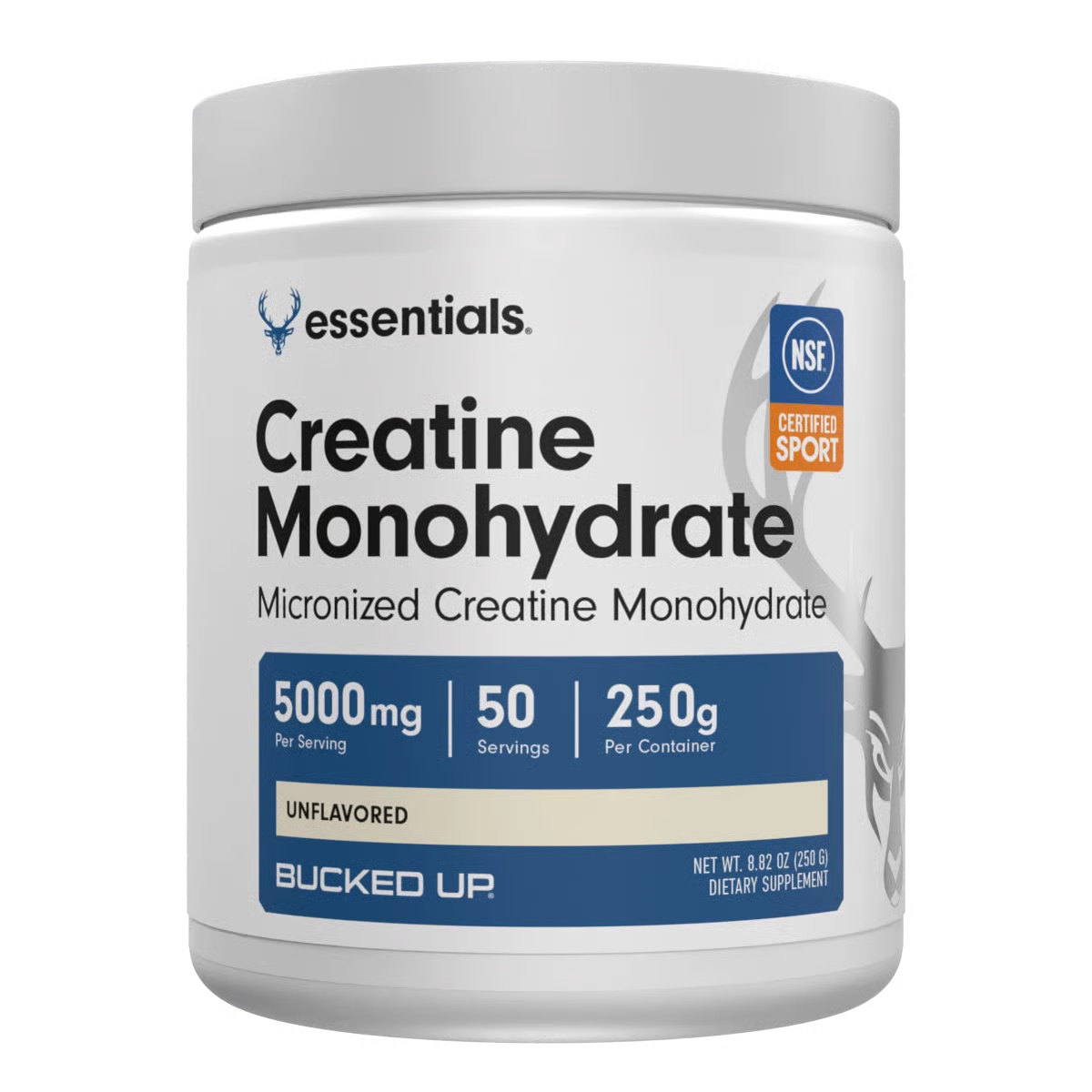
Creatine supplementation primarily boosts strength and power output, supports muscle recovery, and enhances cognitive performance. Recent meta-analyses demonstrate creatine’s ability to improve memory, attention, and processing speed in healthy adults. These benefits make creatine valuable for athletes who need sharp mental focus along with physical performance. Clean bulking with creatine also avoids the digestive issues and fat gain that often come with high-calorie mass gainers.
Creatine does require proper hydration and can cause short-term water retention in muscles. Third-party testing through NSF Certified for Sport programs verifies that supplements are free from over 290 banned substances. This testing addresses contamination concerns that affect many unregulated mass gainers. Competitive athletes protect themselves from accidental doping violations by choosing certified products while still pursuing performance gains.
Creatine Monohydrate vs HCl: Which Fits Your Training Style?
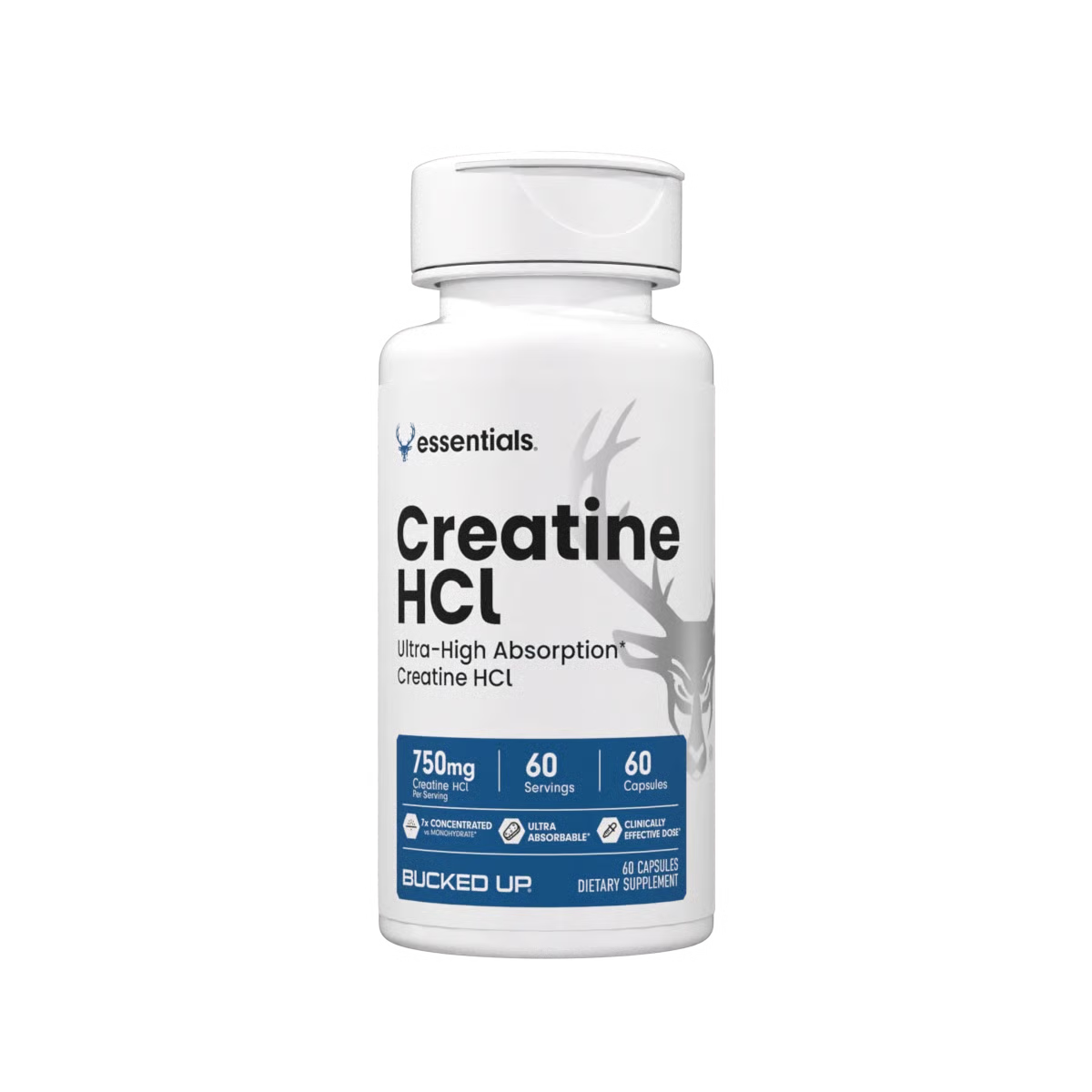
The choice between creatine monohydrate and creatine HCl comes down to your tolerance and goals. Monohydrate typically uses 3 to 5 grams daily, while HCl needs only 1.5 to 3 grams because of better absorption. HCl also tends to cause fewer digestive issues and less water retention. Athletes who feel bloated on monohydrate often do better with HCl, which delivers similar performance benefits without gastrointestinal discomfort.
The 4-2-1 rule for athletes recommends a balanced meal 4 hours before training, a carb-focused snack 2 hours before, and fluids 1 hour before performance. This timing strategy pairs well with creatine use. It supports size and strength gains while helping athletes stay fast, explosive, and comfortable during training.
Power athletes gain the most from creatine’s support of ATP regeneration during high-intensity efforts. Sprint speed, weightlifting capacity, and explosive movements all improve with consistent creatine intake. Loading phases of 15 to 20 grams daily for 5 to 7 days can saturate muscles faster, followed by maintenance doses of 3 to 5 grams daily. Health-focused users who want muscle preservation and cognitive support can skip loading and simply take a steady daily dose.
Creatine Myths, Real Barriers, and How Bucked Up Solves Them
Several myths still surround creatine, including the idea that it causes permanent bloating or only works for bodybuilders. HCl formulations remove most bloating concerns while delivering similar performance benefits. This makes creatine a practical option for athletes in nearly every sport and at every fitness level. The supplement supports explosive power and endurance work by improving energy system efficiency.
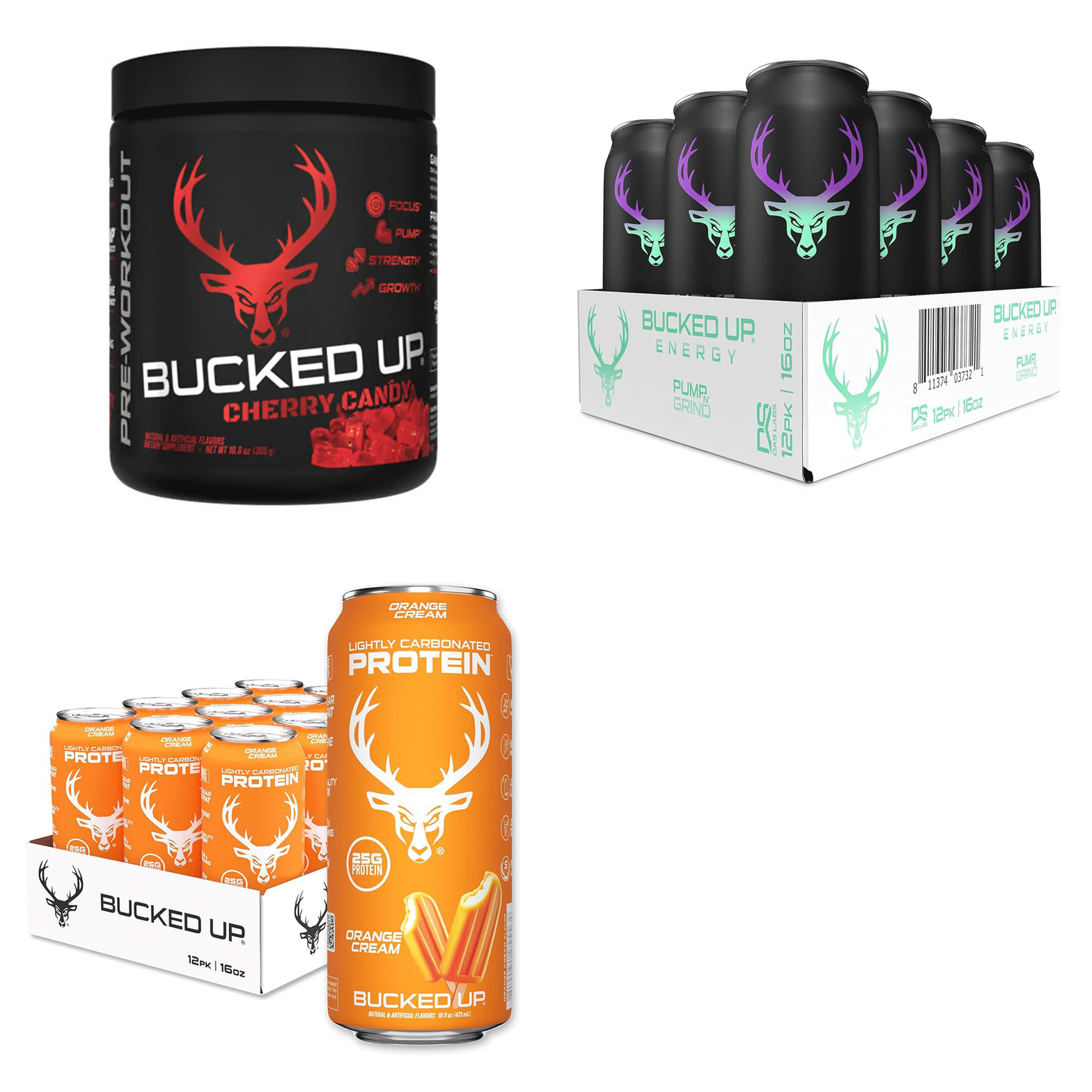
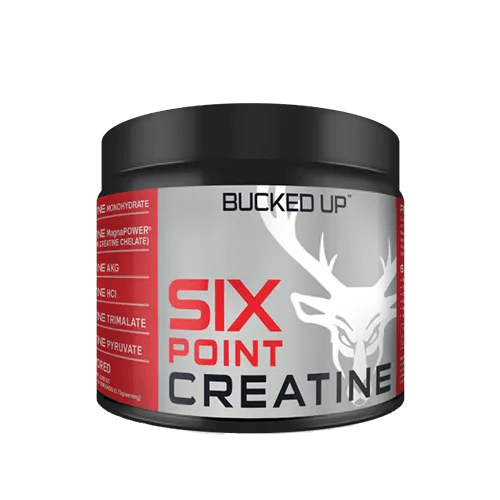
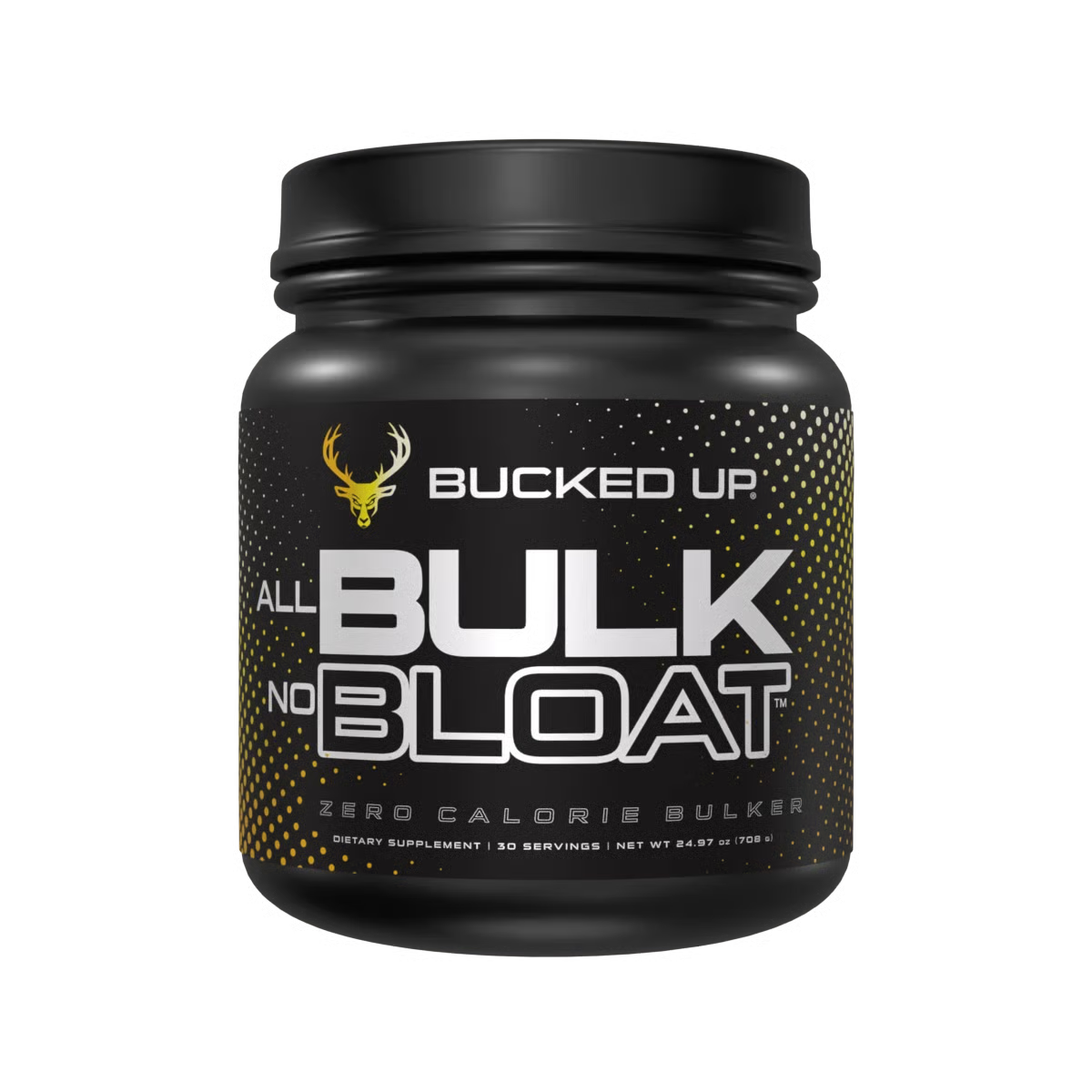
Bucked Up tackles common barriers with product designs that focus on purity, convenience, and real-world results. The brand uses NSF and GMP-certified manufacturing to maintain high purity standards. It also offers multiple delivery formats, including creatine monohydrate powders, Creatine HCl capsules, Creatine Gummies, and Creatine Candy. Six Point Creatine blends several creatine types to support broad absorption, while All Bulk No Bloat delivers a zero-calorie mass-gaining solution that builds muscle without extra fat.
Customer feedback often points to the lack of bloating and digestive issues with Bucked Up creatine products. Athletes describe noticeable strength gains, better recovery, and higher training capacity without the side effects linked to traditional mass gainers. Transparent ingredient labels and third-party testing give competitive athletes added confidence about banned substance safety.
Shop now to feel the difference between generic supplements and carefully formulated creatine products built for serious performance.
Frequently Asked Questions
Should you take creatine on rest days?
Daily creatine use keeps muscle creatine levels saturated for consistent performance. Steady intake ensures your muscles stay loaded with creatine phosphate for rapid ATP regeneration when you return to intense training. Bucked Up products support continuous daily use instead of cycling on and off with workout schedules.
Creatine pills vs powder
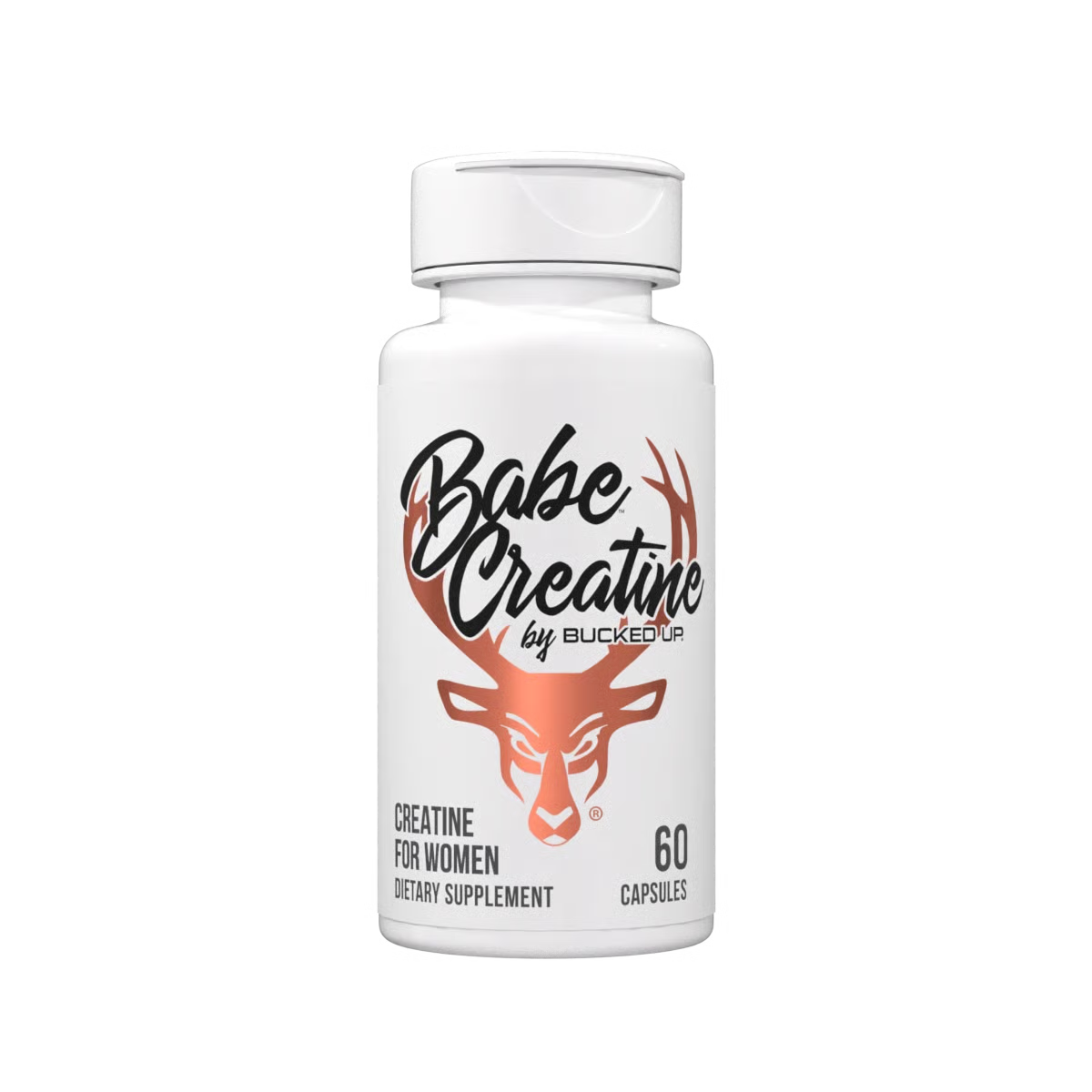
Creatine pills offer simple convenience and avoid the bloating or chalky taste some people notice with powders. Bucked Up’s Creatine HCl capsules, including Babe Creatine, provide precise dosing with no mixing, which works well for travel and busy days. Capsules also lower the chance of underdosing or overdosing that can happen with scooped powder.
How to avoid bloating with mass gainers?
Switching to creatine HCl, staying hydrated, and following the 4-2-1 nutrient timing rule can reduce bloating. Bucked Up’s bloat-free options, such as Creatine HCl and All Bulk No Bloat, help prevent the digestive discomfort common with high-calorie mass gainers. These products still support strong muscle-building results through better training performance.
Is creatine safe for athletes?
Creatine is safe for healthy athletes who choose NSF-tested products that screen for banned substances. Hundreds of studies support creatine’s safety profile, and it remains permitted under the World Anti-Doping Code. Bucked Up’s NSF Sport certification adds another layer of assurance for competitive athletes.
What is the 4-2-1 rule?
The 4-2-1 rule recommends a balanced meal 4 hours before training, a carbohydrate-focused snack 2 hours before, and fluids 1 hour before exercise. This schedule supports steady energy and reduces digestive discomfort during intense sessions when combined with creatine supplementation.
Conclusion: Clean Bulking with Bucked Up Creatine
Bucked Up’s science-backed creatine products deliver muscle-building support without the bloating, fat gain, or contamination risks tied to many traditional bulking supplements. Choose certified, innovative creatine solutions for clean and effective performance enhancement.