Written by: Ryan Gardner, Owner, Managing Partner, CEO, Bucked Up | Last updated: April 21, 2026
Key Takeaways: Beta-Alanine Dosing That Actually Fits Your Training
- Beta-alanine elevates muscle carnosine levels and helps buffer lactic acid during high-intensity efforts that last about 1-4 minutes.1
- Most lifters see results with 4-6.4g per day, split into smaller servings of about 0.8-2g to limit tingling.1
- A 2-4 week loading phase at 4-6g daily can raise carnosine by roughly 40-80%, followed by lower maintenance dosing.1
- Daily consistency matters more than timing, but taking beta-alanine 20-30 minutes pre-workout or with meals supports absorption and stacking with caffeine or citrulline.1
- Shop Bucked Up pre-workouts for clearly labeled beta-alanine doses that remove guesswork from your routine.
How Beta-Alanine Works To Support Endurance
Beta-alanine is a non-essential amino acid that raises muscle carnosine levels and helps buffer lactic acid during hard training.1 Research demonstrates that higher carnosine content delays fatigue in efforts lasting about 1-4 minutes.1 This window lines up well with bodybuilding sets, high-rep work, and many CrossFit-style workouts. The International Society of Sports Nutrition position stand supports beta-alanine for improving exercise capacity in sustained high-intensity efforts.1
During repeated muscle contractions, hydrogen ions build up and lower intracellular pH. That drop in pH contributes to the burning sensation and eventual muscle failure you feel near the end of a hard set. Beta-alanine supplementation increases carnosine synthesis, and carnosine acts as an intracellular buffer against this acidosis.1 Dr. Jamie Whitfield notes that beta-alanine works inside the cell, while ingredients like sodium bicarbonate buffer outside the cell. Using both types of buffers can create complementary effects when combined with other performance ingredients in a well-built pre-workout.
Daily Beta-Alanine Dosage Ranges You Can Actually Use
The most supported beta-alanine intake for performance sits between 4 and 6.4 grams per day.1 Split this total into smaller servings to reduce tingling while still raising muscle carnosine. The International Society of Sports Nutrition recommends keeping each serving at 2 grams or less. The table below shows how beginner and advanced protocols mainly differ in how often you dose each day, not in the total daily amount. Use it to match your dosing schedule to your tolerance and training volume.
| Level | Daily Total | Split Doses | Per lb Bodyweight | Notes/Source |
|---|---|---|---|---|
| Beginner | 4-6g | 1.6 g or less per dose (≤2 g), totaling 4-6 g daily | ~0.04-0.08g/lb | ISSN/Trexler 2015 |
| Advanced | 4-6.4g | 0.8 g taken 4–8 times per day (total 4–6.4 g/day) | ~0.06-0.1g/lb | Saunders meta 2025 |
Individual factors such as tolerance, training goals, and workout volume shape your ideal daily intake. A 150-pound athlete using strict bodyweight math might calculate a range of roughly 6-15 grams per day. Research, however, supports keeping daily intake in the 4-6.4 gram window for both safety and effectiveness. That evidence means bodyweight formulas work better as a loose guide than a strict rule. Within the 4-6.4 gram range, many recreational lifters do well near the lower end, while competitive athletes with higher training loads often sit closer to the upper end. Get precise dosing with Bucked Up pre-workouts that clearly list beta-alanine amounts on the label.
Pre-Workout Timing And Stacking With Other Ingredients
Consistent daily intake of beta-alanine matters more than any single pre-workout serving. Research shows that regular daily use drives muscle carnosine saturation, which creates the endurance benefits.1 Taking a serving 20-30 minutes before training still makes sense for convenience and routine, and it can support absorption around the time you train.
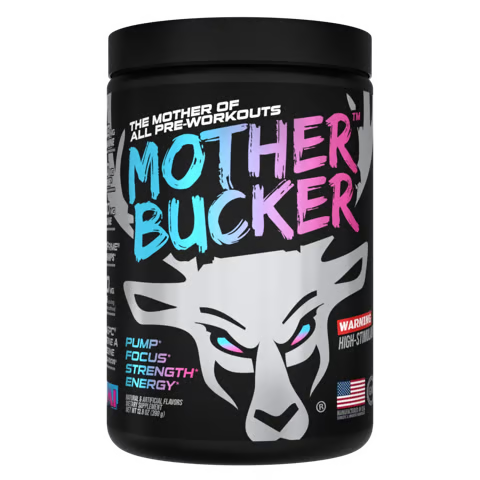
Beta-alanine pairs well with other performance ingredients. L-citrulline supports nitric oxide production and muscle pumps, while caffeine supports energy and focus.1 Bucked Up formulations combine these ingredients at studied doses. For example, Mother Bucker includes 6.4 grams of beta-alanine along with L-citrulline and caffeine to cover endurance, pumps, and alertness in one pre-workout.1
Taking beta-alanine with meals or carbohydrate-rich drinks improves uptake into muscle cells.1 This approach works especially well when you follow a split-dosing plan and want to spread smaller servings across the day.
Structuring A Loading Phase And Maintenance Plan
A planned loading phase helps you raise muscle carnosine levels faster and reach performance benefits sooner. Research indicates that 4-6 grams per day for 4 weeks can increase muscle carnosine by about 40-60%. Extending use to 10 weeks can push increases toward 80% in some cases.1 Use the table below as a quick reference for planning your loading and maintenance timeline. Notice how the loading phase uses higher daily doses for a set period, then shifts into a lower maintenance intake.
| Phase | Duration | Daily Dose | Source |
|---|---|---|---|
| Loading | 2-4 weeks | 4-6g split | International society of sports nutrition position stand: Beta-Alanine |
| Maintenance | Ongoing | Reduced daily dose | Blancquaert 2015 |
Many athletes start loading 4-8 weeks before key training blocks or competitions so carnosine levels peak when performance matters most. After you stop taking beta-alanine, muscle carnosine levels fall slowly with a washout half-life of 4.6-8.6 weeks. That gradual decline gives you room to plan cycles around your season or major events.
Managing Tingling And Other Beta-Alanine Side Effects
Paresthesia, the familiar tingling from beta-alanine, usually shows up with single doses above about 800mg.1 The sensation feels odd but remains harmless for healthy users. Split dosing and sustained-release forms help keep that tingling mild or barely noticeable.
Taking beta-alanine with food slows absorption and can soften the tingling. Many lifters do well with servings of 800mg to 1.6 grams spaced every 3-4 hours. This pattern reduces nerve stimulation while still building up carnosine over time.
The strength of the tingling does not predict how well beta-alanine works. Performance benefits come from long-term increases in muscle carnosine, not from how intense the itch feels after a scoop.1 Bucked Up formulas take this into account and aim for effective doses that many users find comfortable, supported by timing guidance on the label.
How Much Beta-Alanine You Get In Bucked Up Pre-Workouts
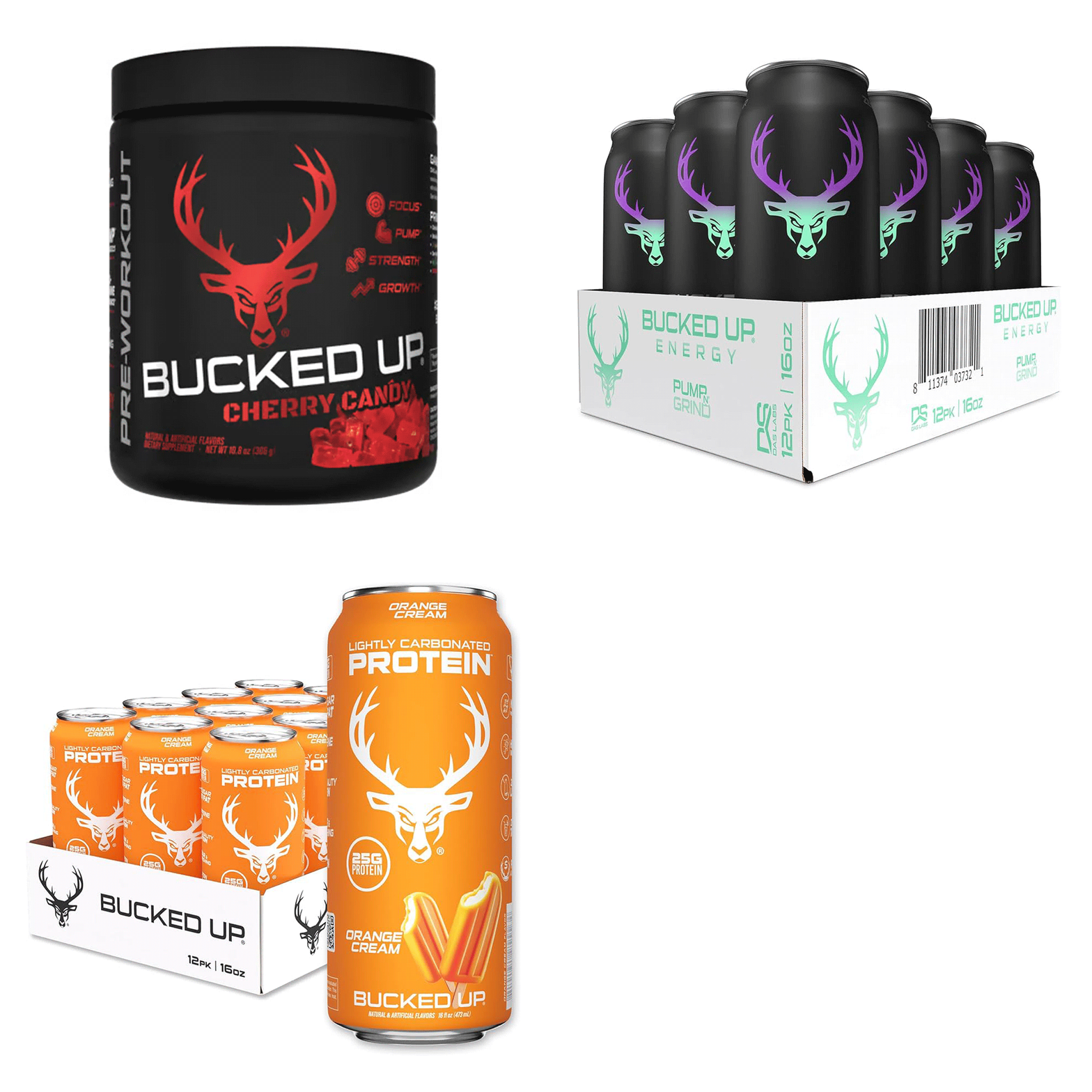
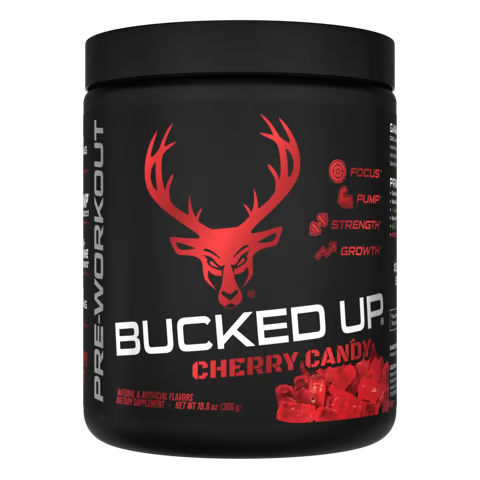
Bucked Up products list beta-alanine content clearly so you can build a dosing plan without guessing. The standard Bucked Up pre-workout includes 2,000mg of beta-alanine, which suits beginners or anyone using multiple smaller servings across the day. This 2,000mg amount sits above the 1,000mg minimum often cited for meaningful effects.
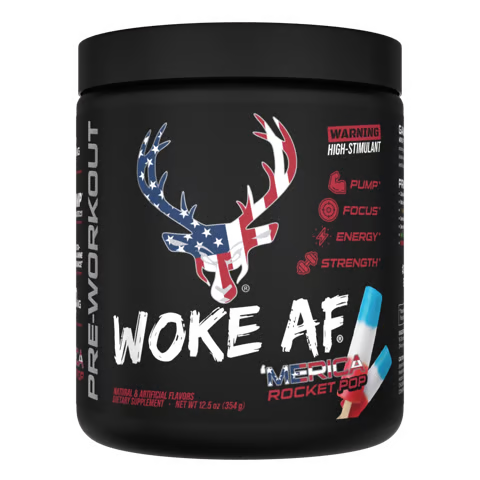
Mother Bucker targets advanced users and supplies 6.4 grams of beta-alanine per serving, which lines up with the upper end of research-supported dosing. The formula also features Nitrosigine for pump support, 4 grams of L-citrulline, and delayed-release caffeine for sustained energy with a smoother comedown. Woke AF offers a middle-ground option that includes beta-alanine and 333mg of caffeine for lifters who already handle higher stimulant levels.
Explore Bucked Up pre-workouts to match your beta-alanine intake with the energy, focus, and pump support you want for your training sessions.
Frequently Asked Questions About Beta-Alanine Dosing
What is the optimal beta-alanine dosage per day?
Most evidence supports a daily beta-alanine intake between 4 and 6.4 grams, split into smaller servings of about 0.8-1.6 grams every 3-4 hours. This pattern supports muscle carnosine saturation while keeping tingling manageable for many users. Beginners can start with the ISSN/Trexler 2015 guideline of 4-6 grams per day, while experienced athletes sometimes move toward 6.4 grams based on training volume and response.
Is beta-alanine safe to take with caffeine?
Beta-alanine and caffeine can be taken together and often appear in the same pre-workout. They work through different mechanisms, so their effects complement each other. Beta-alanine supports endurance by buffering lactic acid, while caffeine supports alertness, perceived effort, and focus.1 Bucked Up pre-workouts combine these ingredients at studied levels to provide performance support for many users who tolerate stimulants.
How should beginners approach beta-alanine dosing?
Beginners benefit from a gradual approach that respects both research and personal tolerance. Start with the ISSN guideline of 4-6 grams per day, split into servings of 1.6 grams or less. This strategy lets you gauge tingling and overall comfort while still building carnosine. After 2-4 weeks of consistent use, adjust your daily total slightly up or down based on how you feel and how you train. A conservative start helps keep tingling under control while you establish a long-term routine.
How long does it take for beta-alanine to work?
Beta-alanine works through gradual changes in muscle carnosine, so results build over weeks rather than days. Many users need 2-4 weeks of daily intake to notice clear endurance changes, especially in efforts that last around 1-4 minutes. Maximum benefits often appear after roughly 4-6 weeks of consistent loading in the 4-6 gram range. These effects then taper slowly over several weeks if you stop supplementing, as described in the loading and maintenance section above.
Can I take beta-alanine on rest days?
Daily use of beta-alanine, including rest days, supports steady carnosine levels in your muscles. The ingredient does not act like a quick stimulant that only matters right before a workout. Instead, it works through chronic adaptation, which depends on regular intake over time. Keeping your routine consistent on both training and off days helps maintain the endurance benefits you have built.
1 The content provided in this article is for informational purposes only and is not medical advice. Consult with a medical professional before implementing any changes to your diet, health, or exercise routines.
Individual results will vary and are based on a combination of each individual’s diet, exercise, age, and health circumstances.
These statements have not been evaluated by the Food and Drug Administration. This product is not intended to diagnose, treat, cure or prevent any disease.
This article was written by Ryan Gardner, CEO of Bucked Up. As the maker of Bucked Up pre-workout, we have a financial interest in this information. The views expressed are our own and should be read with that context in mind.