Written by: Ryan Gardner, Owner, Managing Partner, CEO, Bucked Up | Last updated: April 17, 2026
Key Takeaways
- Creatine monohydrate ranks highly for boosting ATP regeneration and reducing muscle fatigue during high-intensity exercise, supported by over 1,000 studies.1
- Magnesium and B-vitamins support energy metabolism and muscle relaxation but deliver less direct performance impact than creatine.1
- Beta-alanine enhances anaerobic power for short bursts, while adaptogens like Rhodiola can reduce perceived exertion and stress.1
- Caffeine and supplements like CoQ10 mainly support endurance or address deficiencies and do not match creatine’s broad performance effects.1
- Bucked Up’s creatine formats, including gummies, HCl capsules, and blends, address bloating and portability concerns, so you can shop Bucked Up creatine now to elevate your performance.1
1. Creatine – Direct ATP Support for High-Intensity Training
Creatine monohydrate is one of the most researched supplements for energy production and muscle fatigue reduction.1 Creatine supplementation increases intramuscular phosphocreatine stores, supporting rapid ATP regeneration and reduced fatigue during repeated high-intensity efforts.1 Creatine supplementation increases muscle creatine and phosphocreatine (PCr) concentrations, enabling rapid ATP regeneration to delay fatigue during high-intensity activities like weightlifting and sprinting.1
Why Creatine Excels for Muscle Fatigue
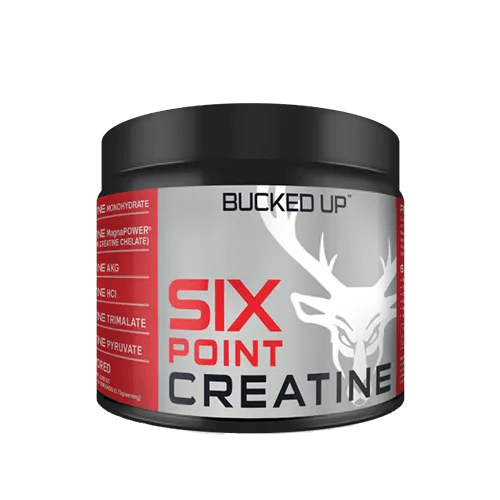
Creatine monohydrate exhibits nearly 100% bioavailability when consumed in physiologically relevant doses of 3-5 grams per day1, and creatine monohydrate achieves close to 100% absorption in the intestines. Bucked Up offers several creatine formats to match different preferences. Pure Creatine Monohydrate comes in flavors like Blue Raspberry and Grape Apple. The Six Point Creatine blend combines six creatine types for a multi-source approach. HCl capsules use CON-CRĒT® technology, gummies deliver 5g per serving, and fizzy candy tablets provide a portable, mix-free option.
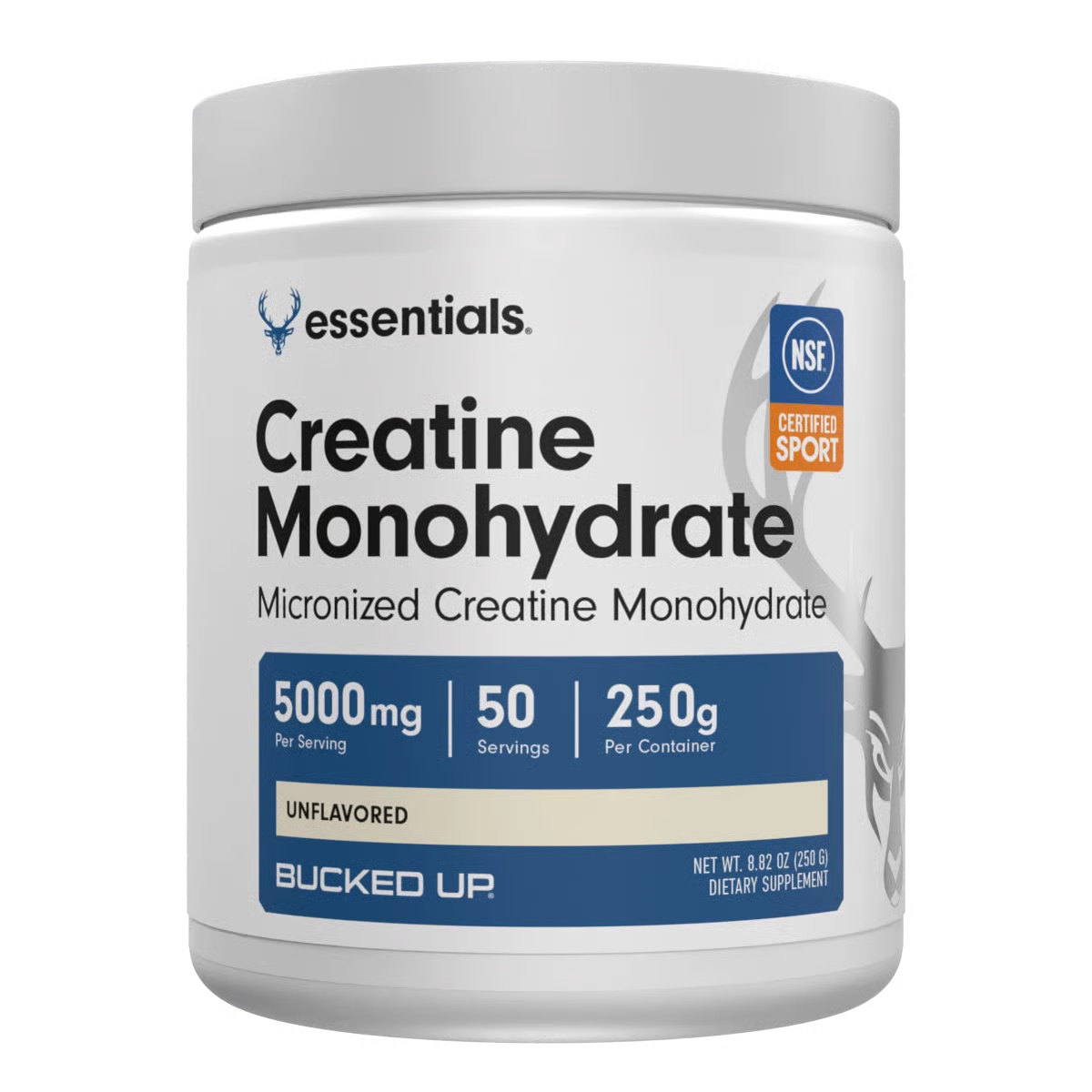
Creatine monohydrate has over 1,000 peer-reviewed studies supporting its efficacy and typically costs about $0.05-$0.10 per effective 5-gram daily dose.1 In comparison, creatine HCl often costs about $0.45-$0.75 for 1.5 grams of creatine HCl.
2. Magnesium for Energy Production and Muscle Relaxation
Magnesium plays a supporting role in ATP synthesis and muscle relaxation.1 Magnesium deficiency can contribute to muscle cramps and fatigue, which can limit training quality and recovery. Recommended Dietary Allowances for magnesium range from 310 to 420 mg daily for adults, and meeting these levels helps maintain electrolyte balance and support energy metabolism.1 Its impact on immediate exercise performance is generally milder than creatine’s direct ATP support.
3. B-Vitamins (B12/Folate) for Energy Metabolism
B-vitamins help convert carbohydrates, fats, and proteins into usable energy.1 Dietary vitamin B6 modulates gene expression of myokines, Nrf2-related factors, myogenin, and HSP60 in skeletal muscle of rats, supporting anabolic muscle building and repair.1 The recommended daily amount of vitamin B12 for adults is 2.4 mcg. These nutrients mainly help correct deficiency-related fatigue rather than boosting performance in athletes who already meet their needs.
4. BCAAs (Branched-Chain Amino Acids) for Muscle Breakdown Support
Leucine, isoleucine, and valine can help reduce exercise-induced muscle protein breakdown and perceived exertion during longer sessions.1 Whole protein sources such as whey, casein, or high-protein foods often provide a broader amino acid profile for muscle recovery. Evaluating BCAA supplements alongside total protein intake gives a clearer picture of their potential value.
5. Beta-Alanine for Short, Intense Efforts
A 2025 network meta-analysis by Deng et al. from Guangzhou Sport University found that β-alanine supplementation improves mean anaerobic power and peak anaerobic power compared to placebo, as measured in 30-second Wingate all-out sprints.1 A systematic review found that beta-alanine supplementation improves endurance and performance in short, high-intensity exercise.1 Paresthesia, or tingling, is the primary side effect at typical daily doses of 3-6 grams.1
6. Rhodiola and Ashwagandha for Stress and Perceived Effort
Rhodiola rosea ingestion improved perceptions of arousal and pleasure during exercise in active men.1 Rhodiola and ashwagandha belong to a group of herbs often called adaptogens, which may help manage exercise-induced stress and support recovery.1 Their effects on acute power output appear modest compared with creatine’s direct ATP support, but they can still play a role in overall training tolerance.
7. CoQ10 (Coenzyme Q10) for Mitochondrial Support
CoQ10 supports mitochondrial energy production and can benefit endurance activities that rely heavily on aerobic metabolism.1 Supplementation effects tend to be more noticeable in people with existing deficiencies or specific health conditions. Healthy athletes often see smaller performance changes compared with foundational supplements like creatine.
8. Iron for Confirmed Deficiency-Related Fatigue
Iron deficiency directly impairs oxygen transport and energy production, which leads to fatigue and reduced exercise capacity. Supplementation can provide significant benefits for people with low iron levels confirmed by testing.1 Those with adequate iron status generally do not need additional iron and should test before starting an iron supplement.
9. Caffeine for Alertness and Endurance
Caffeine increases alertness and can improve endurance performance through central nervous system stimulation.1 The combination of L-Theanine and caffeine at a 2:1 ratio improves cognitive performance, focused attention during demanding tasks, and increases subjective alertness. Typical pre-exercise doses range from 3-6 mg per lb of body weight, and individual tolerance, timing, and sleep patterns influence the overall response.
10. L-Carnitine for Fatty Acid Transport
L-carnitine helps transport fatty acids into mitochondria for oxidation and may support recovery from high-intensity exercise.1 Benefits often appear in specific populations or training contexts, and results are generally less consistent than creatine’s well-documented ATP support.
Dosage, Timing & Safety Comparison for Creatine
A maintenance dose of 3 to 5 grams per day sustains elevated creatine levels, and daily hydration of about 80-100 oz is recommended. As noted earlier, the 3-5 gram daily maintenance range keeps muscle creatine stores elevated, and consistency matters more than exact timing. Post-workout dosing may offer a slight absorption benefit, especially when combined with carbohydrates. Creatine monohydrate at recommended maintenance doses of 3–5 g/day is considered safe for most populations, including athletes.1
Bucked Up Creatine Formats: Solving Bloating and Convenience Issues
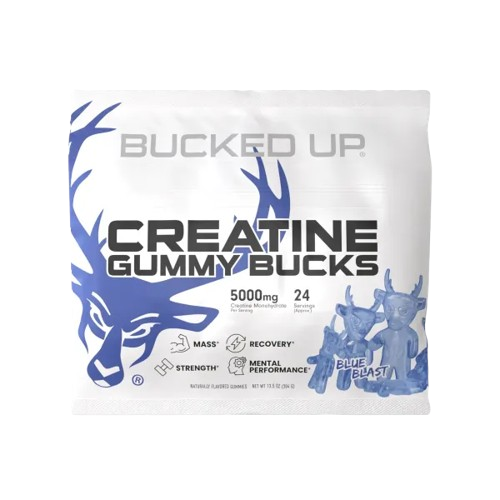
Bucked Up addresses common creatine powder limitations with several delivery methods. Six Point Creatine targets serious athletes with its multi-creatine blend for flexible stacking and dosing. Creatine Gummies in Blue Blast and other flavors provide 5g servings for people who want an easy, enjoyable way to take creatine without a shaker.
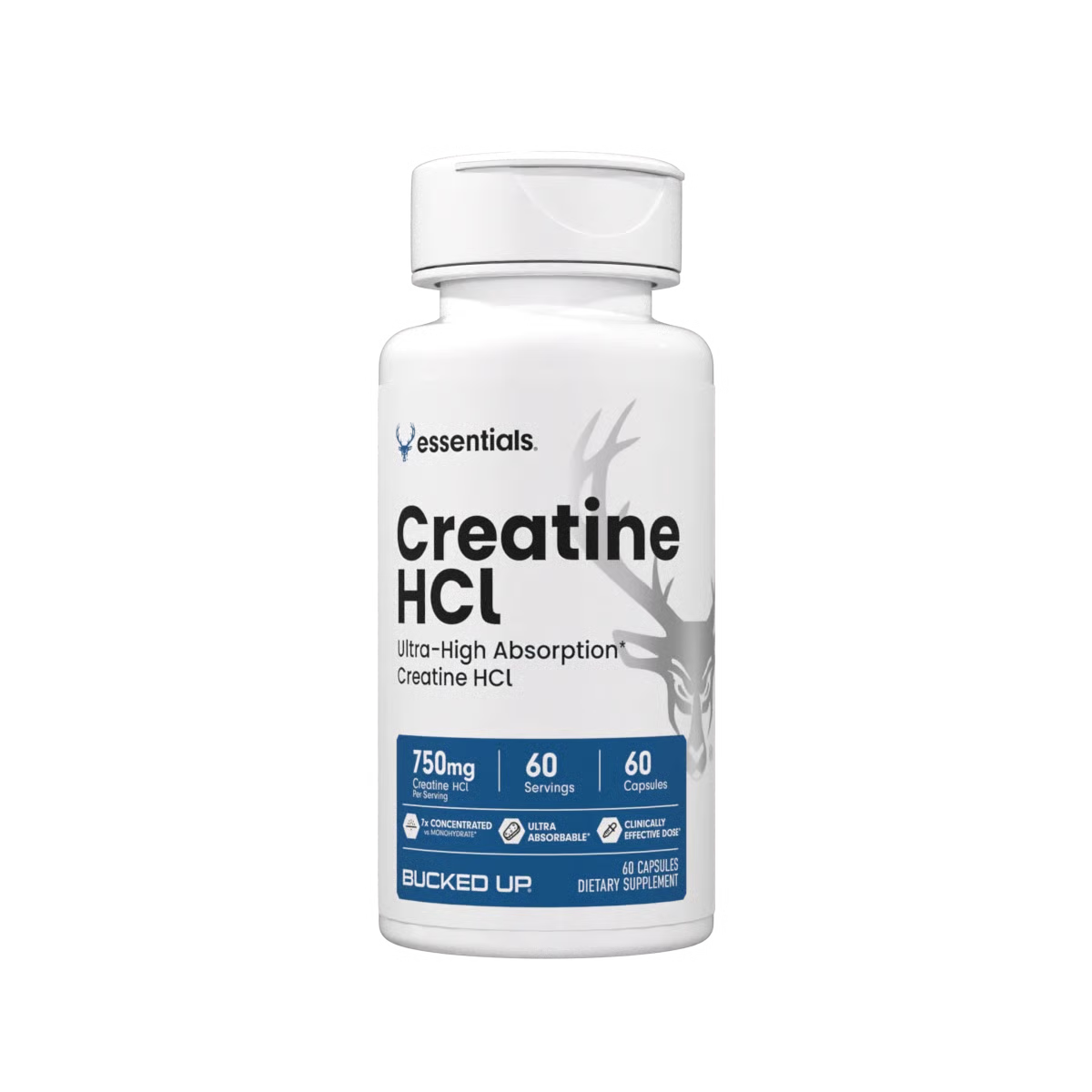
Shop Bucked Up’s innovative creatine formats, including gummies, HCl capsules, and multi-creatine blends, to find your ideal delivery method. The HCl capsules deliver 750 mg CON-CRĒT® per capsule for those who want smaller serving sizes and reduced bloating risk. Fizzy candy tablets offer a portable creatine option that does not require mixing, and all products are manufactured in NSF and GMP certified facilities.
Comparisons: Creatine vs. Top Alternatives for ATP and Fatigue
The following table shows how creatine’s ATP regeneration and fatigue reduction compare with other popular supplements. It highlights creatine’s strong role in high-intensity performance while clarifying where nutrients like magnesium, B-vitamins, and beta-alanine fit into a broader stack.
| Supplement | ATP Boost | Fatigue Reduction | Bloat Risk | Daily Dose |
|---|---|---|---|---|
| Creatine | High (increased PCr) | High (ATP regeneration) | Low (with HCl forms) | 3-5g |
| Magnesium | Medium | Muscle relaxation | None | 310-420 mg |
| B-Vitamins | Low | Energy metabolism | None | 2.4 mcg |
| Beta-Alanine | Medium (anaerobic power) | Moderate (short bursts) | Paresthesia | 3-6g |
FAQ
What supplement is best for muscle fatigue?
Creatine monohydrate can stand out for reducing muscle fatigue because of its role in ATP regeneration.1 It increases phosphocreatine stores in muscles, which supports rapid energy replenishment during high-intensity exercise and reduces fatigue between sets. Your training style, goals, and individual response should guide how you use creatine alongside other supplements.
Creatine powder vs. gummies or capsules
Gummies and capsules provide convenience and portability compared with powders, since they remove the need for mixing and measuring. Bucked Up’s gummies offer precise 5g servings with enjoyable flavors, and HCl capsules can reduce bloating risk for people who are sensitive to larger powder servings. Traditional powders remain a cost-effective option for straightforward daily creatine intake.
Should I take creatine on rest days?
Daily creatine intake, including rest days, helps maintain muscle saturation levels that support performance.1 Consistent supplementation keeps phosphocreatine stores elevated, so your ATP regeneration capacity remains high when you return to training.
How much water should I drink with creatine?
Drink 8-12 oz of water with each creatine dose and aim for a total of 80-100 oz of fluid per day. Creatine increases cellular hydration, so adequate water intake supports normal function and may help reduce the chance of cramping.1
What’s the best creatine for women?
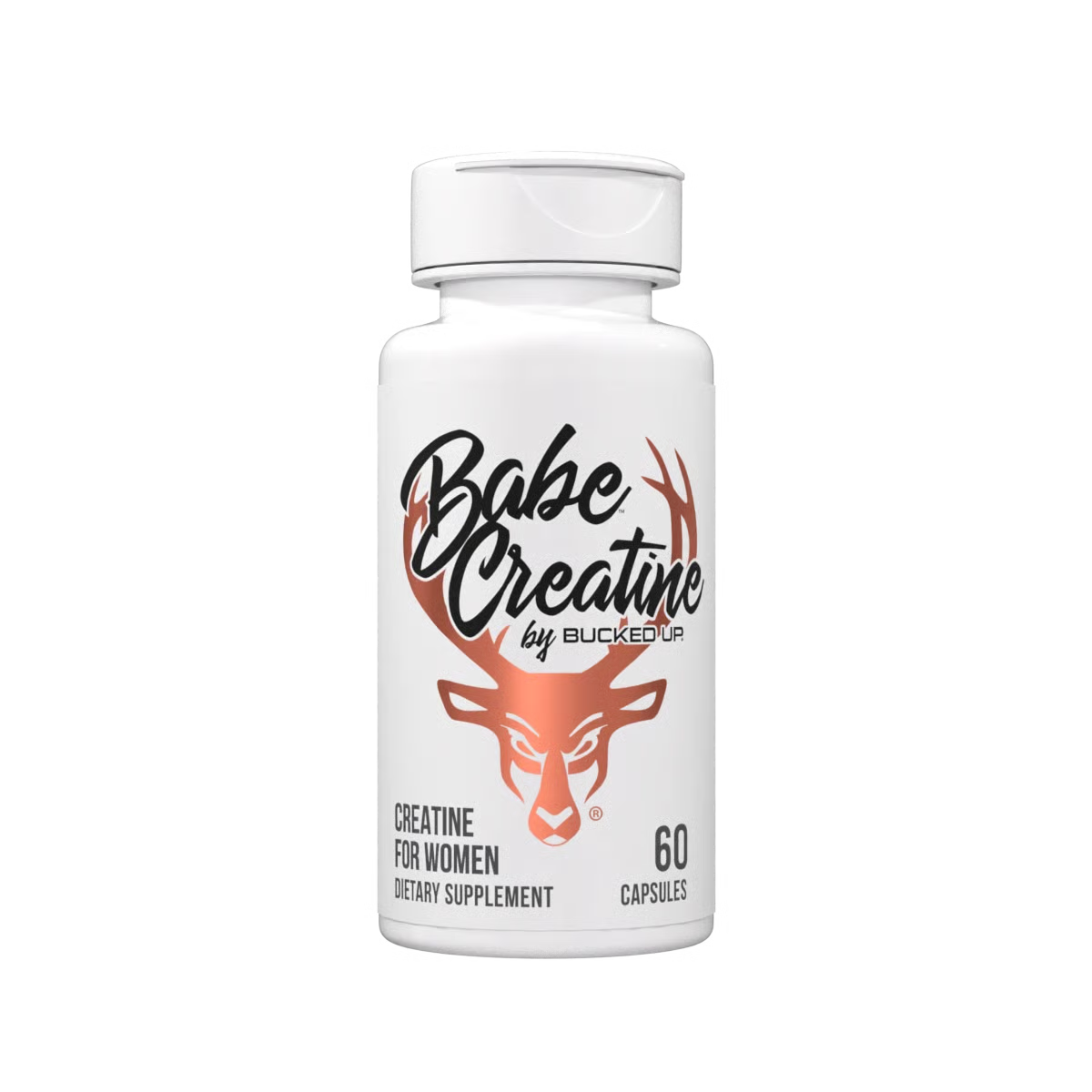
Bucked Up’s Babe Creatine HCl capsules are formulated for women and provide 750 mg CON-CRĒT® per capsule with a lower bloating risk than typical monohydrate servings.1 The capsule format and measured dosing can align well with women’s performance and physique goals.
Conclusion: Building a Performance Base with Creatine
Creatine stands out in this evidence-based list because of its ATP regeneration support and extensive research record.1 Other supplements can provide complementary benefits for stress, endurance, or deficiency correction, but creatine’s impact on energy production and muscle fatigue makes it a strong foundation for many training programs. Start with Bucked Up creatine to build your performance base with a well-studied ATP support supplement.1
1 The content provided in this article is for informational purposes only and is not medical advice. Consult with a medical professional before implementing any changes to your diet, health, or exercise routines.
Individual results will vary and are based on a combination of each individual’s diet, exercise, age, and health circumstances.
These statements have not been evaluated by the Food and Drug Administration. This product is not intended to diagnose, treat, cure or prevent any disease.
This article was written by Ryan Gardner, CEO of Bucked Up. As the maker of Bucked Up Creatine, we have a financial interest in this information. The views expressed are our own and should be read with that context in mind