
Key Takeaways
- Evidence-based muscle gain supplements outperform marketing-driven products by focusing on proven mechanisms like protein synthesis, training performance, and recovery.
- Creatine monohydrate remains the most studied and effective supplement for strength, power, and lean mass when combined with resistance training.
- Beta-alanine, HMB, and phosphatidic acid provide targeted support for endurance, muscle protection, and mTOR activation to complement creatine.
- Clear labeling, ingredient transparency, and clinically effective dosages matter more for results than proprietary blends or flashy branding.
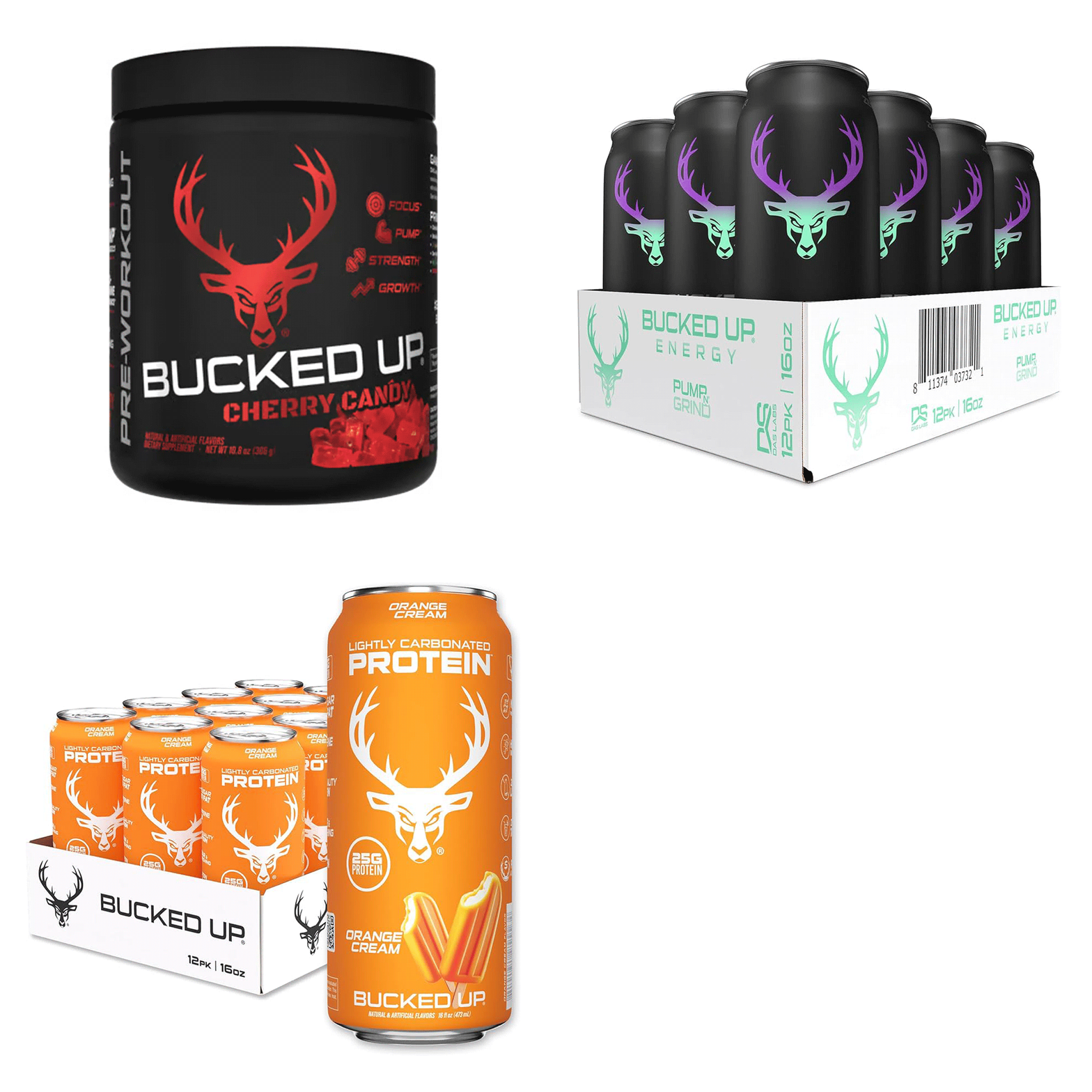
- Bucked Up Pre-Workout can support training intensity, focus, and endurance as part of a well-structured muscle-building stack; explore options at Bucked Up Pre-Workout.
The Foundation: How Smart Supplement Choices Support Muscle Growth
Smart supplement choices help support the core processes of muscle growth: increased protein synthesis, strong training stimulus, effective recovery, and consistent nutrient availability. Products that support these pathways with well-researched ingredients tend to deliver more reliable results than formulas built around marketing claims.
The most useful muscle gain supplements use ingredients with clear mechanisms, transparent labels, and dosages aligned with human research. This approach helps reduce wasted spending on underdosed or unproven compounds and supports more consistent progress in the gym.
How This Ranking Evaluates Muscle Gain Supplements
This ranking focuses on factors that influence real-world results rather than label claims.
- Scientifically backed efficacy: Ingredients must have human data supporting effects on muscle size, strength, or training performance, often in resistance-trained subjects.
- Ingredient transparency: Products score higher when they list full ingredient amounts instead of proprietary blends that hide dosages.
- Clinically effective dosages: Included amounts should match ranges used in human studies rather than token doses.
- Specific performance benefits: Each supplement must support clear outcomes such as improved training volume, better recovery, or enhanced protein synthesis.
Top Muscle Gain Supplements: Science-Focused Overview
Creatine Monohydrate: Core Support for Strength and Size
Creatine monohydrate stands as one of the most well-supported supplements for improving strength, high-intensity workout performance, and muscle growth when paired with resistance training. This consistency across many trials makes creatine a first-line supplement for muscle gain.
Creatine enhances strength, power, recovery, and muscle mass by increasing phosphocreatine and ATP availability during intense efforts. This effect supports more total work per session, which then drives greater growth over time.
Creatine also draws water into muscle cells for a fuller appearance and supports cellular conditions favorable for hypertrophy. Some data indicates creatine can increase muscle mass gains by roughly 5–15 percent when paired with resistance training.
A common approach is 3–5 grams daily with no required loading phase for long-term benefits. Creatine monohydrate remains the preferred form for most users.
Beta-Alanine: Support for High-Rep Sets and Endurance
Beta-alanine can improve endurance, fatigue resistance, and lean body mass by increasing muscle carnosine and buffering capacity. This action helps delay the burn in higher-rep or longer sets.
Daily intakes around 4–6 grams have been linked with better performance and reduced neuromuscular fatigue. Higher training volume at a given load can contribute to more muscle growth across weeks and months.
The tingling feeling that often appears after beta-alanine intake is called paresthesia and is considered harmless. Splitting the dose into smaller servings across the day can reduce that sensation.
HMB (Beta-hydroxy-beta-methylbutyrate): Muscle Protection and Recovery
HMB can reduce muscle damage, support recovery, and contribute to lean body mass gains, especially for beginners or people returning after a layoff. This leucine metabolite supports protein synthesis while limiting breakdown.
HMB appears particularly useful during cutting phases or periods of high training stress, when muscle loss risk rises. Many protocols use 1.5–3 grams per day, often divided across meals.
Phosphatidic Acid: Targeting mTOR Signaling
Phosphatidic acid in the range of 500–750 milligrams per day has been associated with increased mTOR activation, which supports protein synthesis and hypertrophy.
This phospholipid acts as a signaling molecule that links mechanical tension from weight training to growth pathways inside the muscle cell. Evidence is still emerging, so it often serves as an optional add-on once core basics like protein and creatine are in place.
Comparison Table: Key Muscle Gain Supplements
|
Supplement |
Primary Mechanism |
Key Benefits |
Typical Daily Dosage |
|
Creatine Monohydrate |
ATP and phosphocreatine support |
Strength, power, lean mass |
3–5 g |
|
Beta-Alanine |
Muscle buffering via carnosine |
Endurance, fatigue resistance |
4–6 g |
|
HMB |
Reduced protein breakdown |
Recovery, lean mass support |
1.5–3 g |
|
Phosphatidic Acid |
mTOR pathway signaling |
Protein synthesis support |
500–750 mg |
Using Bucked Up Pre-Workout With Your Muscle-Building Stack
Combining foundational supplements with an effective pre-workout can help you train harder and more consistently, which supports better long-term gains.
Bucked Up pre-workouts are built around transparent labels and recognizable ingredients. Citrulline malate supports blood flow and nutrient delivery to working muscles. AlphaSize can support focus and coordination, and beta-alanine in the formula helps you sustain higher-rep sets that drive hypertrophy.
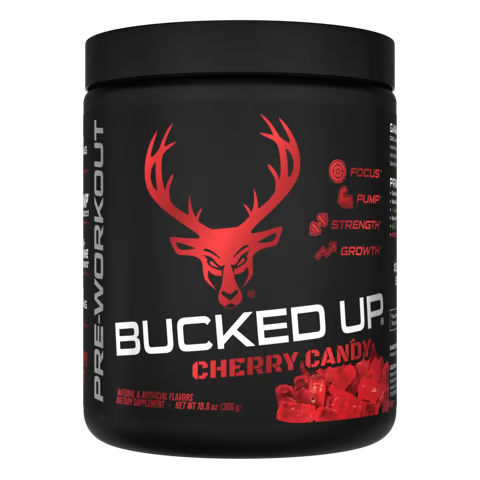
The Bucked Up line offers different stimulant levels so you can match intensity to experience and tolerance. The standard Bucked Up formula includes 200 milligrams of caffeine per serving. Woke AF increases that to 333 milligrams, and Mother Bucker provides 400 milligrams for advanced users focused on maximum intensity.
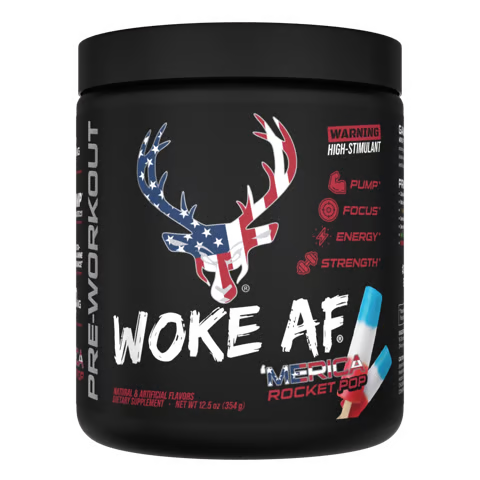
This structured range lets you adjust as your training volume, intensity, and caffeine tolerance change over time. When paired with creatine, adequate protein, and a sound training plan, a pre-workout can support better performance in the gym, which then contributes to stronger muscle-building signals.
Shop Bucked Up Pre-Workout to see which formula best fits your current training phase.
Frequently Asked Questions
What is the most effective single supplement for muscle gain?
Creatine monohydrate is the most consistently supported supplement for increasing strength, power, and lean mass when paired with resistance training. Its combination of safety, affordability, and strong research base makes it a primary choice for muscle-focused programs.
Which supplements best complement creatine for muscle building?
Protein powder supports daily protein intake and recovery. Beta-alanine helps sustain higher training volumes, HMB can assist with muscle preservation and recovery during demanding phases, and phosphatidic acid may provide extra support for mTOR signaling once basic needs are covered.
Do you need a creatine loading phase?
A loading phase can saturate muscle creatine stores more quickly, but it is not required. Many lifters simply take 3–5 grams per day from the start and allow levels to build steadily over several weeks.
How can pre-workouts contribute to muscle gains?
Pre-workouts do not build muscle directly. They support energy, focus, pump, and endurance so you can complete more high-quality work in each session. Over time, better training quality translates into stronger hypertrophy signals, provided that nutrition and recovery are aligned with your goals.
Conclusion: Build Your Stack With Evidence and Clarity
The top muscle-gains supplements in 2026 share several traits: clear mechanisms, human research, and transparent dosages. Creatine monohydrate remains the foundation, while beta-alanine, HMB, and phosphatidic acid can add targeted support for performance, recovery, and growth signaling.
Combining these supplements with a pre-workout such as Bucked Up can help you train with greater intensity and consistency. That combination of effective ingredients and focused training provides a practical framework for building muscle over time.
Product labels that list complete ingredient amounts and use clinically supported dosages make it easier to evaluate value and fit for your goals. Prioritizing this transparency helps you build a stack that supports progress instead of guesswork.
Visit Bucked Up to explore pre-workout options that can complement your muscle gain supplement plan.
*Disclaimer: These statements have not been evaluated by the Food and Drug Administration. This product is not intended to diagnose, treat, cure, or prevent any disease.