
Key Takeaways
- Creatine increases muscle phosphocreatine, which supports faster ATP regeneration and can improve strength, power, and training volume.
- High-dose loading reaches muscle saturation in about one week, while lower daily doses reach the same endpoint in roughly four weeks.
- Standard, gradual, and modified loading approaches all work, so the best option depends on your timeline, tolerance, and training goals.
- Hydration, product quality, and consistent daily use matter more over time than the exact loading method you choose.
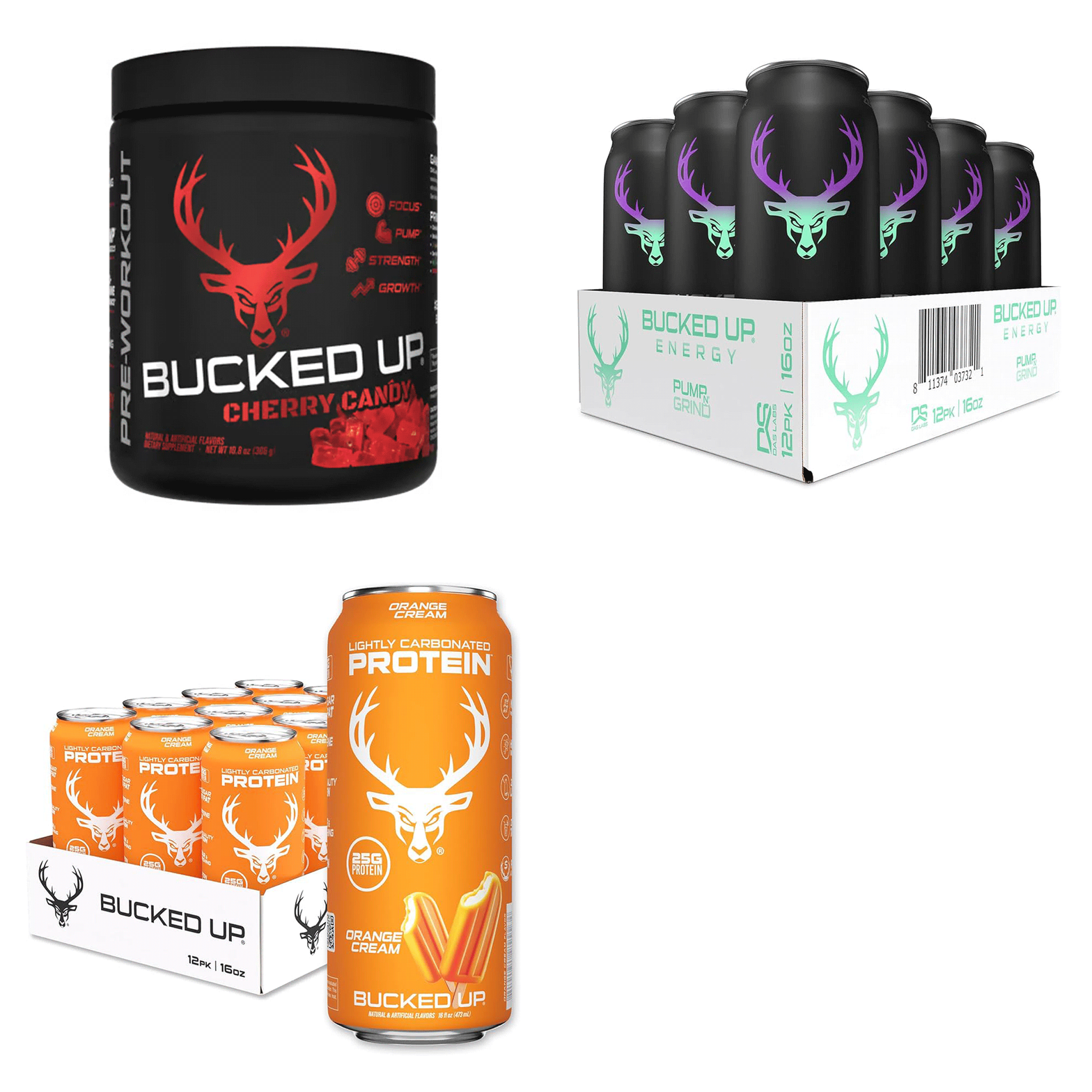
- Bucked Up Creatine offers powders, capsules, and candies that fit different loading and maintenance strategies, and you can explore options at this creatine collection page.
Understanding Creatine Loading: Why Muscle Saturation Matters
Creatine loading is a short period of higher-than-normal dosing that more quickly elevates muscle phosphocreatine levels. Creatine still requires time to reach full saturation, even when a loading phase is used. The main advantage of loading is a faster path to that saturation point.
Once muscles are saturated, they regenerate ATP more efficiently during intense efforts. This can support higher power output, more total reps, and better recovery between sets. A standard loading protocol of 20 grams per day for 5 to 7 days can raise muscle creatine and phosphocreatine by 10 to 40 percent, which explains why many athletes choose this option when they want results on a short timeline.
Key Factors When Choosing a Creatine Loading Phase
Speed of Muscle Saturation
Faster saturation delivers potential performance benefits sooner. Slower methods reach similar creatine levels but spread the process over several weeks, which can feel easier on the body for some people.
Efficacy and Performance
Effective protocols eventually reach similar saturation, but the timing differs. Some lifters want extra strength and power within days, while others are comfortable building benefits over a month of steady intake.
Risk of Side Effects
Higher doses can increase the chance of short-term bloating, water retention, or mild stomach discomfort. People with sensitive digestion often prefer lower daily dosing instead of aggressive loading.
Convenience and Consistency
Simple routines tend to be easier to follow. A plan that fits your schedule and habits usually beats a complex protocol that is hard to maintain.
Personal Goals and Tolerance
Competitive athletes often favor speed and are willing to accept a bit more discomfort. General fitness and wellness users usually choose smoother, lower-stress approaches that blend into daily life.
Comparing Creatine Loading Phase Protocols
Standard Loading Protocol: High Dose, Short Duration
A typical loading phase uses 20 grams per day, or about 0.3 grams per kilogram of body weight, split into four doses for 2 to 7 days, followed by a maintenance dose. This is the most studied approach.
Pros: Seven days of loading at 0.3 grams per kilogram per day increased total work by 23.1 percent and improved power output in a squat test to failure. Many users notice strength and performance changes within about a week.
Cons: Higher doses increase the chance of short-term bloating, water shifts, and digestive upset. The protocol also requires multiple daily servings and consistent hydration.
Best for: Competitive athletes with near-term events, lifters with good creatine tolerance, and anyone who values speed over maximum comfort.
Gradual Saturation: No Formal Loading Phase
Daily doses of around 3 to 5 grams gradually saturate the muscle over about 28 days. Intake of 3 grams per day without loading reaches intramuscular saturation in roughly four weeks. Full saturation with 3 grams per day for 28 days was documented in a 1996 trial.
Pros: Side effect risk stays low, adherence is simple, and cost remains steady over time. Many people find this method easiest to maintain.
Cons: Performance improvements usually appear later, which can feel slow for athletes with tight schedules.
Best for: Beginners, people focused on long-term health, and users who have a sensitive stomach or prefer minimal disruption.
Modified or Shorter Loading Protocols
Shorter loading periods of 2 to 3 days can still raise muscle creatine, especially when paired with protein or carbohydrate intake. These approaches aim to blend speed and comfort.
Pros: Muscle creatine rises faster than it does with no loading, but the side effect risk can be lower than week-long high-dose plans.
Cons: Research volume is smaller for these hybrid methods, and some users may still feel mild digestive issues.
Best for: Intermediate users who want quicker results than gradual dosing but prefer not to commit to a full week of heavy loading.
Creatine Loading Options at a Glance
|
Feature |
Standard Loading |
Gradual Saturation |
Modified Loading |
|
Typical Dose |
20 g per day for 5 to 7 days |
3 to 5 g per day |
20 g per day for 2 to 3 days |
|
Speed of Saturation |
Fast, about 1 week |
Slow, about 4 weeks |
Moderate |
|
Side Effect Potential |
Higher |
Low |
Moderate |
|
Ideal User |
Competitors and short timelines |
Health-focused and sensitive users |
Users seeking a middle ground |
Creatine from Bucked Up can match each of these strategies, from simple daily dosing to structured loading plans, and options are available at this creatine collection link.
Aligning Your Creatine Plan With Your Goals
Competitive Bodybuilder or Strength Athlete
Goal: Peak strength and power for an upcoming prep or competition phase.
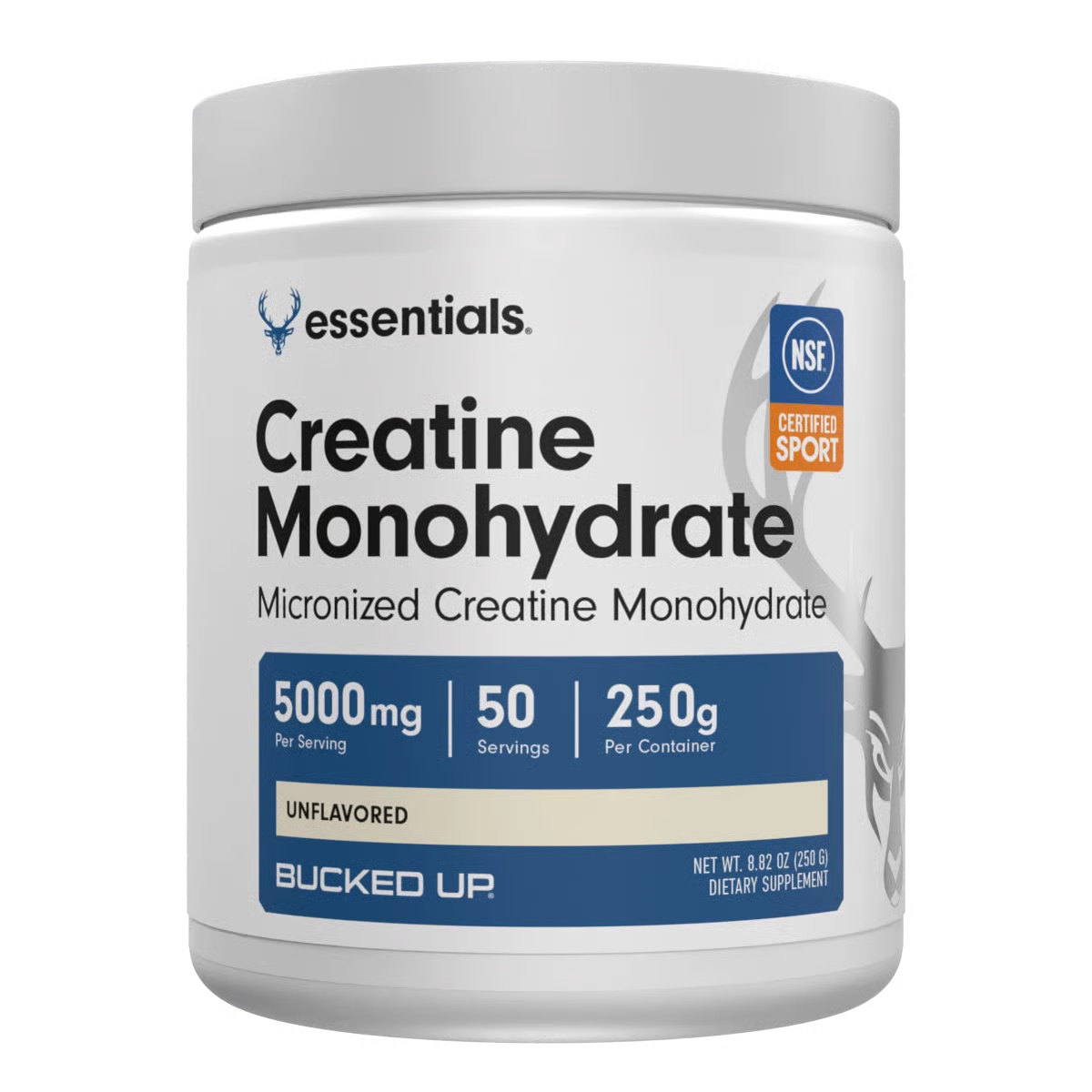
Suggested plan: Use a standard loading phase of 20 grams per day for 5 to 7 days, split into four servings, then shift to 3 to 5 grams per day for maintenance.
Product fit: Creatine monohydrate powder supports precise dosing, and multi-source blends can help sustain saturation across hard training blocks.
New Lifter or Casual Gym-Goer
Goal: Build strength and muscle steadily while avoiding unnecessary side effects.
Suggested plan: Take 3 to 5 grams per day from the start, without a loading phase, and keep intake consistent for at least a month.
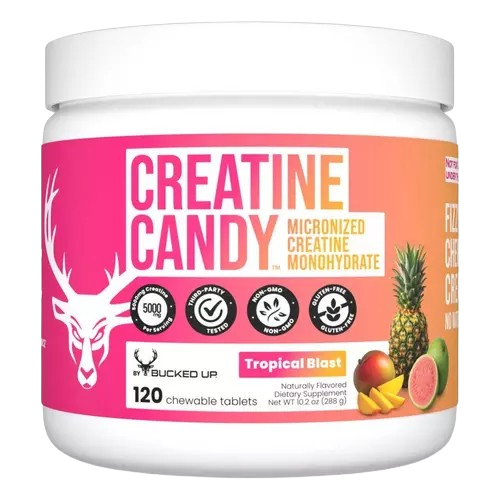
Product fit: Creatine candies or gummies turn daily dosing into a simple habit that is easy to remember.
Health-Focused User or Busy Professional
Goal: Support muscle maintenance, brain health, and overall performance with minimal disruption.
Suggested plan: Use 3 to 5 grams per day, taken at the same time each day, with no formal loading phase.
Product fit: Creatine HCl capsules, including options formulated for women, can support easy dosing and may reduce bloating for users who are prone to it.
Beyond Loading: Getting the Most From Creatine
Product Quality and Purity
Creatine quality shapes how well any protocol works. Products manufactured in NSF Certified and GMP Certified facilities, with purity near 99.8 percent, help limit contaminants that might affect absorption or comfort.
Hydration and Nutrient Timing
A protocol using 5 grams of creatine plus 18 grams of dextrose four times per day for five days increased anaerobic working capacity in women by 22.1 percent. That result highlights the value of pairing creatine with fluids and carbohydrates and of staying well hydrated, especially during loading.
Consistency Over Time
Daily creatine intake, even on rest days, keeps muscle stores elevated. Gaps of several weeks without supplementation allow levels to drift back toward baseline, which can reduce the benefits you notice.
Choosing a Creatine Form
Creatine monohydrate has the strongest evidence base and works well for most people. Creatine HCl and blended formulas can be useful for users who prefer smaller servings, improved solubility, or a lower likelihood of bloating.
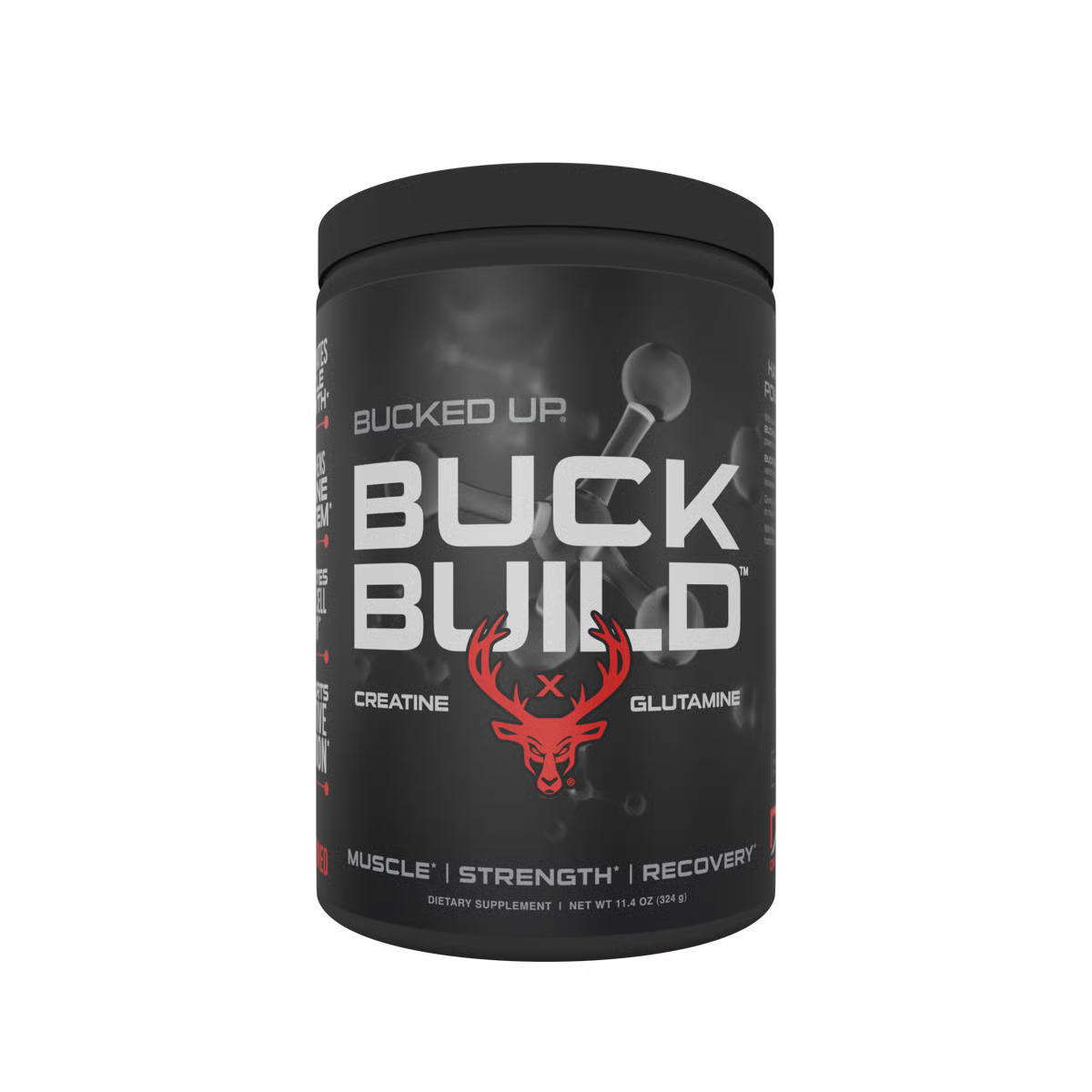
Users can match these preferences with products from the Bucked Up creatine line, available on this shopping page.
Common Questions About Creatine Loading
Whether You Need a Creatine Loading Phase
Loading is optional. A daily dose of 3 to 5 grams still brings muscles to saturation in about 28 days. Loading mainly changes how quickly you reach that point, not the final level of benefit.
How Loading Relates to Bloating or Stomach Upset
High doses can cause short-term water retention, bloating, or mild digestive discomfort for some users. Splitting the daily amount into several servings, drinking enough water, and using a finely milled, high-purity creatine can reduce these effects. Creatine HCl options, including capsule formats, are often chosen by users who want to further limit bloating potential.
Timeline for Creatine Results With and Without Loading
A standard loading phase of 20 grams per day for 5 to 7 days usually saturates muscles within about a week, so strength and power gains may appear sooner. A straight 3 to 5 gram daily plan tends to show similar benefits after roughly four weeks of consistent use.
Best Way To Maintain Creatine Levels After Loading
After a loading phase, a maintenance dose of 3 to 5 grams per day helps keep muscle creatine elevated. The exact time of day matters less than steady, daily intake.
Conclusion: Match Your Creatine Strategy to Your Training
The most effective creatine plan is the one that fits your goals, tolerance, and schedule. Standard loading reaches saturation quickly and can suit competitors. Gradual daily dosing supports long-term performance and wellness with fewer side effects. Modified approaches create a middle path between speed and comfort.
Bucked Up offers creatine powders, capsules, and candies that align with each of these strategies, so you can build a plan that feels practical and sustainable. You can explore the full creatine lineup at this Bucked Up Creatine page and choose the option that best matches your training and lifestyle.
*Disclaimer: These statements have not been evaluated by the Food and Drug Administration. This product is not intended to diagnose, treat, cure, or prevent any disease.