

Key Takeaways
- Most people reach full muscle creatine saturation with either a short loading phase or consistent daily dosing without loading.
- Daily intakes of 3–5 grams of creatine monohydrate work well for long-term strength, power, and body-composition support.
- Body weight, goals, and stomach sensitivity all influence whether a loading phase, steady-state dosing, or weight-based approach fits best.
- Higher doses do not keep increasing creatine levels once muscles are saturated, and typical protocols do not need major changes based on sex or training status.
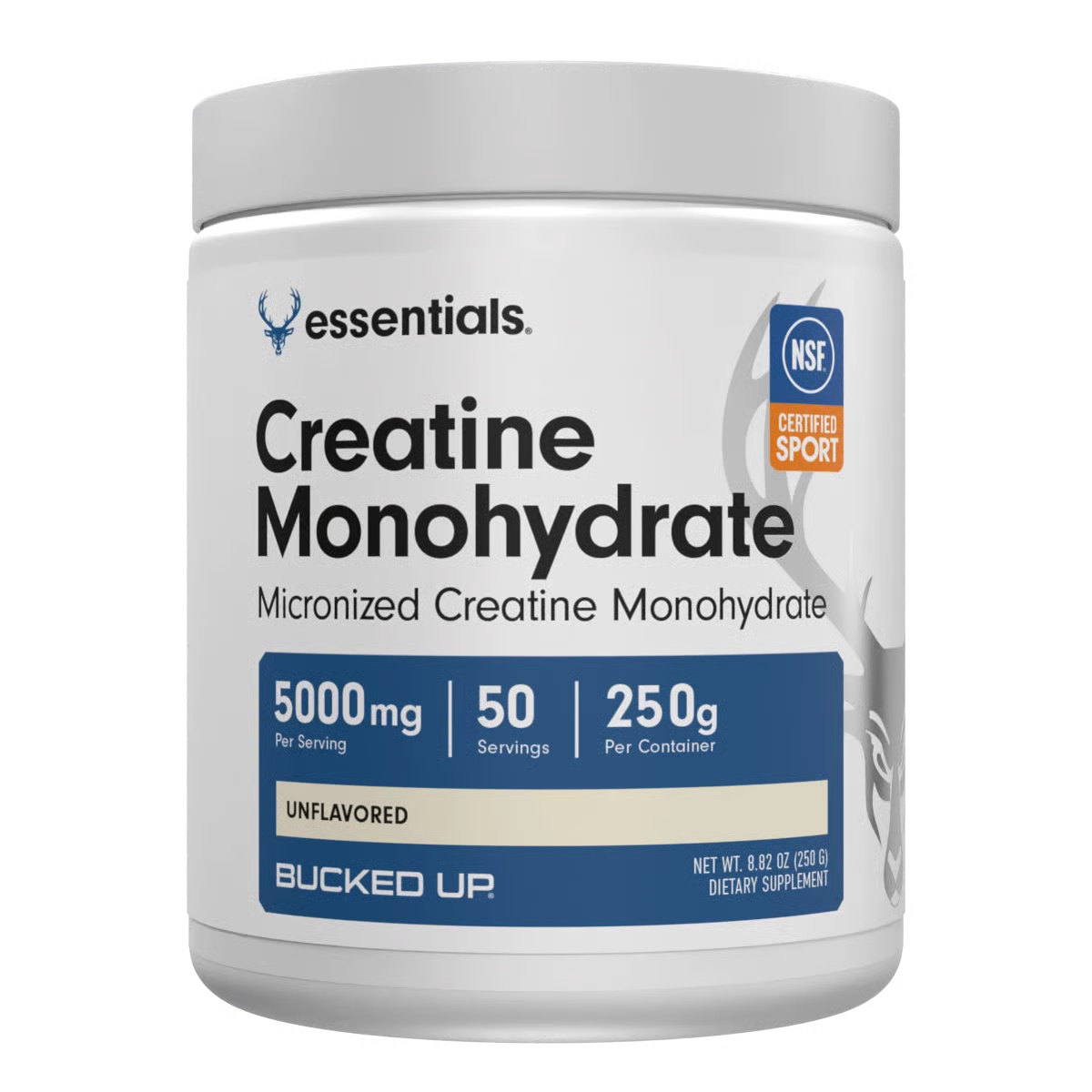
- Creatine can be taken in simple daily servings, and options like Bucked Up Creatine make it easy to follow an effective dosage plan.
Why Creatine Dosing Matters For Results
Clear dosing helps you avoid two common problems: taking too much and wasting product, or taking too little and seeing minimal results. Many diets provide only 1–2 grams of creatine per day, which leaves muscle stores about 60–80 percent full. Supplementation can raise muscle creatine by about 20–40 percent, which supports ATP regeneration, power output, and recovery between intense efforts.
Muscles can only hold a limited amount of creatine. Excessive intake can cause digestive discomfort and add cost without improving performance. Very low doses may never fully saturate your muscles, so strength, power, and potential cognitive benefits* stay below their potential.
Targeted, evidence-based dosing keeps your muscles near saturation and supports consistent progress over time.
Explore Bucked Up Creatine options that fit your dosing strategy
Creatine Loading vs. Maintenance: Two Main Approaches
Most effective creatine routines use one of two strategies: a short loading phase followed by maintenance, or a simple, steady daily dose with no loading.
Loading Phase For Rapid Saturation
A standard loading protocol uses higher short-term intake to fill muscle stores quickly. A commonly studied plan uses 20–25 grams of creatine monohydrate per day for 5–7 days, split into four or five 5-gram doses.
Dividing the daily total into several servings helps limit stomach discomfort and supports uptake. Many athletes and lifters who want faster strength or power changes prefer this approach, since saturation often occurs within about a week.
Loading is optional. People who respond poorly to high doses, especially those with sensitive stomachs, often skip this phase and go straight to maintenance dosing.
Maintenance Phase For Long-Term Use
Daily intake of 3–5 grams works well for most people once muscles are saturated. This range maintains elevated creatine levels after loading and can also work as a stand-alone plan with no loading phase.
Consistent intake of about 3 grams per day without loading reaches full saturation in roughly 28 days. This slower but steady method suits people who prefer simplicity and lower daily amounts.
Clinical data support 3–5 grams per day as an effective long-term maintenance dose for performance and muscle creatine levels.
Weight-Based Dosing For A Personalized Plan
Body size influences how much creatine you need to reach similar saturation levels. Larger people usually need more total creatine than smaller people.
The International Society of Sports Nutrition supports a loading dose of 0.3 grams per kilogram of body weight per day for 5–7 days, followed by 3–5 grams per day for maintenance. This keeps the dosage proportional to body mass.
Effective daily intakes often fall in the 0.03–0.14 grams per kilogram range over time, so heavier lifters can reasonably use the higher end of common dosing ranges.
Use Bucked Up Creatine to apply these dosing guidelines in a simple daily routine
Matching Creatine Dosage To Your Goals And Lifestyle
Clear goals make choosing a dosage strategy easier. Strength-focused athletes, casual lifters, and people focused on longevity can all use slightly different approaches while staying within safe, supported ranges.
Strength and power athletes often favor a loading phase, then 3–5 grams per day. Rapid saturation can support harder training sessions sooner, and consistent maintenance helps sustain output over time.
People focused on muscle preservation, healthy aging, or cognitive support* often choose a steady daily intake without loading. A review in older adults found no major difference in fat-free mass gains between intakes at or below 5 grams per day and higher intakes when combined with resistance training, which supports using moderate, consistent doses.
Consistent daily intake matters more than exact timing. Many people simply take creatine with a regular meal or shake at a time that feels easy to remember and comfortable on the stomach.
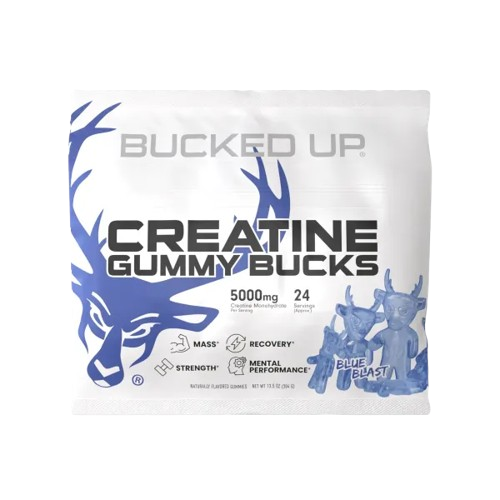
People who prefer smaller servings or who travel often may choose capsule, gummy, or HCl forms for convenience and comfort. These forms can make adherence easier, which often matters more than small differences in absorption.
Common Creatine Dosage Myths
Several long-running myths still affect how people use creatine. A few clear points can simplify decisions.
Muscle creatine stops increasing once stores are saturated, so very high ongoing doses do not keep raising levels. Extra creatine above this point adds cost and can increase the risk of bloating or cramping without adding benefits.
Long-term use of 3–5 grams per day appears well tolerated in healthy individuals, and typical protocols do not require cycling on and off. Many users maintain similar doses year-round.
Total daily intake and muscle saturation drive most of the benefits, not precise pre- or post-workout timing. This gives you flexibility to take creatine when it best fits your routine.
Standard dosage ranges work well across sex and training status. Women and men can both use the same general loading and maintenance guidelines, adjusting only for body size, tolerance, and personal goals.
|
Dosage Protocol |
Daily Amount |
Duration |
Best For |
|
Loading Phase |
20–25 g (split doses) |
5–7 days |
Fast saturation, short timelines |
|
Maintenance |
3–5 g |
Long-term |
Ongoing strength and performance |
|
Steady-State (no loading) |
3 g |
28+ days |
Gradual saturation, sensitive stomachs |
|
Weight-Based |
About 0.1 g/kg |
Daily |
Highly personalized approach |
Creatine Dosage Frequently Asked Questions
What is the minimum effective daily creatine dose?
The lowest dose that still delivers meaningful results for most people is about 3 grams per day. With consistent intake, this amount usually saturates muscles within roughly 4 weeks and supports strength, power, and potential cognitive benefits* without the need for a loading phase.
What happens if you take too much creatine?
High single doses above what muscles can store do not improve performance and often increase the chance of bloating, cramping, or diarrhea. Doses above about 10 grams at one time are more likely to cause issues, which is why higher short-term protocols use split servings throughout the day. Excess creatine that your muscles cannot store is excreted.
Should you adjust your creatine dosage based on training intensity?
Once muscles are saturated, creatine stores stay relatively stable across different training intensities. Very active people may choose the higher end of the maintenance range, such as 4–5 grams per day, to support regular intense training and potential increases in turnover.
How long does creatine take to work?
Loading protocols often produce noticeable strength and power changes within 5–7 days. Steady daily intakes of 3–5 grams without loading usually lead to clear effects after about 2–4 weeks of consistent use. Potential cognitive changes may take 4–6 weeks of regular intake to become obvious.
Does the form of creatine you take change the ideal dose?
Most dosage research focuses on creatine monohydrate, which remains the standard reference form. Other forms, such as creatine HCl, may be used in smaller servings due to different solubility and tolerance profiles, but they should still aim to support similar outcomes. A practical plan is to start with the manufacturer’s suggested serving and adjust only if needed based on comfort and results.
*Disclaimer: These statements have not been evaluated by the Food and Drug Administration. This product is not intended to diagnose, treat, cure, or prevent any disease.