Written by: Ryan Gardner, Owner, Managing Partner, CEO, Bucked Up | Last updated: April 17, 2026
Key Takeaways
- Creatine HCl offers high solubility and minimal bloating compared to monohydrate, with 750mg daily dosing and no loading phase.1
- Multi-creatine blends like Six Point combine six forms for broader absorption and staged delivery, supporting consistent muscle saturation.1
- HMB + creatine stacks support muscle preservation, growth, and recovery by reducing protein breakdown during intense training.1
- Beta-alanine and betaine support endurance and power and can stack with creatine for more complete performance support.1
- Bucked Up’s NSF-certified creatine alternatives like CON-CRĒT HCl, Six Point, and gummies deliver bloating-free results; explore NSF-certified options that eliminate bloating.1
Top Creatine Alternatives for Athletes in 2026
The following table compares leading creatine alternatives by benefits, dosing, and matching Bucked Up products so you can quickly see which option fits your training style and tolerance.
| Alternative | Key Benefits | Athlete Dosing | Bucked Up Match |
|---|---|---|---|
| Creatine HCl | Enhanced solubility, reduced bloating | 750mg daily, no loading | CON-CRĒT® HCl Capsules |
| Multi-Creatine Blends | Kinetic delivery, broader absorption | 5g around workouts | Six Point Creatine (6 forms) |
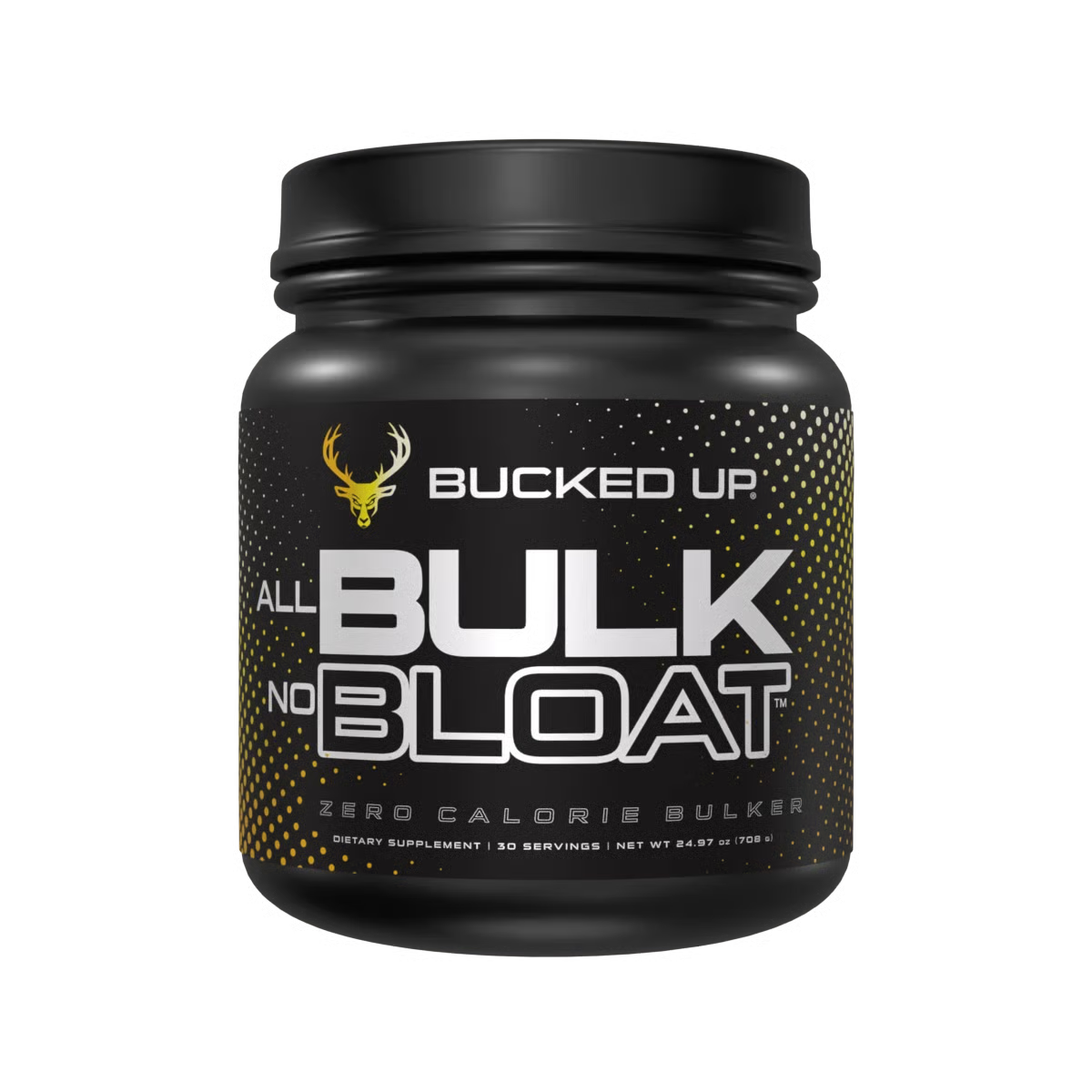
| HMB + Creatine | Supports muscle preservation and growth | 5g creatine + 3g HMB | All Bulk No Bloat |
| Beta-Alanine | Endurance support in trained athletes | 4-6g daily | Six Point Creatine stack |
| Betaine | Power output, cellular hydration | 2.5g daily | All Bulk No Bloat blend |
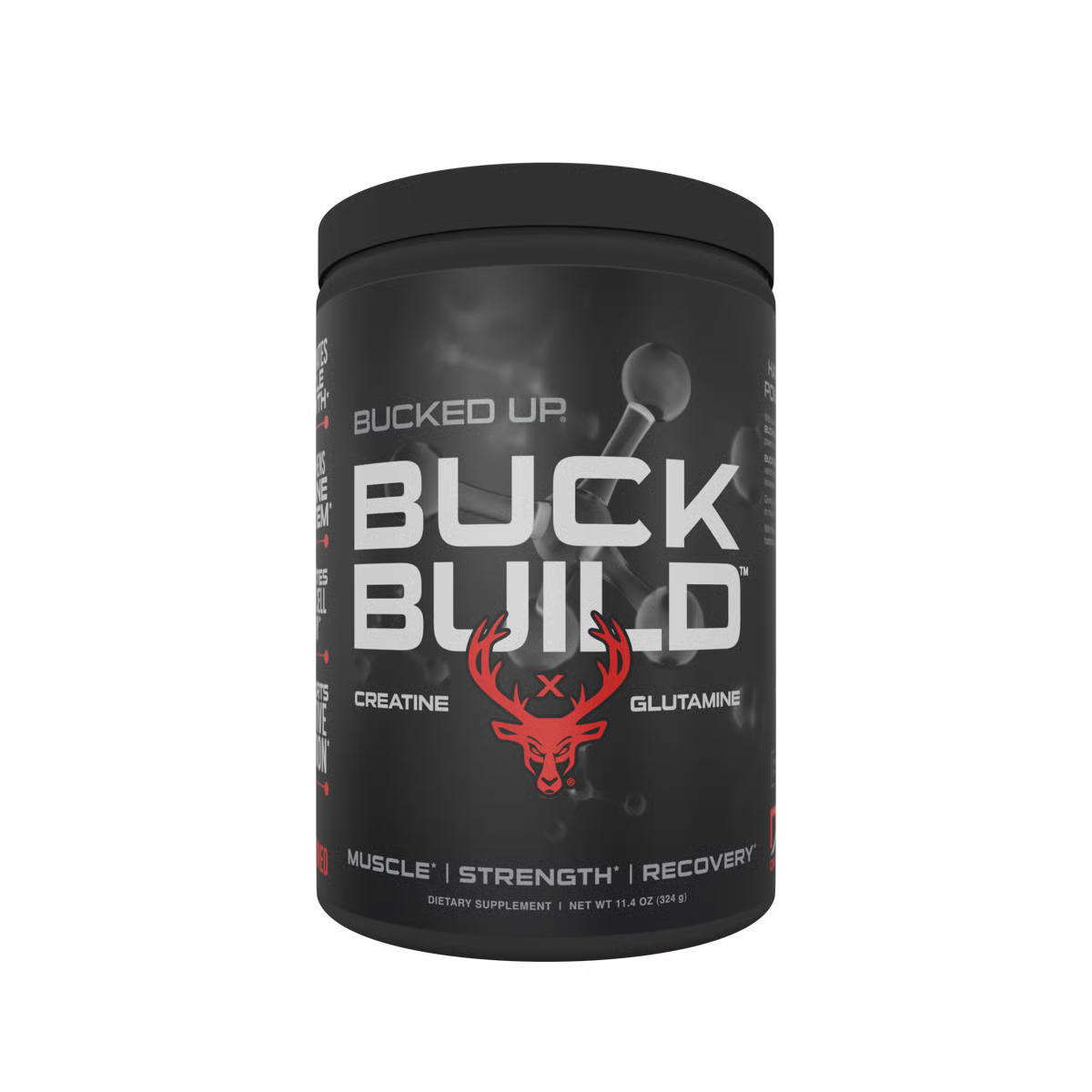
| Glutamine + Creatine | Recovery, immune support | 5g each post-workout | Buck Build |
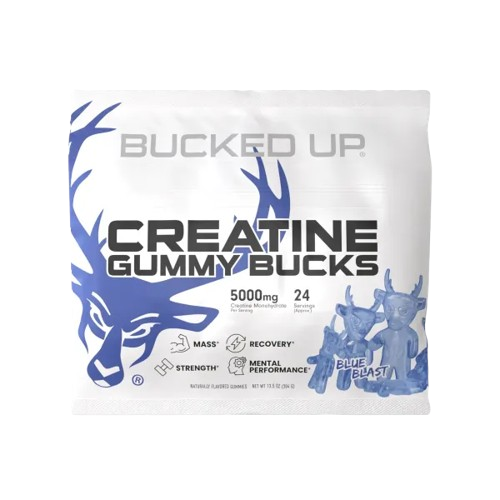
| Gummies/Candy | Portable, no mixing required | 5g (5 gummies) | Tropic Thunder Gummies |
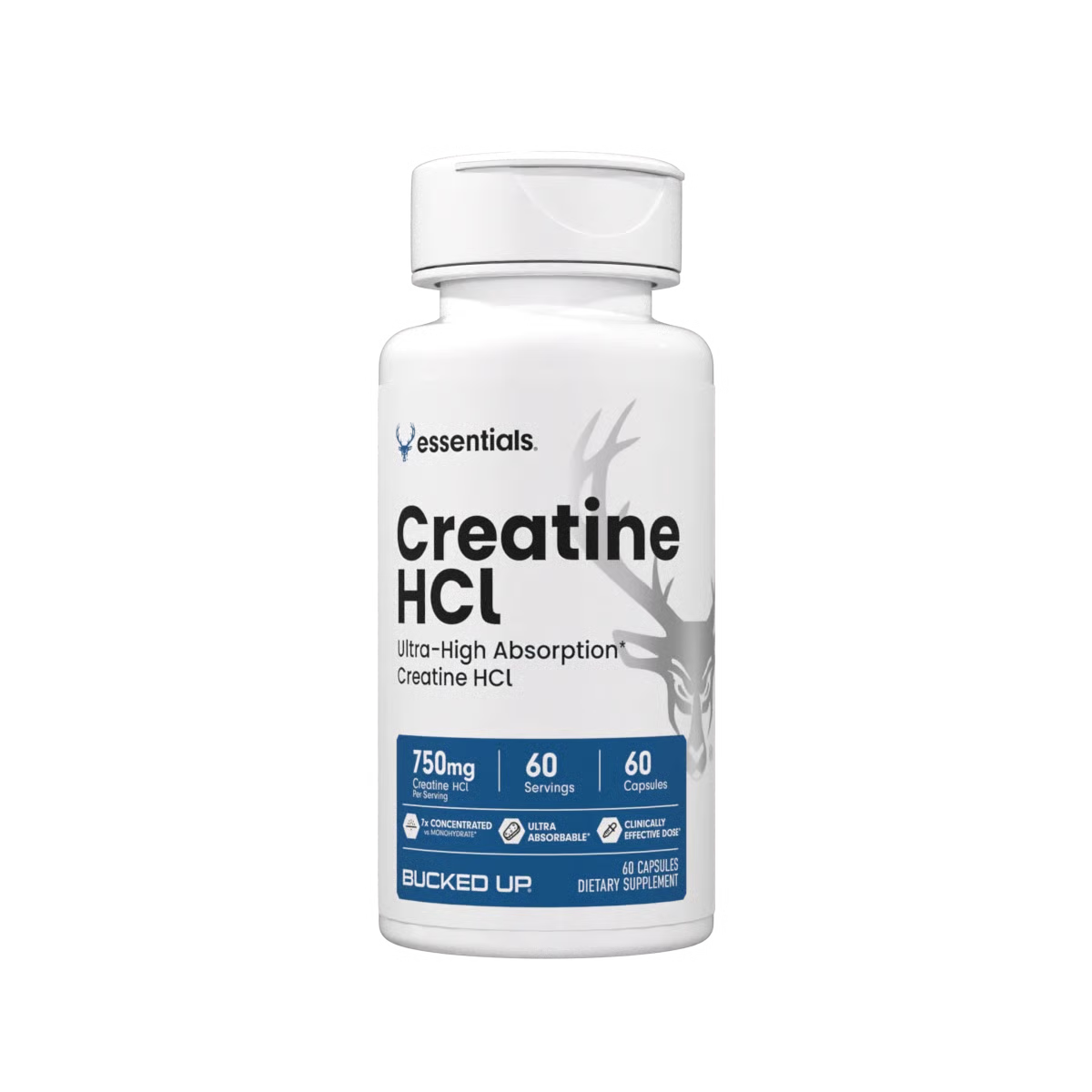
Among these alternatives, creatine HCl suits athletes who experience bloating with monohydrate. The hydrochloride form dissolves easily, uses smaller daily doses, and removes the need for loading phases. Bucked Up’s CON-CRĒT® HCl capsules deliver 750mg of creatine HCl per capsule for fast-acting muscle fuel with minimal water retention.1
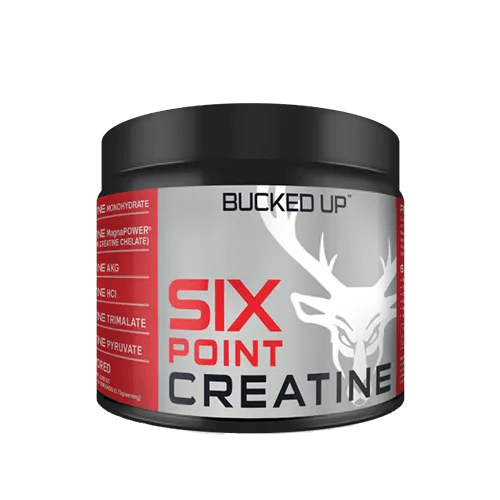
While HCl offers a single-form solution, multi-creatine blends like Bucked Up’s Six Point use six different creatine forms for broader absorption.1 This strategy targets several uptake pathways and timing windows, which can support more complete muscle saturation than a single-form supplement.1
Head-to-Head Comparison: Creatine HCl vs Monohydrate vs Blends
This comparison highlights key differences in dosing needs, bloating risk, and convenience across the main creatine categories so you can weigh trade-offs based on your priorities.
| Form | Absorption/Dosing | Bloating Risk | Convenience |
|---|---|---|---|
| Creatine HCl | 750mg, no loading phase | Minimal GI distress | Capsules, travel-friendly |
| Monohydrate | 5g daily, 20g loading | 41.67% of participants in the standard dose group and 66.67% in the loading dose group experienced bloating with creatine monohydrate | Powder mixing required |
| Multi-Blends | 5g workout-timed | Reduced vs monohydrate | Single scoop, multiple benefits |
The bloating differences shown above make Bucked Up’s HCl formulation particularly useful for athletes who want to address water retention concerns while keeping performance benefits.1 Athletes report the minimal GI distress noted in the table and strength gains without the aesthetic drawbacks linked to traditional loading.1
For athletes who prioritize maximum absorption and versatility, Six Point Creatine uses six complementary forms, including monohydrate, gluconate, anhydrous, tri-creatine malate, ethyl ester HCl, and di-creatine malate. This multi-pathway design supports more flexible muscle saturation timing across the day.1
Stacking strategies build on these base forms. Many sprint athletes pair HCl with l-citrulline to support power output, while endurance athletes often combine creatine with beta-alanine for sustained performance during longer sessions.1
Matching Creatine Alternatives to Athlete Profiles
Your training demands determine which creatine alternative delivers the best return. Power athletes including sprinters and weightlifters need creatine forms that support explosive movements without water retention that could affect muscle definition or add non-functional weight. This need makes creatine HCl or Six Point blends appealing because their rapid absorption and lower bloating risk support strength gains without noticeable puffiness.1 Bucked Up’s HCl capsules provide the precise dosing noted earlier for consistent results.
When training focuses more on recovery between hard sessions, HMB combinations become more relevant. Research suggests HMB can help enhance protein synthesis while reducing protein breakdown, which supports muscle preservation during heavy training blocks.1 Bucked Up’s All Bulk No Bloat pairs 5g creatine monohydrate with 3g HMB for broad muscle support.
For athletes whose training emphasizes sustained output over explosive power, endurance-focused plans benefit from creatine stacked with beta-alanine. While recent 2025 research in trained futsal players showed mixed results for high-dose beta-alanine, these findings suggest that moderate dosing combined with creatine can support both power and endurance adaptations without the diminishing returns seen at higher doses.
Real-world athlete profiles show how these options play out. Competitive sprinters often favor gummy formats for travel convenience and quick dosing, while bodybuilders tend to choose capsules for precise control without flavor fatigue. Bucked Up’s range of capsules, powders, and gummies gives these different athletes consistent quality across formats.
Practical Considerations for Daily Athlete Use
Consistent timing matters more than any single dose window for creatine alternatives. Daily consumption, including rest days, maintains muscle saturation so performance stays steady across the week. This need for steady levels explains why Bucked Up recommends consistent dosing instead of workout-only protocols.
Hydration needs rise with every creatine form. Athletes should drink 80-100 ounces of water per day to support cellular uptake and reduce dehydration risk. This guideline becomes especially important with HCl forms, which may absorb more efficiently and draw more water into muscle cells.
Stacking choices also affect daily routines. Post-workout timing works well for recovery blends like Buck Build, which combines creatine with glutamine to support muscle repair.1 Convenience formats such as gummies and candy help athletes who dislike powder mixing or travel often but still want to keep their intake consistent.
Find the creatine format that fits your daily routine—capsules, powder, or gummies
Why Bucked Up Creatine Alternatives Stand Out
The NSF Sport certification mentioned earlier supports 99.8% purity standards across Bucked Up creatine products and includes banned substance testing. Recent 2026 innovations add Tropic Thunder gummies that deliver 5g creatine monohydrate in a chewable format and fizzy candy tablets that fit easily into travel or work bags.
The bloating-free experience noted in the comparison above appears consistently in user feedback. One Six Point user reported gaining 10 pounds after years at the same body weight without signs of water retention. This type of result suggests that the added weight likely came from muscle tissue instead of water, which aligns with the absorption profiles of Bucked Up’s creatine alternatives.1
Transparent labeling further separates Bucked Up from competitors that can use proprietary blends. Every ingredient amount appears clearly on the label so athletes can see exactly what they take and how it fits into their overall stack. The NSF certification adds another layer of assurance for athletes who face drug testing.
Manufacturing in GMP certified facilities ensures consistent quality and potency across batches, so athletes receive the same labeled dose every time they use products like HCl capsules or Six Point blends. This batch-to-batch reliability becomes crucial for athletes who depend on steady performance support from their supplementation routine.1
Frequently Asked Questions
Should I choose capsules or powder for creatine alternatives?
Capsules such as Bucked Up’s HCl formulation avoid bloating and chalky taste issues that some athletes experience with powders.1 They also provide precise dosing without measuring or mixing, which suits travel and busy schedules. Powders work better for athletes who like to mix creatine with other supplements or prefer flavored drinks.
Do I need to take creatine alternatives on rest days?
Daily intake supports steady muscle saturation levels that drive performance.1 Creatine builds up in muscle tissue over time, so consistent use on both training and rest days helps maintain full stores when you return to hard sessions.
How much water should I drink with creatine alternatives?
Aim for 80-100 ounces of water per day regardless of creatine form. Adequate hydration supports cellular uptake and reduces the dehydration risk that can appear when muscles pull water for creatine storage.1 Take each dose with 8-12 ounces of water to support absorption.
Are creatine alternatives suitable for women?
Women can use creatine alternatives effectively. Bucked Up’s Babe Creatine HCl is formulated for women who want lean muscle development without noticeable bloating. The HCl dosing supports strength gains and recovery while aligning with aesthetic goals many female athletes value.1
Can I stack different creatine alternatives together?
Multi-creatine blends like Six Point already combine several forms for broader absorption.1 Stacking multiple single-form creatines can increase total intake quickly, so athletes need to track their total grams carefully. Many athletes instead pair creatine with complementary ingredients such as HMB or beta-alanine to expand benefits without doubling creatine sources.
Conclusion
Creatine alternatives give athletes options when traditional monohydrate causes bloating or does not fit their routine, while still supporting proven performance benefits.1 Athletes can choose reduced bloating with HCl, enhanced recovery with HMB combinations, or convenient delivery through gummies and candy formats. Bucked Up’s product line covers these needs so different athlete types can match creatine formats to their training goals.
Choose your creatine alternative based on your specific training goals and bloating tolerance
1 The content provided in this article is for informational purposes only and is not medical advice. Consult with a medical professional before implementing any changes to your diet, health, or exercise routines.
Individual results will vary and are based on a combination of each individual’s diet, exercise, age, and health circumstances.
These statements have not been evaluated by the Food and Drug Administration. This product is not intended to diagnose, treat, cure or prevent any disease.
This article was written by Ryan Gardner, CEO of Bucked Up. As the maker of Bucked Up Creatine, we have a financial interest in this information. The views expressed are our own and should be read with that context in mind