
Key Takeaways
- Multi-blend creatines like Bucked Up Six Point rank #1 for absorption, using six forms that target multiple pathways without bloating.
- Creatine HCl delivers about 10x better solubility than monohydrate, which supports sensitive stomachs and reduces GI issues at lower doses.
- Micronized monohydrate remains the gold standard, with roughly 99% bioavailability and strong clinical evidence for strength and muscle gains up to 2.18 kg.
- Liquid creatine ranks last because it quickly degrades into creatinine, while ethyl ester underperforms in studies despite bold marketing claims.
- Choose Bucked Up’s innovative creatine lineup for your goals, and shop now to maximize performance without bloat.
Why Efficient Creatine Absorption Drives Real Results
Creatine powers ATP regeneration during high-intensity exercise, so efficient absorption directly affects performance. Poor uptake limits muscle saturation, slows progress, and often brings bloating or digestive discomfort. Creatine uptake occurs primarily through Na+/Cl−-dependent transporters, with over 90% of cellular uptake using this route, which shows why absorption efficiency matters so much.
Well-absorbed creatine delivers measurable strength, muscle, and cognitive benefits. Athletes see significant strength increases, with creatine outperforming protein alone by 1.81 kg in strength gains. Beyond the gym, research from KU Medical Center links creatine to better memory scores and slower cognitive decline.
Water retention and dosing myths still confuse many lifters. Most water retention appears during loading phases and fades with steady maintenance dosing and good hydration. The International Society of Sports Nutrition recommends daily creatine intake, even on rest days, to keep muscles saturated so you are ready to perform when training starts again.
How This Guide Ranks Each Creatine Type
This ranking system scores creatine forms across seven clear criteria. These include absorption and bioavailability, solubility and mixability, GI tolerance, clinical evidence for strength and cognitive benefits, dosage efficiency, cost per effective dose, and convenience. These factors align with 2025 ISSN guidelines that recommend 3–5 g daily maintenance dosing for reliable results. Each creatine type draws on peer-reviewed research, clinical outcomes, and real user feedback to build a practical performance ranking.
6 Creatine Types Ranked by Absorption and Comfort
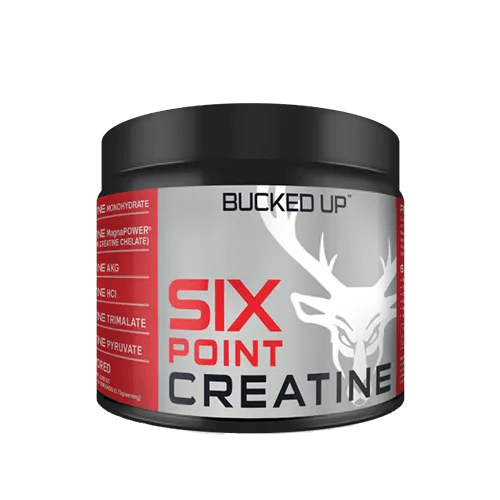
1. Multi-Blends: Bucked Up Six Point Creatine
Six Point Creatine combines six creatine forms: 2.5 g monohydrate, 1.25 g gluconate, 750 mg anhydrous, 500 mg tri-creatine malate, 500 mg ethyl ester HCl, and 250 mg di-creatine malate. This multi-pathway design supports different absorption routes and release speeds for strong muscle saturation. The blend helps many so-called non-responders while easing bloating through varied molecular structures.
Users often report noticeable strength gains without digestive issues. This profile makes Six Point a strong choice for athletes who want maximum absorption and smoother digestion in one scoop.
2. Creatine HCl: Bucked Up Creatine HCl & Babe Creatine
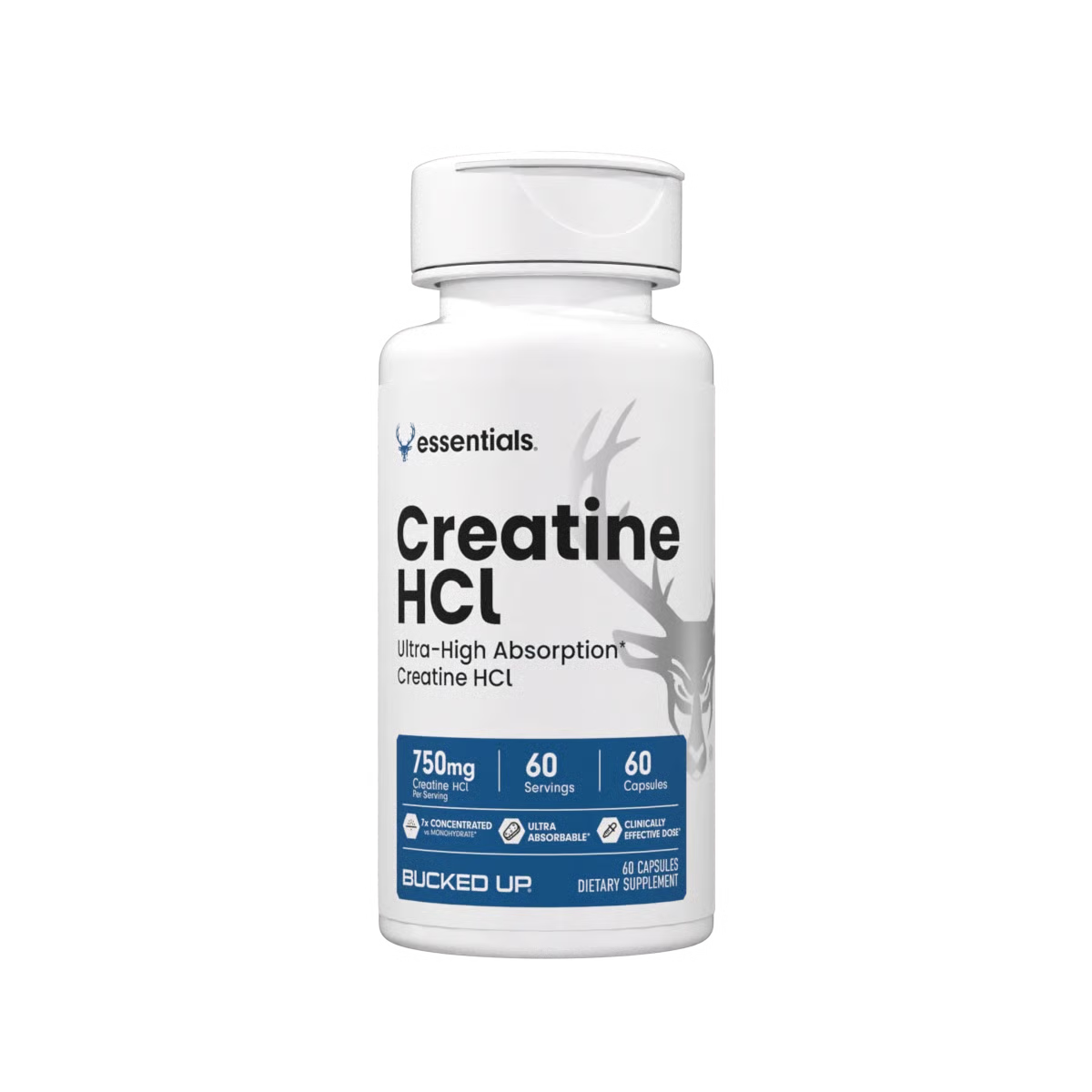
Creatine HCl dissolves about 10 times better than monohydrate and stays more stable in stomach acid, which lowers the risk of GI side effects. Bucked Up’s CON-CRĒT® HCl capsules deliver 750 mg per serving with excellent solubility and quick cellular uptake. Precise dosing removes guesswork, and higher bioavailability means smaller amounts can still support full saturation.
This form works especially well for lifters with sensitive stomachs or anyone who prefers a bloat-free capsule instead of a shaker bottle.
3. Micronized Monohydrate: Bucked Up Pure Creatine
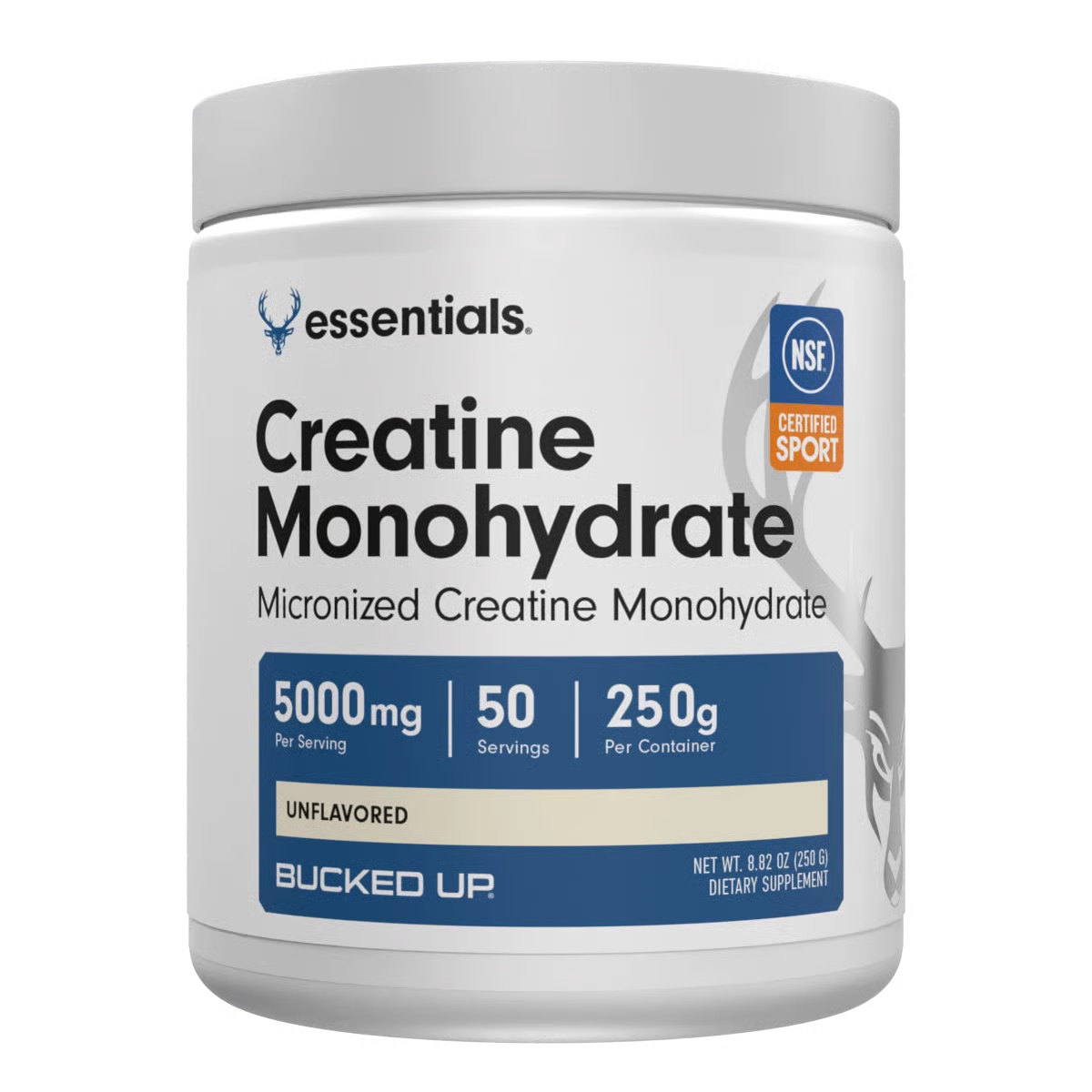
Creatine monohydrate shows bioavailability above 99%, with hundreds of clinical trials confirming its safety and effectiveness. Bucked Up’s micronized Pure Creatine uses smaller particles that mix more easily and feel smoother to drink. The product delivers 5 g per serving and comes in flavors like Blue Raspberry and Mango Pineapple for easier daily use.
The depth of research behind monohydrate makes it the reference point for every other creatine form on the market.
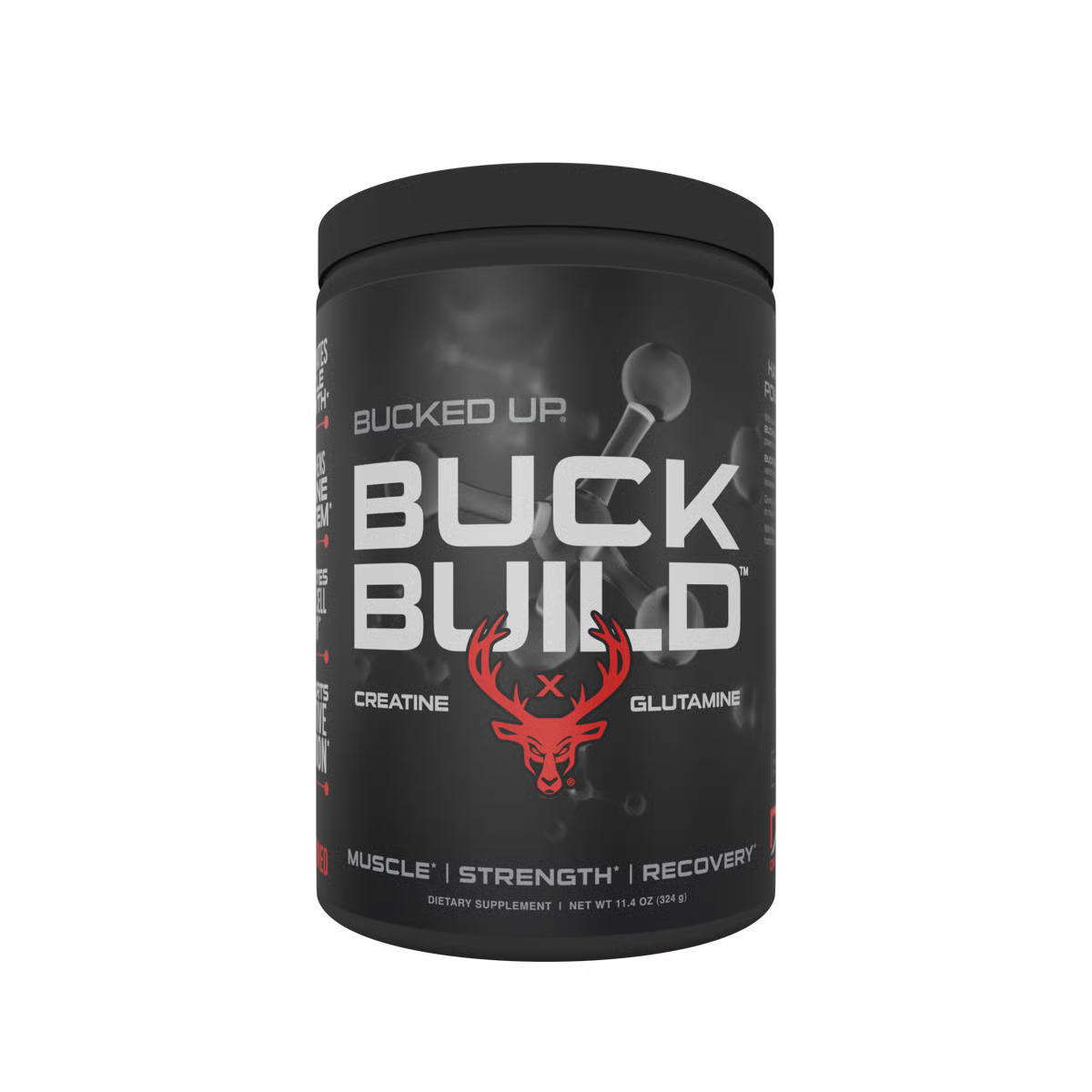
4. Magnesium Creatine/Citrate: Buck Build
Buck Build pairs creatine with magnesium and citrate to support ATP production and absorption. Magnesium supports energy metabolism, while citrate can improve uptake. The formula also includes recovery ingredients such as L-Glutamine and betaine for broader muscle support.
This multi-ingredient approach targets energy production and recovery together. It usually requires a larger serving size than pure creatine, which suits athletes who want a more complete performance formula in one product.
5. Creatine Ethyl Ester and Malate
Clinical trials have debunked claims that creatine ethyl ester offers superior bioavailability, showing no advantage over monohydrate. These forms tend to break down into creatinine more quickly, which lowers the amount of usable creatine.
Some blends include ethyl ester or malate as part of a larger formula. As standalone products, they usually underperform compared with monohydrate or HCl.
6. Liquid Creatine Formulas
Liquid creatine struggles with stability and often degrades during storage. In liquid, creatine converts to creatinine relatively quickly, which does not support performance. Many liquid products contain far less active creatine by the time you drink them.
This pattern makes liquid creatine the least reliable delivery method, even when marketing suggests faster absorption.
Creatine Monohydrate vs HCl vs Six Point: Direct Comparison
|
Type |
Absorption/GI Tolerance |
Performance Evidence |
Bucked Up Product Example |
|
Monohydrate |
About 99% bioavailability, micronized form improves solubility |
Gold standard with roughly 1.81 kg strength advantage over protein alone |
Pure Creatine (flavored powder) |
|
HCl |
High solubility, gentle on digestion, minimal bloating |
Similar performance outcomes at lower doses |
Creatine HCl/Babe capsules |
|
Multi-Blend (Six Point) |
Multi-pathway saturation, fewer GI complaints |
Combined benefits, user reports of 10 lb gains |
Six Point (mix-anywhere convenience) |
This comparison highlights clear strengths for each type based on goals and tolerance. Athletes who want maximum absorption and coverage often choose Six Point’s multi-pathway blend. Lifters with sensitive digestion usually favor HCl for its smooth profile. Monohydrate remains the budget-friendly workhorse with the deepest research base. Powder and capsule formats show similar effectiveness for muscle saturation when total daily intake stays consistent.
Matching Creatine Types to Your Goals
The right creatine choice depends on your goals, digestion, and daily routine. Competitive or highly dedicated athletes often get the most from Six Point Creatine because its multi-pathway formula supports broad absorption. People with sensitive stomachs usually do better with HCl capsules such as Babe Creatine.
Busy users who dislike mixing powders may prefer gummies or candy-style creatine for grab-and-go convenience. These formats keep intake consistent, which matters more than the specific flavor or texture.
Strong absorption also depends on daily habits. Adequate hydration supports creatine transport, and pairing creatine with carbohydrates can enhance uptake through insulin-related pathways. Post-workout dosing with about 50 g of protein and 50 g of carbohydrates can further support absorption. Over months, consistent daily intake matters more than exact timing for full saturation.
Frequently Asked Questions About Creatine Types
Is creatine HCl better than monohydrate?
Creatine HCl offers higher solubility and tends to cause less bloating, which suits sensitive stomachs and capsule users. Monohydrate, however, carries far more research and usually costs less per effective dose. Both forms can reach similar saturation and performance when taken consistently. Choose HCl for comfort and convenience, or monohydrate for maximum data and value.
How can I get close to full creatine absorption?
Use micronized or multi-blend formulas that mix easily and support multiple uptake routes. Take 3–5 g daily, even on rest days, so muscles stay saturated. Combine creatine with carbohydrates after training to support insulin-driven transport. Drink enough water each day, and avoid very high doses that can overwhelm transport systems.
Which creatine works best for no bloating?
Creatine HCl and multi-blends like Six Point Creatine usually cause the least bloating. HCl dissolves cleanly, which reduces gritty residue that can irritate digestion. Blended formulas spread absorption across several pathways, which can feel easier on the gut. Good hydration and skipping aggressive loading phases also help control water retention.
Should I keep taking creatine on rest days?
Daily creatine use keeps muscle stores topped off, even when you are not training. Muscles slowly use stored creatine, so they need steady replenishment. Skipping rest days can lower saturation and slightly reduce performance once you return to hard sessions. Consistency from day to day matters more than exact workout timing.
Are creatine gummies as effective as powder?
Creatine gummies can match powder when the total daily dose reaches 3–5 g. The main difference lies in convenience, flavor, and cost, not in bioavailability. Gummies feel easier to carry and enjoy, while powders offer flexible dosing and better value per gram. Both can support similar performance when taken every day.
Why Bucked Up Stands Out in Creatine Innovation
Bucked Up designs its creatine lineup to solve real absorption and comfort challenges. Six Point Creatine leads with multi-pathway saturation technology, and HCl options give sensitive users a smoother, bloat-free choice. The brand maintains 99.8% purity standards and holds NSF and GMP certifications, which support safety and quality across all products.
Customer feedback consistently points to strong results with Bucked Up creatine. Many Six Point users report gains of around 10 pounds without noticeable bloating. The range spans classic powders, convenient gummies, and candy-style options, which removes common barriers to daily use while keeping clinical effectiveness in focus.