Written by: Ryan Gardner, Owner, Managing Partner, CEO, Bucked Up | Last updated: April 17, 2026
Key Takeaways
- You can bulk without whey by eating in a caloric surplus, training hard, and using whey-free supplements like creatine.
- Creatine monohydrate supports strength, lean mass gains (+1.14kg vs training alone), and ATP regeneration without dairy-related issues.1
- Whey-free options include plant proteins, egg isolate, dairy-free mass gainers, EAAs, beta-alanine, HMB, and slow-digesting casein alternatives.
- Effective stacks pair 5g daily creatine with plant protein and carbs to support uptake, plus 80-100oz of water for hydration.1
- Bucked Up creatine offers 99.8% purity, NSF/GMP certification, and formats like gummies or HCl that fit whey-free bulking plans.
Bulking Without Whey Protein Is Absolutely Possible
Successful bulking depends on a consistent caloric surplus and progressive overload training, not on whey protein alone. Desai et al.’s 2024 meta-analysis found that creatine supplementation during resistance training increased lean body mass by an additional 1.14 kg compared to resistance training alone.1 This evidence shows that non-protein supplements can still deliver meaningful muscle-building support.1 Creatine becomes especially useful for skinny guys and hardgainers who cannot tolerate dairy-based proteins but still want reliable progress.1
With whey off the table, you need alternatives that can match or exceed its muscle-building potential. The following eight supplements represent effective whey-free options, evaluated for their ability to support lean mass, training performance, and recovery.
Top 8 Whey-Free Bulking Supplements: Head-to-Head Comparison
1. Creatine Monohydrate
Creatine ranks among the most researched whey-free bulking supplements, so it offers a dependable foundation. Creatine monohydrate demonstrates nearly 100% bioavailability at typical daily doses of 3-5 grams, which means your body can use almost all of what you take.1 This high absorption supports real performance changes in the gym.1 A 2026 study in resistance-trained males reported that just 3 days of creatine monohydrate significantly increased repetitions to failure at 60–80% 1RM in both bench press and back squat compared to placebo.1
2. Plant-Based Protein Powders
Pea, rice, and hemp proteins can provide complete amino acid profiles that support muscle protein synthesis.1 Many lifters use blends to cover any amino gaps and support recovery.1 Compare serving sizes and total daily protein needs against whey-based plans so your plant protein intake still supports muscle growth without triggering dairy-related digestive problems.
3. Egg Protein Isolate
Egg protein offers a high biological value and a complete amino acid profile.1 It digests at a moderate pace, which makes it a solid option for post-workout shakes or between-meal protein. Egg protein usually costs more than many plant-based powders, so it often works best as a targeted addition rather than your only protein source.
4. Dairy-Free Mass Gainers
Dairy-free mass gainers pack plant proteins together with carbohydrates and healthy fats to raise daily calories. Hardgainers who struggle to eat enough whole food often find these formulas easier to drink than another large meal. Use them to fill calorie gaps while still prioritizing nutrient-dense foods at your main meals.
5. Essential Amino Acids (EAAs)
EAAs supply the key amino acids needed for muscle protein synthesis without requiring digestion of a full protein source.1 They absorb quickly, which makes them useful around workouts or between meals.1 EAAs work best as a complement to solid daily protein intake rather than a complete replacement.
6. Beta-Alanine with Carbohydrates
Beta-alanine supports muscular endurance by helping buffer lactic acid during intense sets.1 Pairing beta-alanine with carbohydrates around training can support workout intensity and recovery.1 This combination helps you push more total volume, which contributes to long-term muscle gain.1
7. HMB (β-Hydroxy β-Methylbutyrate)
HMB may help reduce muscle protein breakdown and support recovery between sessions.1 Its effects usually appear more modest than those from creatine or adequate daily protein intake. Many lifters treat HMB as an optional add-on once they have creatine, calories, and protein dialed in.
8. Casein Alternatives
Slow-digesting plant proteins or egg protein can mimic the steady amino acid release associated with casein. These options can work well before bed or during long gaps between meals. For most bulking goals, fast or moderate-digesting proteins matter more, so treat slow-release options as a secondary layer.
The following table summarizes how these whey-free options compare with whey protein on lean mass considerations, dosing, and cost ranges.
| Supplement | Lean Mass Gain Consideration | Daily Dose | Cost per Serving |
|---|---|---|---|
| Whey Protein | Baseline | 25-50g | Varies |
| Creatine Monohydrate | +1.14kg additional lean mass1 | 3-5g | Varies |
| Plant Protein | Supports muscle protein synthesis1 | Varies | Varies |
| Dairy-Free Mass Gainer | High-calorie support | Varies | Varies |
Why Bucked Up Creatine Fits Whey-Free Bulking Plans
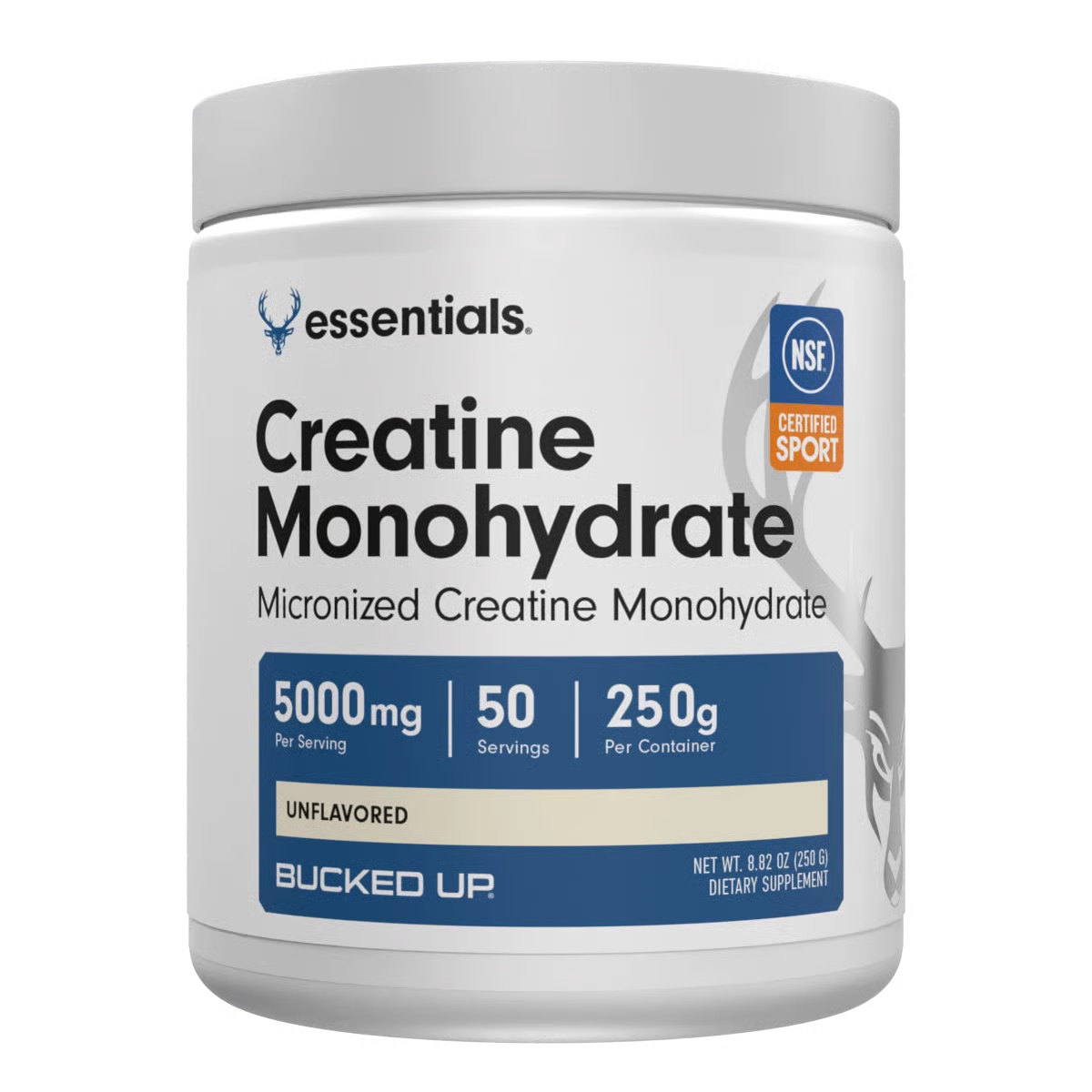
Bucked Up’s creatine product line distinguishes itself through purity standards, varied delivery formats, and broad certifications. Generic creatine products may contain 95-99% purity, while Bucked Up maintains 99.8% purity through NSF and GMP certified manufacturing. These controls help support consistent dosing and product quality.1
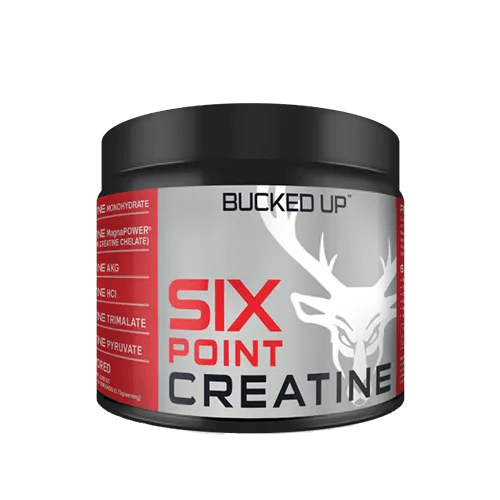
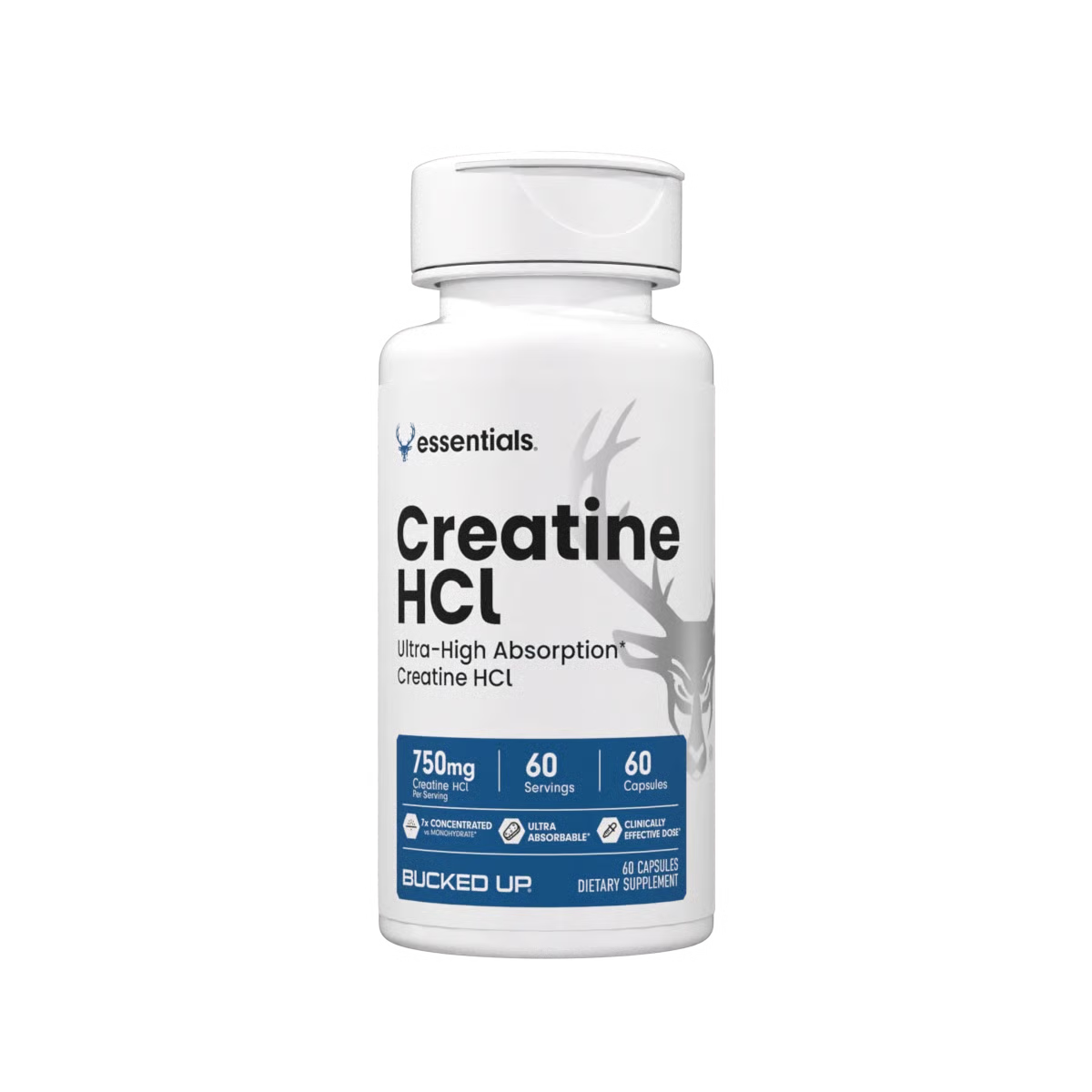
Bucked Up also offers several creatine formats, including traditional monohydrate powder, HCl capsules, gummies, and candy-style options. Creatine HCl shows 41-fold greater water solubility than creatine monohydrate, which may feel easier on digestion for some users.1 These choices let you match your creatine format to your routine and tolerance.
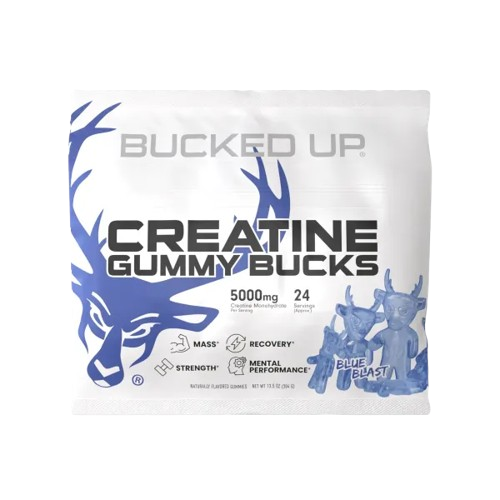
Here’s how Bucked Up’s manufacturing standards and product variety compare to typical generic creatine options.
| Feature | Bucked Up | Generic Creatine |
|---|---|---|
| Certifications | NSF/GMP/NSF Sport | Varies or None |
| Available Forms | Powder/Capsules/Gummies/Candy/Blends | Typically Powder |
| Purity Level | 99.8% | 95-99% |
Whey-Free Bulking Stacks That Work Together
Effective whey-free bulking stacks pair creatine with supplements that cover protein, calories, and performance. Start with a base of 5g daily creatine monohydrate plus 25-30g plant protein after training. The creatine supports strength and ATP regeneration, while the protein supplies amino acids for muscle repair.1
Taking creatine with 50-100 grams of carbohydrates enhances muscle uptake through the insulin response.1 Once you have this foundation in place, advanced users can add dairy-free mass gainers to raise daily calories further. Keep creatine intake consistent every day and drink 80-100 ounces of water to support cellular function and digestion.1
Common Questions on Whey-Free Bulking
What’s the difference between creatine powder, capsules, and gummies?
Powder offers flexibility for mixing with other supplements, while capsules provide precise dosing without any mixing. Gummies and candy formats give you portable options that remove the need for shakers or scoops. All forms can work as long as you hit your daily dose.
Should I take creatine on rest days?
Daily creatine use helps maintain muscle saturation levels even when you do not train.1 Creatine works by building up phosphocreatine stores in muscle tissue, so consistent intake matters more than training-day timing.1
Can I take creatine before bedtime?
Creatine contains no stimulants, so evening use does not typically affect sleep.1 Focus on taking it every day at a time you can remember, whether that falls in the morning, pre-workout, or before bed.
How much water should I drink with creatine?
Aim for 80-100 ounces of water per day when using creatine. Adequate hydration supports normal cellular function and may ease any digestive discomfort in sensitive users.1
Conclusion: Building Muscle Without Whey
Creatine monohydrate represents one of the most researched whey-free bulking supplements, supported by decades of evidence. With the documented muscle-building benefits discussed earlier, creatine offers a practical way to support lean mass without relying on dairy.1 Bucked Up’s creatine line provides purity-focused, convenient options that can fit into many whey-free bulking strategies.
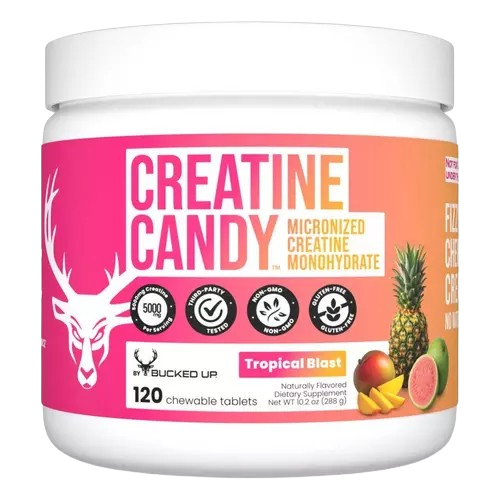
Start your whey-free bulk with Bucked Up’s research-backed creatine products.
Frequently Asked Questions
Can I build muscle effectively without any dairy products?
Muscle growth depends on total protein intake, progressive overload, and sufficient calories rather than dairy itself. Plant-based proteins, egg proteins, and creatine can all support muscle gain when used consistently. Many bodybuilders and athletes follow dairy-free approaches while still building impressive physiques. The key is meeting your daily protein target through alternative sources and backing your training with proven supplements like creatine.
How long does it take to see results from whey-free bulking supplements?
Results depend on the supplement and your individual response. Creatine often improves strength within 1-2 weeks, with muscle fullness increasing soon after.1 Lean mass changes usually become noticeable after 4-6 weeks of steady supplementation and hard training.1 Plant proteins support muscle protein synthesis in a similar timeframe to whey, so recovery and growth benefits can appear within days to weeks.1 Consistency with nutrition, training, and supplements drives how quickly you see progress.
What’s the most cost-effective whey-free bulking approach?
Creatine monohydrate often delivers strong value at around $0.50 per serving while supporting strength and mass potential.1 Pair basic creatine with whole food proteins such as eggs, legumes, and lean meats to keep costs manageable. Focus your budget on essentials like creatine instead of high-priced specialty products. A simple stack of creatine plus a straightforward plant protein powder covers most bulking needs at a reasonable price.
Are there any safety concerns with long-term whey-free supplement use?
Creatine monohydrate has extensive safety data supporting long-term use in healthy people when taken at recommended doses.1 Studies report safe use for months to years without serious adverse effects under proper dosing.1 Plant-based proteins also tend to be well tolerated over time, although some individuals may choose to rotate sources if sensitivities appear. Select products from reputable brands that use third-party testing and certifications to support purity and safety.
How do I know if my whey-free bulking plan is working?
Track body weight, strength, and visual changes together to judge progress. Many lifters aim to gain about 0.5-1 pound per week while increasing strength on major lifts every 1-2 weeks. Take monthly progress photos and body measurements to see muscle growth that the scale might miss. You should also notice better energy during workouts and faster recovery between sessions. If progress stalls after 4-6 weeks, review your calories, training intensity, and supplement consistency, then adjust as needed.
1 The content provided in this article is for informational purposes only and is not medical advice. Consult with a medical professional before implementing any changes to your diet, health, or exercise routines.
Individual results will vary and are based on a combination of each individual’s diet, exercise, age, and health circumstances.
These statements have not been evaluated by the Food and Drug Administration. This product is not intended to diagnose, treat, cure or prevent any disease.
This article was written by Ryan Gardner, CEO of Bucked Up. As the maker of Bucked Up Creatine, we have a financial interest in this information. The views expressed are our own and should be read with that context in mind