Written by: Ryan Gardner, Owner, Managing Partner, CEO, Bucked Up | Last updated: April 17, 2026
Key Takeaways for Sprint-Focused Creatine Use
- Creatine monohydrate directly boosts phosphocreatine stores for faster ATP resynthesis during 6-10 second sprints, which supports higher power output.1
- Beta-alanine buffers hydrogen ions to delay muscle acidosis, which can enhance performance in repeated 60-240 second sprint efforts.1
- Caffeine at 3-6 mg per 2.2 lbs of body weight enhances peak power and repeated sprint ability when taken 60 minutes before exercise.1
- Sodium bicarbonate and L-citrulline support buffering and blood flow for longer sprint durations such as 200-400m efforts.1
- Stack Bucked Up creatine with caffeine or beta-alanine for targeted sprint performance, and explore our creatine formats to find the best base for your stack.1
How ATP Powers Sprints and Why Sprinters Target It
The phosphocreatine system serves as the primary energy pathway for sprint events lasting about 6-10 seconds. Phosphocreatine stores enable faster ATP resynthesis by donating phosphate groups to ADP during high-intensity efforts like sprints, which makes this system crucial for 100-400m performance.
When muscle phosphocreatine depletes, ATP regeneration slows dramatically and creates the familiar “dead legs” feeling mid-sprint. To prevent this drop-off and maintain power, athletes use strategies that either increase phosphocreatine stores before exercise or support ATP regeneration during all-out efforts. Strategic supplementation fits into this plan by targeting specific energy pathways and enzymes that drive ATP resynthesis.
9 Supplements to Increase ATP for Sprint Performance
Key ATP Enhancers:
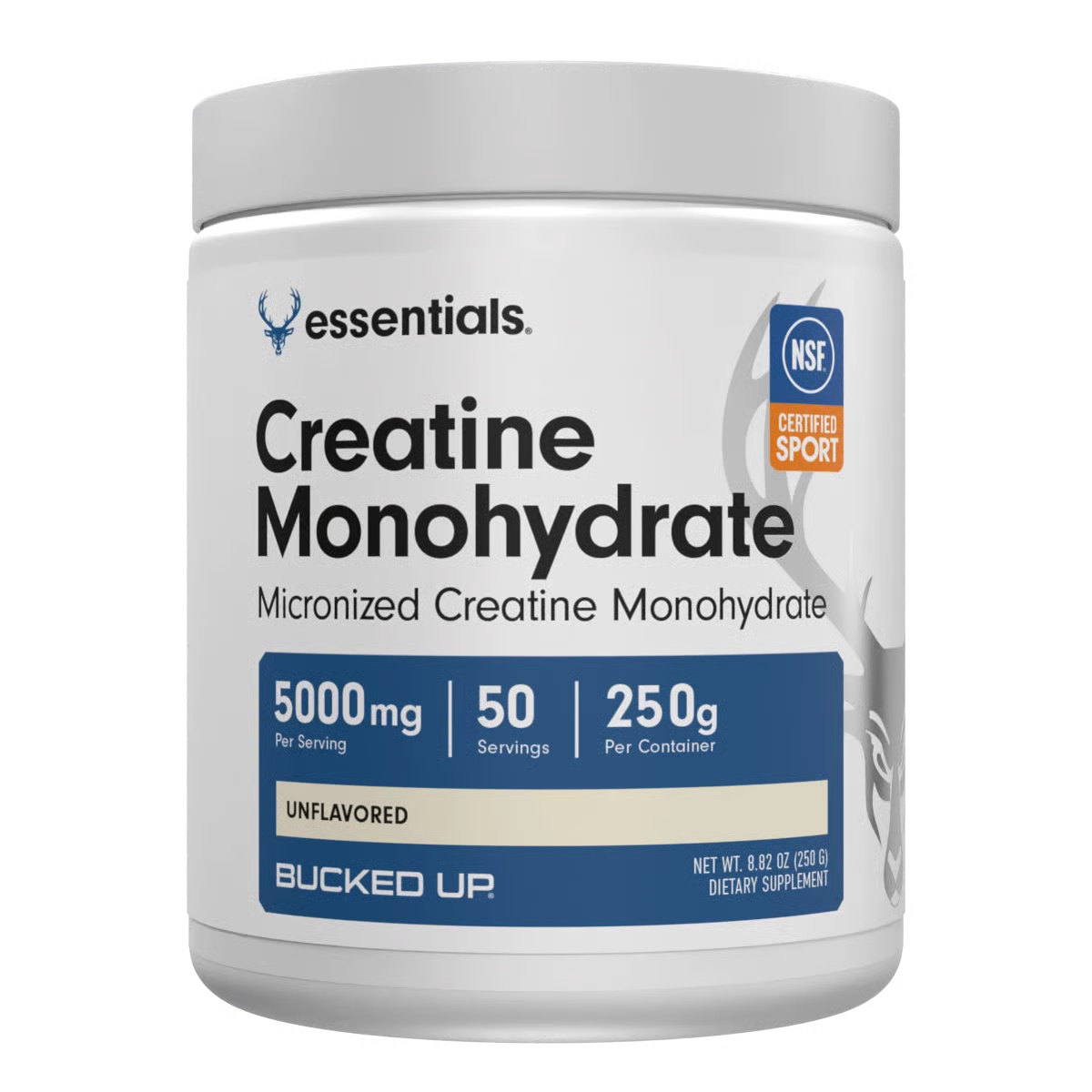
Creatine Monohydrate/HCL
Creatine supplementation supports higher power output for short, explosive sprints lasting 6-10 seconds through improved phosphocreatine-driven ATP resynthesis.1 The International Society of Sports Nutrition reports that supplementation can increase total muscle creatine content. Creatine directly increases these phosphocreatine stores, which supports repeated high-power efforts.1 Dosage: 3-5g daily maintenance or 20g loading for 5-7 days.1
Beta-Alanine
Beta-alanine increases muscle carnosine levels, which buffer hydrogen ions that accumulate during high-intensity exercise.1 This buffering delays the acidosis that causes power decline in repeated sprints.1 Research shows daily supplementation for several weeks can increase muscle carnosine stores.1 Beta-alanine works best for sprint events lasting 60-240 seconds where lactate and acidity become major limiters.1
Caffeine
Acute caffeine ingestion significantly enhanced repeated sprint ability peak power output versus placebo.1 The 2025 meta-analysis by Wang et al. found dose-dependent effects, with caffeine at 3-6 mg per 2.2 lbs of body weight significantly improving repeated sprint ability and peak power output.1 Optimal timing is about 60 minutes before exercise.
L-Citrulline
L-citrulline increases arginine levels and supports nitric oxide production, which can enhance blood flow and nutrient delivery to working muscles.1 Studies suggest supplementation before training may support repeated sprint performance, with more pronounced effects in longer duration or repeated efforts where circulation and oxygen delivery matter more.1
Sodium Bicarbonate
Sodium bicarbonate acts as an extracellular buffer that helps neutralize lactate-related acidity during high-intensity efforts.1 This effect can support performance in sprint events lasting about 1-7 minutes.1 Athletes typically take it before exercise, although gastrointestinal tolerance varies significantly between individuals and may require dose adjustments.
Beetroot Juice/Nitrate
Dietary nitrates can reduce the oxygen cost of exercise and may enhance power output in some athletes.1 Effects appear strongest in longer sprint efforts such as 200-400m rather than very short pure power events. A common approach uses 5-9 mmol nitrate about 2-3 hours before competition.
Phosphatidic Acid
Phosphatidic acid supports cellular signaling pathways involved in muscle protein synthesis and energy metabolism.1 While sprint-specific research remains limited, its role in training adaptations may benefit athletes during high-volume sprint blocks where recovery and muscle building start to limit performance.1 Dosage: 750 mg of phosphatidic acid daily on an empty stomach.1
Betaine
Betaine functions as an osmolyte and methyl donor, which may support power output and muscle growth.1 Research shows mixed results for sprint-specific benefits, so athletes often test it during training blocks rather than relying on it for race-day changes. A common dosage is 2.5g daily, preferably split into smaller doses with meals.1
Taurine
Taurine supports cellular hydration and may reduce exercise-induced oxidative stress.1 Evidence for sprint performance benefits is less established compared to endurance activities, yet some athletes use it to support overall training tolerance. Typical intake ranges from 1-3g daily, and timing is less critical than with stimulants or acute performance aids.1
The three supplements with the strongest sprint-specific research for ATP support and power output are compared below.
| Supplement | ATP Impact | Sprint Study Evidence | Optimal Dosage |
|---|---|---|---|
| Creatine | Increases phosphocreatine stores1 | Consider evaluating sprint time improvements | 3-5g daily |
| Caffeine | Enhanced peak power output1 | Wang 2025 meta-analysis | 3-6 mg per 2.2 lbs body weight |
| Beta-Alanine | Delays acidosis | Improved 200-400m performance | 3-5g daily |
Creatine as a Direct ATP Regenerator for Sprinters
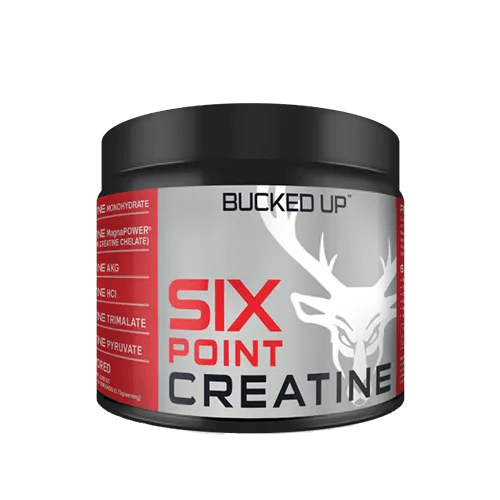
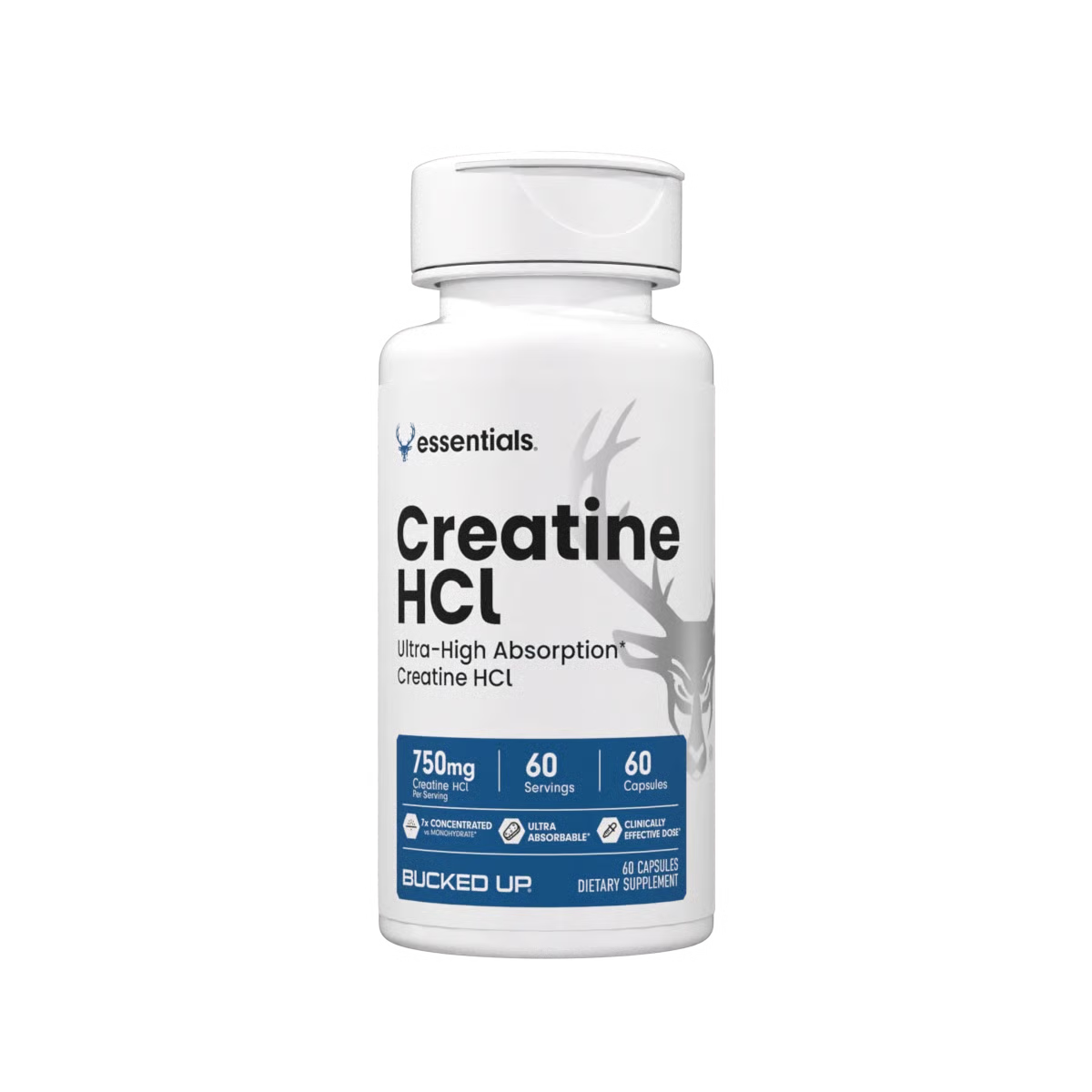
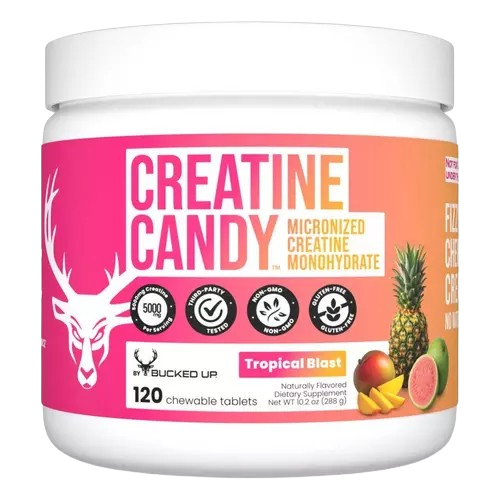
Creatine monohydrate supplementation raises muscle phosphocreatine stores, which supports the rapid ATP recycling described earlier during high-intensity efforts.1 Bucked Up offers multiple creatine forms, including Pure Creatine Monohydrate (5g micronized), Six Point Creatine blend, CON-CRĒT HCL for reduced bloating, plus convenient gummies and candy formats.
The mechanism is direct and fast. During the first 10 seconds of maximal effort, phosphocreatine recycles ADP back to ATP through the phosphate donation pathway outlined above. A loading phase of 20g per day for 5-7 days saturates phosphocreatine stores in about one week, while a 5g per day dose without loading takes about 3-4 weeks.1
Different creatine forms offer distinct trade-offs in absorption, convenience, and side effects.1 The table below highlights how monohydrate, HCL, and blends compare for sprint-focused athletes.
| Creatine Form | Absorption Detail | Bloat Risk | Sprint Suitability |
|---|---|---|---|
| Monohydrate | Oral bioavailability of creatine monohydrate in rats is dose-dependent at 53% for low dose (10 mg/kg) and 16% for high dose (70 mg/kg) | Low with micronized forms | Well suited for most sprinters |
| HCL | About 37.9 times more soluble than creatine monohydrate in water at 25 °C | Minimal for many users | Very convenient for daily use |
| Blends | Combines multiple pathways and forms | Varies by formula | Useful for broad performance goals |
Creatine provides direct ATP system support for the phosphocreatine pathway that powers explosive movements.1 Sprints that extend beyond 10 seconds start to rely on additional energy systems, which is where thoughtful supplement combinations become valuable.
Sprint Stacks: Pairing Creatine With Top Contenders
Stacking creatine with complementary supplements helps cover multiple energy systems across different sprint durations. Research supports combining 5g creatine daily with the caffeine dosing discussed earlier for enhanced power and neural drive.1 Adding beta-alanine at 3-5g daily introduces extra lactate buffering for longer sprint efforts such as 200-400m repeats.1
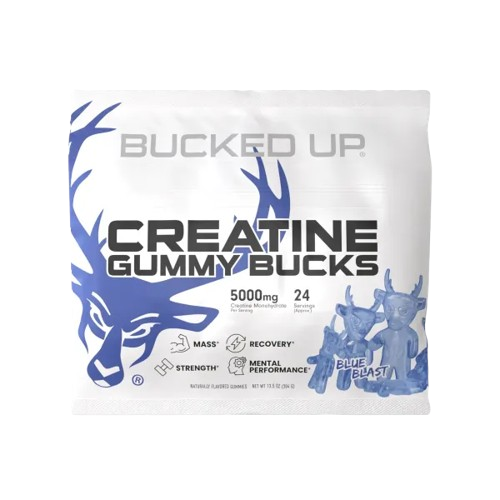
Some athletes also experiment with L-citrulline or nitrates on key sprint days to support blood flow and oxygen delivery. These additions can complement the phosphocreatine support from creatine and the buffering from beta-alanine. Start building your sprint stack with Bucked Up creatine products, then layer in other evidence-backed options based on your event distance and training schedule.
Safety, Dosage & Practical Tips for Creatine Use
Most athletes benefit from 3-5g creatine daily without a loading phase, especially when using HCL forms that saturate stores more gradually.1 Because creatine pulls water into muscle cells during this saturation process, maintaining 80-100 oz daily water intake helps prevent dehydration and supports effective uptake. This hydration target remains useful even on rest days, when continued supplementation maintains the muscle saturation levels that drive performance benefits.
Frequently Asked Questions
Should you take creatine on rest days?
Yes. Consistent daily creatine intake maintains muscle phosphocreatine saturation levels.1 Skipping rest days can gradually reduce creatine stores, which may blunt performance benefits when you return to training. Daily use keeps your muscles prepared for high-intensity efforts.
What is the difference between creatine pills and powder?
Creatine HCL capsules offer strong convenience and often cause less bloating than some powders.1 Pills provide precise dosing without measuring or mixing, which works well for travel or busy schedules. Powders allow for larger doses and easy mixing with other supplements, although some users experience digestive discomfort during higher loading phases.
How much water should you drink with creatine?
Take creatine with 8-12 oz of water per dose and aim for 80-100 oz total daily fluid intake. Adequate hydration supports creatine transport into muscle cells and helps prevent the dehydration that can occur when muscles pull water for creatine storage. Low fluid intake may reduce creatine effectiveness and increase the chance of cramping.
What is creatine and how does it work?
Creatine is a naturally occurring compound that your body produces to help regenerate ATP, the primary energy source for muscle contractions. Supplementation increases muscle phosphocreatine stores, which act like a rapid-recharge system for ATP during explosive movements such as sprinting, jumping, or heavy lifting.
What are the specific benefits of creatine for sprinters?
Sprinters can see benefits from creatine through faster ATP resynthesis during the critical first 10 seconds of maximal effort.1 Many athletes also report improved power output in repeated sprint intervals, reduced fatigue between training sets, and better recovery between competition rounds.1 These effects support stronger acceleration, more stable top speed, and consistent performance across multiple heats or training sessions.1
Conclusion: Turning ATP Science Into Sprint Performance
Creatine can stand out for ATP enhancement in sprint performance by supporting the phosphocreatine system that underpins explosive power and quick recovery.1 Bucked Up’s creatine lineup offers options for different preferences, from traditional monohydrate to convenient HCL capsules and innovative gummy formats. Find your ideal creatine format and start fueling faster ATP regeneration for your next sprint session.
1 The content provided in this article is for informational purposes only and is not medical advice. Consult with a medical professional before implementing any changes to your diet, health, or exercise routines.
Individual results will vary and are based on a combination of each individual’s diet, exercise, age, and health circumstances.
These statements have not been evaluated by the Food and Drug Administration. This product is not intended to diagnose, treat, cure or prevent any disease.
This article was written by Ryan Gardner, CEO of Bucked Up. As the maker of Bucked Up Creatine, we have a financial interest in this information. The views expressed are our own and should be read with that context in mind