Last updated: April 16, 2026
Key Takeaways
- Afternoon energy slumps often stem from circadian dips, blood sugar swings, and nutrient gaps such as B vitamins, iron, and vitamin D.
- Build lunches around protein, healthy fats, and fiber to steady blood sugar and reduce post-meal crashes.
- Short walks, power naps, hydration, natural light, and breathing exercises provide natural, repeatable energy boosts.
- Protein snacks and correcting deficiencies support steady energy without sharp spikes or drops.
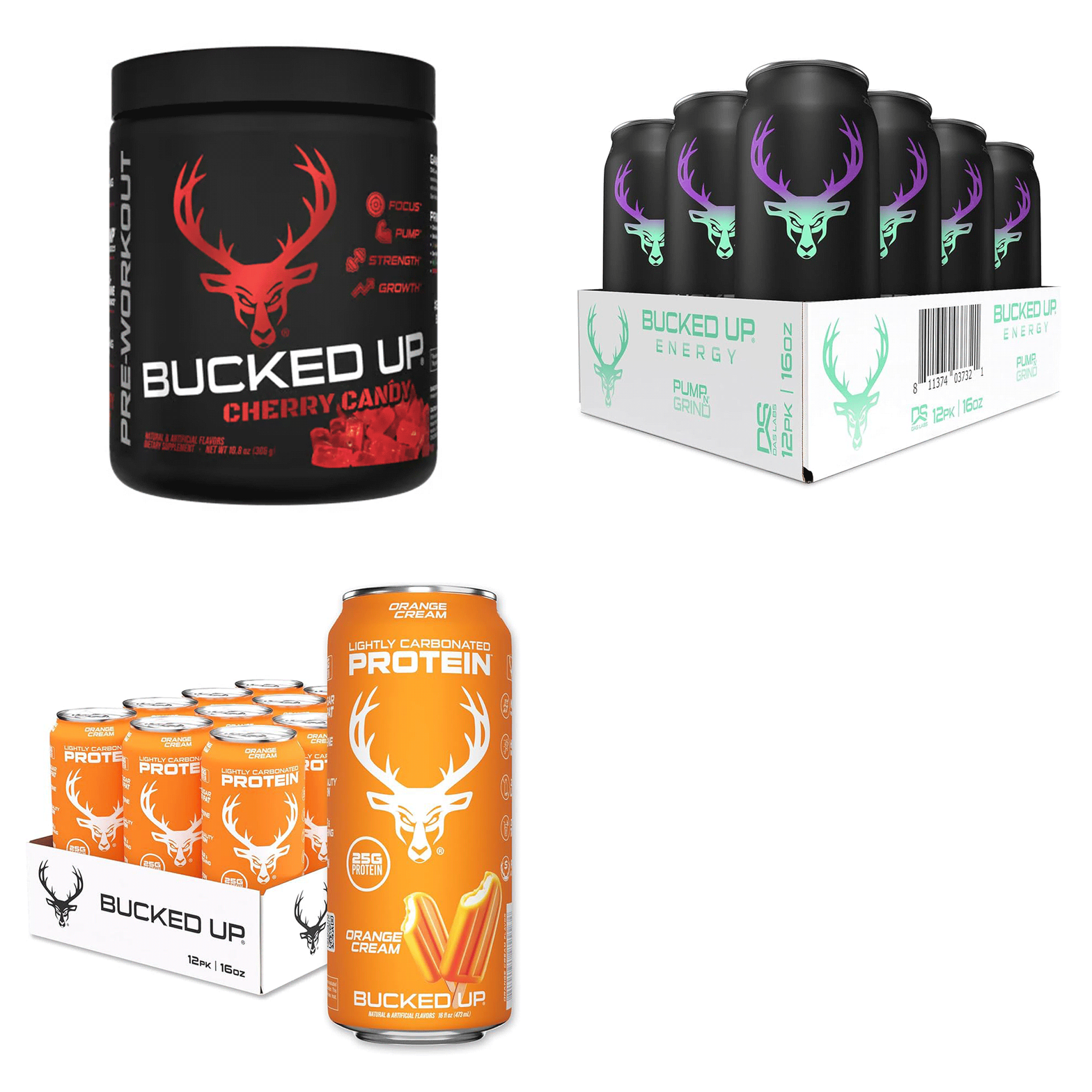
- Choose Bucked Up Energy with nootropics like TeaCrine® and Dynamine™ for sustained afternoon power with less crash risk.1
Why the Afternoon Energy Slump Hits (and How to Stop Crashes)
Multiple physiological factors combine to create the afternoon energy slump. Carb-heavy lunches trigger blood sugar spikes followed by crashes, and natural cortisol dips around 2-4pm amplify that drop. Dr. Stephanie Bishop notes that B vitamin deficiencies, particularly B12, B6, and folate, leave people feeling drained during afternoon hours when energy levels are already lower.
Dehydration and nutrient deficiencies further increase fatigue. Vitamin D deficiency contributes to general fatigue and daytime sleepiness, while irregular dietary patterns disrupt peripheral clocks, creating metabolic imbalances and insulin resistance. These mechanisms highlight why targeted nutrition, hydration, and routine changes matter for stable afternoon energy.
Why Energy Crashes Hit Around 2–3pm
Your daily mid-afternoon crash reflects natural circadian rhythms combined with lifestyle choices. The body experiences a predictable energy dip during this window, and that dip feels worse when nutritional deficiencies and poor meal timing are present. Three deficiencies frequently show up in afternoon fatigue, and the table below outlines how they appear and where to find them in food.
| Deficiency | Symptoms | Dietary Solutions |
|---|---|---|
| B12 | Fatigue, brain fog | Meat, eggs, fortified foods |
| Iron | Tiredness, weakness | Spinach, red meat, legumes |
| Vitamin D | Daytime sleepiness | Sunlight exposure, fatty fish |
Deficiencies Linked to Afternoon Fatigue
B vitamin deficiencies impair energy production because B vitamins help convert food into usable energy. Iron deficiency limits oxygen transport, and magnesium depletion interferes with cellular energy production. These gaps stand out most during natural energy lows, so afternoon fatigue often reveals underlying deficiencies.
Understanding these root causes, including circadian dips, blood sugar instability, and nutrient gaps, shows why effective solutions must address several factors at once rather than relying on a single quick fix.
How to Get Rid of the 3pm Crash
Reducing the 3pm crash works best with a multi-faceted plan that supports blood sugar stability, hydration, nutrient status, and smart supplementation. The following 10 strategies work together to maintain steady energy without the harsh crashes often associated with traditional stimulants.
1. Build a Blood-Sugar-Friendly Lunch
Your lunch composition strongly influences afternoon energy. High-carbohydrate meals cause insulin spikes followed by energy crashes around mid-afternoon. Balanced meals with lean protein, healthy fats, and fiber-rich vegetables support more stable energy.
Choose grilled chicken salad with avocado and mixed greens instead of heavy pasta dishes. The protein and healthy fats support satiety and slow digestion. Add complex carbohydrates like quinoa or sweet potato in moderate portions to fuel brain function without sharp insulin spikes. This combination, with protein and fat for stability and complex carbs for fuel, steadies blood glucose and supports sustained energy through the afternoon.
2. Hydrate Early to Support Afternoon Energy
Dehydration significantly contributes to afternoon fatigue. Even mild dehydration of about 2 percent can impair cognitive function and perceived energy. Drinking 16-20 ounces of water before early afternoon helps reduce that dip.
Add electrolytes to improve hydration efficiency, especially if you stay active or work in warm environments. Options like coconut water or electrolyte supplements help maintain fluid balance and support ongoing energy production.
3. Take a 5-Minute Walk for 3pm Slump Relief
Brief physical activity increases oxygen circulation and activates the sympathetic nervous system, which naturally lifts energy. A 5-minute walk around your office or outside can noticeably improve alertness and reduce drowsiness.
Walking also helps regulate blood sugar by improving insulin sensitivity. This combined effect reduces the energy crashes linked to prolonged sitting, since better glucose control means fewer dramatic spikes and drops during the afternoon.
4. Use a 10–20 Minute Power Nap
Short, planned naps can reset energy without harming nighttime sleep. Keeping naps between 10 and 20 minutes helps you avoid deep sleep stages that cause grogginess after waking.
Schedule naps between early and mid-afternoon to match natural circadian dips. This brief rest helps clear adenosine buildup, a neurotransmitter tied to sleepiness, and supports renewed alertness for the rest of the day.
5. Get Natural Light to Support Your Body Clock
Light exposure guides circadian rhythms and supports natural energy cycles. Reduced morning light exposure dampens suprachiasmatic nucleus-driven rhythms and disrupts sleep-wake patterns. Spending 5-10 minutes outdoors during an afternoon break reinforces alertness signals.
Natural light also supports vitamin D synthesis and helps maintain healthy cortisol rhythms. Both factors play a role in sustaining energy across the day.
6. Practice Deep Breathing for Cortisol Balance
Controlled breathing exercises help regulate the autonomic nervous system and ease stress-related fatigue. The 4-7-8 technique, where you inhale for four counts, hold for seven, and exhale for eight, activates the parasympathetic system while delivering oxygen to your brain.
Use this technique when you notice energy dropping. The immediate oxygen boost supports short-term alertness, and regular practice helps balance cortisol over time. Cortisol naturally dips in the afternoon, and those dips can worsen crashes when stress has already disrupted normal cortisol patterns.
7. Choose a Protein Snack for Steady Energy
Protein-rich snacks provide longer-lasting energy than sugary options. Choose Greek yogurt with nuts, hard-boiled eggs, or a small portion of lean meat. These foods supply amino acids that support neurotransmitter production and help stabilize blood glucose.
Avoid sugary snacks that create a quick spike followed by a crash. Protein requires more energy to digest and supports longer satiety and more stable energy.
8. Choose Strategic Energy Supplementation
Strategic energy supplementation can support afternoon performance when matched to your needs and caffeine tolerance. Three Bucked Up options address different intensity levels and preferences.
Bucked Up Energy for High, No-Crash Power
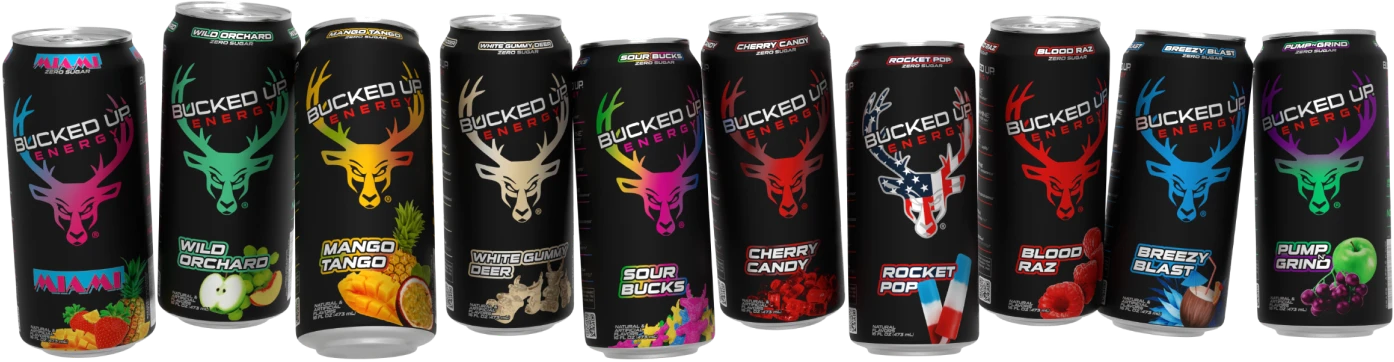
Bucked Up Energy Drink provides 300mg of caffeine supported by nootropics like TeaCrine®, Dynamine™, and AlphaSize®.1 Product label Some customers report sustained energy that carries through demanding workdays, including fast-paced clinical environments. Others mention staying awake and alert without feeling an afternoon crash.1
These user experiences align with the sustained-release, nootropic-supported formulation. Experience sustained energy without the typical afternoon crash.1
LFG Energy for Higher-Intensity Demands
Some situations require more metabolic support, such as physically demanding afternoons or intense training sessions. For those needs, LFG Energy offers 160mg of caffeine with MitoBurn® and Paradoxine® for added fat-burning and endurance support.1 Product label One user notes improved exercise performance and flavor they enjoy.1
Babe Energy for a Gentler, Clean Boost
Other people prefer a moderate, smoother lift or have lower caffeine tolerance. Babe Energy offers 150mg of natural caffeine from yerba mate for a gentler enhancement. Formulated with women in mind, it focuses on clean energy, mood, and focus with less jitter risk.1 Product label
One customer reports no crash feeling compared to other energy drinks1 and describes the cherry blossom flavor as refreshing with a light vanilla note.
9. Fix Deficiencies Like B12 and Iron Naturally
Correcting underlying nutritional deficiencies can reduce afternoon fatigue over time. Vitamin B12 deficiency can cause extreme fatigue, brain fog, and mood changes. Include B12-rich foods such as meat, fish, and fortified cereals in your regular meals.
Consider testing for iron, vitamin D, and B vitamin levels if fatigue continues. Once you know which deficiencies exist, you can address them through targeted supplementation and diet. Bucked Up Energy drinks contain Methylcobalamin, the active form of B12, Pyridoxine HCL (B6), and the nootropic blend mentioned earlier. Product label This combination can complement a broader plan for people whose testing shows B vitamin gaps.1
10. Stack Daily Habits for Compounding No-Crash Wins
Addressing single factors like hydration or snacks provides partial relief. The strongest results come from stacking several strategies into one consistent routine.
Start your day with hydration and a balanced breakfast, use your chosen energy drink in the morning or late morning, eat a protein-rich lunch, and add short walks and breathing exercises through the afternoon. Consistent practice builds more stable energy patterns and reduces reliance on emergency fixes.
Design a No-Crash Afternoon Plan for Your Lifestyle
Different lifestyles benefit from different combinations of these strategies. The table below shows how students, professionals, and shift workers can match their energy approach to daily demands, including suggested products and timing.
| User Type | Key Strategies | Recommended Product |
|---|---|---|
| Students | Short morning nap plus Bucked Up Energy | Bucked Up Energy (300mg caffeine) |
| Professionals | Midday walk plus LFG in late morning | LFG Energy (160mg + metabolic support) |
| Shift Workers | Focused hydration plus Babe in afternoon | Babe Energy (150mg natural caffeine) |
Time energy drink use 30-60 minutes before your usual slump. This proactive timing helps prevent crashes instead of reacting after they start.
Energy Drinks That Aim to Reduce Crash Risk
Energy drinks vary widely in formulation. Many traditional options contain sugar and basic caffeine, which can contribute to crashes a few hours later. Bucked Up formulations focus on sustained energy with added nootropic support. Product label The comparison below highlights three key differences that influence crash risk: caffeine design, release pattern, and manufacturing standards.
| Feature | Bucked Up Energy | Traditional Brands |
|---|---|---|
| Caffeine Source | 300mg plus TeaCrine®/Dynamine™* | Basic caffeine plus sugar |
| Crash Risk | Lower, with sustained support | Higher, with sugar-related crash |
| Manufacturing | USA GMP-certified facilities | Variable standards |
Bucked Up Energy drinks are available in over 75,000 stores worldwide, including Walmart, GNC, and Vitamin Shoppe, and can also be ordered online. Find a store near you to try them in your own routine.
Frequently Asked Questions
Can energy drinks cause crashes?
Traditional energy drinks high in sugar and basic stimulants often cause crashes three to four hours after use. As noted earlier, Bucked Up Energy drinks use a nootropic-supported formulation that aims for more sustained energy release.1 Product label This approach supports steadier energy compared with many sugar-heavy alternatives.
What makes Bucked Up Energy different from other brands?
Bucked Up Energy drinks include scientifically studied nootropics for cognitive support alongside physical energy. AlphaSize® supports mental focus, Dynamine™ supports mood and alertness, and TeaCrine® contributes to smoother, longer-lasting energy.1 This combination targets both mental performance and physical stamina rather than relying on caffeine alone.
How often should I drink energy drinks?
Moderation remains important with any caffeinated drink. Many healthy adults can use one Bucked Up Energy drink per day, ideally in the morning or early afternoon. Consider your total daily caffeine from all sources and pay attention to how your body responds. The sustained formulation often reduces the need for multiple servings compared with some traditional options.
Are Bucked Up Energy drinks safe for daily use?
Bucked Up Energy drinks are produced in USA GMP-certified facilities with quality ingredients at researched dosages. The balanced formulation with nootropics aims to provide a smoother experience than many high-stimulant products. Individual tolerance still varies, so people with caffeine sensitivity, heart conditions, or other health concerns should speak with a healthcare provider before regular use.
What energy drink ingredient helps reduce fatigue?
Bucked Up Energy drinks contain Methylcobalamin, the active form of vitamin B12, which supports red blood cell formation and energy metabolism.1 Product label Combined with the nootropic blend for sustained energy and cognitive support, this formulation addresses several common fatigue pathways.
Conclusion
The afternoon energy slump does not need to derail your day. These 10 science-informed strategies, from meal structure and hydration to movement, light, and supplementation, offer a practical framework for steadier energy.
Bucked Up Energy drinks can stand out within that framework as a crash-conscious option, combining 300mg of caffeine with its proprietary nootropic blend for sustained focus and energy.1 Transform your afternoon productivity and work toward fewer energy crashes.
1 The content provided in this article is for informational purposes only and is not medical advice. Consult with a medical professional before implementing any changes to your diet, health, or exercise routines.
Individual results will vary and are based on a combination of each individual’s diet, exercise, age, and health circumstances.
These statements have not been evaluated by the Food and Drug Administration. This product is not intended to diagnose, treat, cure or prevent any disease.
This article was written by Ryan Gardner, CEO of Bucked Up. As the maker of Bucked Up Energy Drinks, we have a financial interest in this information. The views expressed are our own and should be read with that context in mind.