Written by: Ryan Gardner, Owner, Managing Partner, CEO, Bucked Up | Last updated: April 22, 2026
Key Takeaways for Caffeine-Free Pumps
- Carbs fuel muscle glycogen storage and pull 3-4g of water per gram, creating sustained fullness and pumps without caffeine.
- Consume 30-60g fast-digesting carbs about 60-90 minutes pre-workout, such as rice cakes with banana, to support pump-focused training.
- Pair carbs with 2-3g Himalayan salt and 16-20oz water to support cellular swelling and vascularity through sodium-potassium pump activity.
- Use high-rep sets (15-30 reps), drop sets, and slow eccentrics to increase metabolic stress and blood pooling in working muscles.
- Stack your carb and salt protocol with Bucked Up Stimulant-Free Pre-Workout for citrulline-supported pumps and enhanced nutrient absorption during caffeine-free sessions.1
Step 1: Use Carbs to Fill Muscles and Fuel Caffeine-Free Pumps
Carbohydrates act as the primary fuel for muscle glycogen storage, which directly affects muscle fullness and pump quality. To understand why timing matters, consider that glycogen stores can drop by up to 40% in one intense lifting session. Gatorade Sports Science Institute notes that strength athletes often benefit from 4–7 g/kg body weight of carbohydrates per day to maintain overall glycogen stores. That general guideline supports daily recovery, while your pre-workout window calls for a more targeted approach covered in the next step.
The science behind carb-powered pumps centers on cellular hydration. Each gram of stored muscle glycogen binds with 3-4 grams of water, which creates intracellular swelling and a visibly “full” muscle appearance. This mechanism functions independently of caffeine, so it forms the base of an effective stimulant-free pump plan. Carbohydrate-driven pumps can provide more sustained fullness than the short-lived vasodilation that often comes from stimulants.
Many athletes cut carbs to chase extra definition, yet that strategy often backfires during training. Low glycogen leaves muscles flat, reduces high-intensity performance, and limits the cellular volume that produces impressive pumps. Knowing that carbs matter sets the stage for dialing in the timing and amount that turn this science into real-world results.
Step 2: Time and Dose Your Carbs for Stronger Pumps
Pre-workout carbohydrate timing and quantity strongly influence pump quality. Research shows that carbohydrate-heavy meals before exercise can improve performance in endurance efforts lasting longer than 1 hour. For pump-focused strength training, a targeted 60-90 minute pre-workout window works well for most lifters.
For individuals weighing 150-200 lbs, aim for 30-60 grams of fast-digesting carbohydrates during that 60-90 minute window. This range equals roughly 0.3-0.5 grams per pound of body weight. Adjust the exact timing slightly based on your digestion so you feel fueled, not bloated, when you start lifting.
Practical examples include 4 rice cakes plus a medium banana, which provides about 50 grams of rapidly absorbed carbohydrates. The key is pairing a starchy base such as rice cakes, white rice, or instant oats with a simple sugar source like banana, honey, fruit, or dates. That combination creates a mix of absorption rates that supports glycogen availability throughout your session. Carbon Performance highlights bananas as a useful natural source of simple carbs for glycogen replenishment, along with potassium, magnesium, and other electrolytes.
During longer training sessions that last more than 45 minutes, sip a carbohydrate drink containing 15-30 grams of carbs to help maintain glycogen availability. This approach slows the gradual decline in muscle fullness that can appear as sessions drag on. With carbs in place, you can now layer in salt and hydration to further support pumps.
Step 3: Combine Salt, Hydration, and Optional Boosters
Strategic sodium intake alongside carbohydrates can further support cellular swelling and pump quality. When sodium and carbs enter the system together, they work with the sodium-potassium pump to help pull water into muscle cells and support vascularity.
A practical pre-workout protocol includes 2-3 grams of high-quality Himalayan salt with 16-20 ounces of water taken with your pre-workout carbohydrates. Take this combination about 60 minutes before training so your body has time for absorption and cellular uptake. Consistent sodium intake can help keep water inside muscle cells instead of sitting extracellularly by supporting osmosis-driven cell volumization and limiting aldosterone rebound.
Beyond the core carb-salt-water protocol, you can further enhance pumps with optional nitrate sources. Beetroot juice or powder providing 300-500mg of dietary nitrates supports nitric oxide production pathways and adds a vasodilation component to the volumizing effects created by carbohydrates and sodium. This option enhances the protocol but is not required for it to work.
A simple blueprint includes 50 grams of fast-digesting carbs, 2 grams of Himalayan salt, and 20 ounces of water taken about 60 minutes before training. This timing supports absorption while helping you avoid digestive discomfort during exercise. With nutrition in place, the next step focuses on training methods that fully use this extra fuel and fluid.
Step 4: Train for Maximum Metabolic Stress and Pumps
Specific training methods can magnify the pump-enhancing effects of your carb and hydration plan. High-repetition sets in the 15-30 rep range create significant metabolic stress and cellular swelling that stack on top of glycogen-driven fullness. Controlled eccentric phases lasting 2-3 seconds increase time under tension and encourage blood pooling in the target muscle.
Drop sets work especially well for caffeine-free pump sessions. Reach failure with your working weight, then immediately reduce the load by 20-30 percent and continue for more repetitions. This approach extends the period of metabolic stress and promotes greater muscle congestion. For exercises where changing weights quickly feels impractical, rest-pause sets offer an alternative. Perform reps to failure, rest 10-15 seconds, then continue with the same weight for additional reps.
A sample 4-week pump-focused template might look like this. Weeks 1-2: 3 sets of 15-20 reps with 60-second rest periods. Weeks 3-4: 4 sets of 12-15 reps with a drop set on the final set. Layer in slow eccentrics and brief pauses to increase tension and blood flow. Use moderate rep ranges of 8-12 for compound lifts such as squats and deadlifts, and higher ranges of 15-25 for isolation work.
The goal is to match your training intensity and volume to the glycogen you have available. Properly timed carbohydrates give you the fuel to handle these demanding protocols from your first set to your last. With training and nutrition aligned, targeted supplementation can add another layer of support.
Step 5: Support Your Protocol with Bucked Up Stimulant-Free
Carbohydrate timing and smart training form the base of caffeine-free pumps, and Bucked Up Stimulant-Free Pre-Workout can support that base.1 This formula combines citrulline malate, beta-alanine, Senactiv®, and Astragin® to work alongside your carbohydrate plan without relying on stimulants.
The combination of strategic carb intake and Bucked Up’s ingredient profile can support pump quality and training performance.1 Citrulline malate supports nitric oxide production pathways, while beta-alanine helps buffer lactic acid during high-rep sets.1 Senactiv® may support exercise performance and recovery, and Astragin® supports nutrient absorption, including the carbohydrates you time before training.1
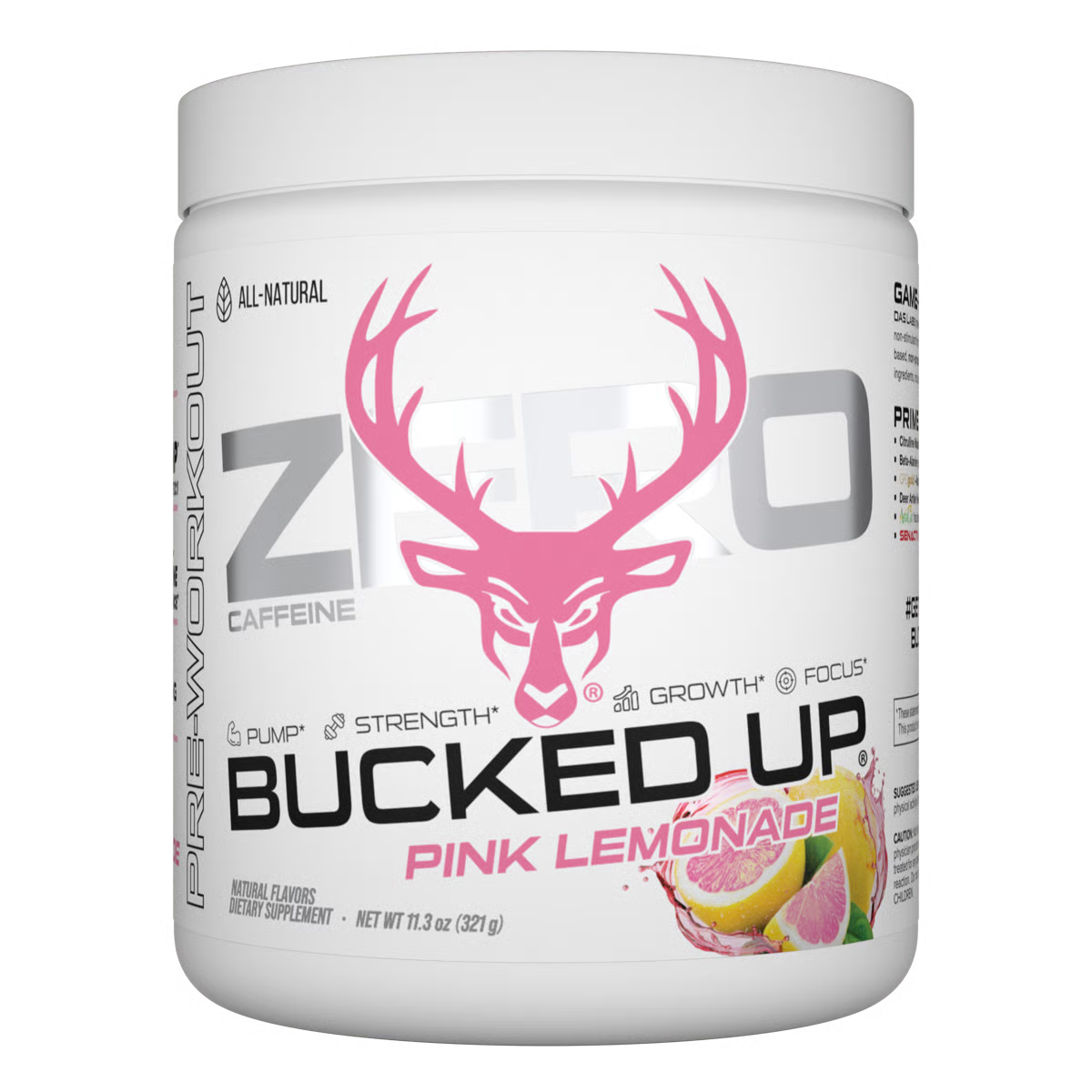
Customer testimonials describe personal experiences with this product: “Great pump, tingling sensation and ability to push harder. The best pre-workout I’ve ever had.” Another user shares: “Finally an all around pre that does what it says! Tried all kinds of different pre, in my opinion this is by far one of the best!”1 These reports show how users combine proper nutrition with targeted supplementation in real training environments.
Compared with relying only on food-based strategies, Bucked Up Stimulant-Free offers precise dosing, ingredient standardization, and convenient preparation. The formula reduces guesswork and provides a consistent way to support your carbohydrate timing plan.1 Try Bucked Up Stimulant-Free Pre-Workout to see how targeted ingredients can fit into your caffeine-free routine.
Step 6: Follow a Sample Day for Caffeine-Free Pumps
A full-day structure helps you apply these strategies consistently. For morning lifters training at 7:00 AM, start with 16 ounces of water upon waking. At about 5:45 AM, take your pre-workout carbohydrates and salt. At 6:15 AM, mix one scoop of Bucked Up Stimulant-Free with additional water so it is active by the time you begin lifting.
One sample schedule looks like this. 5:45 AM: 4 rice cakes with 1 tablespoon honey plus 2g Himalayan salt in 20oz water. 6:15 AM: Bucked Up Stimulant-Free Pre-Workout. 7:00 AM: Begin training. 8:30 AM: Post-workout meal with protein and complex carbohydrates. This layout supports peak glycogen availability and supplement activity during your workout.
Evening trainers can mirror the same structure by shifting the clock. Keep the 60-90 minute carbohydrate window and take Bucked Up Stimulant-Free about 45 minutes before lifting. For example, eat lunch at 12:00 PM, take pre-workout carbs at 4:00 PM, drink Bucked Up Stimulant-Free at 4:30 PM, and train at 5:15 PM. Consistent timing creates predictable results and makes it easier to fine-tune based on your response.
Step 7: Fix Flat Pumps with Simple Adjustments
Flat pumps often come from poor timing, low hydration, or not enough carbohydrates. If pumps feel weak, first review your carb timing. Eating carbs less than 45 minutes before training can cause digestive discomfort, while eating them more than 2 hours before can leave glycogen lower by the time you lift. The 60-90 minute window from Step 2 remains a reliable starting point.
Hydration also plays a major role in pump quality. Hydration management with consistent sodium and carbs helps direct water into muscle cells instead of sitting outside them. Aim for clear to light yellow urine as a simple hydration check.
If pumps still feel flat, consider whether your carb intake is high enough. Many lifters benefit from increasing carbohydrates by 10-15 grams or adjusting sodium within the 2-3 gram range. Individual responses vary, so use your pump, performance, and digestion as feedback to guide small changes.
Conclusion: Turn Carbs into Caffeine-Free Pumps
Strong muscle pumps without caffeine come from smart carb timing, clear dosing, and supportive supplementation. These 7 proven steps, from dialing in carbohydrate timing to using high-rep training protocols, create a practical framework for pump-focused workouts regardless of caffeine sensitivity. The combination of strategic nutrition and Bucked Up Stimulant-Free Pre-Workout can provide a noticeable upgrade over using either approach alone.1 Epic pumps start here, so grab Bucked Up Stim-Free and experience the difference.
Frequently Asked Questions
Can you get a good pump without consuming any carbohydrates?
Some pump is possible without carbohydrates through high-rep training and solid hydration, but carbs provide the glycogen that supports stronger, longer-lasting fullness. Without the glycogen-water binding effect discussed earlier, muscles often look flatter and less volumized. For individuals following low-carb diets, paying close attention to electrolytes, hydration, and targeted supplementation becomes even more important.
What’s the difference between using Bucked Up Stimulant-Free versus relying only on food for pumps?
Strategic carbohydrate timing builds the base for caffeine-free pumps, while Bucked Up Stimulant-Free adds specific compounds that are hard to obtain in effective amounts from food alone.1 The formula supplies defined doses of citrulline malate and beta-alanine, along with Astragin for nutrient absorption and Senactiv for exercise support.1 Convenience also matters, since a pre-measured scoop often proves easier than preparing exact food combinations, especially early in the morning or late at night.
How long before my workout should I eat carbs for the best pump?
The most reliable timing for pre-workout carbohydrate intake is usually 60-90 minutes before training. That window allows digestion and absorption while keeping glycogen high when you start lifting. Eating carbs under 45 minutes before training can cause digestive stress and divert blood flow to your gut. Eating them more than 2 hours before may leave glycogen lower by the time you begin your session.
Can I use this carb protocol for evening workouts without affecting sleep?
Carb-based pump protocols can work well for evening sessions and typically do not harm sleep, especially since this approach avoids caffeine. Focus on portion control and timing your carbs 60-90 minutes before training, then follow with a balanced post-workout meal that includes protein and complex carbs. Many people find that training plus proper refueling either supports or does not interfere with sleep quality.
What should I do if I’m not seeing pump improvements after following these steps?
If pumps do not improve after applying these steps, review each part of the protocol. Confirm that you are taking 30-60 grams of fast-digesting carbs if you weigh 150-200 lbs. Make sure you drink 16-20 ounces of water with your pre-workout meal and keep sodium within the 2-3 gram range. Use higher rep ranges of 15-30 with shorter rests to increase metabolic stress. If needed, increase carbs by 10-15 grams or shift timing by 15-30 minutes, then reassess how your pumps respond.
1 The content provided in this article is for informational purposes only and is not medical advice. Consult with a medical professional before implementing any changes to your diet, health, or exercise routines.
Individual results will vary and are based on a combination of each individual’s diet, exercise, age, and health circumstances.
These statements have not been evaluated by the Food and Drug Administration. This product is not intended to diagnose, treat, cure or prevent any disease.
This article was written by Ryan Gardner, CEO of Bucked Up. As the maker of Bucked Up pre-workout, we have a financial interest in this information. The views expressed are our own and should be read with that context in mind.