Written by: Ryan Gardner, Owner, Managing Partner, CEO, Bucked Up | Last updated: April 17, 2026
Key Takeaways
- Creatine monohydrate delivers near-complete bioavailability and serves as the research-backed benchmark for creatine absorption.
- Creatine HCl improves solubility but has not shown superior muscle loading or performance compared to monohydrate in current studies.
- Creatine ethyl ester and buffered creatine (Kre-Alkalyn) often underperform monohydrate, either degrading quickly or lacking strong supporting evidence.
- Micronized monohydrate mixes more easily and may reduce GI discomfort, so choose your form based on convenience and bloating sensitivity.
- Bucked Up offers pure micronized creatine, HCl capsules, and multi-form blends that support strength, performance, and everyday training needs, shop now to elevate your performance.
Creatine Absorption Basics in Plain Language
Creatine absorption starts in your gut and ends with creatine stored inside your muscles. After you take a dose, creatine dissolves in the gastrointestinal tract and then moves into the bloodstream through specific transporters in the intestinal wall. The slower step happens at the muscle cell, where the sodium- and chloride-dependent creatine transporter (CRT, encoded by SLC6A8) pulls creatine into muscle tissue.
Micronized creatine improves how well creatine mixes in liquid by reducing particle size, which can support smoother drinks and fewer digestive issues. Hydration status and carbohydrate intake also influence how efficiently your body uses creatine, because insulin helps shuttle creatine into muscle cells. Peak plasma creatine levels of approximately 102 mg/L appear about 2 hours after a standard 5-gram dose, compared to baseline levels.
The biological half-life of creatine is about 3 hours, so daily supplementation keeps muscle creatine stores elevated. These fundamentals explain why different creatine forms can feel different in practice, even when they deliver similar amounts of creatine to your muscles.
Creatine Monohydrate Absorption as the Research Standard
Creatine monohydrate shows near-complete bioavailability at daily doses of 3-5 grams, supported by more than 1,000 peer-reviewed studies over several decades. This consistent absorption makes monohydrate the reference point for comparing every other creatine form.
Micronized creatine monohydrate, such as Bucked Up’s Pure Creatine, keeps that same high bioavailability while improving mixability through smaller particles. Flavors like Blue Raspberry, Grape Apple, and Mango Pineapple help you take a full 5-gram serving consistently without sacrificing taste or convenience.
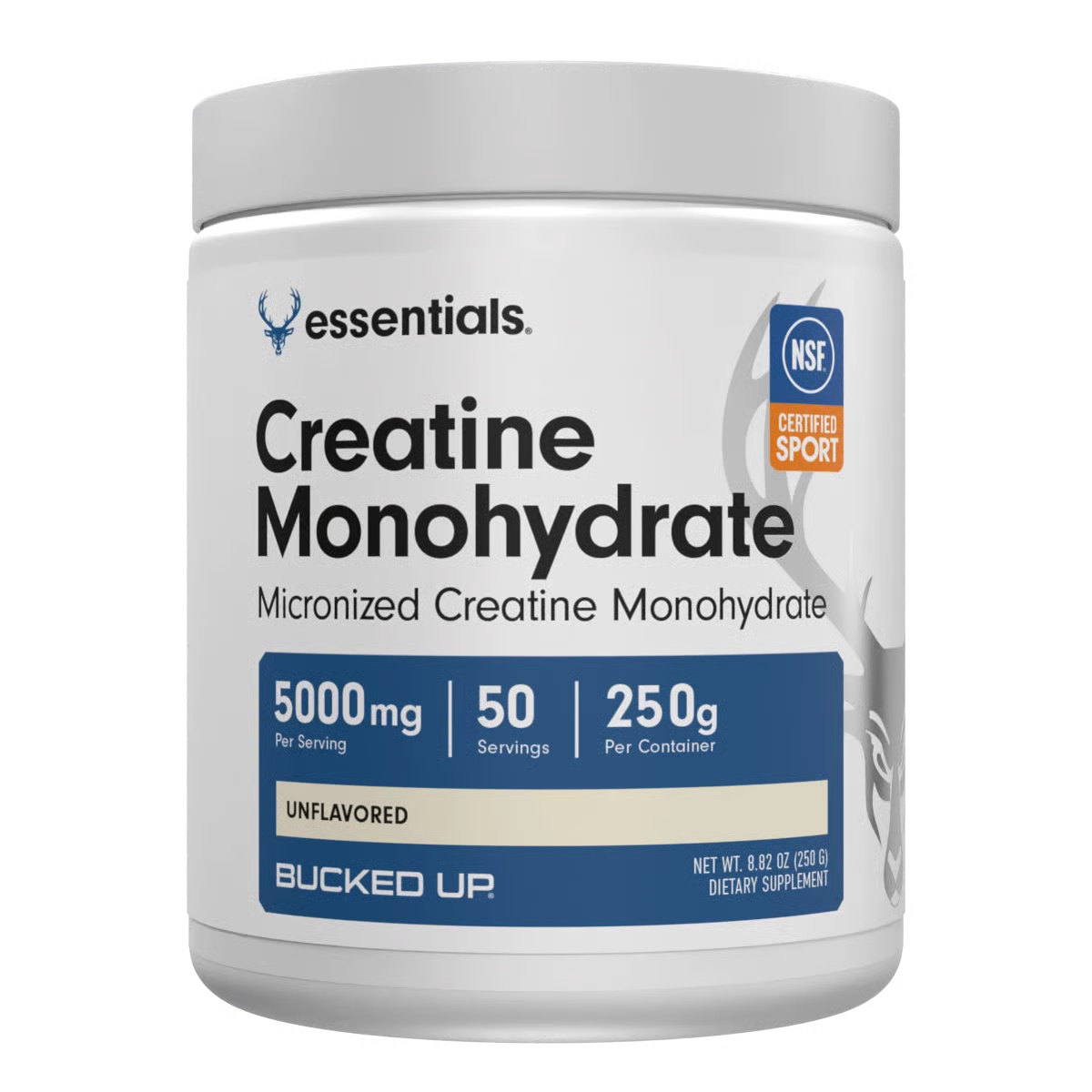
Concerns about bloating from creatine monohydrate usually relate to low water intake rather than poor absorption. Oral creatine monohydrate can raise intramuscular creatine stores by 10-40% depending on your starting levels, which shows how effectively it saturates muscle tissue.
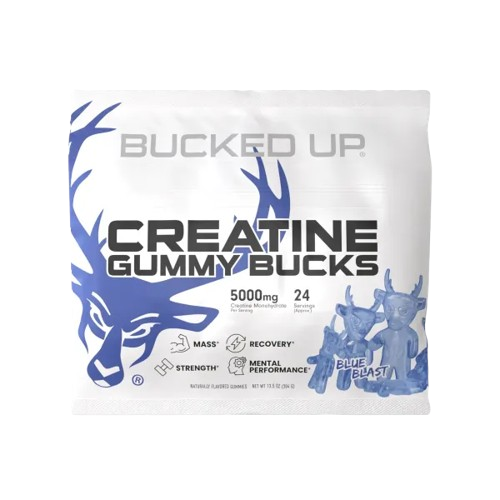
Bucked Up also offers alternative delivery methods, including Creatine Gummies (5 grams per 5 gummies in Tropic Thunder flavor) and Creatine Candy, for people who prefer not to use traditional powders.
Creatine Absorption Comparison Table: What the Data Shows
The comparison below highlights a key pattern. Monohydrate and HCl both reach near-complete absorption, while ethyl ester and buffered forms either underperform or lack strong evidence, despite marketing claims about superior uptake.
| Creatine Type | Absorption/Bioavailability | Key Characteristics | Bucked Up Options |
|---|---|---|---|
| Monohydrate | Near-complete | Extensive research | Pure Creatine, Gummies, Candy |
| HCl | Similar to monohydrate | Much more soluble in water | HCl Capsules, Babe Creatine |
| Ethyl Ester | Inferior to monohydrate | Degrades to creatinine rapidly | Six Point (minimal amount) |
| Buffered (Kre-Alkalyn) | No superiority shown | pH-stable claims unproven | Not featured |
Key Comparisons Among Popular Creatine Forms
Creatine HCl Compared to Monohydrate
Creatine HCl shows much greater solubility in water than creatine monohydrate, yet this property does not produce better muscle creatine loading or performance. A 2023 meta-analysis reported no advantage of creatine HCl over creatine monohydrate for muscle creatine loading or performance at effective doses.
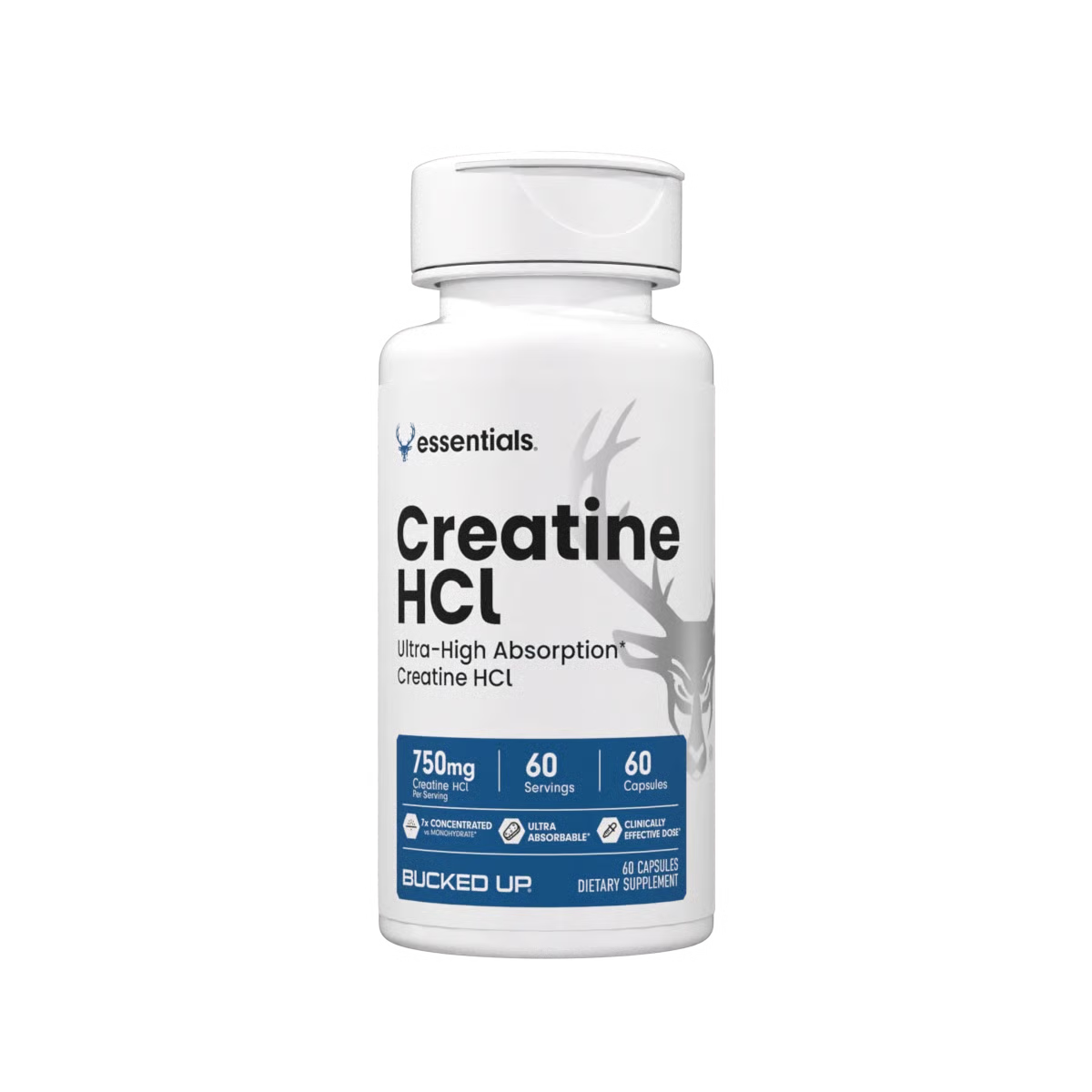
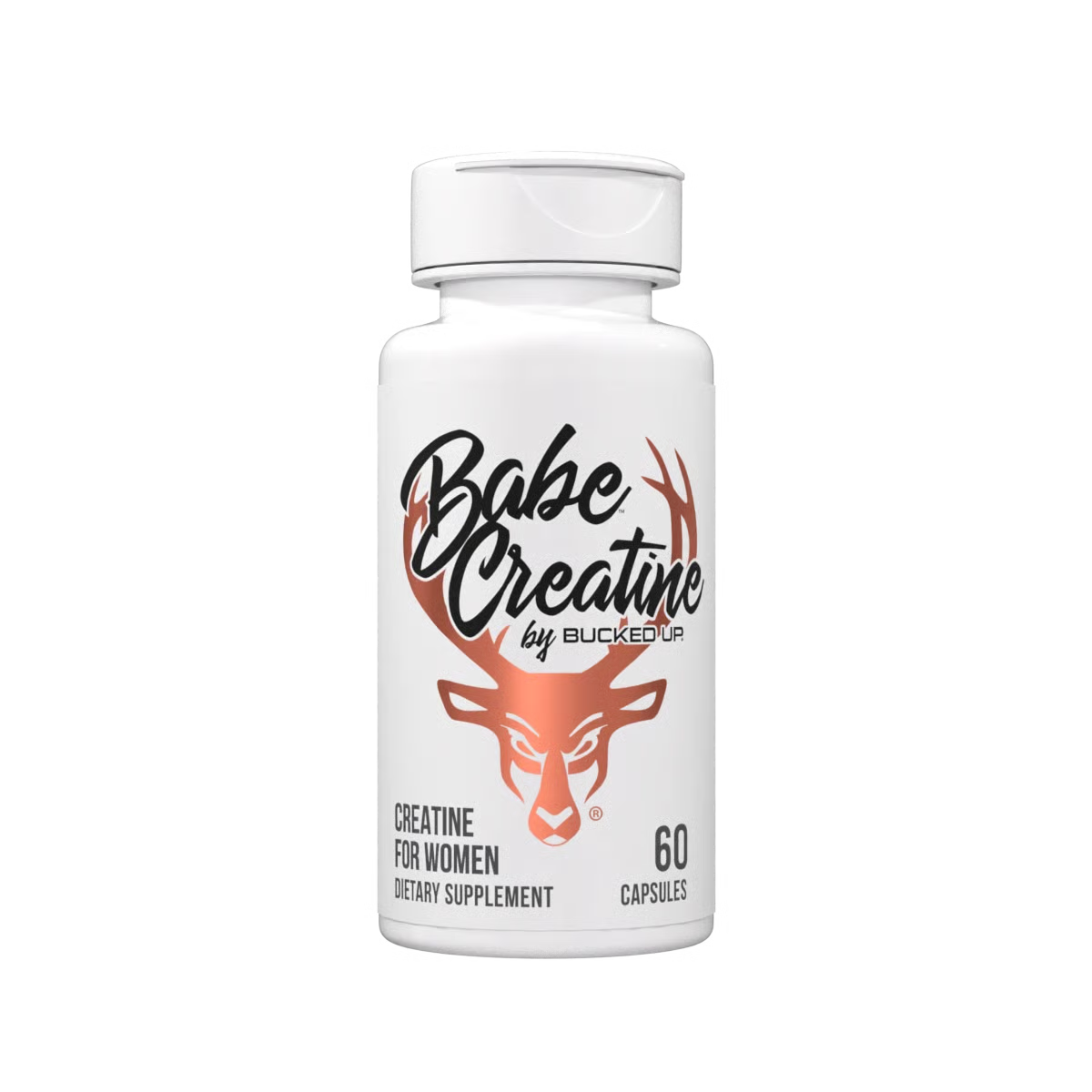
The main potential benefit of creatine HCl involves reduced bloating in people who feel sensitive to monohydrate, although larger trials have not yet confirmed this effect. Bucked Up’s HCl Capsules provide 750 mg of CON-CRĒT® Creatine HCl per capsule. Babe Creatine uses the same ingredient profile and targets women who want lean muscle support with minimal water retention.
Ethyl Ester and Buffered Creatine Performance
Creatine ethyl ester does not live up to claims of superior absorption. Research shows that creatine ethyl ester converts to creatinine faster than it reaches muscle tissue and can perform worse than placebo. This rapid breakdown limits any theoretical absorption benefit.
Buffered creatine forms such as Kre-Alkalyn also lack convincing scientific support. A double-blind study found no meaningful differences in muscle creatine saturation, strength gains, or gastrointestinal side effects between buffered creatine and monohydrate over 28 days of use.
Malate, Gluconate, and Multi-Form Blends
Beyond HCl and buffered forms, several other creatine derivatives claim absorption advantages through higher solubility or molecular tweaks. Creatine malate shows higher aqueous solubility than monohydrate, yet independent in vivo studies on the bioavailability of many creatine derivatives remain limited.
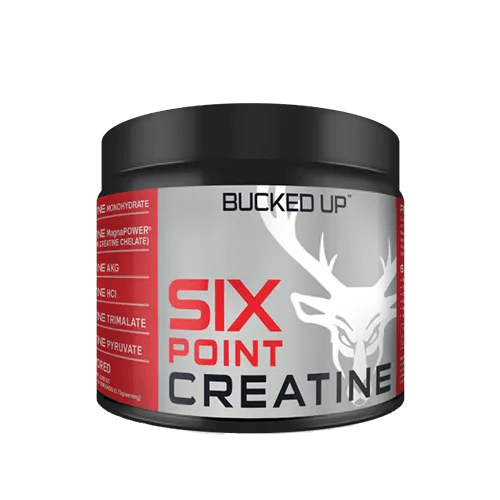
Bucked Up’s Six Point Creatine combines 2.5 grams of creatine monohydrate with additional forms, including creatine gluconate and tri-creatine malate, to support varied absorption kinetics and training demands.
Matching Creatine Forms to Your Goals and Lifestyle
Different creatine forms align with different training styles and preferences. Competitive athletes and serious lifters often choose Pure Creatine or Six Point blends to support power output and muscle saturation. People who prioritize convenience may lean toward Creatine Gummies or Candy, which remove the need for scoops and shakers while still delivering effective doses.
Those who notice bloating or water retention can explore Bucked Up’s HCl options, including the women-focused Babe Creatine formulation. Regardless of which form feels best for your body, all Bucked Up creatine products maintain 99.8% purity standards and NSF Sport certification, so you do not trade quality for comfort.
Once you choose a creatine type, you can match the delivery method to your routine. Capsules support precise dosing and easy travel, while flavored powders fit smoothly into pre- or post-workout shakes. Gummies and candy work well for on-the-go use and for people who prefer a quick chew over a drink.
Practical Tips for Better Creatine Absorption
Consistent daily intake of 3-5 grams supports effective creatine use, even on rest days. Regular dosing helps maintain muscle saturation, because creatine stores slowly decline when you stop taking it.
Hydration also matters. Aim for 80-100 ounces of water per day to support creatine transport and reduce the chance of digestive discomfort. You can take creatine at any time of day, although pairing it with carbohydrates may support uptake through insulin-related transport pathways.
Bucked Up’s range of powders, capsules, gummies, and candy helps you stay consistent with your routine. Capsules remove measuring and mixing, gummies offer portable convenience, and flavored powders make it easier to enjoy creatine every day.
Frequently Asked Questions
What type of creatine is best absorbed?
Creatine monohydrate reaches the near-complete bioavailability described earlier and remains one of the most thoroughly studied forms. Alternatives such as HCl improve solubility but have not shown better muscle creatine loading than monohydrate. Bucked Up’s micronized monohydrate products build on this research base with smoother mixing and improved flavor.
How does creatine HCl compare to monohydrate for absorption?
Creatine HCl and monohydrate reach similar absorption levels and support comparable muscle saturation. Creatine HCl’s main difference involves its higher water solubility, which may feel easier on digestion for some people, although this does not produce better performance outcomes. Choose HCl if you experience ongoing digestive issues with monohydrate, and use monohydrate if you tolerate it well and want the most extensively researched option.
Should I take creatine on rest days?
Daily creatine use supports steady muscle saturation, even when you do not train. Creatine works by building phosphocreatine stores in muscle tissue over time, so consistent intake keeps these energy reserves available. Skipping rest days can slowly reduce those stores and may blunt the benefits of your supplementation.
Are creatine capsules as effective as powder?
Creatine capsules and powders deliver the same creatine to your body when dosed correctly. The main differences relate to convenience, dosing style, and personal preference. Capsules remove the need for scoops and mixing and provide exact doses, which helps during travel or busy days. Powders offer flavor options and can be combined easily with other supplements in a single drink.
Which creatine form causes the least bloating?
Many people report less bloating with creatine HCl, likely because of its higher solubility and smaller typical serving size. Bucked Up’s HCl Capsules and Babe Creatine target this concern directly. Proper hydration often reduces bloating with monohydrate as well, so try increasing water intake first. If bloating continues despite good hydration, an HCl formulation can provide a practical alternative.
Conclusion
Creatine monohydrate’s strong absorption profile and long research history make it a reliable option for many lifters and athletes. Alternatives such as HCl can support people with specific sensitivities, yet current evidence does not show better performance or muscle loading than monohydrate. Bucked Up’s creatine lineup offers powders, capsules, gummies, and blends so you can match your supplement choice to your training style and daily routine. Find your ideal creatine solution from Bucked Up’s research-backed range. Shop now to elevate your performance.