Last updated: April 16, 2026
Key Takeaways for Focus Drinks
- Caffeine in the 100-300mg range, paired with L-theanine and nootropics like AlphaSize, can support 4-8 hours of steady focus.1
- Bucked Up Energy Drinks combine 300mg caffeine with TeaCrine, Dynamine, and AlphaSize for multi-pathway cognitive support.1
- Traditional drinks like Monster and Red Bull can increase crash risk because of sugar and limited nootropic support.
- Lower-stim options such as Proper Wild (100mg) and Matcha (about 70mg) fit sensitive users but usually support shorter focus windows.
- Experience all-day focus with Bucked Up’s nootropic stack by shopping their energy case or finding a store near you.1
Optimal Caffeine and Nootropics for Smooth Energy
Higher caffeine does not always mean better performance. One study supports about 97mg L-theanine with 40mg caffeine (roughly 2.4:1) for better cognitive performance, task switching, and alertness with less tiredness.1 Many modern focus drinks now build on this basic caffeine-theanine pairing.
Advanced compounds work together to enhance caffeine’s effects.1 AlphaSize supports acetylcholine for sharper focus, and a study found that 315mg alpha-GPC produced a 108% increase in cognitive performance metrics.1 TeaCrine can extend energy without the tolerance buildup seen with caffeine alone, while Dynamine supports mood and alertness.1 Bucked Up’s flagship drink contains 300mg caffeine with this full nootropic stack, and the LFG (150mg) and Babe (150mg) options provide lower-stimulant alternatives.
This framework sets the stage for the drinks below. Each option fits a different point on the caffeine spectrum, from high-stim nootropic blends to gentle traditional teas.
#1. Bucked Up Energy Drinks (Caffeine: 300mg) for Intense Focus Sessions
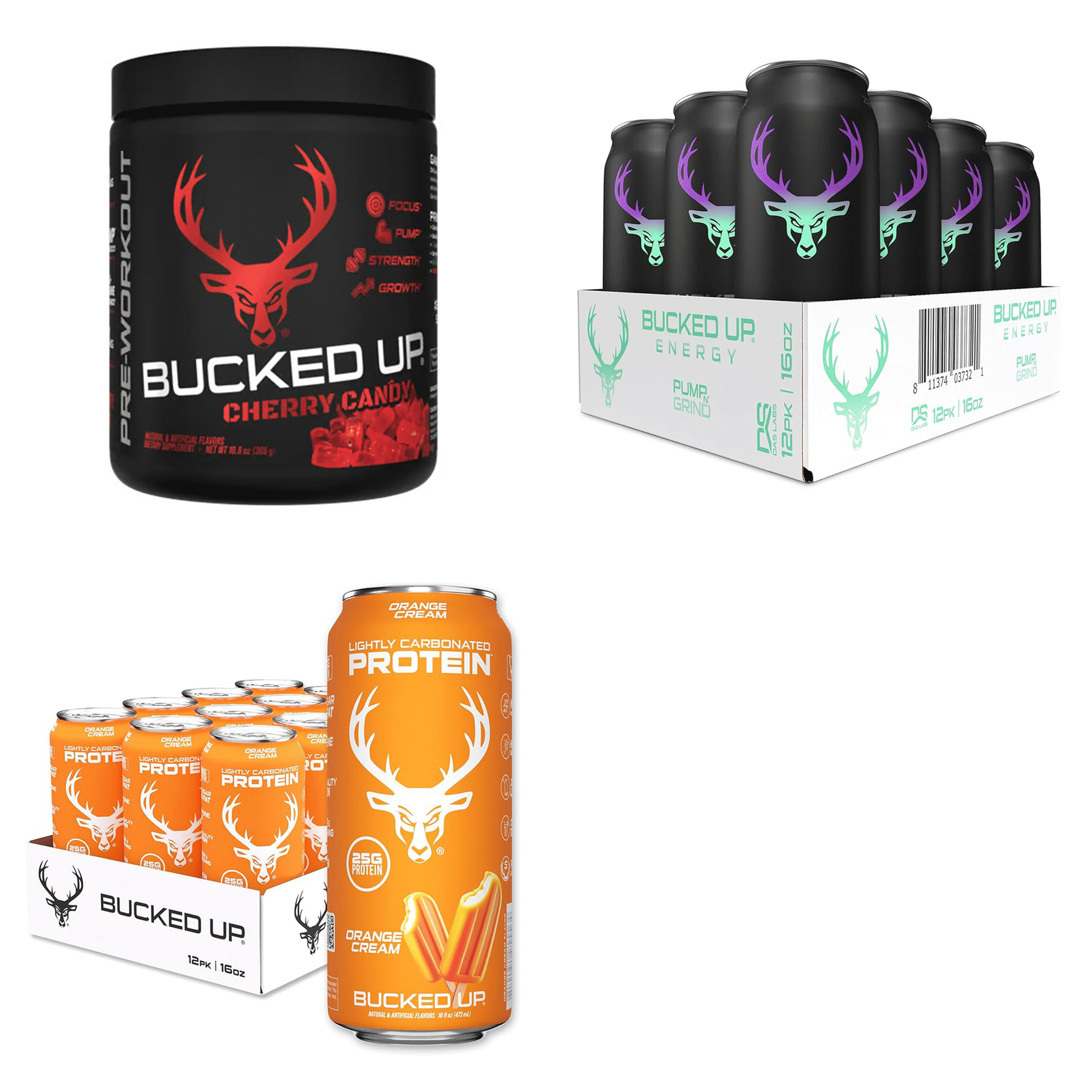
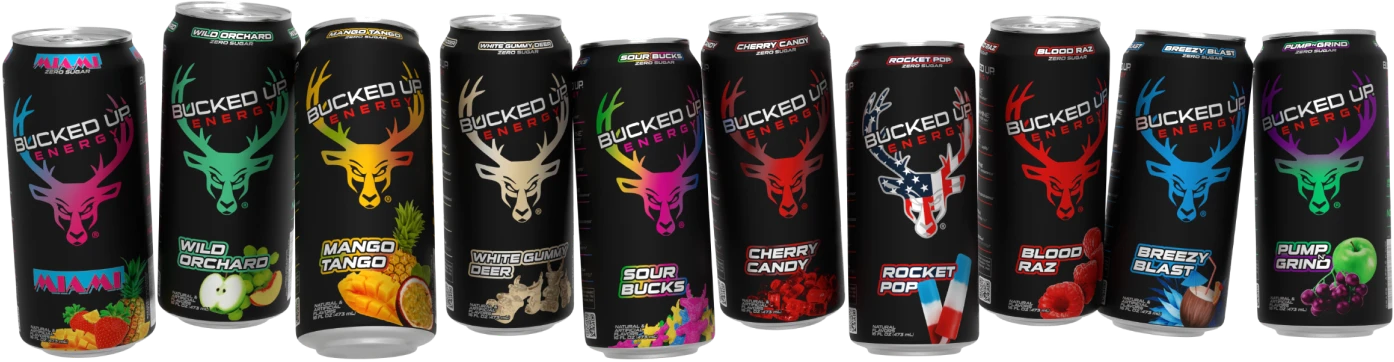
Bucked Up Energy Drinks use a nootropic-focused formula for demanding work or study blocks. The flagship can contains 300mg caffeine with Beta-alanine, Taurine, Acetyl L-Tyrosine, L-Theanine, Korean Red Ginseng, AlphaSize, Dynamine, TeaCrine, Huperzine-A, and vitamins B6 and B12. This stack targets focus, mood, and sustained energy.1
AlphaSize (alpha-GPC) supports acetylcholine for mental sharpness, while TeaCrine works with caffeine to smooth energy over several hours.1 Dynamine contributes to mood and clean stimulation.1 The LFG variant (150mg caffeine) adds MitoBurn for fat-burning support, and Babe (150mg natural caffeine) offers a gentler profile that many women prefer for everyday use.1
Real-world usage reflects what the ingredient panel suggests about steady energy.1 One customer shared, “Tasted great, this is my new energy drink. I used to drink 2 of the other energy drink brands, one to get me through the morning and one to get me through the afternoon at work. This energy drink keeps me going all day.” The products come from GMP-certified USA facilities. People sensitive to stimulants may prefer the 150mg options or lower-caffeine drinks on this list.
#2. Proper Wild (Caffeine: 100mg) for Sensitive Users
Proper Wild Clean All Day Energy Shots contain 100mg organic caffeine from green tea with 120mg L-theanine. This creates about a 1:1.2 caffeine-to-theanine ratio, which sits close to research-backed pairings. The modest caffeine level suits users who feel wired on stronger drinks.
The organic and short ingredient list appeals to health-focused shoppers. The tradeoff is shorter focus duration for heavy workloads, since 100mg caffeine rarely covers a full workday. The shot format is convenient but does not include the broader nootropic stack seen in Bucked Up.
#3. Matcha (Caffeine: about 70mg per 2g serving) for Calm Alertness
Ceremonial matcha usually contains 60-80mg caffeine and 20-40mg L-theanine, giving a caffeine-to-theanine ratio of roughly 1.5:1 to 4:1. This delivers the natural caffeine-theanine pairing described earlier, although the ratio often falls short of the 2.4:1 therapeutic ratio seen in research.
The whole-leaf suspension and polyphenols slow absorption compared to coffee, which supports a gentler energy curve. Matcha’s L-theanine content encourages alpha brain waves and a calm, focused state. Drawbacks include lower total caffeine for intense tasks and wide variation in quality. High-grade ceremonial matcha can be expensive while still offering moderate stimulation.
#4. Celsius (Caffeine: 200mg) for Fitness-Focused Energy
Celsius contains 200mg caffeine from sources such as guarana seed extract and green tea extract. The formula also includes taurine, guarana extract, green tea leaf extract, ginger root, and vitamins. Although marketed for workouts, the 200mg caffeine level can support focus blocks.
The brand highlights thermogenic effects and natural ingredients, which positions Celsius as a fitness-first drink. This focus means the formula does not include dedicated nootropics like AlphaSize or TeaCrine that appear in some study-oriented products. People who need smoother cognitive support may prefer drinks with more targeted brain ingredients.
#5. Ghost Energy (Caffeine: 200mg) for Gamers and Creators
Ghost Energy provides 200mg natural caffeine with taurine, L-carnitine, and alpha-GPC. The alpha-GPC content sets it apart from basic energy drinks, although the dose sits below the 315mg level linked to large cognitive gains in research. The brand speaks directly to gaming and fitness communities and uses transparent labeling.
Strong flavors and social media marketing attract younger users. Alpha-GPC still offers some cognitive support at lower doses. People who want deeper focus support may look for more complete nootropic stacks.
#6. Red Bull (Caffeine: 80mg per 8.4oz) for Quick, Light Stimulation
Red Bull contains 80mg caffeine per 8.4oz can with taurine, B-vitamins, and sugar. It helped define the energy drink category but relies on simple stimulation instead of modern nootropic design. The modest caffeine level fits short tasks more than all-day focus.
Global availability and strong branding make Red Bull easy to find. The sugar content, at 26g per 8.4oz serving, can contribute to a hard energy drop. The basic formula also lacks advanced focus ingredients, and the small can size often leads people to drink multiple servings.
#7. Monster Energy (Caffeine: 160mg) for High-Sugar Energy
Monster Energy delivers 160mg caffeine with taurine, ginseng, and B-vitamins in a 16oz can. The larger volume adds hydration, and ginseng offers mild adaptogenic support. Numerous flavors give users many taste options.
The high sugar content can contribute to a sharp rise and fall in perceived energy. The stimulant profile stays fairly simple and does not include dedicated nootropics for focus. Frequent use may increase tolerance to caffeine.
#8. Bang Energy (Caffeine: 300mg per 16oz) for Gym-Centered Performance
A 16oz can of Bang Energy contains 300mg caffeine with creatine, CoQ10, and amino acids. The caffeine level matches Bucked Up’s flagship, but the formula leans toward physical performance. The zero-sugar approach helps avoid glucose spikes.
Creatine may support brain energy metabolism in addition to muscle performance. The absence of L-theanine or similar calming compounds can increase jitters at 300mg caffeine. The gym-first positioning makes Bang less tailored to study or deep work compared with nootropic-heavy options.
#9. Reign Total Body Fuel (Caffeine: 300mg) for Athletes Who Need Focus
Reign provides 300mg natural caffeine with CoQ10, electrolytes, and amino acids. The formula centers on training, performance, and recovery. Zero sugar and artificial sweeteners keep calories low.
Electrolytes can help maintain hydration during long focus or training sessions. The high caffeine dose suits users with strong tolerance. The lack of dedicated nootropics, however, means cognitive support may not match specialized focus drinks.
#10. Coffee (Caffeine: 95mg per 8oz) for Everyday Ritual
Standard brewed coffee contains about 95mg caffeine per 8oz serving. Many people enjoy the familiar taste and routine, and coffee’s antioxidants offer general health benefits. It remains one of the most accessible and affordable focus aids.
Coffee does not naturally include L-theanine or added nootropics, which can raise jitter and crash potential for some users. Its acidity can bother sensitive stomachs during long study days. Brewing style also changes caffeine content, which makes precise dosing harder.
#11. Green Tea (Caffeine: 25mg) for Very Gentle Focus
Green tea provides about 25mg caffeine with natural L-theanine, forming the original caffeine-theanine pairing. Typical servings contain 25-50mg caffeine and L-theanine, although levels sit below the therapeutic ratios used in focus studies.
Antioxidants and calming tea rituals add wellness benefits. The low caffeine content often requires several cups for noticeable stimulation, which increases fluid intake. The mild effect works well for very sensitive users but may not cover heavy cognitive workloads.
#12. Kombucha (Caffeine: around 15mg on average) for Gut Support
Kombucha typically averages about 15mg caffeine from fermented tea and also contains probiotic bacteria and organic acids. Fermentation creates a tangy flavor and may support digestion. The low caffeine level makes kombucha suitable later in the day.
Probiotics may support gut health, which early research links to aspects of cognitive function. The small caffeine dose offers little direct stimulation for focus. Fermentation can change caffeine levels between brands, and some products contain trace alcohol.
Daily Use Tips for Brain Fog and ADHD-Like Focus Needs
Many users take one Bucked Up Energy Drink in the morning to cover an 8-hour focus window.1 The Babe variant offers a lower-stim choice for sensitive users or afternoon work. Drinking it 30-60 minutes before demanding tasks gives the ingredients time to reach peak effect.
Label transparency and nootropic content matter more than caffeine alone when you compare options. Academic burnout often includes memory and attention problems that feel like brain fog. Formulas that support several cognitive pathways can offer more complete help than simple stimulants.
Bucked Up vs. Competitors: Study-Focused Energy Comparison
The table below compares Bucked Up with three popular mainstream energy drinks. It highlights how nootropic stacks can support focus and reduce crash risk even at higher caffeine levels.
| Drink | Caffeine (mg) | Key Synergist | Crash Risk |
|---|---|---|---|
| Bucked Up | 300 | AlphaSize/TeaCrine/Dynamine | Low |
| Monster | 160 | High sugar | High |
| Red Bull | 80 | Taurine | Medium |
| Celsius | 200 | Limited nootropics | Medium |
Bucked Up supports mood and focus with Dynamine, extends energy with TeaCrine, and adds AlphaSize for cognitive support.1 Traditional energy drinks often rely on sugar or basic stimulation. Compare Bucked Up’s complete nootropic stack or locate a retailer near you to see how a broader ingredient profile feels in practice.
People Also Ask
What is the best energy drink for focus?
Bucked Up Energy Drinks support focus with 300mg caffeine, AlphaSize for acetylcholine, TeaCrine for sustained energy, and Dynamine for mood.1 This multi-pathway design goes beyond basic stimulation and aims to support roughly 8 hours of productivity, while helping reduce the crash pattern seen with many traditional drinks.
What drinks are good for ADHD focus?
Drinks that combine 100-300mg caffeine with L-theanine or advanced nootropics can support focus in people with ADHD-like symptoms.1 Bucked Up’s AlphaSize supports acetylcholine for concentration, and TeaCrine helps provide smoother stimulation.1 The overall formula targets several attention-related pathways at once.
What drink gets rid of brain fog?
Brain fog often responds to caffeine paired with cognitive enhancers such as alpha-GPC (AlphaSize).1 Bucked Up Energy Drinks include this combination along with TeaCrine for sustained clarity.1 The multi-ingredient approach addresses neurotransmitters and energy delivery while aiming to avoid sharp glucose swings.
What is the optimal caffeine dose for focus without jitters?
Research often supports 100-300mg caffeine with L-theanine in roughly 2:1 style ratios for focus without strong overstimulation.1 Individual tolerance varies, so sensitive users usually do better around 100-150mg, while others may choose 200-300mg for long, demanding tasks. Compounds like TeaCrine can help smooth the overall effect.
How long do energy drinks provide focus?
Focus duration depends on both the formula and your metabolism. Plain caffeine usually supports 3-5 hours of stimulation. Formulas with TeaCrine and other sustained compounds can extend that window to about 6-8 hours.1 Bucked Up’s stack is designed with all-day productivity in mind and aims to reduce mid-afternoon energy drops.1
Get Laser-Focused in 2026
Energy drinks have evolved from simple caffeine-and-sugar blends into more thoughtful nootropic formulas. Bucked Up Energy Drinks use ingredient stacks that address several focus pathways at the same time.1 Experience the next generation of focus support1 or find Bucked Up in a store near you to test sustained 8-hour energy against your current go-to drink.
1 The content provided in this article is for informational purposes only and is not medical advice. Consult with a medical professional before implementing any changes to your diet, health, or exercise routines.
Individual results will vary and are based on a combination of each individual’s diet, exercise, age, and health circumstances.
These statements have not been evaluated by the Food and Drug Administration. This product is not intended to diagnose, treat, cure or prevent any disease.
This article was written by Ryan Gardner, CEO of Bucked Up. As the maker of Bucked Up Energy Drinks, we have a financial interest in this information. The views expressed are our own and should be read with that context in mind.