Written by: Ryan Gardner, Owner, Managing Partner, CEO, Bucked Up | Last updated: April 17, 2026
Key Takeaways: High-Purity Creatine and Bucked Up
- High-purity creatine monohydrate targets 99.9%+ purity with NSF, Informed-Sport, or GMP certifications that help support safety and effectiveness.1
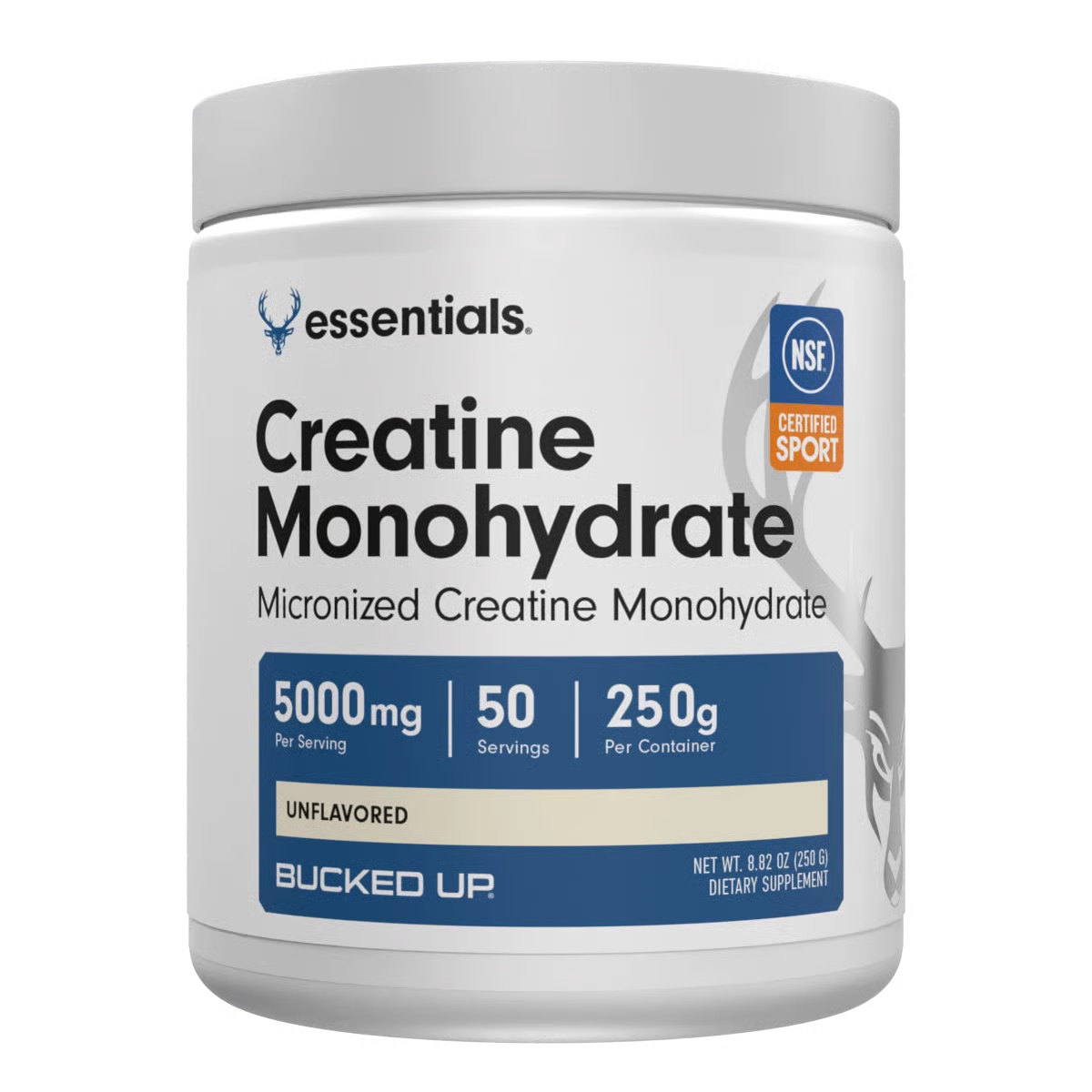
- Micronized creatine uses smaller particles for better solubility, which can minimize bloating and improve gastrointestinal comfort compared to standard forms.1
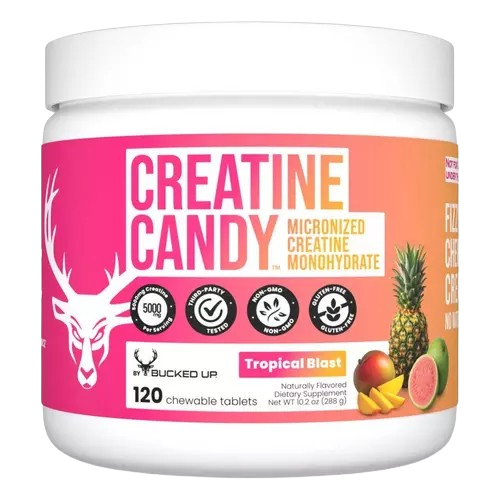
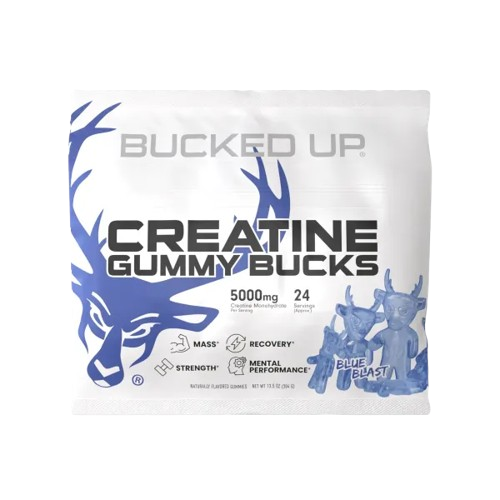
- Bucked Up offers NSF-certified creatine that meets this high-purity standard in formats like powders, gummies, and candy, often praised for taste and convenience.
- Customer testimonials frequently mention strength gains, smoother recovery, and reduced bloating when using Bucked Up creatine products.1
- To explore certified creatine in multiple formats, browse Bucked Up’s creatine line and match options to your training goals.
How High-Purity Creatine Monohydrate Is Defined
High-purity creatine monohydrate typically meets 99.9%+ purity levels to support consistent effectiveness and safety.1 This standard limits unwanted byproducts such as creatinine, dicyandiamide, and dihydrotriazine that can appear with less refined manufacturing. Micronization then reduces particle size, which improves gastrointestinal tolerability and reduces bloating compared to standard creatine.1
The gold standard certifications include NSF Certified for Sport, Informed-Sport, USP, and ConsumerLab.com. These independent programs verify purity, potency, and the absence of key contaminants. They also test for heavy metals, pesticides, and banned substances while checking that labels match what is in the container.
Top 5 Places to Buy High-Purity Creatine Monohydrate in 2026
Once you know which purity standards and certifications matter, the next step is choosing retailers that consistently meet them. The sources below vary in certification depth, product formats, and price, giving you options based on your priorities.
1. Bucked Up (buckedup.com)
Bucked Up offers NSF-certified creatine that meets the high-purity standard discussed earlier, with formats including powders, gummies, and candy. Customer testimonials highlight taste and results: “Blue raspberry tastes amazing. I honestly would drink this flavor as just a normal drink even if it wasn’t creatine” and “Unlike other creatine, this has no after taste, only straight results.”1
2. Amazon (Nutricost and Generic Brands)
Amazon carries various micronized creatine options with third-party testing, although certification levels differ by brand. The marketplace supports convenient bulk purchasing, yet quality consistency can vary between sellers and product lines.
3. Vitamin Shoppe (BodyTech)
Vitamin Shoppe’s BodyTech line provides micronized creatine monohydrate in powder and capsule forms. This option suits traditional supplement users who prefer an established retail presence and in-store availability.
4. BulkSupplements
BulkSupplements focuses on cost-conscious micronized creatine powder. Certification details can be more limited than premium brands, so label review and any available testing information become especially important.
5. Creapure Brands (Muscle Feast, Momentous)
Creapure creatine monohydrate delivers 99.9%+ purity with NSF Certified for Sport backing, offering a German-manufactured option for consumers who prioritize documented purity.
The following table compares certifications, available formats, and general positioning across these sources so you can quickly see which aligns with your needs.
| Retailer/Product | Purity/Cert | Forms | User Rating/Testimonial |
|---|---|---|---|
| Bucked Up Pure Creatine | High-purity, NSF/GMP/NSF Sport | Powder, Gummies, Candy | “Blue raspberry tastes amazing” (company testimonials) |
| Amazon Nutricost | Micronized, third-party | Powder only | Consumer reports vary |
| Vitamin Shoppe BodyTech | Micronized | Powder/Caps | Reliable bulk option |
| BulkSupplements | Micronized | Powder | Budget-focused |
| Creapure (Muscle Feast) | 99.9% Creapure/NSF | Powder | High purity German standard |
Explore Bucked Up’s NSF-certified creatine line to compare flavors and formats, from traditional powders to portable gummies and candy.
Why Bucked Up’s Creatine Line Can Stand Out
Bucked Up can stand out through NSF certification, multiple delivery formats, and micronized formulations that address common creatine concerns. Their Pure Creatine provides 5 grams of micronized creatine monohydrate at the high-purity level described earlier, while gummies and candy formats help with portability and flavor for users who dislike plain powders.
Customer experiences often mention both effectiveness and palatability: “After about 2 months I put on about 10lbs after being at the same weight for years” and “I love this stuff. I don’t feel bloated and I can mix it with anything.”1 The micronized formulation supports these outcomes because smaller particles dissolve more completely and improve gastrointestinal tolerability.1
Bucked Up’s creatine products support traditional goals like power output and recovery, and users also report benefits for cognitive focus and muscle preservation.1 These effects become easier to maintain when digestive issues do not disrupt consistent daily use.1 For people who remain sensitive even with micronized powder, their HCl formulations offer another option that supports high absorption with relatively low water retention.1
Comparison Table: Bucked Up vs. Other Creatine Brands
When comparing Bucked Up with other well-known brands, key differences include certification status, format variety, and how each approach may affect bloating and convenience. The table below summarizes these trade-offs to support a side-by-side review.
| Feature | Bucked Up | Transparent Labs | Optimum Nutrition |
|---|---|---|---|
| Purity/Cert | High-purity, NSF Sport | Third-party tested | Micronized standard |
| Forms | Gummies/Candy/HCl/Powder | Powder/HMB blends | Powder only |
| Bloat Risk | Low (micronized/HCl) | Standard | Potential with large doses |
| Innovation | Multiple convenient formats | Ingredient combinations | Traditional approach |
When evaluating creatine options, focus on certifications, review any third-party testing, and choose a format that fits your routine and digestive sensitivity.
User Reviews and Real Results from Bucked Up Creatine
Customer feedback across Bucked Up’s creatine products points to consistent positive experiences. Pure Creatine users share comments such as “Awesome product. You can see after some time the changes! This really helped with my personal goals”1 and “Mixes perfect with your pre-workout.”
Gummy reviews often emphasize convenience and flavor: “Loveeee the new amazing style and taste to it” and “My inner stomach muscles actually stay and my body doesn’t hurt the next day, no matter how hard I go.”1 These reactions show how enjoyable formats can support daily consistency.
HCl formulation reviews focus on digestive comfort and performance: “No bloating as long as I keep up with the proper water intake and definitely noticing it provide a better pump and growth”1 and “Great energy boost and easy to take! I noticed strength gains in just a couple weeks, and no bloating.”1
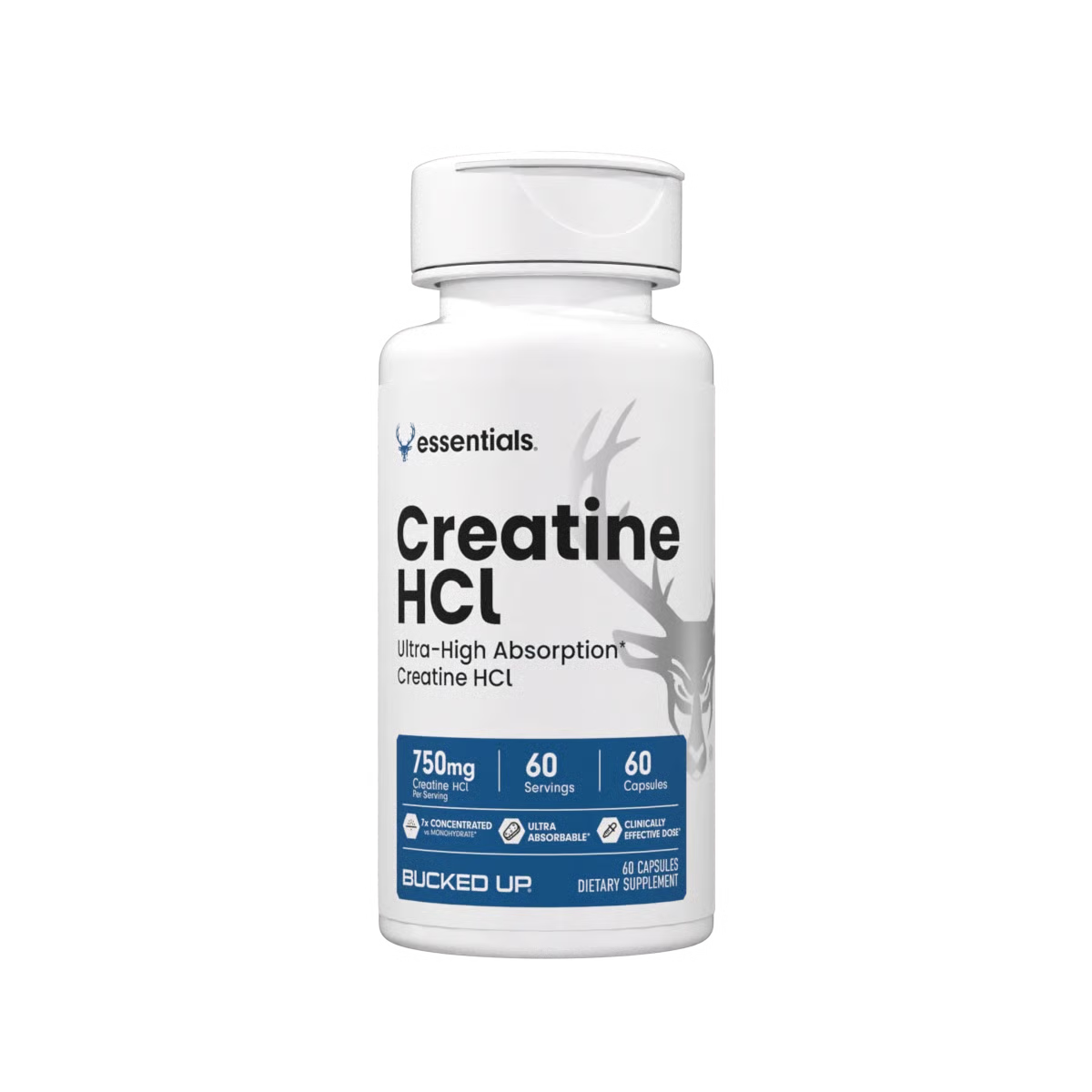
Many testimonials also mention recovery and strength changes: “I have noticed a huge impact on my workout recovery using creatine. It helps me with sleep recovery, it helps me have strength and energy like never before”1 and “I’ve been taking this for almost 2 months and notice a huge difference in my skin, my body and my training.”1
Buying Guide and Common Questions
Does micronized creatine prevent bloating?
Micronized creatine features particles up to 20 times smaller than standard forms, vastly increasing water solubility and minimizing bloating and gastrointestinal distress.1 Bucked Up’s micronized formulations are designed with this concern in mind.
Which creatine certifications are most trusted?
Look for NSF Certified for Sport, Informed-Sport, USP, and ConsumerLab.com certifications that verify purity, potency, and contaminant testing through independent labs.
Should I take creatine on rest days?
Consistent daily intake helps maintain muscle creatine saturation, which supports performance and recovery even when you are not training.1
Powder vs. gummies: which works better?
Both formats deliver the same creatine molecule with similar bioavailability when dosed correctly. Gummies focus on convenience and taste, while powders offer flexible mixing with other supplements.
How much water should I drink with creatine?
Creatine draws water into muscle cells as part of its performance-supporting mechanism, which raises overall hydration needs.1 Aim for 80 to 100 ounces of water per day when using creatine to support this cellular uptake and maintain hydration.
Conclusion: Choosing a High-Purity Creatine That Fits Your Routine
Growth in creatine use reflects rising awareness of quality, certification, and format options in this supplement category. Bucked Up participates in this shift through NSF-certified purity, micronized powders, and alternative delivery forms that address taste, portability, and bloating concerns.
For high-purity creatine monohydrate paired with modern convenience, Bucked Up’s product line offers powders, gummies, candy, and HCl options from certified facilities. Their focus on transparency, quality control, and user experience provides a clear framework for building a consistent creatine routine.
Frequently Asked Questions
What makes creatine monohydrate “high purity” and why does it matter?
High-purity creatine monohydrate meets the ≥99.9% purity standard on a dry basis with minimal contaminants, byproducts, or fillers. This level supports consistent effectiveness, lowers the risk of unwanted side effects, and helps ensure you receive the full intended dose of active ingredient.1 Lower-grade creatine can contain substances like creatinine, dicyandiamide, and dihydrotriazine that may reduce effectiveness and contribute to digestive issues. High-purity creatine also tends to dissolve more completely, mix more smoothly, and deliver more predictable strength, power, and recovery support.1
How do I confirm that a creatine supplement is third-party tested and certified?
Check product labels for specific certification logos and identifiers such as NSF Certified for Sport, Informed Sport, USP, or ConsumerLab.com. These marks should be verifiable on the certifying organization’s website using batch numbers or product codes. Reputable brands also share Certificates of Analysis that list purity, potency, and contaminant results. Be cautious with products that only claim to be “tested” without naming the organization or offering verification. Independent testing helps confirm label accuracy and screens for banned substances, heavy metals, and other contaminants.
What is the difference between creatine powder, capsules, and gummies for effectiveness?
All three forms deliver the same creatine molecule with similar effectiveness when you take the correct dose. The main differences involve convenience, taste, and digestive comfort. Powders usually cost less per serving and mix easily with other supplements. Capsules allow precise dosing without flavor, which some users find easier on digestion. Gummies focus on taste and portability, which can improve daily consistency for people who dislike traditional powders. Micronized versions in any format tend to dissolve better and may reduce digestive discomfort compared with standard particle sizes.1
Why do some people experience bloating with creatine, and how can they reduce it?
Bloating often occurs when creatine does not fully dissolve in the digestive tract, creating an osmotic effect that pulls water into the intestines. This effect relates mainly to particle size and solubility rather than the creatine molecule itself. Micronized creatine helps reduce this issue because smaller particles dissolve more completely.1 Creatine HCl forms can also feel gentler for some users due to higher solubility.1 To limit bloating, choose micronized or HCl forms, drink 80 to 100 ounces of water daily, split your dose across the day, and avoid taking creatine on an empty stomach if you are sensitive.
Is paying more for premium creatine brands worth it?
Premium creatine brands often support higher prices with stricter manufacturing standards, third-party certifications, innovative formats, and tighter quality control. These products may feature micronized particles, NSF or Informed Sport certifications, and transparent testing results that some generic options do not provide. The extra cost can make sense if you value documented purity, fewer side effects, smoother mixing, or convenient options like gummies and capsules. If you mainly want basic creatine support and tolerate standard powders well, carefully chosen generic products with verifiable third-party testing can still offer solid value. The key is matching any creatine you choose to your needs for certification, format, taste, and digestive comfort.
1 The content provided in this article is for informational purposes only and is not medical advice. Consult with a medical professional before implementing any changes to your diet, health, or exercise routines.
Individual results will vary and are based on a combination of each individual’s diet, exercise, age, and health circumstances.
These statements have not been evaluated by the Food and Drug Administration. This product is not intended to diagnose, treat, cure or prevent any disease.
This article was written by Ryan Gardner, CEO of Bucked Up. As the maker of Bucked Up Creatine, we have a financial interest in this information. The views expressed are our own and should be read with that context in mind