Written by: Ryan Gardner, Owner, Managing Partner, CEO, Bucked Up | Last updated: April 17, 2026
Key Takeaways
- Micronized creatine can still cause bloating and stomach issues because undissolved particles pull water into the gut.1
- Seven practical steps help reduce problems: dissolve in warm water, take with meals, skip loading, split doses, hydrate well, time around workouts, and track tolerance.
- Many people do best with 12–16 oz of water per 5 g dose plus roughly 3.5–4.5 liters daily to support absorption and reduce digestive stress.1
- Bloat-conscious options like Creatine HCl capsules, gummies, and candy remove mixing issues and use highly soluble forms that can feel easier on sensitive stomachs.1
- Support your training with Bucked Up creatine products, including NSF-certified options designed for consistent, stomach-friendly performance.1
Why Micronized Creatine Can Still Upset Your Stomach
Micronization improves creatine’s solubility and mixability by reducing particle size, but it does not change the basic osmotic properties that can trigger digestive distress. Creatine monohydrate is hygroscopic, meaning it attracts and retains water, and undissolved particles can move through the stomach and small intestine, acting as irritants and drawing excess water into the lower GI tract, which can cause bloating, cramps, and diarrhea.
The osmotic effect occurs when creatine particles pull water into the digestive tract before muscles absorb it. Even micronized creatine often mixes poorly with cold water, leaving clumps at the bottom of the cup that intensify water pull into the gut and raise the risk of bloating or loose stools. This explains why some people still experience stomach upset with micronized forms.
Individual factors compound the osmotic problem described above. Dehydration reduces the water available to dissolve creatine particles, while high single doses overwhelm the digestive system’s absorption capacity, leaving more undissolved creatine to draw water into the gut. Insufficient mixing creates the same outcome through a different route, because particles never fully dissolve. Studies indicate that taking 10 grams of creatine monohydrate in a single dose significantly increases the risk of diarrhea compared with taking two 5-gram doses spread throughout the day, as the digestive system struggles with concentrated amounts.
7 Proven Steps to Reduce Stomach Issues with Micronized Creatine
These practical strategies help many users cut down on digestive discomfort while still gaining the performance benefits of creatine.1
1. Dissolve Fully in Warm Water
Mix your creatine in 8–12 ounces of room temperature or slightly warm water. Very cold water often leaves undissolved creatine particles that can irritate the gut, while room temperature or slightly warm water improves solubility and absorption.1 Stir thoroughly until the powder fully dissolves.
2. Take with Meals
Taking creatine with food slows gastric emptying, which buffers the stomach lining and allows more gradual absorption, easing irritation. The carbohydrates in a meal also provide an extra benefit by supporting creatine uptake into muscle tissue through insulin-mediated transport.1
3. Skip the Loading Phase
Starting with a lower daily dose and skipping the traditional loading phase can reduce gas, bloating, and stomach upset, especially at higher intakes1. Stick with 3–5 grams per day. Muscles usually reach saturation within 3–4 weeks without the digestive stress of 20–25 gram loading protocols.
4. Split Large Doses
Limit single creatine monohydrate servings to 5 g or less, or divide higher daily intakes into smaller doses to reduce issues like diarrhea, bloating, and stomach upset. If your daily intake exceeds 5 grams, split it into two or three smaller servings so your digestive system handles each portion more comfortably.
5. Hydrate Adequately
Drink 12–16 ounces of water per 5 g creatine dose, with a baseline intake of 35–40 ml per kilogram of body weight plus an additional 1–1.5 liters daily. For someone weighing about 154 lbs, this equals roughly 3.5–4.5 liters per day. Strong hydration supports creatine transport and helps prevent the osmotic water draw that can cause cramping and diarrhea.1
6. Time Around Your Workout
Take creatine about 60–90 minutes before training so digestion and absorption can occur before exercise, which aligns peak blood creatine levels with your session. Some people prefer post-workout dosing, which may support uptake when muscles are more sensitive to nutrients.1
7. Monitor and Adjust
Even with careful timing and preparation, individual tolerance varies. If stomach issues continue after trying these steps, cycle off creatine for a few days or reduce the dose temporarily. Some people benefit from slowly building up their daily amount.
Ready to put these steps into practice? Explore Bucked Up’s creatine lineup and choose options that support your stomach and your training.1 Browse creatine products
When Protocol Tweaks Are Not Enough: Bloat‑Conscious Creatine Alternatives
Some users still experience digestive issues even with careful mixing, dosing, and hydration. In those cases, alternative creatine formats can feel more comfortable. Bucked Up offers three options that help bypass common mixing and absorption challenges.
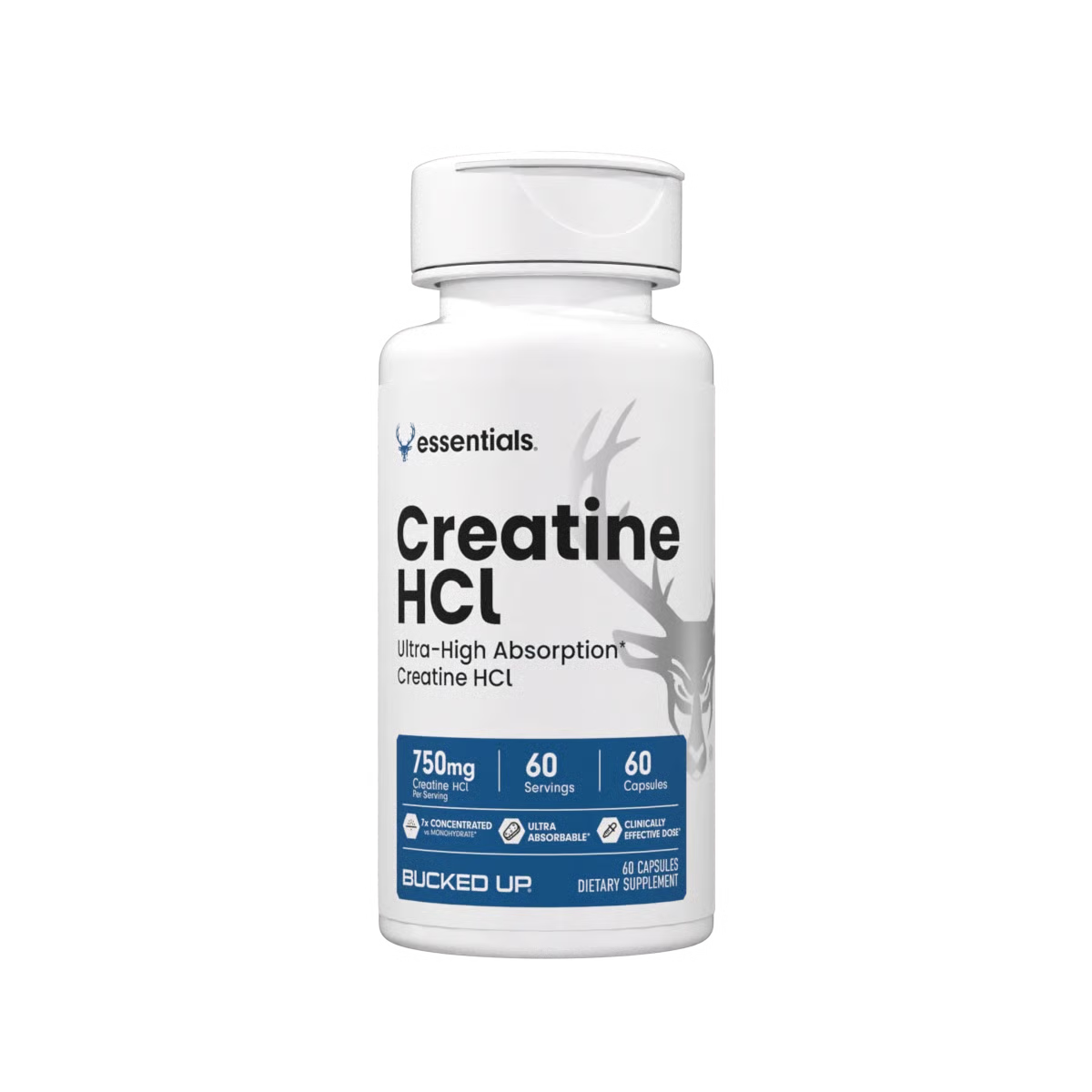
Creatine HCl capsules provide roughly 38-fold greater water solubility than creatine monohydrate, which supports smaller effective doses and lowers osmotic stress that can cause bloating.1 Each CON-CRĒT® capsule delivers 750 mg of highly bioavailable creatine HCl in a convenient, pre-measured serving.1
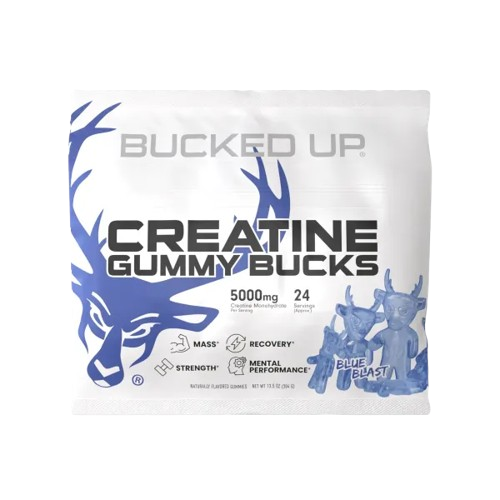
Creatine Gummies supply 5 grams of creatine monohydrate in a chewable format that requires no mixing or measuring. Flavors such as Tropic Thunder and Raspberry Blitz make daily use simple while avoiding the clumping and incomplete dissolution that often affect powders.
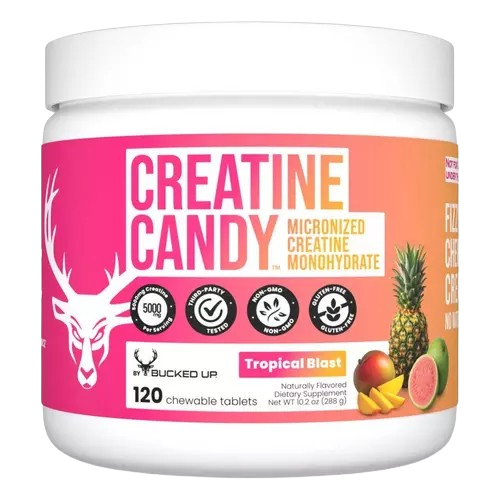
Creatine Candy uses a dissolvable tablet that provides 5 grams of creatine monohydrate with a light fizzy sensation. This portable option dissolves fully in the mouth, which supports complete intake without leaving undissolved particles to irritate the digestive tract.
All Bucked Up creatine products are produced in NSF Certified and GMP Certified facilities, and many carry NSF Sport certification for purity and safety. A 99.8% purity standard helps limit contaminants that might aggravate sensitive digestion.1
How Bucked Up Creatine Formats Support Sensitive Stomachs
Bucked Up’s creatine formats target different causes of digestive discomfort through specific formulations and delivery methods. Each option focuses on a distinct factor such as solubility, dissolution consistency, or convenience, so you can match the product to your own tolerance.
| Form | Dose | Key Stomach Advantage | Best For |
|---|---|---|---|
| HCl Capsules | 750mg/cap | 38x solubility, no bloating/loading | Sensitive digestion |
| Gummies | 5g (5 pieces) | No mixing, complete dissolution | On-the-go athletes |
| Candy | 5g | Dissolvable, fizzy/portable | Convenience seekers |
The HCl form’s higher solubility supports smaller serving sizes and can reduce the water retention and bloating often linked with monohydrate loading.1 Gummies and candy remove mixing variables, which helps avoid incomplete dissolution and the stomach irritation that can follow.
Bucked Up also emphasizes clear labeling and strict manufacturing standards. This focus on purity helps limit fillers or contaminants that might worsen digestive sensitivity for some users.
Looking for a format that fits your routine and your gut? Compare Bucked Up creatine options and choose the one that matches your needs.
Real User Experiences with Bucked Up Creatine
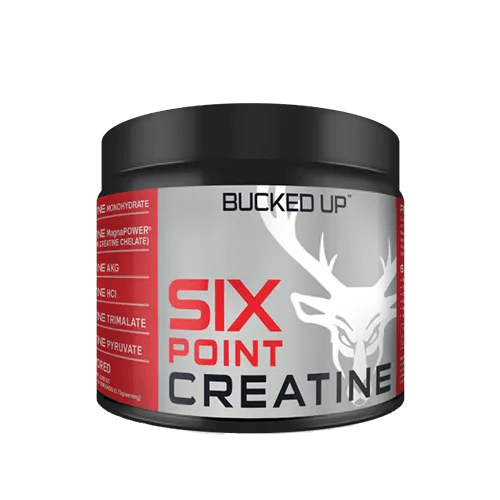
Many Bucked Up customers report better digestive comfort after moving away from traditional creatine powders. Six Point Creatine users mention “no bloating” and like that it “mixes well with anything,” which supports consistent daily use.
Creatine Gummies often receive feedback for easing stomach discomfort, with one user sharing that their “body doesn’t hurt the next day, no matter how hard I go.” This kind of response suggests a smoother recovery experience for some people.1
Creatine HCl capsule users frequently highlight the “easy to take” format and describe noticing “a difference with training” without the digestive issues they experienced before. These testimonials point toward reduced bloating and stomach upset while maintaining or improving performance outcomes.1
These real-world reports align with current science on how better solubility and alternative delivery methods can reduce gastrointestinal stress while preserving creatine’s muscle and cognitive benefits.1
Common Misconceptions and Quick Answers
How can I avoid stomach upset from creatine?
Focus on fully dissolving creatine in enough water, keeping single servings at 5 grams or less, skipping loading phases, and staying consistently hydrated. If discomfort continues, consider creatine HCl capsules or gummy formats that remove mixing issues and support more predictable intake.
Does creatine bloating eventually go away?
Creatine-related bloating often improves with better hydration and dosing changes. Many users find that splitting doses, drinking more water, and using fully dissolved forms ease digestive discomfort within a few days of adjusting their routine.
Is micronized creatine easier on the stomach?
Micronized creatine usually dissolves better than standard monohydrate, which can reduce stomach upset for some people. It still needs proper dissolution and solid hydration habits, though, to limit the osmotic effects that cause bloating and cramping.
Want more clarity and the right product fit? Explore the full Bucked Up creatine range and match your choice to your goals and tolerance.
Conclusion: Build a Bloat‑Conscious Creatine Routine
Micronized creatine stomach issues often improve with better preparation, dosing, and hydration. When those adjustments are not enough, Bucked Up HCl capsules, gummies, and candy offer alternatives that aim to deliver performance benefits with less digestive compromise.1
Start with the seven steps outlined above, then consider switching formats if your stomach still feels off. Start your bloat-free creatine routine with Bucked Up’s stomach-conscious options.
Frequently Asked Questions
What causes stomach issues with micronized creatine despite its smaller particle size?
Micronized creatine keeps the same osmotic properties as regular creatine monohydrate, so it still attracts water into the digestive tract when it does not fully dissolve or absorb. Smaller particles improve solubility compared with standard creatine, yet undissolved material can still move through the stomach and small intestine, irritate the lining, and draw extra water into the lower GI tract. This process can cause bloating, cramps, and diarrhea. Factors such as low hydration, mixing with very cold water, and high single doses can intensify these effects even with micronized forms.
How much water should I drink when taking micronized creatine to prevent stomach upset?
For better tolerance, drink 12–16 ounces of water with each 5-gram creatine serving and make sure the powder dissolves completely before you drink it. Your total daily water intake should follow the 35–40 ml per kilogram guideline mentioned earlier, plus the extra 1–1.5 liters suggested when using creatine. Using room temperature or slightly warm water instead of cold water further supports dissolution. This level of hydration helps balance creatine’s pull on body water and reduces osmotic stress in the digestive tract.
Are creatine HCl capsules really better for sensitive stomachs than micronized powder?
Creatine HCl shows much higher water solubility than creatine monohydrate, with estimates around 38 times greater, which likely lowers the chance of undissolved particles reaching the gut. The higher solubility supports smaller effective doses and removes the need for high loading phases that often bother the stomach.1 Capsules also avoid mixing problems that can leave clumps in a shaker. Anecdotal reports point to better tolerance for many sensitive users, although large, head-to-head clinical trials comparing side effects at equal effective doses remain limited.
Should I take creatine with food to reduce stomach issues?
Taking creatine with meals often helps by buffering stomach acid and slowing gastric emptying, which encourages more gradual absorption.1 Eating creatine with carbohydrate-containing foods or drinks may also support uptake into muscle tissue through insulin-related pathways. Even so, the most important habits remain proper dissolution in enough water and sensible dosing. If you still notice discomfort while taking creatine with food, focus on smaller servings, warm water mixing, and steady hydration throughout the day.
How long does it take for creatine stomach issues to resolve after adjusting my protocol?
Many people feel better within two or three days of splitting doses, drinking more water, and ensuring complete dissolution. When moving from a loading phase to a lower maintenance dose, stomach issues often settle within about a week as your body adapts. Switching to alternative forms such as HCl capsules or gummies can bring faster relief for some users because these formats avoid many dissolution and osmotic challenges. If problems continue beyond a week despite these changes, reduce your dose or speak with a healthcare professional to check for underlying digestive sensitivities.
1 The content provided in this article is for informational purposes only and is not medical advice. Consult with a medical professional before implementing any changes to your diet, health, or exercise routines.
Individual results will vary and are based on a combination of each individual’s diet, exercise, age, and health circumstances.
These statements have not been evaluated by the Food and Drug Administration. This product is not intended to diagnose, treat, cure or prevent any disease.
This article was written by Ryan Gardner, CEO of Bucked Up. As the maker of Bucked Up Creatine, we have a financial interest in this information. The views expressed are our own and should be read with that context in mind