Written by: Ryan Gardner, Owner, Managing Partner, CEO, Bucked Up | Last updated: April 22, 2026
Key Takeaways
- Non-stimulant pre-workouts support steady training energy through nitric oxide boosters like citrulline malate and fatigue buffers like beta-alanine, without caffeine jitters.1
- Research shows citrulline malate can increase bench press repetitions by 52% and improve endurance across different types of training.1
- Studies such as Stratton et al. (2022) report no performance differences between stim and non-stim pre-workouts, with both outperforming placebo.1
- Non-stim formulas work well for evening training, helping you avoid sleep disruption and caffeine dependency while still supporting performance.1
- Unlock research-backed gains with Bucked Up’s Non-Stimulant Pre-Workout featuring 6g citrulline malate, designed for jitter-free energy.1
How Non-Stim Pre-Workouts Fit into Today’s Training Landscape
Current search results reveal a significant gap between shallow commercial blogs and rigorous scientific literature on non-stimulant pre-workout efficacy. Many brand blogs highlight basic ingredient profiles but rarely connect them to recent meta-analyses, dosing protocols, or real-world training outcomes. Research on citrulline malate shows meaningful performance improvements, yet many commercial sources do not translate these findings into clear, practical guidance for lifters and athletes.1
The table below highlights three core non-stim ingredients that drive measurable performance changes, along with the effective dose ranges supported by current research.
| Ingredient | Key Effect | Study Evidence | Effective Dose |
|---|---|---|---|
| Citrulline Malate | Endurance enhancement | Improves repetitions to failure | 6-8g |
| Beta-Alanine | Fatigue buffering | Improves 1-4 minute performance | 3.2-6.4g |
| Taurine | Cellular hydration | Supports muscular endurance | 2-3g |
This evidence base sets the stage for understanding how non-stim pre-workouts can support energy and performance without relying on caffeine.1
Does Non-Stim Pre-Workout Give Energy?
Non-stimulant pre-workouts provide energy support through sustained physiological mechanisms rather than direct neurological stimulation.1 Stratton et al.’s 2022 study found no significant differences in performance outcomes between caffeinated and non-caffeinated multi-ingredient pre-workout supplements, and both versions outperformed placebo in resistance exercise protocols.1
The energy effects come from delayed fatigue onset and improved ATP regeneration during training.1 This ATP support occurs in part through nitric oxide precursors, which research links to better nutrient and oxygen delivery to working muscles. These mechanisms provide the raw materials for sustained energy production without the elevated heart rate and stress responses associated with stimulants.
Scientific Evidence on Key Non-Stim Ingredients
Citrulline Malate: L-citrulline research shows consistent performance benefits across multiple training modalities. Spanish researchers documented a 52% increase in bench press repetitions to failure at 80% 1RM after citrulline malate supplementation.1 Additional studies report that advanced lifters performed more repetitions in leg press, leg extension, and hack squat at 60% 1RM, and that women completed significantly more repetitions in bench press and leg press at 80% 1RM.
Beta-Alanine: Beta-alanine supplementation at 3.2-6.4 grams per day requires 2-4 weeks of daily use to elevate muscle carnosine levels and significantly improve performance in high-intensity exercise lasting 1-4 minutes.1 This effect occurs because higher carnosine levels help buffer lactic acid accumulation during intense sets and intervals.
Taurine: The SHIFTED Maximum Formula tested by Mangine et al. contained 3 grams of taurine alongside nitrate sources. This combination contributed to enhanced cellular hydration and muscular endurance in the tested protocol.1
To see how Bucked Up’s formulation lines up with research-backed ranges, compare its ingredient doses to the amounts commonly used in studies.
| Ingredient | Bucked Up Dose | Research Range | Evidence Source |
|---|---|---|---|
| Citrulline Malate | 6g | 6-8g | Product label |
| Beta-Alanine | 2g | 3.2-6.4g | Trexler et al. 2015 |
| Taurine | 100mg | 2-3g | Product label |
While individual ingredients show clear benefits at specific doses, the next question is whether non-stim formulas as a whole can match the performance of traditional caffeinated pre-workouts.
Non-Stim vs. Stim Pre-Workouts: Study Breakdowns
Head-to-head comparisons reveal nuanced performance differences between stimulant and non-stimulant formulas. Stratton et al.’s 2022 research found no significant differences in exercise performance, resting energy expenditure, cognitive function, or energy responses between caffeinated and non-caffeinated formulations. Both versions outperformed placebo in the tested resistance training protocols.
At the same time, Grgic et al.’s 2018 meta-analysis found that isolated caffeine supplementation improves muscle strength and power, with dose-dependent benefits on power output and reaction time. These findings suggest that caffeine can provide an extra edge in some contexts, while non-stim blends can still match overall performance when well formulated.
The key advantage of non-stimulant formulations lies in steady energy without crashes and better suitability for late-day training. Cameron et al.’s 2018 study on recreationally active females showed that multi-ingredient pre-workout supplements significantly increased bench press repetitions to failure and energy expenditure compared to placebo, regardless of whether the formula contained caffeine.
These results indicate that non-stim formulas can deliver measurable benefits, and the question of whether they are “worth it” depends on your training schedule, caffeine tolerance, and performance priorities.
Is Non-Stim Pre-Workout Worth It? Pros and Cons Analysis
Non-stim pre-workouts provide clear advantages for certain lifters, but they also come with trade-offs compared to caffeinated options. To evaluate their value, consider how they perform across the areas where they differ most from stim-based products.
| Aspect | Non-Stim Pros | Potential Limitations | Evidence |
|---|---|---|---|
| Energy duration | No crash, sustained performance | Subtler onset | Stratton et al. 2022 |
| Sleep impact | Evening training compatible | None identified | Caffeine-free benefits |
| Tolerance | No caffeine dependency | Individual response variation | Mangine et al. 2026 |
When you weigh these factors against your own goals and schedule, you can decide whether a non-stim formula fits your training routine.
Real-World Example: Inside Bucked Up Non-Stimulant Pre-Workout
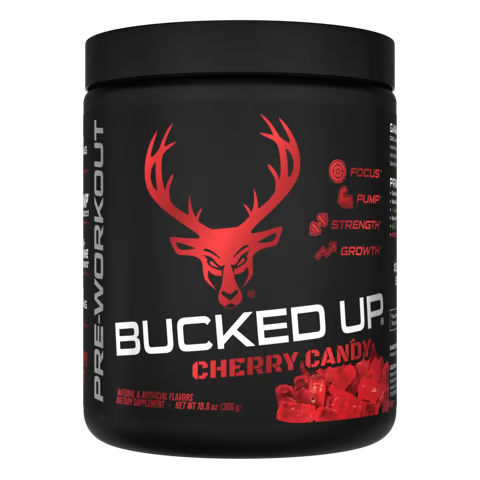
Bucked Up’s Non-Stimulant Pre-Workout illustrates how a non-stim formula can draw from current research. It starts with 6g citrulline malate, a dose that aligns with research-backed recommendations of 6-8 grams for endurance and higher repetition performance.1 The formula then adds 2g beta-alanine to support lactic acid buffering and 100mg taurine for cellular hydration support.1
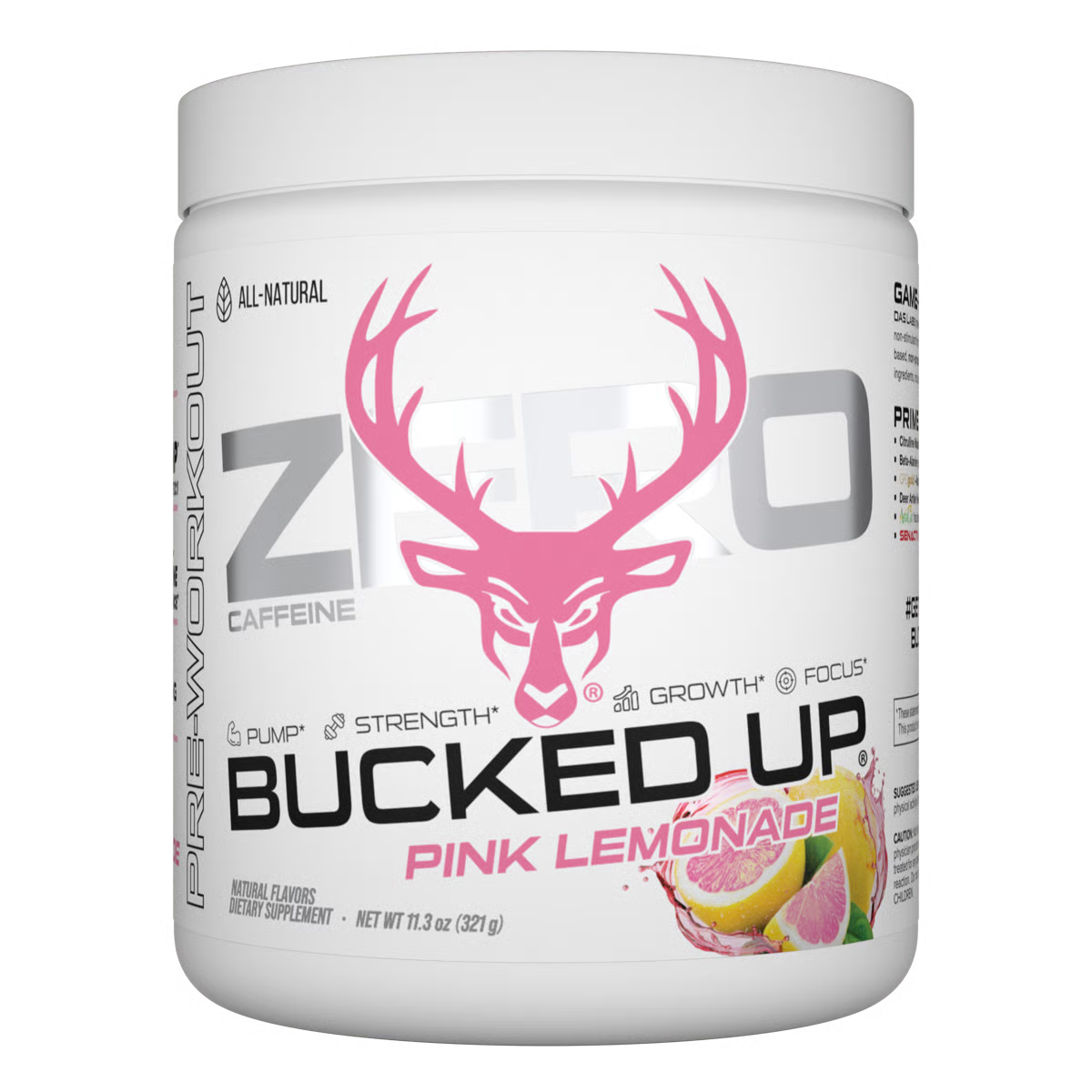
Beyond these core performance drivers, Bucked Up includes Senactiv for VO2 max support and Astragin to help enhance absorption of active ingredients.1 This structure gives users a clear, transparent look at how each component contributes to endurance, fatigue resistance, and workout quality.1
Users can weigh factors like sustained energy without jitters, evening training compatibility, and transparent dosing when evaluating this product. See the full ingredient breakdown and dosing details in Bucked Up’s Non-Stimulant Pre-Workout.
Conclusion: Using Non-Stim Formulas for Jitter-Free Performance Gains
Current research supports the idea that non-stimulant pre-workouts can deliver measurable energy and performance benefits through physiological pathways distinct from caffeine.1 Studies across resistance training, endurance work, and high-intensity functional training validate ingredients like citrulline malate, beta-alanine, and taurine for sustained performance support.1 Bucked Up’s Non-Stimulant Pre-Workout reflects this evidence base with a transparent formula aligned with commonly studied protocols.
Lifters who want steady energy, fewer jitters, and better sleep compatibility can consider a non-stim approach as a practical alternative to high-caffeine products. Start your next training session with research-informed, jitter-free energy by exploring Bucked Up’s Non-Stimulant Pre-Workout.
Frequently Asked Questions
What is the point of stimulant-free pre-workouts?
Stimulant-free pre-workouts support training energy without sleep disruption, caffeine dependency, or jitters.1 They rely on mechanisms such as delayed fatigue onset, improved ATP regeneration, and better blood flow rather than direct nervous system stimulation. This profile makes them a strong fit for evening training, caffeine-sensitive individuals, and lifters cycling off stimulants while still wanting to maintain workout intensity.
Does non-stim pre-workout actually provide energy?
Non-stimulant pre-workouts provide energy support through sustained physiological effects rather than a sharp caffeine spike. As the Stratton study showed, non-stim formulas can match caffeinated versions in performance outcomes. Research demonstrates that ingredients like citrulline malate can increase repetitions to failure by up to 52%, while beta-alanine helps buffer lactic acid for extended high-intensity performance.1 The perceived energy comes from delayed fatigue and improved cellular hydration instead of direct neurological stimulation.
Are non-stim pre-workouts effective for endurance athletes?
Non-stimulant pre-workouts can work well for endurance athletes who want steady output without caffeine crashes. Citrulline malate research shows improvements in time to exhaustion and cycling performance, while beta-alanine supports efforts lasting 1-4 minutes, such as hard intervals or hill repeats.1 This combination of sustained energy and reduced fatigue makes non-stim formulas a practical option for longer training sessions where consistent pacing matters.
Is non-stim pre-workout worth the investment?
Non-stimulant pre-workouts offer clear value for specific training situations and user profiles. They provide measurable performance support without common caffeine-related side effects,1 which can help evening trainers, caffeine-sensitive individuals, and lifters seeking steady energy without crashes. The key is choosing products with research-backed ingredients at transparent, effective doses, such as Bucked Up’s clearly labeled formulation.
How long does it take to feel effects from non-stim pre-workouts?
Most users begin to feel non-stimulant pre-workout effects within 30-60 minutes of consumption. Unlike caffeine, which acts quickly on the nervous system, non-stim ingredients work through physiological changes that build over the early part of your session. These mechanisms can feel more subtle at first but often provide steadier performance support throughout the workout without a sharp post-training crash.1
1 The content provided in this article is for informational purposes only and is not medical advice. Consult with a medical professional before implementing any changes to your diet, health, or exercise routines.
Individual results will vary and are based on a combination of each individual’s diet, exercise, age, and health circumstances.
These statements have not been evaluated by the Food and Drug Administration. This product is not intended to diagnose, treat, cure or prevent any disease.
This article was written by Ryan Gardner, CEO of Bucked Up. As the maker of Bucked Up pre-workout, we have a financial interest in this information. The views expressed are our own and should be read with that context in mind.