Written by: Ryan Gardner, Owner, Managing Partner, CEO, Bucked Up | Last updated: April 17, 2026
Key Takeaways
- Creatine monohydrate has the strongest research support, with over 1,000 studies showing reliable gains in muscle size and strength.1
- Forms like HCl mix more easily and may feel lighter on the stomach, yet research does not show better muscle loading or performance.1
- Creatine ethyl ester underperforms because it breaks down into creatinine too quickly, while blends show mixed results and limited data.1
- All creatine forms work best with steady daily dosing and solid hydration, around 80-100 ounces of water per day.1
- Choose Bucked Up’s certified creatine products such as Pure Creatine or HCl capsules to align research-backed support with your comfort and performance goals.1
How This Guide Compares Creatine Forms
This analysis compares creatine monohydrate with HCl, ethyl ester, malate, gluconate, anhydrous, and blends across key performance metrics. Research quality varies sharply between forms. Monohydrate has been tested in over 1,000 peer-reviewed studies, while creatine HCl has fewer than 20 human studies.
Evaluation focuses on muscle size and strength gains, absorption, dosing needs, side effects such as bloating, cost per effective dose, and product certifications.1 A 2023 meta-analysis found no evidence of superior muscle loading or performance outcomes for HCl versus monohydrate.1 At the same time, ethyl ester performed significantly worse than monohydrate in resistance-trained men.1
Head-to-Head Creatine Comparison Table
| Creatine Form | Strength Gains | Research Volume | Cost per 5g Equivalent | Bucked Up Example |
|---|---|---|---|---|
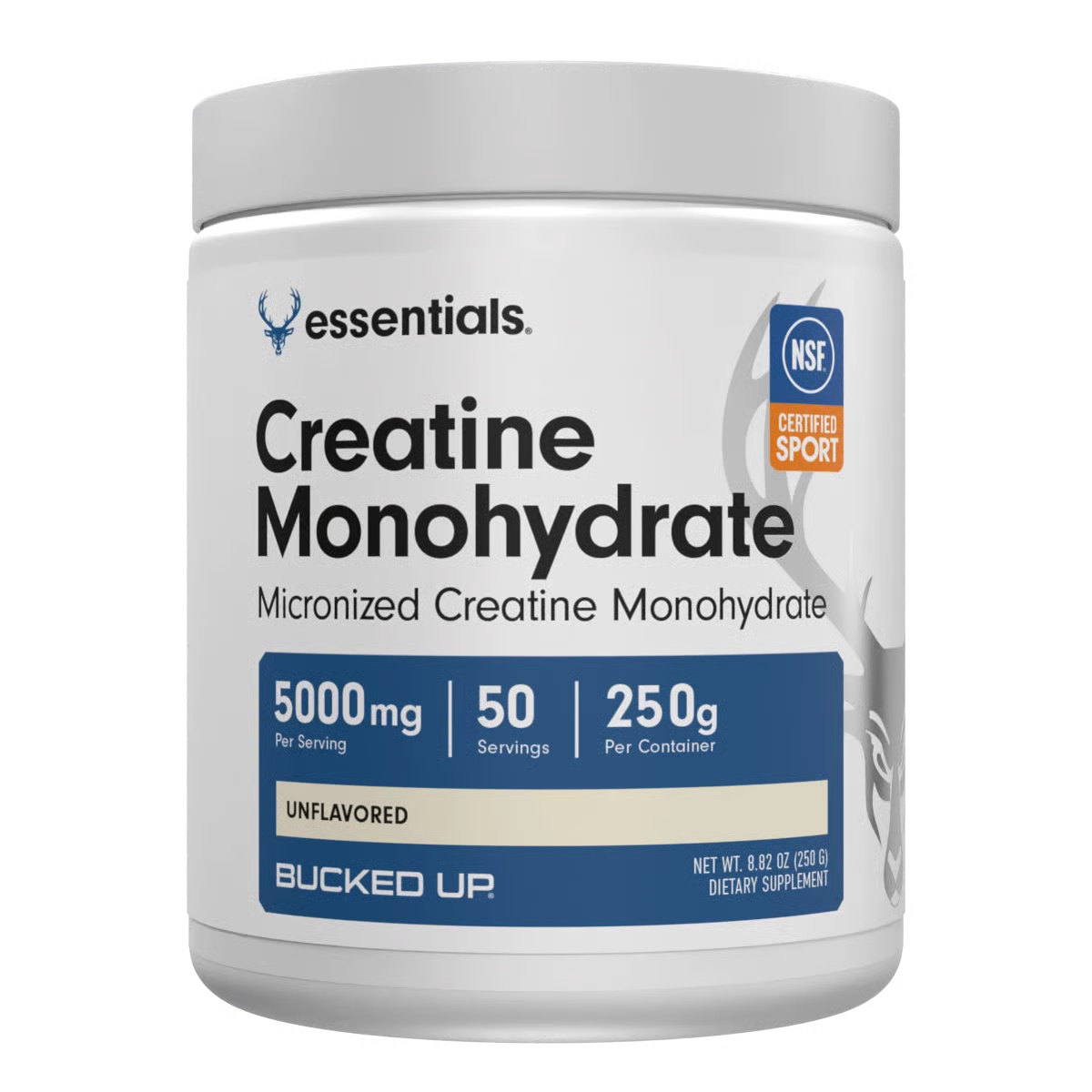
| Monohydrate | High | 1,000+ studies | $0.10 | Pure Creatine (5g micronized) |
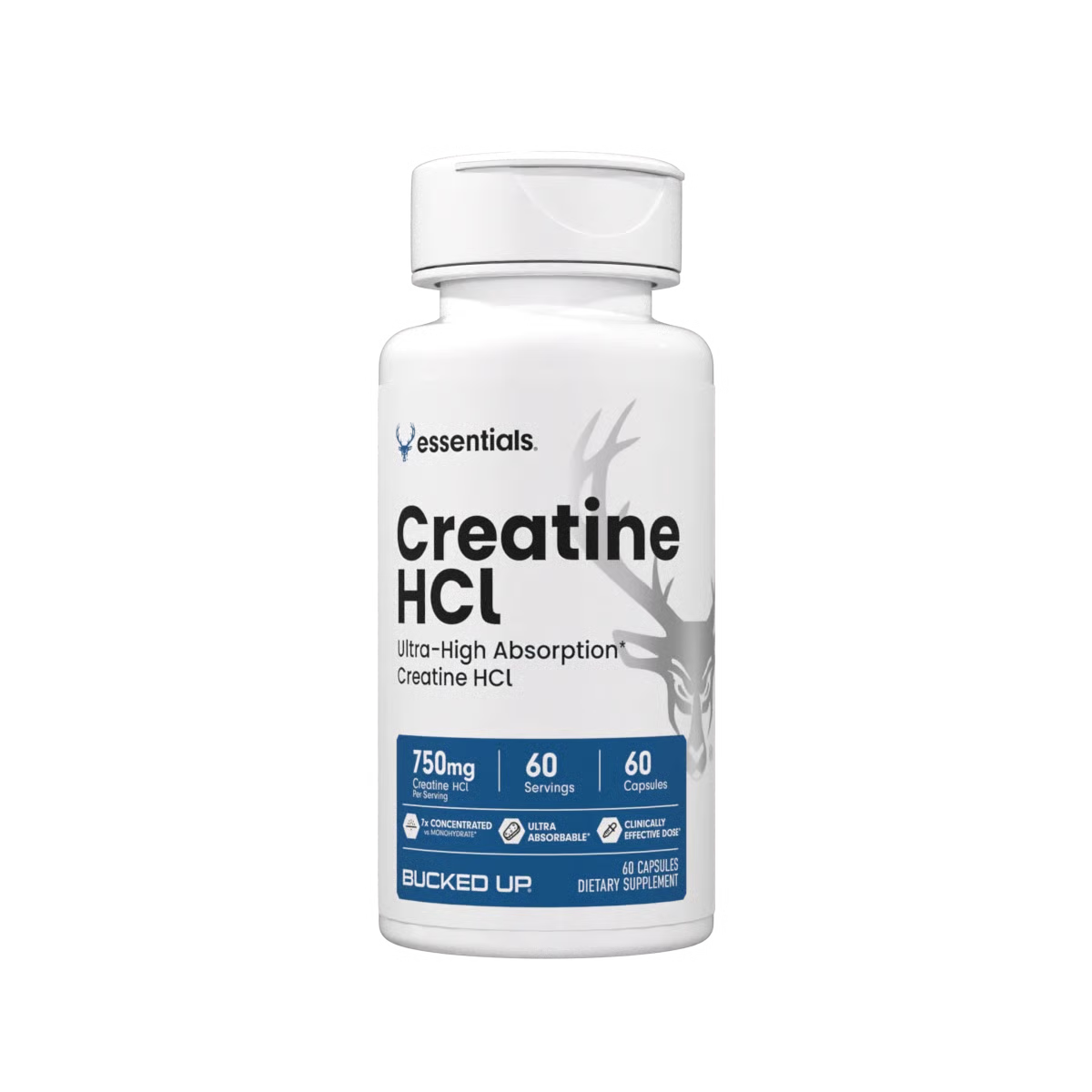
| HCl | Comparable to monohydrate | Fewer than 20 studies | $0.45-0.75 | Creatine HCl (750mg capsules) |
| Ethyl Ester | Inferior to monohydrate | Limited studies | $0.20-0.70 | Not offered |
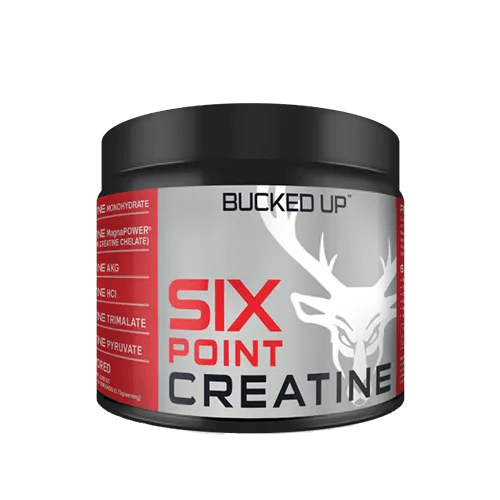
| Blends | Variable by composition | Limited research | Variable pricing | Six Point Creatine (2.5g monohydrate + 5 forms) |
The data highlights monohydrate’s strong research base and cost advantage. Cost per effective dose makes creatine monohydrate roughly 5 to 10 times more economical than forms like HCl. Bucked Up’s Pure Creatine delivers 99.8% pure micronized monohydrate, while the HCl capsules offer a convenient option for people with more sensitive stomachs.
Creatine Monohydrate: Reliable Support for Muscle Size and Strength
Creatine monohydrate supports increases in high-intensity exercise capacity and muscle mass during training.1 Meta-analyses of randomized controlled trials show greater muscle strength gains with creatine compared to placebo.1 The research also demonstrates 5-15% increases in maximum power and performance during high-intensity anaerobic work.1
Bucked Up’s Pure Creatine Monohydrate provides 5 grams of 99.8% pure, micronized creatine per serving. The micronization process reduces particle size, which improves mixability and can ease gastrointestinal discomfort for some users.1 This feature helps address bloating concerns that often push people toward more expensive alternatives. Beyond comfort, NSF certification supports purity and safety for competitive athletes who face strict testing. The product comes in flavors such as Blue Raspberry, Grape Apple, and Fruit Punch.
How Other Creatine Forms Stack Up Against Monohydrate
Alternative creatine forms often match monohydrate at best, despite strong marketing claims. Creatine HCl shows 38-fold greater water solubility but does not deliver better muscle loading or performance than monohydrate.1 A 2024 direct comparison found both forms significantly improved strength and muscle growth versus placebo, with no meaningful difference between them.1
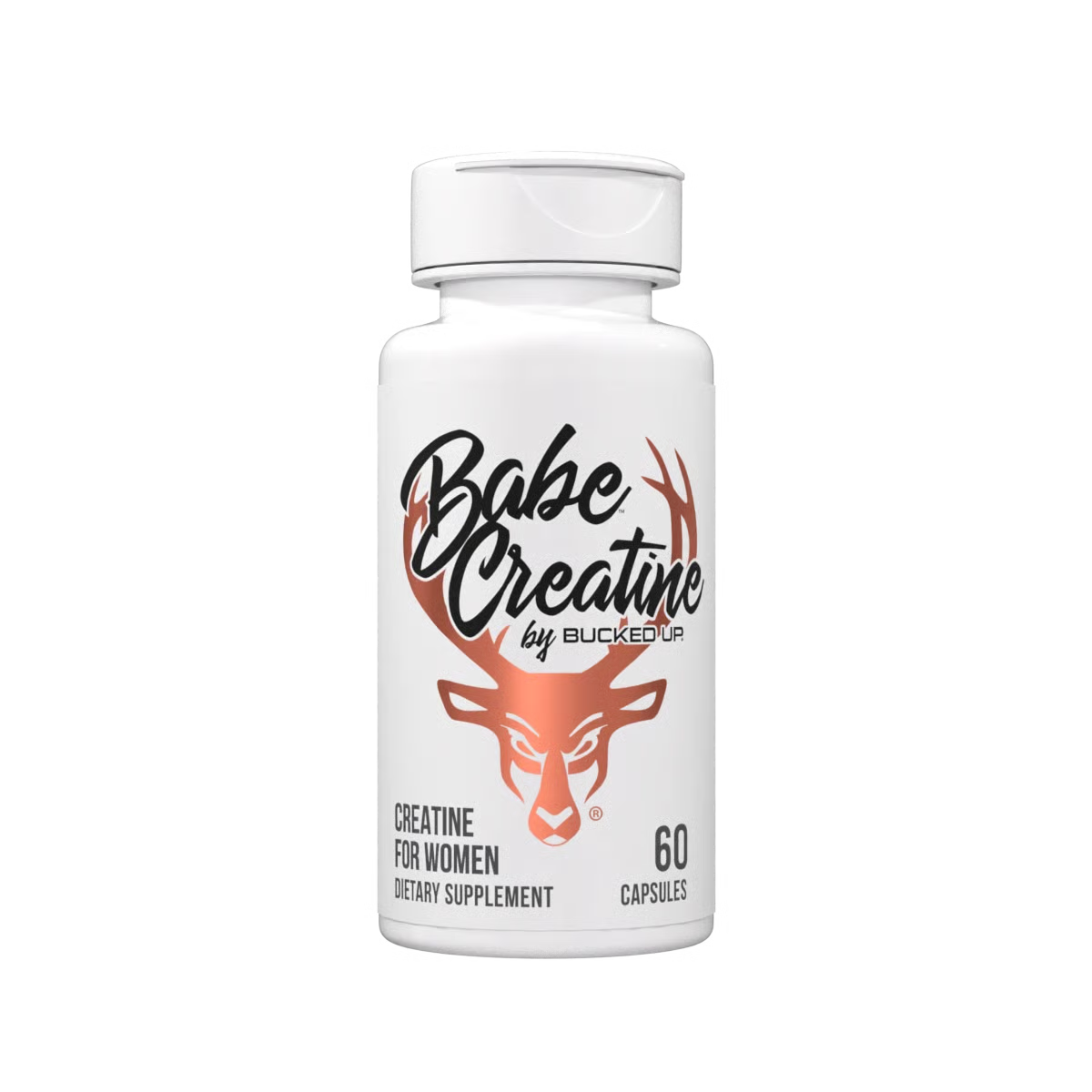
Bucked Up’s Creatine HCl capsules contain 750mg of CON-CRĒT® per capsule, with most users taking 1 to 2 capsules daily. Users report “no bloating as long as I keep up with proper water intake” and “strength gains in just a couple weeks.”1 The Babe Creatine line focuses on women who want lean muscle development without noticeable water retention.1
While HCl performs similarly to monohydrate, creatine ethyl ester sits at the other end of the spectrum. Creatine ethyl ester degrades rapidly into creatinine before reaching muscles, which leads to significantly worse results than monohydrate. Tri-creatine malate and several other forms currently lack strong human research. Bucked Up’s Six Point Creatine combines 2.5g monohydrate with five additional forms, and users report “10lbs gain” and improved training capacity.1 Explore Six Point Creatine and other innovative formulations.
Creatine Concerns Explained: Bloating, Women, and Daily Dosing
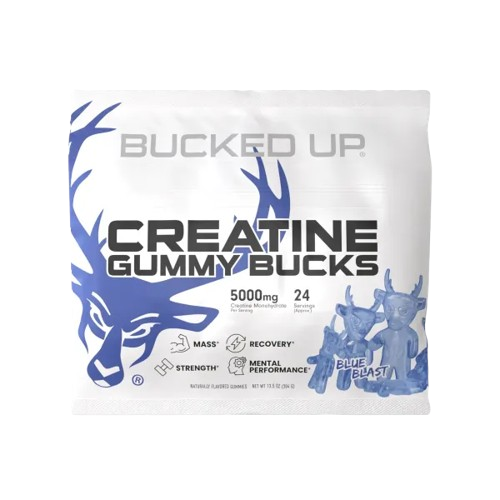
Bloating concerns push many people toward alternative forms, yet creatine monohydrate at maintenance doses of 3-5 grams daily does not typically cause excess water retention or bloating.1 Micronized monohydrate, HCl capsules, and newer options like Bucked Up’s Creatine Gummies give users several bloat-conscious choices.
Women respond to creatine in similar ways to men and can see comparable benefits.1 Bucked Up’s Babe Creatine focuses on female athletes with precise HCl dosing that supports lean muscle development while aiming to avoid a puffy look. Users describe “great energy boost and easy to take” along with “strength gains in just a couple weeks.”1
Proper hydration remains crucial regardless of creatine form, and it supports more than just comfort. Creatine’s performance benefits stem from enhanced ATP regeneration1,1 the same mechanism behind the power increases mentioned earlier. This process depends on the adequate cellular hydration. Daily dosing, paired with about 80-100 ounces of water, helps maintain muscle saturation more effectively than short loading phases that can overwhelm uptake.1
Matching Bucked Up Creatine Products to Your Goals
The research on creatine forms points to monohydrate as the most established option, with HCl offering a comfort-focused alternative. Bucked Up’s lineup builds on these findings so you can match a product to your specific goals and preferences. Pure Creatine Monohydrate fits users who want maximum research-backed support and strong value per serving. HCl capsules suit people who experience bloating with powders, even when they stay hydrated.
Creatine Gummies and Creatine Candy work well for users who dislike powders or need something portable for travel and busy days. Six Point Creatine appeals to advanced users who want a blend that includes 2.5g monohydrate plus five additional forms for broad creatine coverage. All products carry NSF, GMP, and NSF Sport certifications, which support purity and safety for competitive athletes. Customer testimonials often mention improved strength, better recovery, and easier consistency.1 Browse Bucked Up’s complete creatine lineup to find the product that fits your routine.
Frequently Asked Questions
Which creatine form is most effective for muscle growth?
Creatine monohydrate remains the most studied and consistently effective form for muscle growth, with over 1,000 studies showing strength and size gains.1 Alternative forms such as HCl can offer convenience or comfort benefits, yet current research does not show better muscle-building results than properly dosed monohydrate.
Does creatine HCl work better than monohydrate at lower doses?
Current evidence does not support equivalent muscle saturation from lower HCl doses compared with standard 3-5 gram monohydrate servings.1 Both forms still require similar amounts of elemental creatine to fully saturate muscles, although HCl may feel easier on digestion for some users.
Should I take creatine on rest days?
Daily creatine intake supports steady muscle saturation, even on rest days.1 Consistent supplementation keeps phosphocreatine levels high so your muscles stay ready for your next training session.1
Is creatine safe for women?
Creatine supplementation appears safe and effective for women and can support lean muscle, strength, and cognitive function.1 Products like Babe Creatine focus on women who want bloat-conscious supplementation while still aiming for full performance benefits.
How much water should I drink with creatine?
A daily intake of about 80-100 ounces of water pairs well with creatine use, regardless of form. Solid hydration supports cellular uptake, may reduce digestive discomfort, and helps creatine deliver its performance benefits during training.1
Conclusion: Choosing the Right Creatine for Your Routine
Creatine monohydrate’s extensive research base and proven effectiveness make it a strong choice for building muscle size and strength.1 Alternative forms can offer specific advantages, such as reduced bloating or more convenient dosing, yet current data does not show better performance outcomes than monohydrate.1 Bucked Up’s product range, from micronized Pure Creatine to convenient HCl capsules and gummy formats, provides research-aligned options with NSF certification and defined quality standards. Select the form that fits your lifestyle and preferences, knowing Bucked Up focuses on purity and potency to support your training results.1
1 The content provided in this article is for informational purposes only and is not medical advice. Consult with a medical professional before implementing any changes to your diet, health, or exercise routines.
Individual results will vary and are based on a combination of each individual’s diet, exercise, age, and health circumstances.
These statements have not been evaluated by the Food and Drug Administration. This product is not intended to diagnose, treat, cure or prevent any disease.
This article was written by Ryan Gardner, CEO of Bucked Up. As the maker of Bucked Up Creatine, we have a financial interest in this information. The views expressed are our own and should be read with that context in mind