Written by: Ryan Gardner, Owner, Managing Partner, CEO, Bucked Up | Last updated: April 22, 2026
Key Takeaways for Pump-Focused Rest Periods
- Rest 30-90 seconds between most sets to create metabolic stress through lactate buildup and incomplete ATP recovery.
- Use 2-3 minutes rest for compound lifts like squats and bench press, and 45-90 seconds for isolation moves like curls.
- Short rests support muscle cell swelling and sarcoplasmic hypertrophy, especially during high-rep pump work in the 12-20 rep range.
- Bucked Up pre-workout with 6g L-citrulline malate, beta-alanine, and caffeine supports stronger pumps during short rest protocols.
- Pair these rest strategies with Bucked Up pre-workout to support pump-focused rest intervals and overall workout performance.
Why 30-90 Second Rests Drive a Bigger Pump
The core of pump-focused training is incomplete recovery between sets. Short rests of about 60 seconds allow only 85–90% recovery of ATP and creatine-phosphate stores, so your energy systems never fully reset. This controlled fatigue creates the metabolic environment that supports greater muscle fullness.
Rest periods in the 30-90 second range keep recovery incomplete and increase metabolic byproducts. This approach works especially well for moderate-to-high rep sets that target sarcoplasmic hypertrophy. The resulting metabolic stress drives muscle cell swelling and the pump sensation many lifters chase.
These mechanisms explain why short rest intervals deliver specific training benefits. The key advantages of 30-90 second rest periods include:
- Higher lactate accumulation that increases metabolic stress
- Greater muscle cell swelling and visible fullness
- Improved fatigue tolerance over time
- More time-efficient training sessions
Shorter rests also involve trade-offs. They usually reduce reps and total training volume compared to longer rests. That makes them less ideal for pure strength phases but very effective during pump-focused blocks.
Bucked Up’s formula supports these effects with its 6,000mg of citrulline malate 2:1, 2,000mg of beta-alanine, and 200mg of alpha-GPC per serving. The L-citrulline malate component supports nitric oxide production, while beta-alanine helps buffer the lactate that builds up during short rest protocols.
Dialing Rest by Exercise: Compounds and Isolations
Rest timing should match the demands of each exercise. Compound lifts like squats and deadlifts respond well to 2-3 minutes rest, which supports ATP replenishment and high mechanical tension. In contrast, isolation exercises such as curls, leg extensions, or tricep pushdowns usually need only 60-90 seconds, because smaller muscle groups recover faster.
A hybrid structure lets you build strength and still chase a big pump. For compound moves like bench press or squats, use 2-3 minutes rest to keep performance and total volume high. For isolation work such as bicep curls, lateral raises, or leg extensions, use 45-90 seconds rest to create the metabolic stress that supports fuller muscles.
| Exercise Type | Recommended Rest | Why It Supports Pump | Bucked Up Synergy |
|---|---|---|---|
| Compound Lifts (Bench, Squat) | 2-3 minutes | Maintains volume load while still allowing some metabolic stress in later sets | 200mg caffeine supports energy across longer sessions |
| Isolation Exercises (Curls, Extensions) | 60-90 seconds | Encourages lactate buildup and muscle cell swelling | Beta-alanine helps manage acid buildup during short rests |
| High-Rep Pump Work (12-20 reps) | 30-90 seconds | Maximizes metabolic stress and sarcoplasmic expansion | Citrulline malate supports sustained nitric oxide production |
| Heavy Strength Work (1-5 reps) | Up to 5 minutes | Allows near-complete ATP regeneration before later pump work | Alpha-GPC supports focus during longer rest periods |
PT Andy Vincent notes that phosphocreatine resynthesis reaches about 70% in 30-60 seconds, 90% after 90 seconds to two minutes, and full restoration in three to five minutes. This timeline shows why 60-90 seconds often hits the sweet spot between incomplete recovery and solid performance during pump-focused training.
Supplement Strategies That Support Short-Rest Pumps
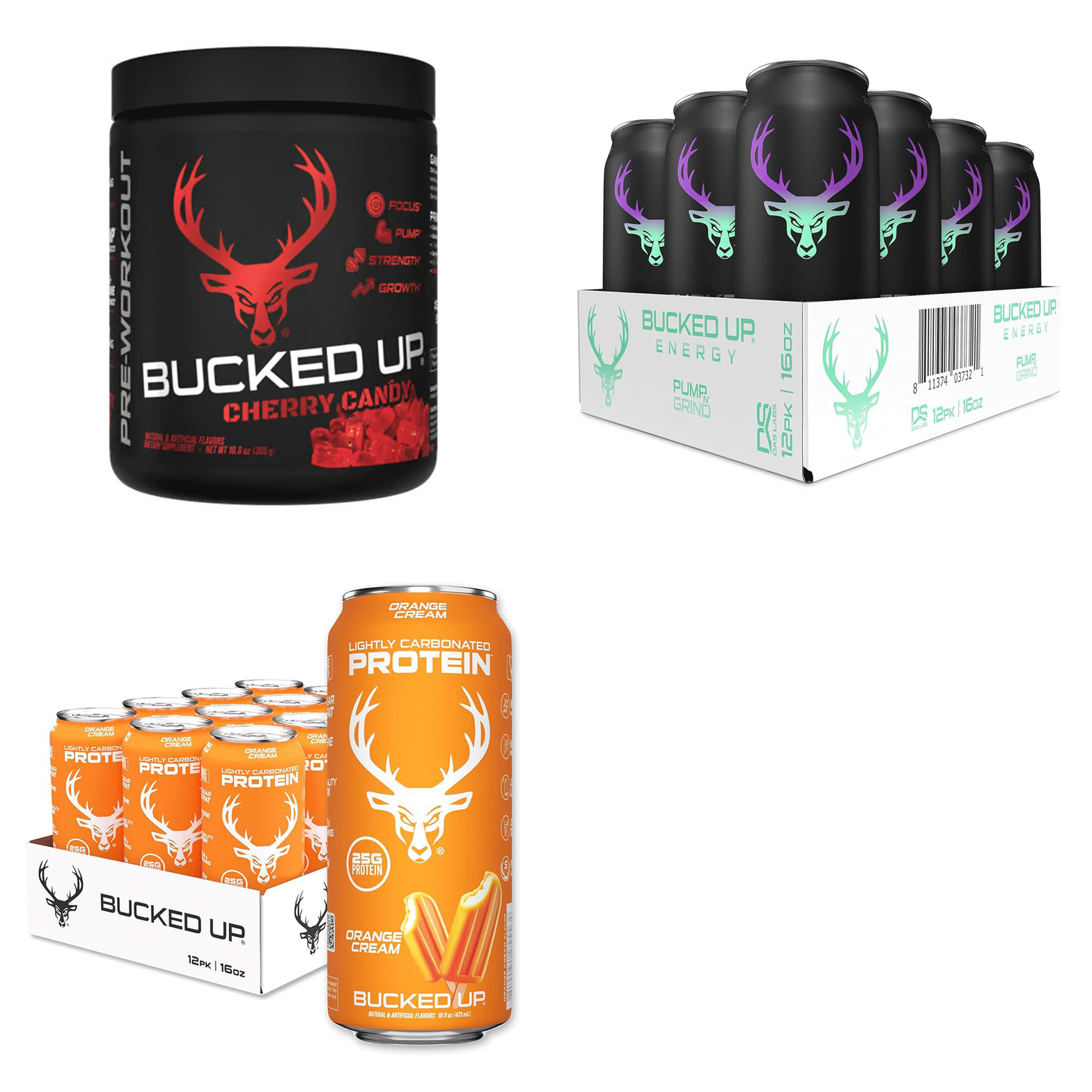
Smart supplementation can make short-rest training feel more productive and sustainable. Bucked Up offers three pre-workout options that pair well with aggressive rest intervals.
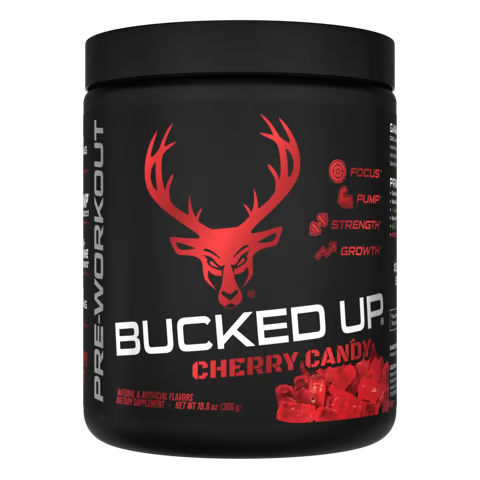
Bucked Up Pre-Workout works as a straightforward starting point with 200mg caffeine and 6g L-citrulline malate. Spanish researchers reported a 52% increase in bench press reps to failure at 80% 1RM after citrulline malate supplementation. That result highlights how this ingredient can help sustain performance when rest periods stay short.
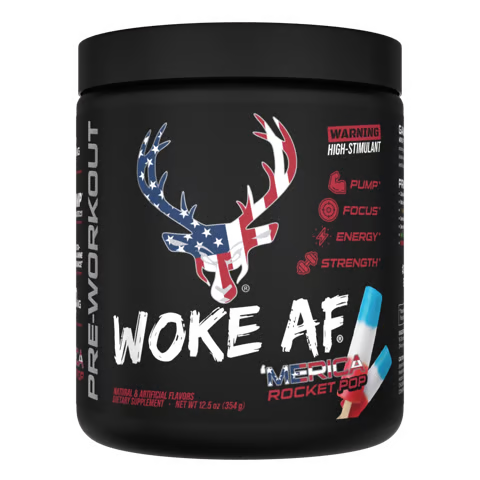
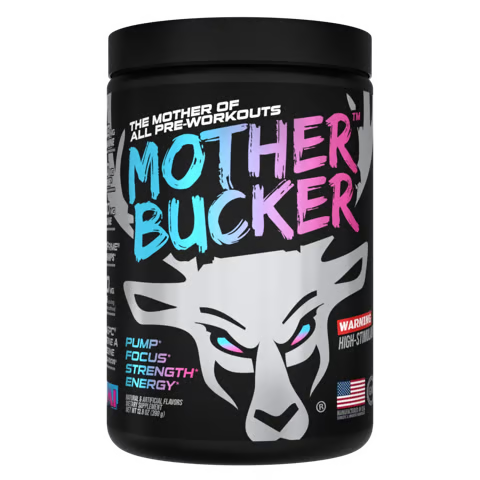
Woke AF provides 333mg caffeine for lifters with higher stimulant tolerance who still want to keep rest times tight. Mother Bucker focuses on pump support with 400mg total caffeine, 4g L-citrulline, and Nitrosigine for additional nitric oxide support. Its mix of immediate-release and microencapsulated delay-release caffeine helps maintain energy across longer pump-focused sessions that use short rests.
All Bucked Up products are manufactured in USA GMP-certified facilities, which supports consistent quality and potency. Tester Anthony O’Reilly shared his experience: “The pumps are average… When it comes to energy and focus, man, I feel like Bradley Cooper in Limitless. I can’t take this if I have plans after the gym because I’ll just be in the weight room all day long.”
Get Bucked Up Mother Bucker to supercharge short-rest pumps. Try Mother Bucker for maximum pump support.
Using 1-Minute Rests for Hypertrophy
One-minute rest intervals can work well for hypertrophy when you apply them in the right context. High-rep training in the 12-20+ range drives sarcoplasmic hypertrophy through metabolic stress. Longer sets flood muscle cells with metabolic byproducts and expand storage for glycogen, water, and enzymatic proteins, which supports fuller-looking muscles.
Quentin Vangénéberg recommends using intentionally short rests of 45-90 seconds for no more than about 25% of yearly training volume. This approach creates metabolic stress, including lactate buildup and cell swelling, which adds to hypertrophy alongside mechanical tension from total volume.
Common mistakes with short rest protocols include running them for too many consecutive phases, ignoring the need to adjust volume, and neglecting hydration. Short rests increase metabolic byproducts and perceived effort, so fluid loss can add up quickly. For late-day training sessions where you want pump support without extra stimulants that might affect sleep, Bucked Up’s Non-Stimulant Pre-Workout can help you keep intensity high while still protecting recovery.

Sample Workout to Maximize Pump with Rest Timing
This simple session shows how to use optimal rest time between sets to maximize pump lifting in a single workout.
Compound Phase: Barbell Bench Press 4×6-8, 2-3 minutes rest
Isolation Phase: Dumbbell Flyes 3×12-15, 60 seconds rest
Pump Finisher: Cable Crossovers 2×15-20, 45 seconds rest
To sync your supplement timing with these rest intervals, take Bucked Up 20-30 minutes before training. This window supports peak availability of key ingredients during your pump-focused sets, especially citrulline malate and beta-alanine, which help during the shorter rest periods in your isolation and finisher work.
Conclusion: Pair Smart Rest with Targeted Support
The optimal rest time between sets to maximize pump lifting usually falls around 30-90 seconds for isolation and pump-focused work, with 2-3 minutes for compound movements. This split builds on the metabolic stress mechanisms discussed earlier while still respecting performance needs on heavy lifts. When you combine these rest strategies with Bucked Up’s pre-workout formulas, you can turn flat sessions into focused, pump-driven workouts that support long-term progress. Shop Bucked Up now to amplify your pump-focused training.
Frequently Asked Questions
How long should I rest between sets for hypertrophy?
For hypertrophy-focused training, rest 30-90 seconds between isolation exercises and 2-3 minutes between compound movements. This pattern balances metabolic stress with the need to maintain training volume. Shorter rests work especially well for high-rep pump work that targets sarcoplasmic hypertrophy, while longer rests help preserve strength on compound lifts that drive myofibrillar growth.
What is an effective rest time for pump during lifting?
Rest periods of 45-90 seconds between sets often work well for maximizing pump. This range limits full ATP recovery, which keeps metabolic stress and lactate accumulation high enough to support muscle cell swelling and a stronger pump sensation. Pairing these rest intervals with nitric-oxide-supporting supplements like Bucked Up’s citrulline malate formula can further enhance pump effects.
Is 1-2 minutes rest between sets effective?
Yes, 1-2 minutes rest can be very effective for pump-focused training and metabolic stress. This window usually allows about 85-90% ATP recovery, which strikes a balance between performance and incomplete recovery. It works well for isolation exercises, moderate-load compound movements, and training phases where muscle fullness matters more than absolute strength.
Should I use different rest times for different muscle groups?
Using different rest times by muscle group and exercise type is a practical approach. Larger muscle groups in compound movements often need 2-3 minutes due to higher energy demands and nervous system fatigue. Smaller muscle groups trained with isolation exercises usually recover faster and can benefit from shorter rests of 60-90 seconds that increase metabolic stress and pump.
How do pre-workouts affect optimal rest timing?
Quality pre-workouts like Bucked Up can make shorter rest periods feel more manageable. Caffeine supports sustained energy, beta-alanine helps buffer lactate, and citrulline malate supports nitric oxide production. Together, these ingredients help you maintain performance and focus during demanding short-rest protocols while supporting strong pumps throughout the session.