
Written by: Ryan Gardner, Owner, Managing Partner, CEO, Bucked Up | Last updated: April 17, 2026
Key Takeaways
- US health authorities like FDA (GRAS status) and ISSN support 3-5g daily creatine monohydrate as safe for healthy adults, athletes, and seniors.1
- Extensive research and meta-analyses show no kidney damage or serious side effects in healthy individuals when creatine is used as directed.1
- Creatine can increase strength, support muscle recovery, enhance cognitive function, and help counter age-related muscle loss across age groups.1
- Recommended dosages: 3-5g daily maintenance for most people, optional 20g loading phase, and 80-100oz of water per day.1
- Ready to boost performance and recovery with creatine that meets strict quality standards? Get Bucked Up’s certified creatine products for purity, convenience, and consistent results.1
The Problem: Creatine Safety Confusion Holds You Back
Creatine confusion keeps many people from using a supplement with strong research behind it. You may miss out on proven benefits for strength, recovery, and cognitive performance because myths about kidney damage and unclear dosing guidelines create hesitation. Popular search queries like “creatine side effects kidneys” and “why doctors say no” show how widespread this uncertainty has become. Outdated case reports, misinterpreted research, and a lack of unified guidance that pulls together evidence from multiple health authorities all contribute to the problem.
Clear Guidance: US Health Authority Consensus on Creatine Monohydrate Safety
US health authorities now provide clear direction on creatine monohydrate safety. The FDA recognizes creatine monohydrate as Generally Recognized as Safe (GRAS) for use as a food ingredient, including in dietary supplements.1 The International Society of Sports Nutrition recommends 3-5 grams daily for maintenance. Kabiri Naeini et al.’s systematic review of 21 studies found no evidence of kidney dysfunction from creatine supplementation. The following table shows how major authorities align on creatine safety and dosing, giving you a quick snapshot of this consensus.
| Authority | Key Guideline | Source |
|---|---|---|
| FDA | GRAS Status | Federal Register |
| ISSN | 3-5g maintenance dose | Position Stand 2021 |
Creatine Monohydrate Basics: What It Is and How It Works
Creatine monohydrate is a naturally occurring compound that supports ATP regeneration, the primary energy currency for muscle and brain cells. By increasing the availability of ATP, creatine allows faster energy delivery during high-intensity efforts.1 This effect helps athletes increase power output, helps seniors preserve muscle mass, and supports cognitive function across age groups.1 Research demonstrates these benefits across diverse populations1, making creatine a well-studied and versatile performance supplement.
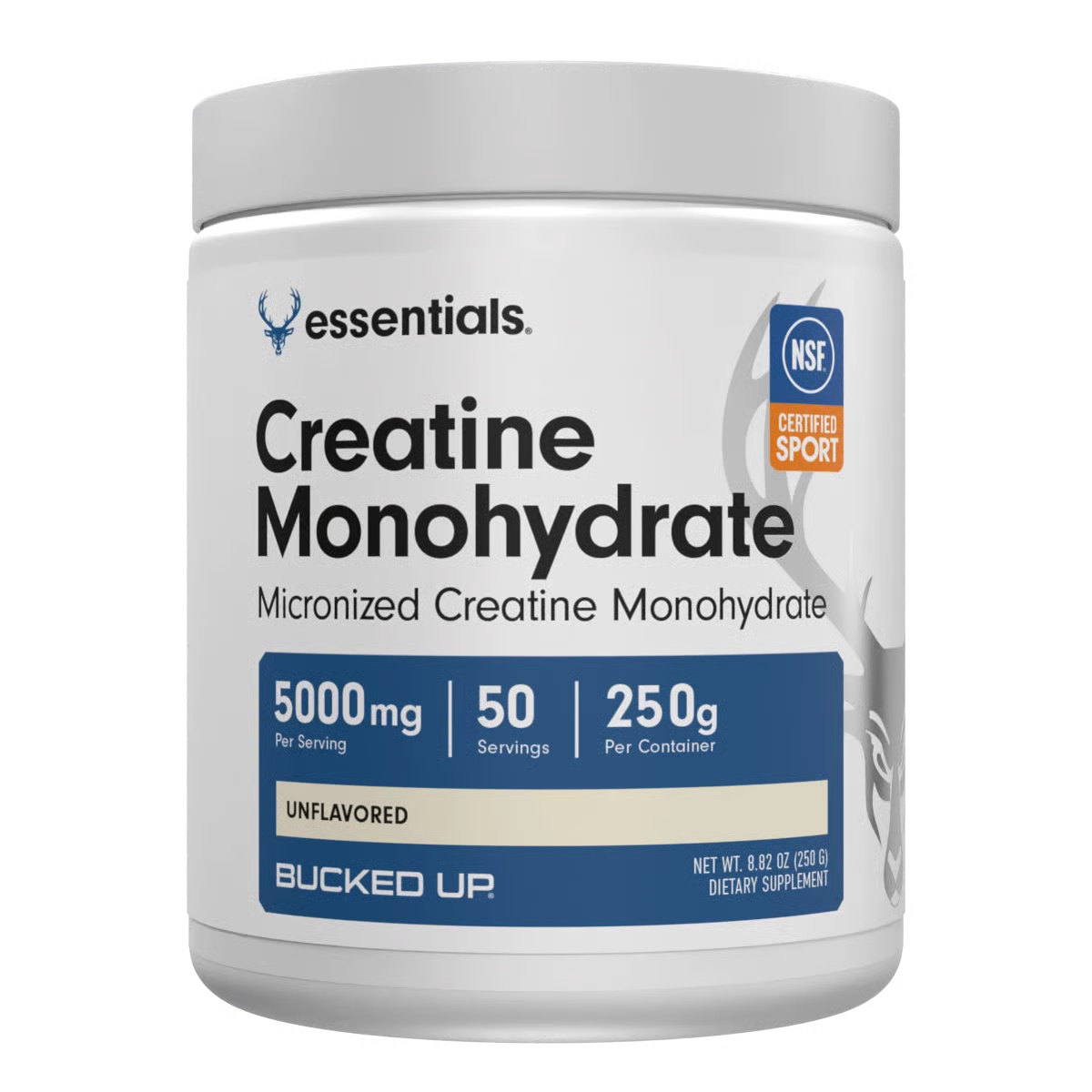
Find creatine products that deliver these research-backed benefits
Daily Creatine Guidance: Safe Dosages by Authority and User Type
Health authorities outline straightforward creatine dosage ranges based on user type and goals. Research supports 3-5 grams daily for most healthy adults as a maintenance dose.1 For people wondering whether 10g of creatine a day is safe, short-term higher intakes appear well-tolerated in studies, although most users do not need that much.1
- Healthy Adults: 3-5g daily (ISSN recommendations)
- Loading Phase: Optional 20g per day for 5-7 days, then maintenance
- Seniors: 3-5g daily with consistent hydration
- Athletes: 5-10g split into smaller servings throughout the day for intensive training blocks
The table below brings these recommendations together so you can quickly match your situation and training level to an appropriate daily dose.
| User Type | Daily Dose | Notes | Authority |
|---|---|---|---|
| Healthy Adults | 3-5g | Maintenance dose | ISSN |
| Seniors (65+) | 3-5g | Monitor hydration | ISSN |
| Athletes | 5-10g | Split doses | ISSN |
| Loading Phase | 20g | 5-7 days only | Multiple studies |
Myth Check: Kidneys, Side Effects, and Creatine Safety
Longobardi et al.’s 2025 Frontiers in Nutrition review confirms no kidney damage in healthy individuals from creatine supplementation.1 A modest rise in serum creatinine usually reflects normal metabolic turnover, not kidney dysfunction. Gastrointestinal issues occur infrequently and often improve with micronized forms and steady hydration of 80-100 ounces daily.1 Current evidence shows low risk of harm to kidney or liver function in healthy users.1 People with pre-existing conditions should talk with their healthcare provider before starting creatine.
Long-Term Safety: Seniors, Women, and Other Special Populations
Evidence supports the safety of standard maintenance doses across a wide range of populations. For seniors, creatine can support muscle preservation and may help counter age-related sarcopenia.1 UCLA’s Yasi Ansari notes early research suggests benefits for women, especially post-menopause, when estrogen decline affects muscle and bone health. While the core dosing ranges remain similar, special populations benefit from choosing appropriate forms and maintaining consistent daily intake.
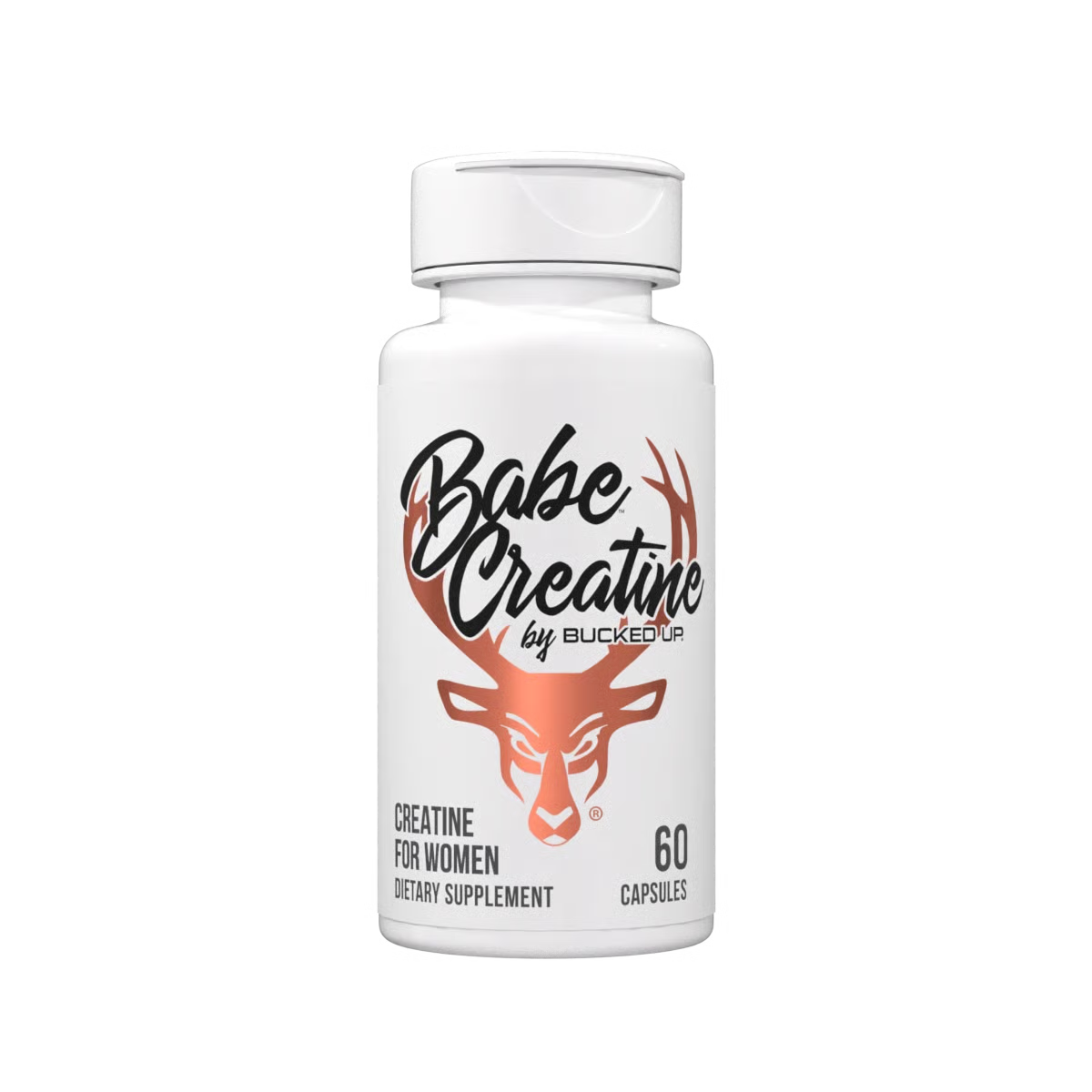
Explore creatine options designed for your specific needs
Product Choice That Fits the Science: Bucked Up Creatine
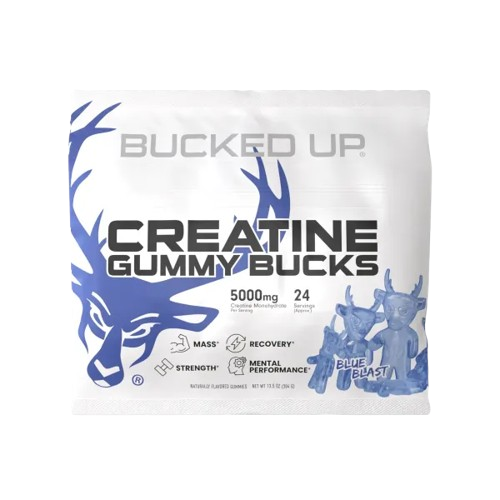
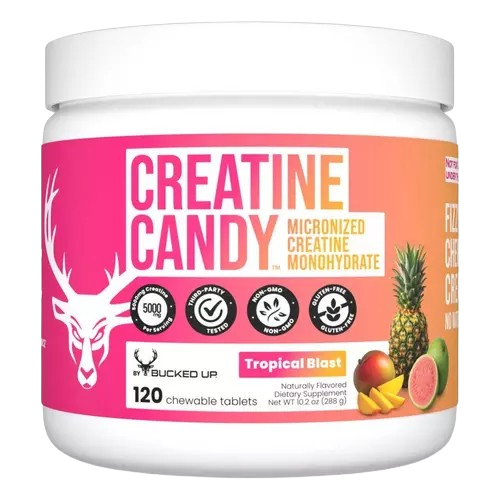
Bucked Up offers NSF, GMP, and NSF Sport certified products that contain 99.8% pure micronized creatine monohydrate. The lineup includes traditional powders, convenient gummies, candy-style formats, and creatine HCl options that can reduce bloating concerns for some users. These formats give you flexibility in how you take creatine while still aligning with research-backed dosing.
- Third-party purity certifications that support quality and safety
- Multiple delivery formats that address mixing hassles and taste preferences
- Transparent labeling with clearly stated, effective doses
- Micronized formulations that improve solubility and mix more easily in liquids
Customer feedback often mentions “no aftertaste” and “gummies make it easy” as practical benefits that solve common creatine use challenges.
Putting Creatine Into Practice: Timing, Rest Days, Hydration
Daily consistency matters more than exact timing, so experts recommend taking creatine every day, including rest days, to maintain muscle saturation. Because maintaining saturation is the main goal, you can take creatine at any time of day that fits your routine. Pair each serving with 8-12 ounces of water per dose and aim for total daily hydration of 80-100 ounces. This hydration strategy supports creatine uptake and helps reduce the chance of digestive discomfort.
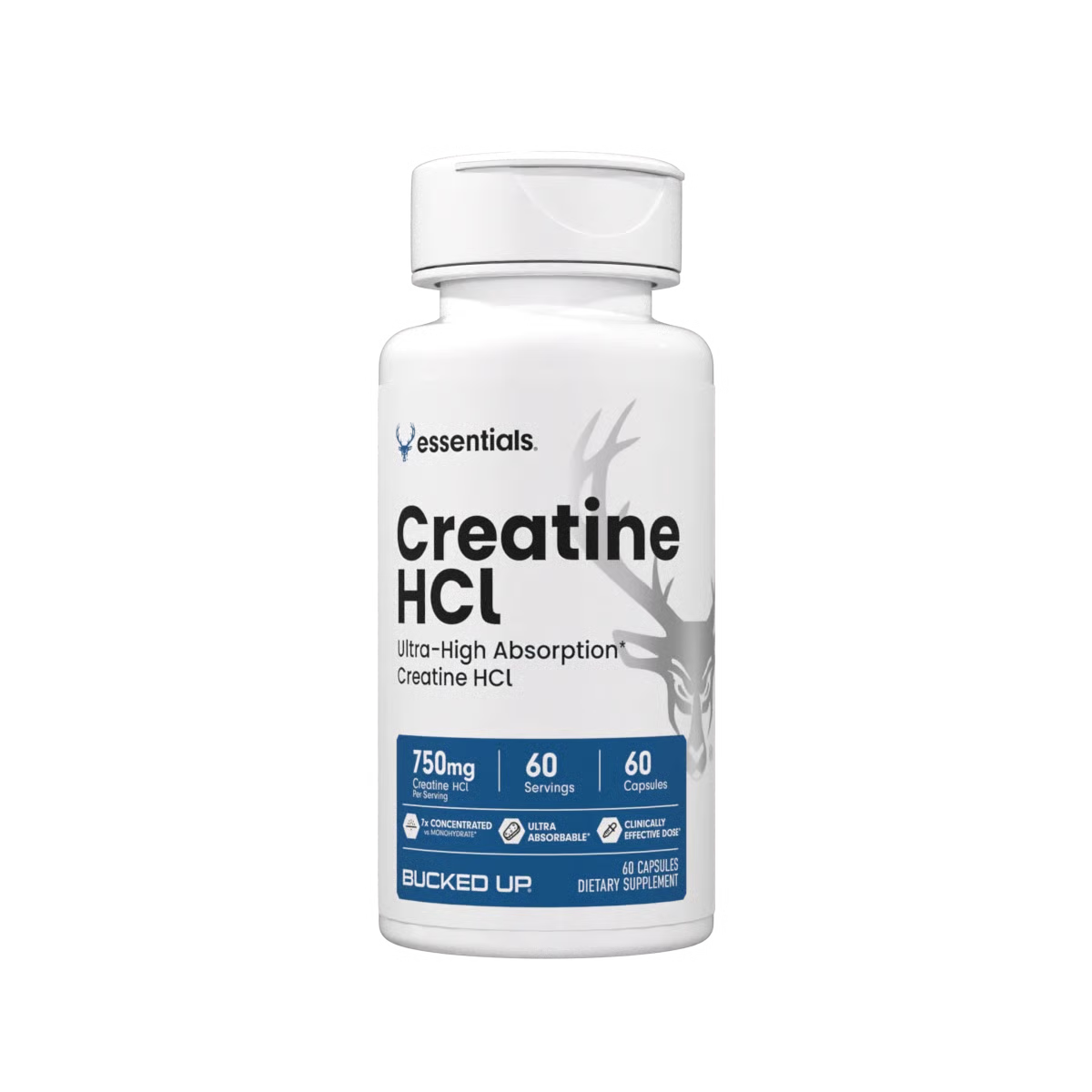
Get creatine products that make consistent daily use simple
Frequently Asked Questions
How much creatine monohydrate is safe daily?
Medical authorities recommend 3-5 grams daily for maintenance, as detailed in the dosing guidelines above. This range has been extensively studied and shown to be safe for healthy adults, athletes, and seniors when paired with adequate hydration.
Is creatine safe for kidneys?
Multiple meta-analyses and systematic reviews report that creatine does not harm kidney function in healthy individuals.1 Any increase in serum creatinine usually reflects normal metabolic processes, not kidney damage. People with existing kidney conditions should consult their healthcare provider before using creatine.
Is creatine FDA approved?
FDA recognizes creatine monohydrate as Generally Recognized as Safe (GRAS) for use as a food ingredient, including in dietary supplements.1 Dietary supplements do not go through the same pre-market approval process as pharmaceuticals, but GRAS status reflects substantial safety data supporting creatine use.
What does Mayo Clinic say about creatine?
Mayo Clinic provides information on creatine’s potential roles in athletic performance and muscle health, along with safety considerations and typical dosing ranges.
Should I take creatine on rest days?
Yes. Daily use helps maintain muscle creatine saturation levels that support performance and recovery. Taking creatine only on training days makes it harder to reach and maintain the saturation levels associated with maximum benefits.
Conclusion: Confident, Science-Guided Creatine Use
US health authority guidelines consistently support the dosing recommendations outlined above, giving you a clear path to use creatine with confidence. Evidence from FDA GRAS status, ISSN position stands, and recent meta-analyses helps cut through myths and confusion.1 Bucked Up’s certified, innovative creatine products provide the quality and convenience needed to follow these guidelines and support your performance and health goals with science-backed supplementation.
Start your science-backed supplementation today
1 The content provided in this article is for informational purposes only and is not medical advice. Consult with a medical professional before implementing any changes to your diet, health, or exercise routines.
Individual results will vary and are based on a combination of each individual’s diet, exercise, age, and health circumstances.
These statements have not been evaluated by the Food and Drug Administration. This product is not intended to diagnose, treat, cure or prevent any disease.
This article was written by Ryan Gardner, CEO of Bucked Up. As the maker of Bucked Up Creatine, we have a financial interest in this information. The views expressed are our own and should be read with that context in mind