Last updated: April 16, 2026
Key Takeaways for Sharper Focus
- Dehydration and electrolyte imbalance can cause fatigue, headaches, and mental fog. Regular water intake creates the foundation for better concentration.
- Green tea and matcha pair caffeine with L-theanine for smoother focus, less jitteriness, and more stable cognitive support.
- Coffee delivers about 90–95mg caffeine per cup and supports alertness when taken 30–60 minutes before demanding tasks, up to 400mg daily.
- Ginseng tea and beetroot juice can support long-term brain health through ginsenosides and nitrates, which may improve memory and reduce fatigue.
- Bucked Up Energy Drink delivers 300mg caffeine plus nootropics like Alpha GPC and L-Theanine for peak performance; try this nootropic-enhanced formula for advanced focus.1
Why Evidence-Based Focus Drinks Matter
Many commercially available energy drinks rely primarily on high caffeine doses without addressing the underlying mechanisms of mental fatigue. Studies demonstrate that caffeine combined with L-theanine improves attention. These synergistic relationships help identify beverages that provide sustained cognitive benefits instead of brief stimulation followed by energy crashes.
The Ranked Top 7 Drinks for Concentration and Anti-Fatigue
#1 Water: Hydration as Your Cognitive Baseline
Proper hydration forms the foundation of cognitive function. Research shows that fluid and electrolyte depletion can cause fatigue, headaches, and mental fog, which makes water the most fundamental beverage for maintaining concentration.
Drink 8–10 glasses spread throughout the day, with extra attention to morning hydration after overnight fluid loss. During long periods of mental work, electrolyte-enhanced water can further support focus and energy.
#2 Green Tea: Gentle Focus with Caffeine and L-Theanine
Green tea provides a balanced combination of caffeine (25–50mg per cup) and L-theanine (20–40mg per cup). As noted earlier, this caffeine and L-theanine pairing improves attention, and studies including Haskell et al. (2008) and Kelly et al. (2008) document cognitive improvements from green tea consumption.
Drink 2–3 cups through the morning and early afternoon for steady, manageable focus. The moderate caffeine content suits people who feel sensitive to stronger stimulants but still want noticeable mental clarity.
#3 Coffee: Fast-Acting Mental Alertness
Coffee remains one of the most researched beverages for cognitive enhancement and provides about 90–95mg of caffeine per 8-ounce cup. Multiple controlled trials demonstrate that caffeine improves attention and reduces mental fatigue during cognitive tasks.
For best results, drink coffee 30–60 minutes before demanding cognitive work so peak caffeine levels match your task. Keep total intake at or below 400mg caffeine daily, roughly four standard cups, to limit tolerance buildup and protect sleep quality.
#4 Matcha: Concentrated Green Tea for Longer Focus
Matcha provides concentrated levels of both caffeine (60–70mg per serving) and L-theanine in a more potent form than regular green tea. The whole-leaf preparation adds extra antioxidants and supports a slower, steadier energy release. Research on the caffeine and L-theanine combination supports improved attention and reduced jitters.
Prepare matcha 45–60 minutes before your most demanding mental work. The L-theanine content, similar to that in green tea but paired with higher caffeine, often feels smoother than coffee for many people.
#5 Ginseng Tea: Long-Term Cognitive Support
Korean red ginseng contains ginsenosides that may support cognitive function and reduce mental fatigue.1 Recent studies indicate that ginseng compounds can enhance attention and working memory through multiple neurological pathways.1
Drink 1–2 cups of ginseng tea daily, ideally in the morning. Benefits tend to build over several weeks of consistent use, so ginseng works better as a long-term brain support strategy than as a quick-focus drink.
#6 Beetroot Juice: Nitrate Support for Brain Blood Flow
Beetroot juice provides dietary nitrates that the body converts into nitric oxide. Research demonstrates that beetroot juice consumption can improve cognitive performance and reduce mental fatigue.
Drink 250–500ml of beetroot juice 2–3 hours before important cognitive tasks to allow time for nitrate conversion. Mix it with other fruit juices if you prefer a milder flavor while still maintaining the potential cognitive benefits.
Natural beverages like beetroot juice offer gradual cognitive support and can fit well into daily routines. Some situations, such as intense study sessions or high-stakes projects, call for more immediate and comprehensive support. Scientifically formulated energy drinks serve that role in this ranking.
#7 Bucked Up Energy Drink: Multi-Ingredient Nootropic Support
Bucked Up Energy Drink combines 300mg of caffeine with several nootropic compounds. The formulation includes Alpha GPC, Dynamine™, TeaCrine®, L-Theanine, and additional performance ingredients such as Korean Red Ginseng, Acetyl L-Tyrosine, Beta-alanine, Taurine, and vitamins B6 and B12. See the product label for full details.
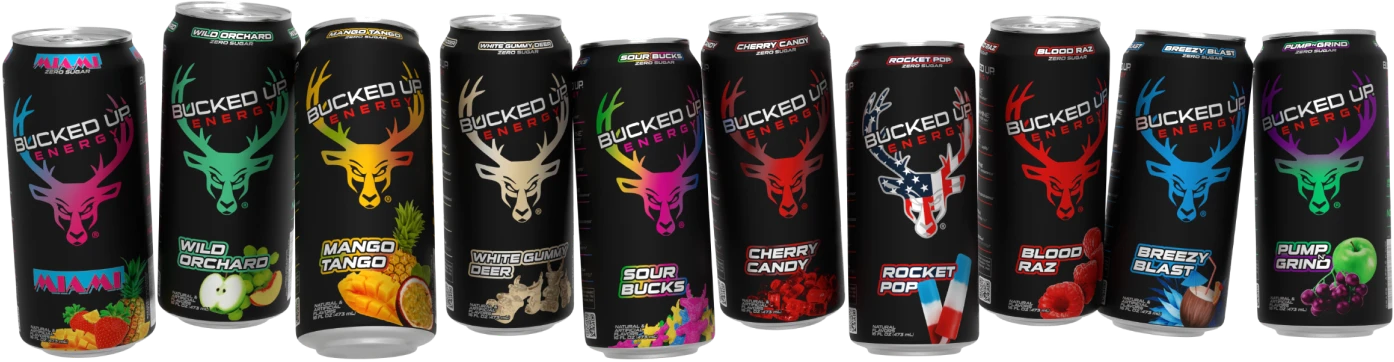
This ingredient profile targets multiple aspects of cognitive performance, including focus, mood, and mental stamina.1 Alpha-GPC research supports its role in enhancing acetylcholine levels for improved memory and learning, while other ingredients contribute to alertness and perceived energy.1
Order this complete nootropic stack to experience the formulation. Use the store finder to locate nearby retailers.
Generic Drinks vs. Performance Nootropic Energy Drinks
This comparison highlights how nootropic-enhanced energy drinks differ from traditional caffeine sources in both ingredient profiles and crash potential. Look for patterns in caffeine levels, added nootropics, and expected crash risk when deciding what fits your focus needs.
| Drink Type | Caffeine Content | Key Nootropics | Crash Risk |
|---|---|---|---|
| Generic Coffee | 90–95mg | None | Moderate |
| Green Tea | 25–50mg | L-Theanine 20–40mg | Low |
| Bucked Up Energy | 300mg (label) | Alpha GPC, Dynamine™, TeaCrine®, L-Theanine (label) | Lower (formulation) |
How to Choose and Use These Drinks for Peak Productivity
Choose your focus drink based on caffeine tolerance, timing needs, and the intensity of your cognitive demands. If you feel sensitive to stimulants, start with lower caffeine options such as green tea and track how you respond before moving to stronger choices. After you understand your tolerance, plan timing carefully and drink caffeinated beverages 30–60 minutes before peak performance windows so blood caffeine levels match your workload. Throughout this process, keep hydration a priority, because dehydration can worsen mental fatigue regardless of how much caffeine you consume.
For sustained cognitive enhancement, build a simple stack. Start with consistent water intake, add moderate caffeine sources like coffee or tea for baseline alertness, and reserve nootropic-enhanced options such as Bucked Up for your most demanding tasks.
Frequently Asked Questions
What drinks help with focus?
Green tea, which combines caffeine with L-theanine, supports calm alertness. Coffee offers fast, straightforward stimulation for immediate alertness. Nootropic energy drinks like Bucked Up, which include multiple cognitive-supporting ingredients, can help during especially demanding mental work.1 Match your choice to your caffeine tolerance and the level of focus you need.
Do energy drinks cause jitters or crashes?
Energy drinks high in caffeine and sugar can cause jitters and crashes for many people. Formulations that include TeaCrine® and L-Theanine, such as Bucked Up Energy Drink, are designed for smoother, more sustained energy.1 Review products with balanced ingredient profiles and check the product label before deciding.
What are the benefits of Bucked Up’s key ingredients?
Bucked Up Energy Drink contains AlphaSize® Alpha-GPC for focus and memory support, Dynamine™ for mood elevation and smooth energy, TeaCrine® for sustained performance with less tolerance buildup, and L-Theanine to balance caffeine effects.1 This combination works together to support focus, mental endurance, and overall cognitive performance.1
How often should I consume energy drinks?
Energy drink use should stay moderate and reflect your personal caffeine tolerance. Many adults can safely consume up to 400mg of caffeine daily. Bucked Up Energy Drink contains 300mg of caffeine, so one serving fits within that range for most adults.1 Monitor how you feel, and avoid drinking energy beverages late in the day to protect your sleep.
Where can I buy Bucked Up Energy Drinks?
Bucked Up Energy Drinks are available from the official website and from select retailers. Visit the official Bucked Up shop to order online, or use the store finder to locate nearby locations.
Boost Your Focus with a Science-First Approach
The seven beverages in this guide form a clear spectrum, from basic hydration to advanced nootropic formulations. Water and green tea create a reliable base for everyday cognitive support, while performance-oriented options like Bucked Up Energy Drink provide more comprehensive ingredient profiles for demanding tasks. Match each drink to your needs, caffeine tolerance, and performance goals so your routine feels both effective and sustainable.
Get started with science-backed energy to experience these scientifically formulated drinks. Use the store finder to locate nearby retailers.
1 The content provided in this article is for informational purposes only and is not medical advice. Consult with a medical professional before implementing any changes to your diet, health, or exercise routines.
Individual results will vary and are based on a combination of each individual’s diet, exercise, age, and health circumstances.
These statements have not been evaluated by the Food and Drug Administration. This product is not intended to diagnose, treat, cure or prevent any disease.
This article was written by Ryan Gardner, CEO of Bucked Up. As the maker of Bucked Up Energy Drinks, we have a financial interest in this information. The views expressed are our own and should be read with that context in mind.