Last updated: April 16, 2026
Introduction
Nootropic energy drinks promise focus, alertness, and smoother energy than traditional options. This guide explains safe daily limits, timing strategies, and how Bucked Up Energy fits into a balanced routine, so you can enjoy mental performance without overdoing stimulants.
Key Takeaways
- Safe daily caffeine limit is 400mg for healthy adults; nootropic drinks typically contain 150-300mg per serving.
- Key ingredients like AlphaSize® (300-600mg), L-Theanine (100-200mg), and TeaCrine®/Dynamine™ support focus and calm energy within daily max limits.1
- Start with half-can servings to assess tolerance, consume in the morning or early afternoon, and pair with food and hydration for steady effects.
- Bucked Up Energy (300mg caffeine) with AlphaSize®, Dynamine™, and TeaCrine® fits within common safety guidelines for sustained focus without sharp crashes.1
- Ready to try a nootropic-focused energy drink? Get your Bucked Up Energy case now for transparent, GMP-made performance.
The Nootropic Drink Landscape Today
Traditional energy drinks rely primarily on caffeine and sugar for short-term stimulation. Nootropic energy drinks add cognitive enhancers that support more sustained mental performance. About 73% of consumers are willing to pay more for beverages made with ingredients they recognize and trust, which increases demand for clear and transparent formulations.
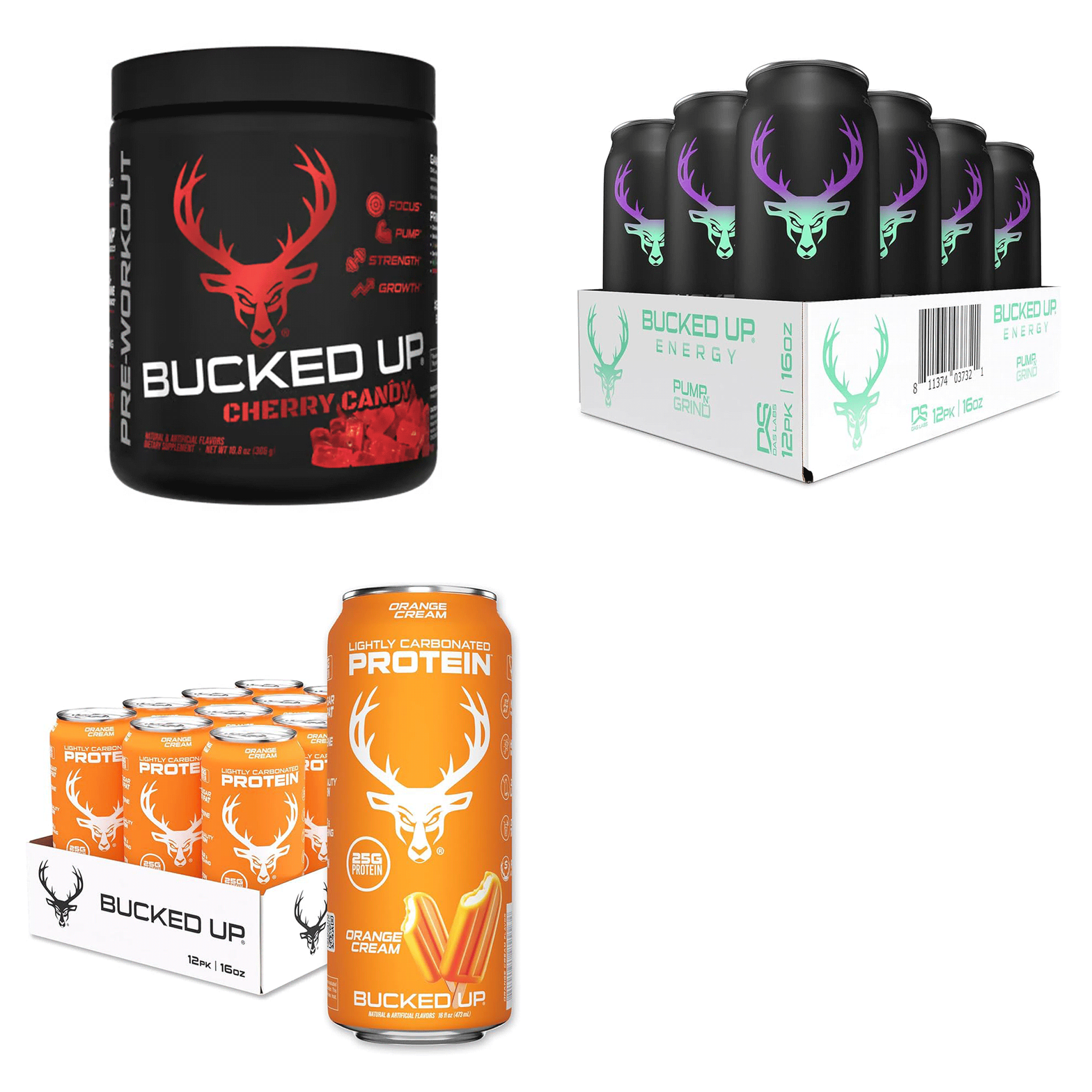
Products like C4 Smart Energy combine caffeine with nootropics like citicoline to appeal to gym-goers, students, and professionals who want more than a sugar rush. Bucked Up Energy Drinks use specific amounts of AlphaSize®, Dynamine™, and TeaCrine® alongside 300mg caffeine to provide broader cognitive support than basic stimulation alone.1 To see how these ingredients fit into safe use, it helps to look at common daily limits.
Safe Daily Limits for Common Nootropic Drink Ingredients
| Ingredient | Per Drink Recommendation | Daily Maximum | Notes |
|---|---|---|---|
| Caffeine | 150-300mg | 400mg (as noted above) | Combine with food for steadier absorption and fewer jitters |
| AlphaSize® (Alpha-GPC) | 300-600mg | 700mg | Supports focus and memory1 |
| TeaCrine®/Dynamine™ | Variable | Follow product guidelines | Associated with lower tolerance buildup |
| L-Theanine | 100-200mg | 400mg | Promotes calm, focused alertness1 |
Start Low and Adjust Your Intake
Begin with half-can servings during your first week to assess your individual tolerance. Dr. Raj Dasgupta recommends starting with a lower dose and consulting your doctor before taking high-stimulant products, especially if you have underlying health conditions.
Personal responses vary based on metabolic rate, sleep quality, nutrition, stress levels, and overall health. Adjust serving size and timing gradually as you learn how your body responds.
Bucked Up Energy Drinks: Safe Dosage and Usage
| Product | Caffeine Content | Daily Recommendation | Key Benefits |
|---|---|---|---|
| Bucked Up Energy | 300mg | 1 can in the morning | AlphaSize®, Dynamine™, TeaCrine® for sustained focus1 |
| LFG Energy | Moderate caffeine | 1 can pre-workout | Fat-burning support with MitoBurn® and Paradoxine®1 |
| Babe Energy | enfinity paraxanthine (100mg caffeine equivalent) | 1 can daily | Clean energy from InnovaBean® natural caffeine1 |
Bucked Up Energy provides 300mg caffeine alongside cognitive enhancers, which fits within common daily safety limits for healthy adults. Find Bucked Up products near you at our store finder.
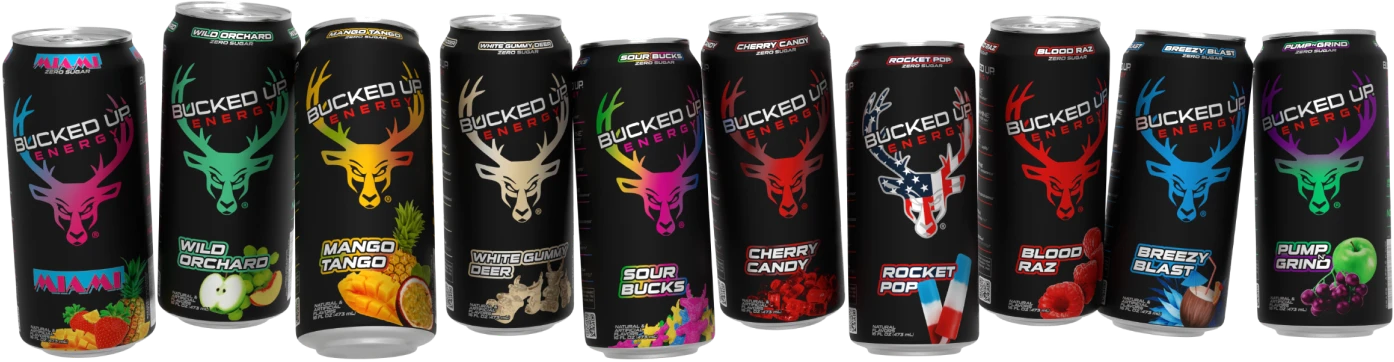
Browse our energy drink lineup to choose the caffeine level and formula that match your routine.
Daily Nootropic Drink Routines by User Type
High-Achieving Student or Professional
Drink 1 Bucked Up Energy (300mg caffeine) in the morning to support peak cognitive performance during your most demanding hours.1 To support absorption and reduce jitters, pair your drink with 16-20 oz water and a balanced breakfast that includes protein and healthy fats.
Plan your most challenging tasks for 30-60 minutes after consumption, when AlphaSize® and Dynamine™ typically support focus and mental clarity.1
Everyday Hard Worker
For shift workers, drink LFG Energy, which contains moderate caffeine, 30-60 minutes before work starts so peak effects align with your hardest tasks.1 Night-shift workers are more likely to consume energy drinks, and this group often faces extra strain on sleep and alertness.
This timing helps support focus when your circadian rhythm may feel off.1 Throughout your shift, maintain hydration with electrolyte-rich beverages to support performance during demanding physical labor.
Event-Goer or Social Night Out
Use Babe Energy with enfinity paraxanthine (100mg caffeine equivalent) before social events to support mood and steady energy.1 The lower caffeine content can work better for evening activities when you still want to protect your sleep.
Are Nootropic Drinks Safe? Red Flags and Limits
| Side Effect | Common Cause | Bucked Up Approach |
|---|---|---|
| Jitters or Anxiety | Excessive caffeine (>400mg) | TeaCrine® supports smoother energy1 |
| Energy Crashes | High sugar content | Low sugar formulation |
| Sleep Disruption | Late-day consumption | Morning timing recommendations |
A 2017 review reported that 19% of 496 college students in the United States who consumed energy drinks in the last month experienced heart palpitations. In addition, energy drink consumption is linked to increases of 5-15 mmHg in systolic blood pressure and 5-10 mmHg in diastolic blood pressure within an hour of use.
These risks appear more often with overconsumption or with products that contain very high stimulant levels. Staying within daily limits and paying attention to timing can reduce these concerns.
Cycling Nootropic Drinks to Prevent Tolerance
Daily stimulant use can build tolerance and reduce effectiveness. Many people benefit from using energy drinks in moderation and taking regular low-stimulant days.
Consult a healthcare provider before starting any supplement regimen, especially if you have pre-existing conditions or take medications. Maintain consistent hydration and avoid drinking nootropic products close to bedtime to support healthy sleep.
FAQ
How many nootropic drinks can I safely consume per day?
One Bucked Up Energy drink daily provides 300mg caffeine, which stays within the 400mg daily safety limit for healthy adults. Multiple servings can push you past safe caffeine thresholds and may increase the chance of jitters, anxiety, or sleep disruption.
If you are sensitive to stimulants, start with half servings and see how you feel before increasing your intake.
Do Bucked Up Energy drinks cause crashes?
Bucked Up formulations include TeaCrine® and Dynamine™, which support more sustained energy than high-sugar energy drinks that spike and drop blood sugar.1 Customer feedback often mentions steady energy through the day without a sharp afternoon crash, which can set these products apart from many traditional options.1
What are the most common nootropic drink side effects?
Common side effects include jitters, anxiety, headaches, and sleep disruption. These effects usually appear when people exceed about 400mg daily caffeine or drink high-stimulant products late in the day.
Thoughtful timing, good hydration, and staying within recommended doses help lower these risks.
When is the best time to consume nootropic drinks?
Early morning, around 7:00-9:00 AM, or mid-morning, around 10:00-11:00 AM, often works well for peak cognitive effects 2-6 hours later. As mentioned in the timing guidelines above, avoid consumption after 2:00 PM to reduce the chance of sleep interference.
Pair your drink with food that contains healthy fats to support absorption of fat-soluble ingredients like AlphaSize®.1
Can I combine nootropic drinks with other supplements?
Track your total daily caffeine intake when combining products so you stay within safe limits. Bucked Up Energy drinks can complement non-stimulant supplements, such as electrolytes or basic vitamins, but stacking several caffeine sources in a short window can increase side effects.
Space stimulant products throughout the day and maintain hydration to support absorption and reduce the risk of jitters or headaches.
Safe nootropic drink use depends on clear dosage limits, smart timing, and attention to your personal tolerance. Bucked Up Energy Drinks provide transparent formulations with scientifically discussed ingredients at practical doses, supporting sustained cognitive performance without relying on heavy sugar content.
Follow the guidelines outlined above to get consistent benefits while protecting your long-term health. Use our store finder to locate Bucked Up Energy at a retailer near you.
Order your case of Bucked Up Energy to experience properly formulated nootropic drinks.
1 The content provided in this article is for informational purposes only and is not medical advice. Consult with a medical professional before implementing any changes to your diet, health, or exercise routines.
Individual results will vary and are based on a combination of each individual’s diet, exercise, age, and health circumstances.
These statements have not been evaluated by the Food and Drug Administration. This product is not intended to diagnose, treat, cure or prevent any disease.
This article was written by Ryan Gardner, CEO of Bucked Up. As the maker of Bucked Up Energy Drinks, we have a financial interest in this information. The views expressed are our own and should be read with that context in mind.