Written by: Ryan Gardner, Owner, Managing Partner, CEO, Bucked Up | Last updated: April 22, 2026
Key Takeaways
- Nitrosigine provides rapid onset and maintains elevated arginine levels for up to 6 hours, while citrulline malate peaks within 30–60 minutes.1
- Citrulline malate typically requires 6–8g for noticeable pumps and can reduce soreness by up to 40%, while Nitrosigine needs 1.5g for comparable vasodilation.1
- Stacking both compounds creates immediate and sustained pump effects, which supports extended workouts without mid-set fade.1
- Both ingredients show strong safety profiles with rare, mild side effects; talk with a doctor if you use blood pressure medications.1
- Experience this clinically supported stack in Bucked Up pre-workout for consistent pumps and performance.1
How Citrulline Malate and Nitrosigine Work in Your Body
Citrulline malate combines L-citrulline with malic acid in a 2:1 ratio, creating a compound that increases nitric oxide production for enhanced muscle pumps and reduces soreness by up to 40%.1 The citrulline component bypasses liver metabolism and boosts plasma arginine levels more effectively than direct arginine supplementation.1 Malic acid supports ATP production through the Krebs cycle, which can help sustain training intensity.1
Nitrosigine is a patented form of inositol-stabilized arginine silicate that can increase blood arginine levels rapidly and maintain elevation for up to 6 hours, outperforming standard L-arginine.1 The silicon component slows arginase enzyme breakdown of arginine, and inositol supports nutrient absorption and blood vessel health.1 Studies show Nitrosigine increases plasma arginine by over 70% compared to arginine hydrochloride, which explains its strong pump support at relatively low doses.1
With both compounds using different routes to raise arginine and nitric oxide, comparing them side by side makes it easier to match each option to your training style.
Citrulline Malate vs Nitrosigine: Side-by-Side Comparison
This comparison highlights the main differences between these two pump-focused ingredients so you can see where each one fits into your routine.
| Attribute | Citrulline Malate | Nitrosigine |
|---|---|---|
| Optimal Dosage | 6–8g | 1.5g |
| Onset Time | 30–60 minutes | Rapid |
| Duration | Acute effects | Up to 6 hours |
| Effectiveness per Gram | Baseline | 1.5 g Nitrosigine is equivalent to 8 g citrulline malate for endothelium-dependent vasodilation1 |
| Stacking Potential | Good synergy | Excellent synergy |
Nitrosigine sustains elevated arginine levels for up to 6 hours based on MRI data, while citrulline malate primarily supports acute effects during exercise.1 This difference in timing shapes how each ingredient fits into your pre-workout plan.
Pump Duration Breakdown for Real Training Sessions
Pump duration directly affects how your muscles feel from warmup to final set. Nitrosigine’s longer duration outlasts citrulline malate’s shorter peak window, which supports extended training sessions or multiple daily workouts.1
Peak plasma concentrations of citrulline malate occur within 0.7–2 hours, providing acute benefits that gradually diminish.1 This timing works well for standard 60–90 minute training sessions but may leave you feeling flat during very long workouts.
For athletes who notice mid-set pump fade, Nitrosigine’s sustained elevation can help by keeping arginine levels more consistent during longer efforts.1 A 2023 study by Greenberg et al. found that Nitrosigine reduces exercise-induced muscle damage markers like creatine kinase and myoglobin while supporting perceived energy levels, which aligns with its longer activity window.1
Effectiveness and Dosing: How Much to Take
Correct dosing makes the difference between noticeable pumps and underwhelming results. The recommended dose of Nitrosigine is 1,500 mg (1.5 grams) per day, while effective citrulline malate dosing ranges from 6–8g, providing roughly 3.4–4.5g of pure L-citrulline.1
Gram for gram, Nitrosigine delivers strong effects.1 A 2020 study by Rogers et al. found that 1500mg Nitrosigine increased flow-mediated dilation by 31% in young adults, equivalent to the effects of 8g citrulline malate for endothelium-dependent vasodilation.1 You need over five times more citrulline malate to reach similar acute vasodilation in that context.
For practical use, track your pumps over three training sessions with each compound at proper doses and compare performance, recovery, and feel. This self-testing approach aligns with research, since Spanish researchers documented a 52% increase in bench press repetitions to failure at 80% 1RM after citrulline malate supplementation, showing the kind of measurable change you can watch for in your own training.1
Why Stacking Citrulline Malate and Nitrosigine Works
Stacking Nitrosigine with L-citrulline combines rapid onset with sustained support.1 This pairing delivers fast pumps from Nitrosigine and performance benefits from citrulline malate that build across the session.1
Bucked Up Mother Bucker uses this strategy with 1.5g Nitrosigine, 4g L-citrulline, and Hydroprime glycerol, and it provides transparent dosing instead of proprietary blends.
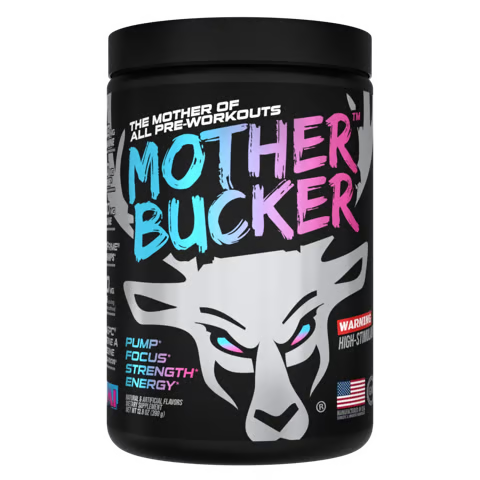
The stack covers different phases of your workout. Nitrosigine supports quick pump initiation, while citrulline maintains nitric oxide production as you move through heavier sets and higher volume.1 Research suggests that citrulline malate can support increased ATP production during exercise, which complements Nitrosigine’s arginine elevation and may help you push more total work.1
Shop now to try this combination and avoid guessing whether your pre-workout includes effective doses.
Side Effects and Safety Overview
Both compounds show strong safety profiles at recommended doses. Nitrosigine is generally safe and well tolerated in most people, with reported side effects being mild and rare, including headache or light dizziness, mild bloating or stomach upset, and occasional nausea.1
Citrulline malate appears similarly well tolerated. Studies report that L-citrulline is generally well tolerated in healthy adults. Higher doses of 5–6 g L-citrulline daily may produce greater L-arginine elevation but also higher risk of gastrointestinal side effects, such as stomach discomfort.1
People with low blood pressure, kidney disease, or those taking blood pressure medications should talk with a healthcare provider before using these ingredients. Nitrosigine may interact with blood thinners, blood pressure drugs, diabetes medications, and erectile dysfunction drugs because of its influence on blood pressure.1
How These Ingredients Show Up in Pre-Workouts
Pre-workout labels vary widely in transparency and dosing. Many formulas use proprietary blends that hide exact ingredient amounts, which makes it hard to know whether you are getting effective doses of either compound.
Bucked Up’s product line uses a progressive stacking approach. The standard Bucked Up pre-workout contains 6g citrulline malate, which suits beginners who are building pump tolerance. Mother Bucker builds on this with both Nitrosigine and L-citrulline for lifters who want more vascularity and longer-lasting performance support.
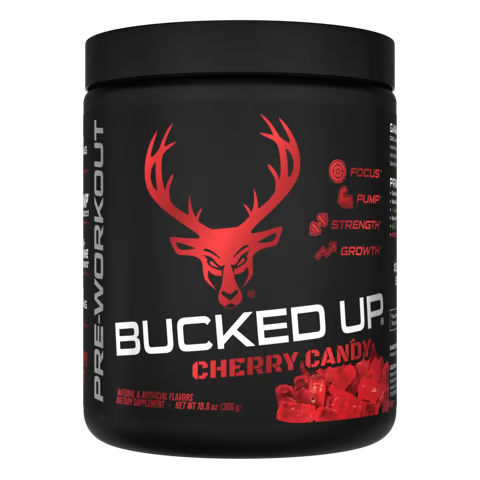
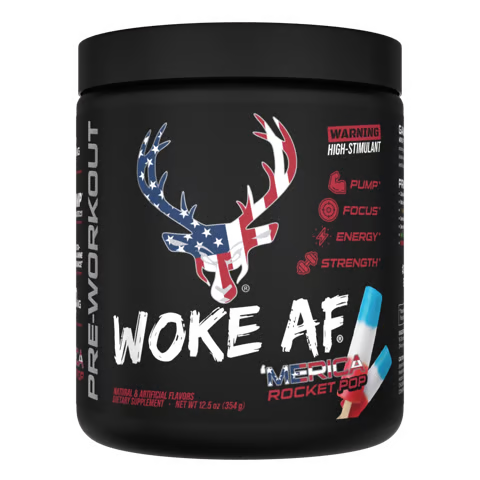
This progression lets you start with citrulline-focused formulas like Bucked Up or Woke AF, then move to the more comprehensive stack in Mother Bucker as your training volume and intensity increase. Transparent labeling means you know exactly what you are taking and can track which ingredients match your body and goals.
Conclusion: When to Use Each Pump Ingredient
Citrulline malate and Nitrosigine both enhance muscle pumps through nitric oxide pathways, yet they differ in onset, duration, and dosing. These differences make a combined approach appealing for lifters who want reliable pumps from warmup through final set.
Nitrosigine’s rapid onset and long activity window, paired with citrulline malate’s performance and soreness benefits, create sustained pump support that each ingredient alone may not match. Bucked Up Mother Bucker brings this stack together with clear dosing, so you can skip proprietary blends and focus on training.
Unlock science-backed pumps—shop now to experience the combined effects of properly dosed Nitrosigine and L-citrulline in one formula.
Frequently Asked Questions
How long does Nitrosigine last compared to citrulline malate?
Nitrosigine maintains elevated arginine levels for up to 6 hours, while citrulline malate peaks over a shorter window. This longer activity period can make Nitrosigine a strong fit for longer training sessions or days with multiple workouts.
Can you stack Nitrosigine and citrulline malate together?
Yes, stacking these compounds creates complementary effects that support both immediate and sustained pumps. The combination offers rapid onset from Nitrosigine, while citrulline malate supports ongoing nitric oxide production throughout your workout.
What are the optimal dosages for maximum pump effects?
Research supports 1.5g Nitrosigine and 6–8g citrulline malate for pump enhancement. 1.5 g Nitrosigine is equivalent to 8 g citrulline malate for endothelium-dependent vasodilation.1
Are there any safety concerns with these pump ingredients?
Both compounds show strong safety profiles at recommended doses. Side effects are uncommon and usually mild, such as occasional gastrointestinal upset or headaches. People with low blood pressure or those taking cardiovascular medications should consult healthcare providers before use.
Which compound works better for preventing mid-workout pump fade?
Nitrosigine’s long activity window can help reduce mid-workout pump fade that often appears with shorter-acting ingredients.1 Citrulline malate provides strong acute benefits, but its effects may taper sooner during very long or high-volume training sessions.
1 The content provided in this article is for informational purposes only and is not medical advice. Consult with a medical professional before implementing any changes to your diet, health, or exercise routines.
Individual results will vary and are based on a combination of each individual’s diet, exercise, age, and health circumstances.
These statements have not been evaluated by the Food and Drug Administration. This product is not intended to diagnose, treat, cure or prevent any disease.
This article was written by Ryan Gardner, CEO of Bucked Up. As the maker of Bucked Up pre-workout, we have a financial interest in this information. The views expressed are our own and should be read with that context in mind.