Written by: Ryan Gardner, Owner, Managing Partner, CEO, Bucked Up | Last updated: April 22, 2026
Key Takeaways
- Nitric oxide boosters can ease prolonged muscle soreness (DOMS) by improving nutrient delivery and waste clearance from working muscles.1
- They support recovery through better blood flow, glucose uptake, mitochondrial function, and angiogenesis, which together help you bounce back faster.1
- Research shows up to 40% reduction in soreness 24–48 hours post-exercise with ingredients like citrulline malate.1
- Effective ranges: 6–8 g citrulline malate or 3–6 g L-citrulline, taken 30–60 minutes pre-workout, and they pair well with creatine.1
- Get Bucked Up pre-workouts for transparent, research-backed nitric oxide support that can help accelerate your training progress.1
The Problem: Soreness That Lingers and Slows Your Progress
Muscle soreness that hangs around for 48–72 hours after training can stall your progress. When DOMS keeps you from training consistently, your strength and muscle gains slow down. Metabolic waste products like hydrogen ions and ADP build up in muscle tissue and contribute to burning, fatigue, and lingering discomfort. This extended recovery window often forces lifters to cut training volume or skip sessions, which limits long-term strength and muscle development. Simply waiting for soreness to fade costs you valuable training time and momentum.
The Solution: How Nitric Oxide Boosters Support Faster Recovery
Nitric oxide boosters can support faster recovery by targeting several bottlenecks that keep soreness around.1 Each mechanism focuses on a different part of the recovery process, from getting nutrients into the muscle to clearing waste products, so together they create a more complete recovery environment:
• Nutrient Delivery: Nitric oxide dilates blood vessels via endothelial nitric oxide synthase (eNOS), allowing greater oxygen and nutrient delivery to active skeletal muscles during exercise.1
• Accelerated Waste Clearance: Increased nitric oxide-induced blood flow enhances the efficiency of metabolic waste clearance, such as hydrogen ions and ADP, from contracting muscles, reducing muscle acidity and the burning sensation associated with fatigue.1
• Enhanced Glucose Uptake: Nitric oxide facilitates glucose uptake into skeletal muscle independent of blood flow or insulin via upregulation of glucose transporter-4 (GLUT4) translocation, accelerating post-exercise recovery as muscle relies on glucose for repair.1
• Improved Mitochondrial Function: Nitric oxide enhances mitochondrial density and efficiency, enabling greater ATP production to support athletic performance and recovery processes.1
• Angiogenesis Support: Nitric oxide promotes angiogenesis by stimulating the production of new capillaries within existing vascular networks, thereby enhancing blood flow, oxygen, and nutrient delivery to active muscle tissue.1
Is Nitric Oxide Good for Muscle Recovery?
Nitric oxide supplementation can support muscle recovery by reducing soreness and helping you feel ready sooner for your next session.1 Multiple studies report up to 40% reduction in muscle soreness 24 and 48 hours post-exercise with citrulline malate supplementation.1 That level of soreness reduction allows athletes to maintain higher training frequencies without sacrificing performance quality. Better nutrient delivery and more efficient waste removal create conditions that support muscle repair and adaptation, so nitric oxide boosters can be a useful tool for dedicated lifters and fitness enthusiasts.
Key Nitric Oxide Ingredients That Support Recovery
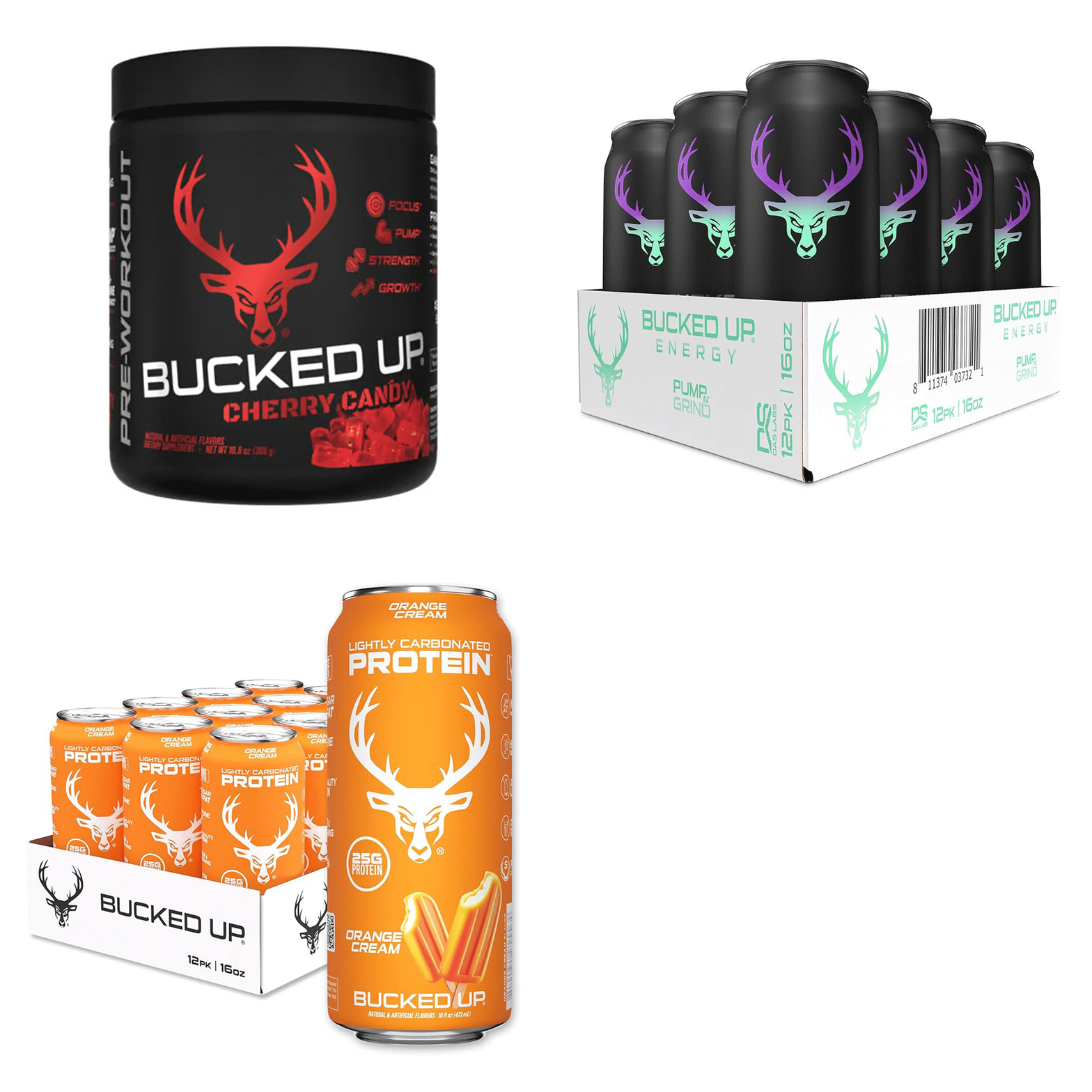
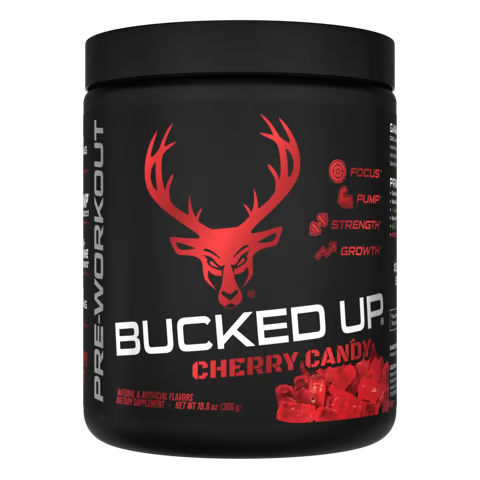
Effective nitric oxide boosters rely on specific ingredients with solid research behind them. Citrulline malate stands out as a primary nitric oxide precursor that converts to arginine in the body and avoids many of the digestive limitations that affect direct arginine supplementation. Bucked Up Pre-Workout contains 6 grams of citrulline malate per serving, using this conversion pathway to support nitric oxide production.1 L-citrulline works through the same arginine pathway and also acts as a nitric oxide booster.
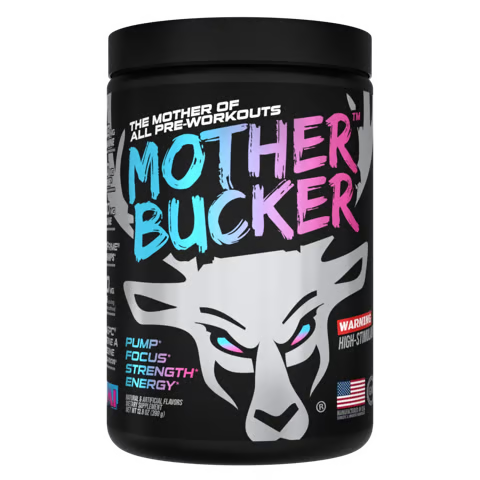
While citrulline works through arginine conversion, Nitrosigine, a patented complex of arginine and silicon, provides a complementary pathway for nitric oxide production with enhanced bioavailability.1 This ingredient appears in Bucked Up’s Mother Bucker formula, where it works alongside L-citrulline to support higher nitric oxide output. The transparent labeling approach used by Bucked Up allows users to verify they are receiving research-backed doses rather than undisclosed amounts hidden in proprietary blends.
Nitric Oxide Boosters vs Creatine for Recovery Support
Nitric oxide boosters and creatine play different but complementary roles in workout recovery. Nitric oxide supports nutrient delivery and waste clearance, while creatine supplementation increases insulin-like growth factor 1 (IGF-1) levels, exerts anabolic effects on skeletal muscle, and mediates growth-promoting effects of circulating growth hormone, supporting muscle growth and recovery.1 Creatine supplementation enhanced muscle force recovery after eccentrically-induced muscle damage in healthy individuals.
Some Bucked Up pre-workouts contain creatine, such as Black Ant, while others are creatine free. These products pair well with separate creatine supplementation. Using both allows you to support immediate recovery through improved nutrient delivery and also back longer-term muscle building and repair through creatine’s effects on cellular energy and growth factors.
Timing Your Nitric Oxide Booster Before Training
Citrulline malate effective dose is 6–8 grams or pure L-citrulline at 3–6 grams, taken 30–60 minutes before exercise.1 This timing supports nitric oxide production by allowing these ingredients to convert to arginine and bypass first-pass metabolism, which can enhance both performance and recovery. The goal is to have peak activity during your workout when nutrient delivery and waste clearance matter most.
For Bucked Up pre-workouts, consuming one scoop 30–45 minutes before training aligns the 6-gram citrulline malate dose with your session. The benefits continue after you rack the last set, supporting recovery as your muscles begin repair and adaptation. The physiological benefits of dietary nitrates last 24–36 hours after ingestion, and consistent daily intake over 3–7 days can prime the nitric oxide system, elevate plasma nitrite levels, and enhance performance and recovery effects.
Nitric Oxide Recovery Support: Bucked Up Pre-Workout Options
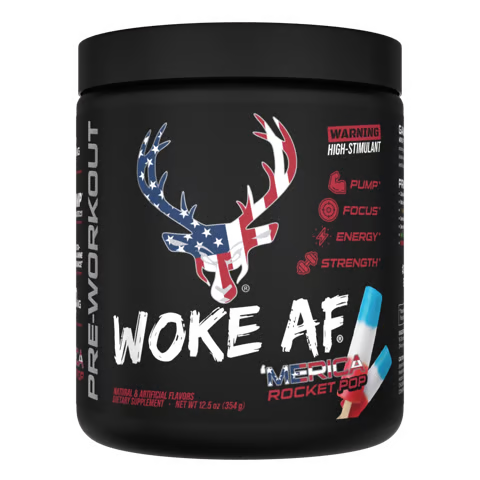
Bucked Up’s pre-workout lineup can stand out in the nitric oxide booster space through transparent formulations and clearly stated ingredient doses. The standard Bucked Up pre-workout provides 6 grams of citrulline malate, while Mother Bucker combines 4 grams of L-citrulline with Nitrosigine for additional nitric oxide support. Woke AF offers the same citrulline malate dose with higher stimulant content for lifters who want more energy.
Customer feedback often highlights pump and recovery support.1 One user shared, “Great pump, tingling sensation and ability to push harder. The best preworkout I’ve ever had.” Another reported, “This Mother Bucker gives me so much energy that I stay in the gym longer than I should, and I still have energy when I get home.” These experiences show how properly dosed nitric oxide ingredients can feel in real training sessions.
The transparency advantage becomes clear when you compare Bucked Up’s full disclosure labels to competitors that can use proprietary blends that hide actual ingredient amounts. This approach lets users confirm they are getting research-backed doses rather than potentially underdosed formulas.
Experience transparent, effective nitric oxide supplementation with Bucked Up.
Practical Tips for Using Nitric Oxide Boosters
Consistent daily intake helps you get the most from your nitric oxide booster, because many of the vasodilation and blood flow benefits build over time. This consistency works best when you stay well hydrated before and after training, since dehydration can constrict blood vessels and blunt the very effects you want. If your pre-workout contains stimulants, consider cycling it every 6–8 weeks to maintain sensitivity to caffeine and similar ingredients, while continuing nitric oxide support as needed.
For lifters who are sensitive to caffeine or who train at night, Bucked Up’s Non-Stimulant Pre-Workout provides nitric oxide support without caffeine. Pair your nitric oxide supplementation with adequate protein intake so the increased nutrient delivery actually brings enough amino acids to support muscle repair.
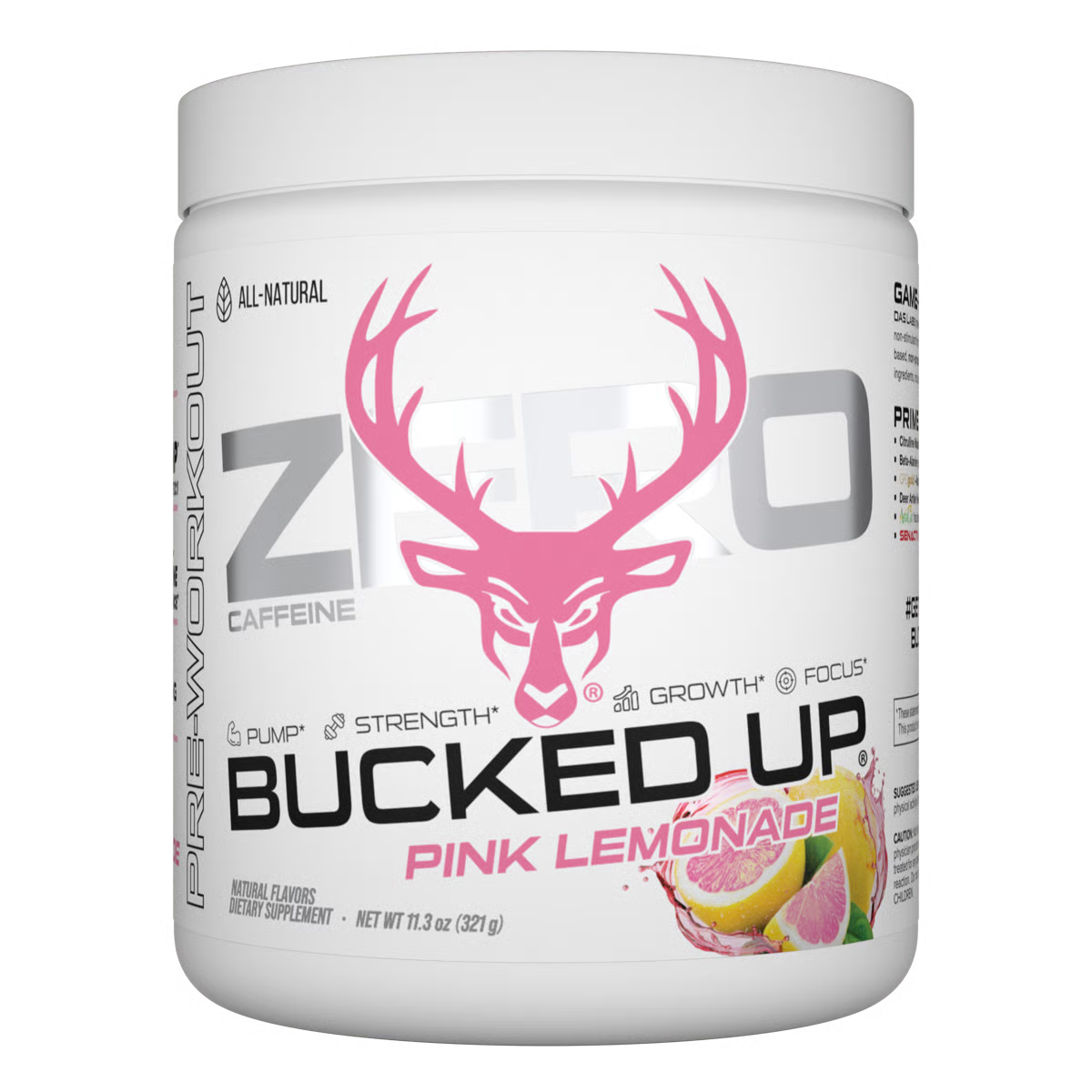
Optimize your recovery strategy with Bucked Up’s research-backed pre-workouts.
Frequently Asked Questions
Do nitric oxide boosters reduce soreness?
Nitric oxide boosters can reduce muscle soreness by improving waste clearance and nutrient delivery.1 The soreness reduction mentioned earlier, up to about 40% at the 24–48 hour mark, can help you train more often without the same level of lingering discomfort. Better removal of hydrogen ions and ADP eases the burning sensation that follows intense training.
Can I stack nitric oxide boosters with creatine?
Yes, nitric oxide boosters and creatine work well together. As explained in the comparison section above, nitric oxide ingredients focus on nutrient delivery and waste removal, while creatine supports cellular energy and muscle growth. These complementary mechanisms do not interfere with each other and can provide broader recovery support when combined.
How long before my workout should I take nitric oxide boosters?
Take nitric oxide boosters about 30–60 minutes before training for best results. That window gives citrulline malate and other precursors time to convert and reach peak activity during your workout, when enhanced blood flow and nutrient delivery matter most. The effects then carry into the post-workout period to support recovery.
Is nitric oxide good for muscle recovery?
Nitric oxide supports muscle recovery through several pathways, including enhanced nutrient delivery, improved waste clearance, better glucose uptake for repair, and support for mitochondrial function.1 Together, these effects can reduce soreness, shorten recovery time, and help muscles prepare more effectively for upcoming training sessions compared with relying only on passive rest.
What’s better for recovery, nitric oxide boosters or creatine?
Nitric oxide boosters and creatine each support recovery in different ways and often work best together. Nitric oxide ingredients focus on immediate nutrient delivery and waste removal, while creatine supports longer-term muscle growth and cellular energy. Using both can cover immediate post-workout needs and ongoing adaptation for more complete support.
Conclusion: Use Nitric Oxide Support to Recover and Train Harder
Nitric oxide boosters offer a science-backed way to support faster workout recovery through better nutrient delivery, more efficient waste clearance, and stronger muscle repair processes.1 Bucked Up’s transparent formulations provide clearly labeled doses of ingredients like citrulline malate and Nitrosigine, so you know what you are taking. Whether you choose the standard Bucked Up pre-workout, the higher-stim Woke AF formula, or Mother Bucker with added Nitrosigine, you receive nitric oxide support aligned with your recovery goals. Shop Bucked Up pre-workouts now and see how transparent, well-dosed nitric oxide supplementation can fit into your training and recovery plan.
1 The content provided in this article is for informational purposes only and is not medical advice. Consult with a medical professional before implementing any changes to your diet, health, or exercise routines.
Individual results will vary and are based on a combination of each individual’s diet, exercise, age, and health circumstances.
These statements have not been evaluated by the Food and Drug Administration. This product is not intended to diagnose, treat, cure or prevent any disease.
This article was written by Ryan Gardner, CEO of Bucked Up. As the maker of Bucked Up pre-workout, we have a financial interest in this information. The views expressed are our own and should be read with that context in mind.