Written by: Ryan Gardner, Owner, Managing Partner, CEO, Bucked Up | Last updated: April 22, 2026
Key Takeaways
- Nitric oxide boosters increase vasodilation, which improves blood flow and delivery of oxygen, glucose, and amino acids to muscles during workouts.1
- Research-backed ingredients like citrulline malate (6–8g) and Nitrosigine can increase reps, reduce fatigue, and improve muscle pumps, with some studies showing up to 52% more bench press reps.1
- Bucked Up pre-workouts use transparent, research-supported doses of citrulline malate, Nitrosigine, and AstraGin to support absorption and performance.1
- Take nitric oxide boosters about 20–30 minutes before workouts on an empty stomach so effects peak during training, while still pairing well with creatine.
- Experience enhanced endurance and pumps with Bucked Up pre-workouts like Mother Bucker, which are formulated for strong nutrient delivery.1
How Nitric Oxide Boosters Improve Nutrient Delivery
Nitric oxide boosters increase nitric oxide production, which relaxes smooth muscle in blood vessel walls through vasodilation. This widening of blood vessels significantly increases muscle perfusion, allowing greater delivery of oxygen, glucose, and amino acids to working muscles while also improving waste product removal.1
L-citrulline increases nitric oxide levels and bioavailability, enhances blood flow to working muscles, improves exercise volume by allowing more reps, reduces fatigue, improves muscle oxygenation, and enhances muscle pump intensity, as supported by research including Theodorou et al. (2021) in Nutrients.1 L-citrulline bypasses first-pass metabolism in the liver and then converts to arginine in the blood, which supports sustained nitric oxide production.
The enhanced nutrient delivery can translate to measurable performance changes. Spanish researchers documented a 52% increase in bench press repetitions to failure at 80% 1RM after citrulline malate supplementation.1 In the same research group, cyclists taking 6g of citrulline malate showed improved time to exhaustion on treadmill testing, and multiple studies report up to 40% reduction in muscle soreness 24 and 48 hours post-exercise with citrulline malate supplementation.1
Key Nitric Oxide Ingredients in Bucked Up Pre-Workouts
The performance benefits above depend on using proven nitric oxide ingredients at effective doses. The most effective nitric oxide boosters contain specific compounds at research-backed levels that match what has been studied.
Citrulline malate, a combination of L-citrulline and malic acid, plays a central role in many nitric oxide formulas. Effective citrulline malate dosing ranges from 5–8g, providing roughly 3.4–4.5g of pure L-citrulline, with peak plasma concentrations within 0.7–2 hours.
Bucked Up’s standard pre-workout contains 6,000mg of citrulline malate 2:1, matching the average effective dose of 6–8 grams shown to improve blood flow to muscles by acting as a nitric oxide booster in a 2021 review (Gough et al., European Journal of Applied Physiology).1 By clearly listing this research-backed dose on the label instead of hiding it in a proprietary blend, Bucked Up lets users confirm they are getting the amount studied in the literature, which creates a transparency advantage over some competitors.
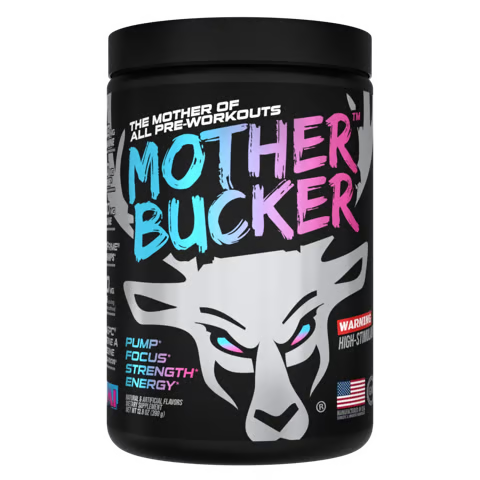
Nitrosigine also plays a key role in nitric oxide support. Studies show 1,500 mg Nitrosigine effectively boosts nitric oxide levels, improves blood flow, and enhances nitrate levels.1 Mother Bucker includes over 1g of Nitrosigine plus 4g of L-citrulline, creating a dual-pathway approach that supports vasodilation through both arginine and citrulline routes.
AstraGin supports absorption of these ingredients. Studies show Astragin increases citrulline uptake by about 30%1, while AstraGin in Bucked Up Pre-Workout enhances gut absorption of pre-workout ingredients, as suggested by a 2020 study in the Chinese Journal of Natural Medicines (Chen et al.). The following table compares the nitric oxide ingredient profiles across three Bucked Up pre-workout formulas so you can match the formula to your training style and stimulant tolerance.
| Pre-Workout | Caffeine (mg) | Target User | Key NO Ingredients |
|---|---|---|---|
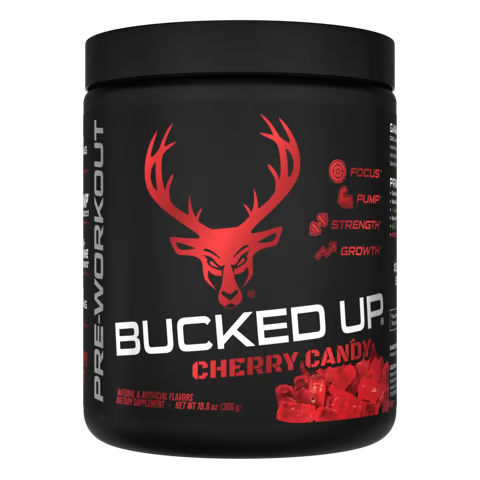
| Bucked Up | 200 | Beginners/Gym-Goers | Citrulline Malate 6g, AstraGin |
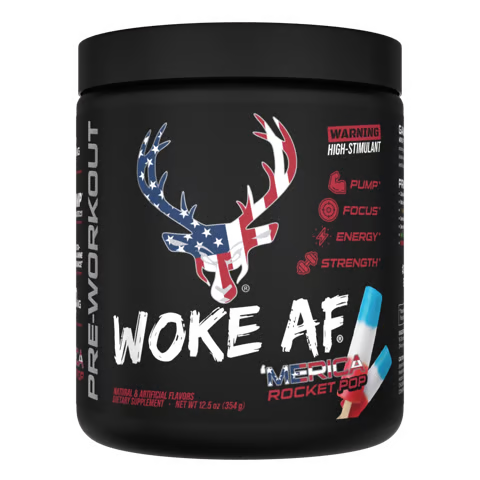
| Woke AF | 333 | Intense Users | Citrulline Malate 6g+, AstraGin |
| Mother Bucker | 400 | Advanced Athletes | Nitrosigine 1g+, L-Citrulline 4g, AstraGin |
Elevate your workouts with Mother Bucker’s advanced nitric oxide formula and try Mother Bucker today.
How Nitric Oxide Boosters Feel During a Workout
During exercise, nitric oxide boosters support stronger nutrient transport and more noticeable muscle pumps through vasodilation.1 Comparative studies showed citrulline malate users achieving a 12.4% increase in total work versus 8.7% for pure L-citrulline, with 15% lower perceived exertion. In practical terms, that can mean more reps, better endurance, and fuller-feeling muscles during training sessions.1
The improved nutrient delivery also supports sustained energy production and more efficient waste removal. Advanced lifters performed more repetitions in leg press, leg extension, and hack squat at 60% 1RM with citrulline malate supplementation1, which highlights how better blood flow and nutrient transport can show up in real-world gym performance.
Timing Your Nitric Oxide Booster Before Training
Timing your nitric oxide booster correctly helps you feel the effects during your working sets. Based on the peak plasma timing mentioned earlier, taking citrulline malate about 20–30 minutes before training lets levels rise as you move into your main workout.
Transparent Labs Nitric Oxide capsules (4 capsules per serving) should be taken 30 to 45 minutes before a workout on an empty stomach, which reflects a similar timing window. Bucked Up pre-workouts also work effectively within about 20–30 minutes, supported by absorption enhancers like AstraGin that help ingredients reach the bloodstream efficiently.
Nitric Oxide Boosters Compared to Creatine
Nitric oxide boosters and creatine support performance in different but complementary ways. Nitric oxide boosters focus on vasodilation and nutrient delivery through improved muscle perfusion, while creatine supports rapid energy production through the phosphocreatine system without directly affecting nitric oxide.
Creatine nitrate, bonded to a nitrate group (NO₃⁻), produces nitric oxide, a vasodilator that can improve blood flow, muscle pumps, and oxygen delivery to muscles, unlike creatine monohydrate which has no such secondary effect. Bucked Up pre-workouts are creatine-free, so users can stack them with a separate creatine product if they want both nitric oxide support and phosphocreatine-based power.
Potential Downsides of Nitric Oxide Boosters
Nitric oxide boosters are generally well-tolerated, but improper use can cause minor side effects. Excessive short-term intake of nitric oxide boosters can cause gastrointestinal problems, dark urine, and dark stool.1 Nitric oxide boosters are also not recommended for individuals with frequent heart attacks or liver problems1, so those users should consult a healthcare professional.
Some users experience mild side effects like stomach upset or headaches from nitric oxide supplements, and rarely excessive use can cause blood pressure changes or interact with medications.1 Bucked Up’s transparent dosing and focus on quality ingredients can help users manage these risks when they follow label directions and consider their own health status.
Conclusion: Using Bucked Up for Nitric Oxide Support
Nitric oxide boosters enhance workout nutrient delivery through vasodilation, which improves oxygen, glucose, and amino acid transport to working muscles. Bucked Up’s transparent formulations, including Mother Bucker, use research-backed ingredients at effective doses to support pumps, endurance, and overall training performance.1
Experience the difference with Bucked Up pre-workouts and feel how consistent nitric oxide support can change your sessions in the gym.
Frequently Asked Questions
How quickly do nitric oxide boosters start working during a workout?
Most nitric oxide boosters begin working within about 20–30 minutes of consumption, with peak effects occurring later in the workout window. Many users notice improved muscle pumps and endurance within the first 15–20 minutes of training when they take their pre-workout on an empty stomach roughly 30 minutes before lifting.1
Can I take nitric oxide boosters every day or should I cycle them?
Nitric oxide boosters can be taken daily for most healthy users without strict cycling schedules. The ingredients like L-citrulline and Nitrosigine work through natural metabolic pathways and do not create tolerance in the same way some stimulants can. Occasional breaks can still help you evaluate how much they contribute to your performance and keep you from getting too used to the enhanced workout feel.
Do nitric oxide boosters work better for certain types of workouts?
Nitric oxide boosters tend to shine during resistance training and high-volume sessions where pumps and sustained endurance matter. They can support bodybuilding, powerlifting, and circuit training by enhancing nutrient delivery to working muscles and helping you maintain performance across sets.1 Endurance activities like running or cycling can also benefit from better blood flow, although the pump sensation usually feels less pronounced than in heavy weight training.
What is the difference between taking L-citrulline alone and a full nitric oxide formula?
L-citrulline alone provides nitric oxide support, but complete formulas in Bucked Up products combine several ingredients for a broader effect. AstraGin can enhance citrulline absorption, Nitrosigine supports faster-acting vasodilation, and beta-alanine helps buffer lactic acid.1 Other compounds in these blends support energy and focus, creating a more comprehensive workout experience than a single-ingredient product.
Are there any foods I should avoid when taking nitric oxide boosters?
Large, high-fat meals can slow digestion and delay nitric oxide booster absorption, so they are best avoided right before taking your pre-workout. Foods high in antioxidants like vitamin C and E may theoretically affect nitric oxide production, although this rarely causes noticeable issues in everyday training. For consistent results, take your nitric oxide booster on an empty stomach or with a light snack about 30–45 minutes before your workout.
1 The content provided in this article is for informational purposes only and is not medical advice. Consult with a medical professional before implementing any changes to your diet, health, or exercise routines.
Individual results will vary and are based on a combination of each individual’s diet, exercise, age, and health circumstances.
These statements have not been evaluated by the Food and Drug Administration. This product is not intended to diagnose, treat, cure or prevent any disease.
This article was written by Ryan Gardner, CEO of Bucked Up. As the maker of Bucked Up pre-workout, we have a financial interest in this information. The views expressed are our own and should be read with that context in mind.