Written by: Ryan Gardner, Owner, Managing Partner, CEO, Bucked Up | Last updated: April 22, 2026
How Nitric Oxide Boosters Help You Train Harder
- Nitric oxide boosters can reduce muscle fatigue by improving blood flow, lactic acid buffering, waste removal, and energy use during workouts.1
- Key ingredients like citrulline malate (6–8g), Nitrosigine, and AstraGin have research-backed anti-fatigue benefits at specific doses.1
- Take nitric oxide boosters 60–90 minutes before training, ideally on an empty stomach, to line up peak nitric oxide with your workout.1
- These supplements pair well with creatine, which supports long-term ATP regeneration while nitric oxide supports immediate blood flow and nutrient delivery.1
- You can explore Bucked Up pre-workouts for transparent, high-dose nitric oxide formulations that support performance.1
4 Ways Nitric Oxide Boosters Fight Muscle Fatigue
Nitric oxide boosters can reduce muscle fatigue through four main mechanisms that work together to support workout performance.1
1. Enhanced Vasodilation for Better Nutrient Delivery
Nitric oxide dilates arteries to increase blood flow, which delivers more oxygen and nutrients to working muscles. Your muscles receive more of the fuel they need, so you can maintain higher intensity for longer sets.1
2. Faster Lactic Acid Buffering
Nitric oxide works with beta-alanine to buffer lactic acid buildup in muscle tissue. When lactic acid accumulates, it lowers muscle pH and creates the burning sensation that often ends a set. By helping maintain a more favorable pH, this combination delays that burning point and lets you keep pushing.1
3. Improved Metabolic Waste Removal
Increased blood flow improves clearance of metabolic waste products such as hydrogen ions and ADP from contracting muscles. Better clearance reduces muscle acidity and the fatigue that usually limits performance during hard training.1
4. More Efficient Energy Use
Nitric oxide facilitates glucose uptake into skeletal muscle through upregulation of GLUT4 translocation. This process supports energy production and use during exercise, even without relying on insulin signaling.1
Recent research backs up these mechanisms. A 2026 study published in Nutrients found that nitric oxide supplementation increased NO metabolites by 155% in amateur triathletes after one week, showing how quickly these compounds can affect physiology.1
Ready to feel these effects in your own training? Explore Bucked Up’s transparent nitric oxide formulations to see these mechanisms in action.
Proven Nitric Oxide Ingredients That Support Your Workouts
Effective nitric oxide boosters rely on specific ingredients at research-backed doses. The following compounds have evidence for measurable anti-fatigue benefits.
Citrulline Malate
Spanish researchers documented a 52% increase in bench press repetitions to failure at 80% 1RM after citrulline malate supplementation.1 This ingredient combines L-citrulline with malic acid to support nitric oxide production and energy metabolism. Bucked Up Pre-Workout contains 6 grams of citrulline malate per serving.
Nitrosigine (Arginine Silicate)
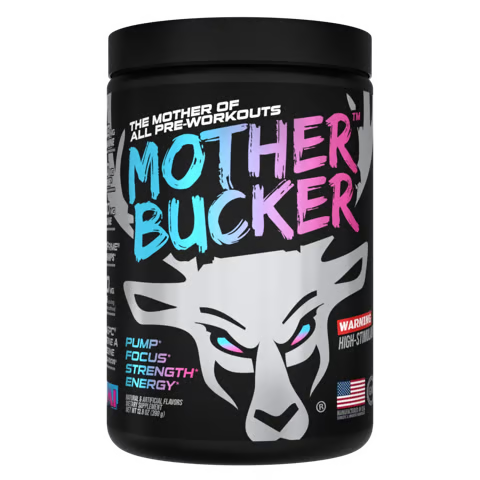
This patented form of arginine is designed for better bioavailability than standard L-arginine. Bucked Up’s Mother Bucker includes Nitrosigine along with 4 grams of pure L-citrulline to support nitric oxide production from multiple angles.1
AstraGin for Better Absorption
AstraGin is included in Bucked Up formulations and is shown to increase citrulline absorption. Higher absorption helps you get more benefit from each serving.1
Look for nitric oxide boosters with full ingredient transparency and research-aligned dosages. Some products can use proprietary blends that hide exact ingredient amounts, which makes it harder to know what you are getting.
Timing and Dosing Nitric Oxide Boosters for Better Endurance
Timing and dosing determine how much anti-fatigue benefit you actually feel from a nitric oxide booster.1 Peak plasma concentrations occur within 0.7–2 hours after consumption, so aligning intake with your training window matters.1
Optimal Timing Protocol
Take your nitric oxide booster 60–90 minutes before training. This window supports absorption and nitric oxide production so levels are rising during your warmup and early working sets.
Effective Dosing Guidelines
Citrulline Malate: 6–8 grams in a 2:1 ratio of citrulline to malic acid.
Pure L-citrulline: 3–6 grams.
Nitrosigine: 1.5 grams for blood flow support.1
Synergistic Stacking
Combine nitric oxide boosters with beta-alanine to support lactic acid buffering.1 Bucked Up’s Mother Bucker includes 6.4 grams of beta-alanine with its nitric oxide complex, plus Hydroprime glycerol for added muscle volumization and endurance support.
Nitric Oxide Boosters vs Creatine for Endurance and Power
Nitric oxide boosters and creatine both support performance, yet they act through different mechanisms and timeframes.
Nitric Oxide Boosters
These products target short-term fatigue reduction by improving blood flow, waste removal, and nutrient delivery. They can support pump, endurance, and steady energy during the workout you are doing right now.1
Creatine
Creatine increases phosphocreatine stores in skeletal muscles, which enables rapid ATP regeneration during brief, intense efforts. Consistent use supports strength and power gains over time.
Using Both for Complete Support
A combined approach covers both immediate and long-term performance. Some Bucked Up pre-workouts contain creatine, such as Black Ant Pre-Workout, while others are creatine-free. You can add 3–5 grams of creatine monohydrate daily and still rely on nitric oxide boosters for same-session anti-fatigue support.
Side Effects, Tolerance, and Safe Use
Most people tolerate nitric oxide boosters well when they follow label directions. The most common side effect is mild tingling from beta-alanine, which is harmless and usually fades as your body adapts.1
Bucked Up offers options for different stimulant preferences. The standard Bucked Up includes 200mg caffeine, which can suit many beginners, and stimulant-free versions are available for people who are caffeine-sensitive or train later in the day. Recent research reports that beetroot-based nitrate supplements are well-tolerated with no adverse effects noted.1
How Bucked Up Pre-Workouts Support Nitric Oxide and Performance
Bucked Up can stand out in the pre-workout space by using transparent formulations that match label claims. Each product lists full ingredient amounts so you can compare doses with the research cited above.
Examples from the Product Lineup
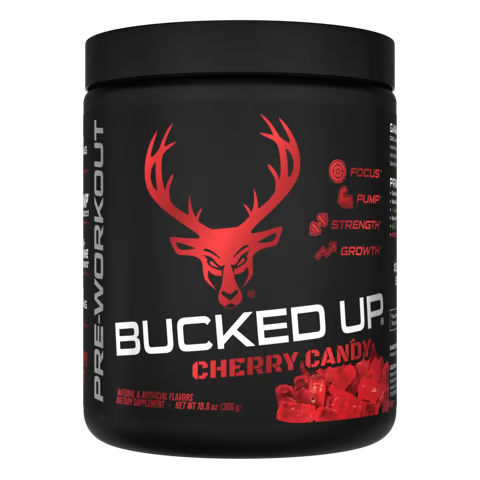
Bucked Up: A fit for many beginners, with the research-backed citrulline dose mentioned earlier and moderate stimulation from caffeine.
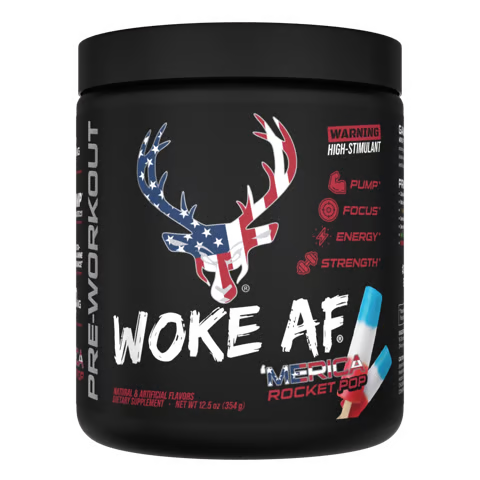
Woke AF: A higher-stimulant option with 333mg caffeine for experienced users who want stronger focus and energy.
Mother Bucker: A performance-focused formula with Nitrosigine, 4g L-citrulline, and 6.4g beta-alanine.
Feedback from Real Users
“The product helped boost my energy for my workout, specifically in terms of endurance. I was able to push through the last part of my workout with more ease when I would generally start to feel winded,” reports one verified user.1
Experience how transparent, research-aligned formulations can support your training. Find your ideal Bucked Up pre-workout based on your performance goals.
Frequently Asked Questions
What does a nitric oxide booster do when working out?
Nitric oxide boosters support workout performance through the four mechanisms described above. They mainly improve blood flow and nutrient delivery while helping remove waste products that contribute to fatigue. This combination can reduce muscle fatigue, increase endurance, and help you maintain higher intensity throughout a training session.1 Bucked Up pre-workouts use ingredients like citrulline malate, Nitrosigine, and beta-alanine in transparent, research-backed formulas to tap into these effects.
What is a good nitric oxide pre-workout for beginners?
Bucked Up Pre-Workout can be a practical starting point for beginners. It includes a moderate 200mg caffeine content, a comprehensive citrulline malate dose, and added performance ingredients like beta-alanine and Alpha-GPC. Many new users appreciate that it provides noticeable energy, focus, pump, and endurance without feeling overly wired.1 The transparent label shows exactly what you are taking, and the range of flavors can make consistent use easier.
How long before a workout should I take a nitric oxide booster?
Take your nitric oxide booster 60–90 minutes before training for reliable results. This timing supports peak absorption and nitric oxide production during your main working sets. Many people feel effects for 2–3 hours, which usually covers a full workout. For better absorption, take your pre-workout on an empty stomach or with only a small amount of food.
Are there side effects from nitric oxide pre-workouts?
Most nitric oxide pre-workouts have minimal side effects for healthy adults. Mild tingling from beta-alanine is common and usually decreases with regular use. Some people notice slight digestive discomfort when they take pre-workout on a full stomach. Bucked Up offers several caffeine levels and stimulant-free options so you can match a formula to your own tolerance.
Is creatine or nitric oxide better for reducing fatigue?
Creatine and nitric oxide boosters reduce fatigue in different ways, so they work well together. Nitric oxide boosters support immediate fatigue resistance during a workout by improving blood flow, nutrient delivery, and waste removal.1 Creatine supports long-term strength and power by raising phosphocreatine stores and helping regenerate ATP. For broader fatigue management, many lifters use a nitric oxide pre-workout like Bucked Up before training and take creatine daily for ongoing performance support.
Do not let muscle fatigue cap your progress. Bucked Up’s science-backed nitric oxide formulations can provide the energy, focus, pump, and endurance you need to push through plateaus and move toward your fitness goals.1 Start your fatigue-free training with transparent, effective supplementation.
1 The content provided in this article is for informational purposes only and is not medical advice. Consult with a medical professional before implementing any changes to your diet, health, or exercise routines.
Individual results will vary and are based on a combination of each individual’s diet, exercise, age, and health circumstances.
These statements have not been evaluated by the Food and Drug Administration. This product is not intended to diagnose, treat, cure or prevent any disease.
This article was written by Ryan Gardner, CEO of Bucked Up. As the maker of Bucked Up pre-workout, we have a financial interest in this information. The views expressed are our own and should be read with that context in mind.