Written by: Ryan Gardner, Owner, Managing Partner, CEO, Bucked Up | Last updated: April 22, 2026
Key Takeaways: Nitric Oxide Boosters and Bucked Up
- Nitric oxide boosters like L-citrulline promote vasodilation through the NO–cGMP pathway, relaxing vascular smooth muscle and increasing blood flow to working muscles.1
- L-citrulline malate supplementation increased bench press reps by 52% and reduced soreness by 40% in research, supporting better performance and recovery.1
- Core nitric oxide ingredients include 6g L-citrulline malate, Nitrosigine, and beetroot extract, and Bucked Up pre-workouts use research-backed amounts of these compounds.
- Typical protocols use 6–8g L-citrulline 30–60 minutes before training, often stacked with creatine to support pumps, strength, and nutrient delivery.1
- Many lifters experience stronger pumps and improved endurance with Bucked Up pre-workout formulas that feature the research-backed 6g citrulline malate dose plus AstraGin for absorption.1
How Nitric Oxide Boosters Improve Blood Flow During Training
Nitric oxide boosters increase blood flow through a well-established physiological pathway. Nitric oxide (NO), produced by endothelial nitric oxide synthase (eNOS) using L-arginine as a substrate, diffuses into vascular smooth muscle cells and activates soluble guanylyl cyclase (sGC), which raises cGMP levels. Higher cGMP activates protein kinases that move calcium ions out of these cells, which supports vasodilation.
Lower calcium inside vascular smooth muscle cells allows the muscle to relax. Relaxed muscle widens blood vessels and decreases vascular resistance. Wider vessels increase oxygen-rich blood flow to tissues, bringing more nutrients and oxygen while improving removal of metabolic waste during exercise.
L-citrulline serves as a precursor to L-arginine through the citrulline–NO cycle in the kidneys, which helps maintain a steady arginine supply for eNOS-driven NO production. L-citrulline bypasses arginase metabolism and circulates in the blood, where it re-enters the nitric oxide cycle, becomes arginine, and supports additional nitric oxide production.
Research links this mechanism to real performance changes. Spanish researchers reported a 52% increase in bench press repetitions to failure at 80% 1RM after citrulline malate supplementation.1 In the same line of evidence, citrulline malate taken before exercise reduced muscle soreness by 40% after 24 hours.1
Bucked Up pre-workouts apply this science by using a clinically effective 6g citrulline malate dose plus AstraGin to support absorption.1 This combination supports stronger pumps, better endurance, and improved recovery for many users.1
Key Nitric Oxide Ingredients in Bucked Up and Other Boosters
Effective nitric oxide boosters rely on specific ingredients that support blood flow through different biological pathways. The most studied compounds in this category include L-citrulline malate, Nitrosigine, and beetroot extract.
| Ingredient | Bucked Up Dose/Example | Key Benefit (Blood Flow/Pump) | Source |
|---|---|---|---|
| L-Citrulline Malate | 6g (Bucked Up) | Enhances rep performance and reduces post-workout soreness | PubMed |
| Nitrosigine® | In Mother Bucker | Supports absorption and pump intensity | |
| Beetroot Extract | N/A (stackable) | Supports nitrate-to-NO conversion pathway | Jones 2014 |
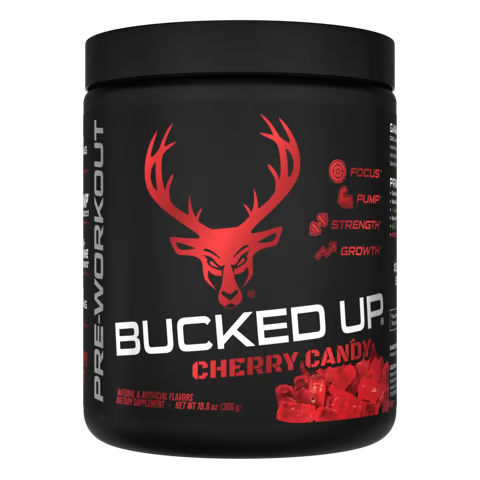
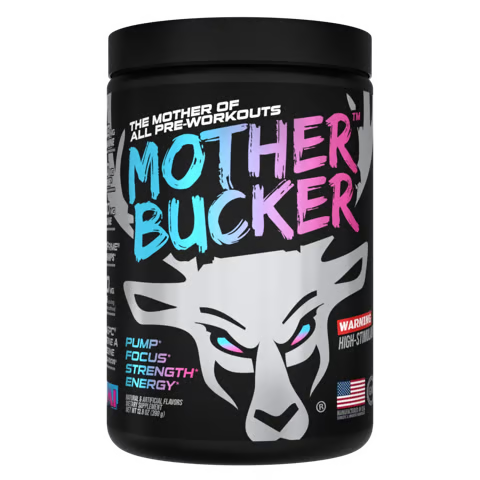
Bucked Up Pre-Workout provides 6 grams of citrulline malate per serving, which aligns with the commonly used 6–8 gram effective range.1 Mother Bucker builds on this approach with 4g L-Citrulline, Nitrosigine, and Hydroprime to support pump intensity and workout performance.1
Timing and Dosage Strategies for Nitric Oxide Boosters
Dialed-in timing and dosage help nitric oxide boosters work more consistently. L-citrulline taken 30–60 minutes before training supports optimal effects, and daily use helps maintain consistent benefits, especially during high-volume phases.1
Research supports 6–8g citrulline malate or 3–6g pure L-citrulline per day for performance outcomes.1 Bailey et al. (2015) reported that 6 grams or more of L-citrulline per day for seven days improved muscle oxygenation, oxygen uptake kinetics, and high-intensity exercise performance in humans.1
AstraGin, which appears in several Bucked Up formulas, supports citrulline absorption and improves bioavailability.1 Chronic L-citrulline supplementation for about 14 days or longer is typically required for consistent vascular benefits, because single acute doses show mixed effects on nitric oxide production and vasodilation.
Nitric Oxide Boosters vs Creatine in Your Supplement Stack
Nitric oxide boosters and creatine support performance through different mechanisms and can complement each other in a stack. NO boosters support acute pumps through vasodilation, while creatine supports strength and power by helping regenerate ATP through the phosphocreatine system.
NO boosters help reduce fatigue by improving circulation and waste clearance, while creatine addresses fatigue by supporting phosphocreatine availability. This complementary relationship explains why using both can provide broader performance support, with each compound targeting a different fatigue pathway. Some Bucked Up pre-workouts focus on nitric oxide support without creatine, while Black Ant Pre-Workout includes Creatine Monohydrate plus CreaSol SSAT for users who want both approaches in one product.
Smart Bucked Up Stacks and Possible Side Effects
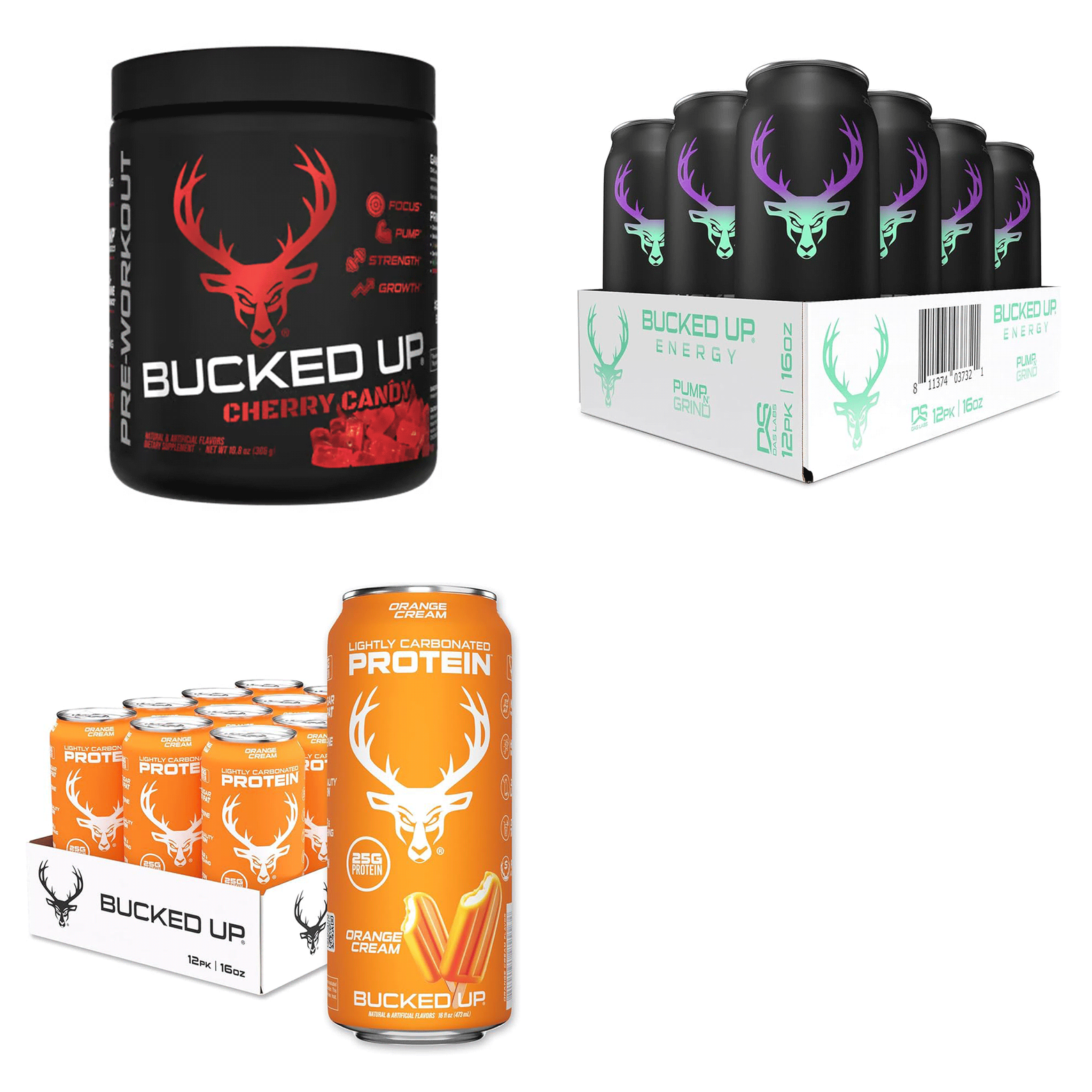
Bucked Up offers tiered pre-workout options that align with different experience levels and training goals. Beginners often start with standard Bucked Up (research-backed 6g citrulline malate, 200mg caffeine), while advanced users may choose Mother Bucker, which provides 4g L-Citrulline, Nitrosigine, and 400mg caffeine for a stronger stimulant and pump profile. Since these formulas emphasize nitric oxide support, adding creatine can create a complementary stack that also targets ATP regeneration.
Side effects from nitric oxide boosters tend to be mild for healthy adults.1 L-citrulline is generally considered safe at daily doses of 3–6 grams.1 Common mild effects include tingling from beta-alanine in some pre-workouts and occasional gastrointestinal discomfort at higher doses of certain ingredients.
Bucked Up formulations focus on effective dosing for pumps and performance while keeping ingredient profiles transparent. Ready to experience enhanced pumps and endurance? Try Bucked Up’s research-backed pre-workout formulas and see how they fit into your training routine.1
Frequently Asked Questions About Nitric Oxide Boosters
Does nitric oxide really work for blood flow?
Nitric oxide supports blood flow by driving vasodilation. The process involves NO activating the cGMP pathway, which relaxes vascular smooth muscle and widens blood vessels. Research on citrulline malate shows up to a 52% increase in exercise repetitions and a 40% reduction in muscle soreness, which points to improved nutrient delivery and circulation to working muscles.1 Source.
How long before a workout should I take a nitric oxide booster?
Most people take nitric oxide boosters 30–60 minutes before training for reliable effects. This window allows enough time for absorption and for plasma levels to rise before the workout starts. L-citrulline typically reaches peak levels within about 0.7–2 hours after ingestion, which makes the 30–60 minute pre-workout window a practical target.
What is better, creatine or nitric oxide boosters?
Creatine and nitric oxide boosters serve different roles, so one is not universally better than the other. Nitric oxide boosters support blood flow, pumps, and nutrient delivery through vasodilation, while creatine supports strength and power by helping regenerate ATP.1 Using both together can provide broader benefits, combining improved circulation from NO boosters with enhanced energy production from creatine.
What are effective nitric oxide boosters for workouts?
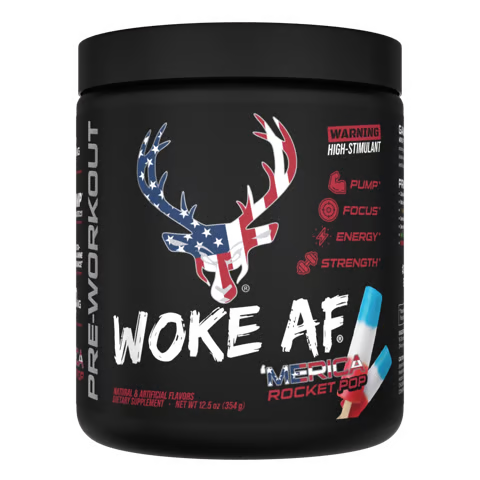
Effective nitric oxide boosters use research-backed ingredients such as L-citrulline malate in the 6–8g range, Nitrosigine, or beetroot extract. Bucked Up offers tiered pre-workout options that use these types of ingredients: standard Bucked Up for beginners with a clinically effective citrulline malate dose, Woke AF for intermediate users who want stronger stimulants, and Mother Bucker for advanced athletes who want L-citrulline plus Nitrosigine. Selection usually depends on caffeine tolerance and training experience.
Are there any side effects from nitric oxide boosters?
Nitric oxide boosters are generally well tolerated in healthy adults. Mild side effects can include tingling sensations from beta-alanine and occasional stomach upset at higher doses of certain ingredients. L-citrulline is considered safe at typical daily doses of 3–6 grams. People with cardiovascular conditions, those using blood pressure medications, and pregnant women should speak with a healthcare provider before using these products.
Conclusion: Where Nitric Oxide Boosters Fit in Your Training
Nitric oxide boosters support workout performance through well-documented vasodilation mechanisms that improve nutrient delivery and muscle pumps.1 Key ingredients such as L-citrulline malate and Nitrosigine increase nitric oxide levels, which relaxes vascular smooth muscle and can enhance exercise capacity.1
Bucked Up pre-workouts apply this research with transparent, non-proprietary formulas that feature clinically effective ingredient amounts. Whether you choose standard Bucked Up for foundational support, Woke AF for stronger focus and stimulants, or Mother Bucker for a more advanced performance profile, you receive meaningful doses of ingredients studied for pump and performance benefits.
Ready for better pumps and endurance? Explore our full pre-workout lineup and experience what science-backed nitric oxide boosters can deliver in your training.1
1 The content provided in this article is for informational purposes only and is not medical advice. Consult with a medical professional before implementing any changes to your diet, health, or exercise routines.
Individual results will vary and are based on a combination of each individual’s diet, exercise, age, and health circumstances.
These statements have not been evaluated by the Food and Drug Administration. This product is not intended to diagnose, treat, cure or prevent any disease.
This article was written by Ryan Gardner, CEO of Bucked Up. As the maker of Bucked Up pre-workout, we have a financial interest in this information. The views expressed are our own and should be read with that context in mind.