Written by: Ryan Gardner, Owner, Managing Partner, CEO, Bucked Up | Last updated: April 17, 2026
Key Takeaways
- Micronized creatine monohydrate improves solubility and absorption, so your body can use more creatine from each serving.1
- NSF Sport certification confirms products are screened for banned substances, with batch-level testing that supports athlete safety.
- Purity levels of 99.8% or higher and GMP manufacturing help reduce contaminants like dicyandiamide or heavy metals.
- The 8-step checklist below walks you through solubility checks, purity verification, and third-party testing so you can choose confidently.
- Choosing Bucked Up’s NSF certified creatine can provide verified purity, convenient formats like gummies, and support for strength and performance goals.1
Why Micronized, NSF Certified Creatine Monohydrate Matters for Everyday Training
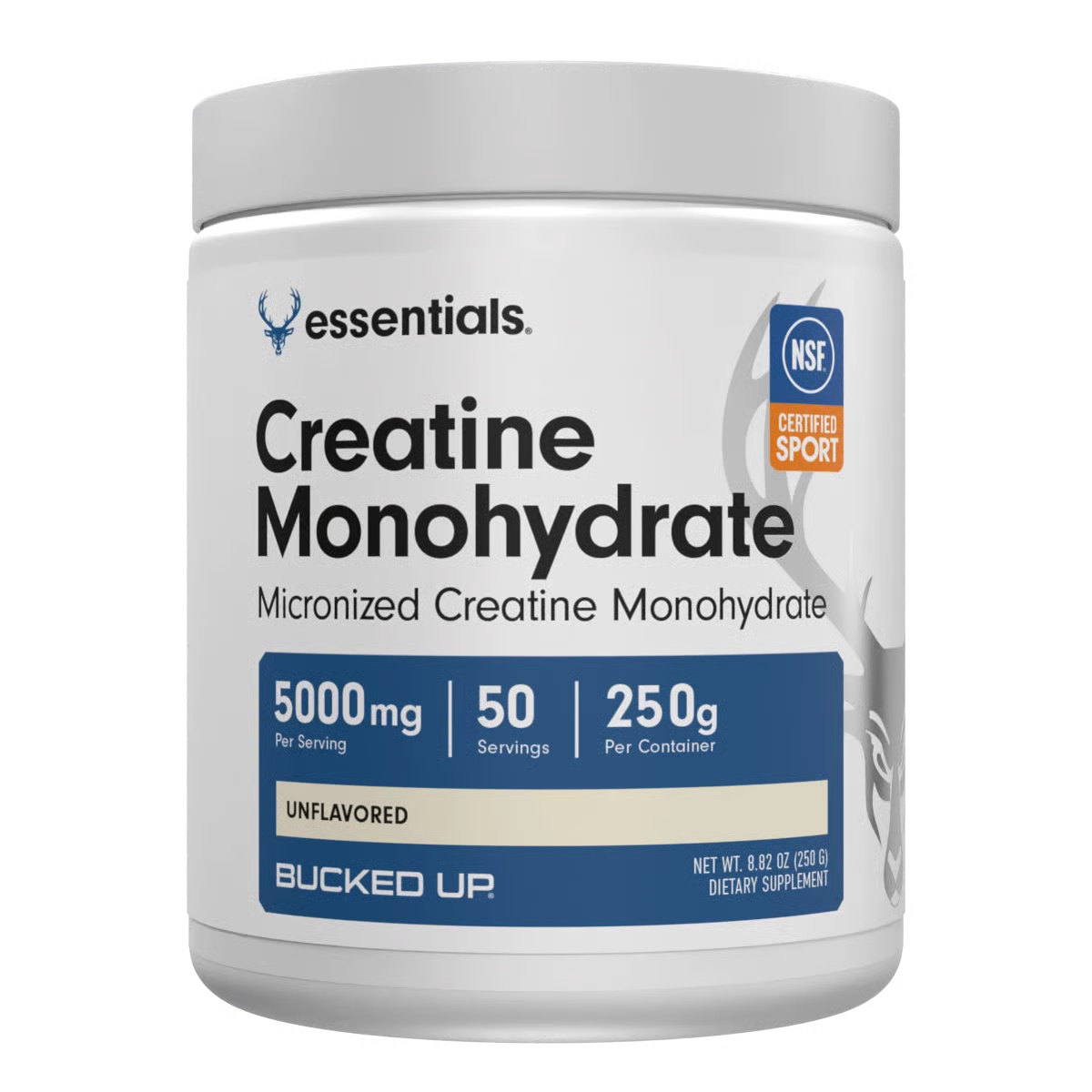
Micronized creatine monohydrate supports better absorption than standard creatine because the smaller particles dissolve more easily in liquid.1 This improved solubility reduces leftover grit in your shaker and helps more creatine reach your muscles.1 NSF Sport certification adds another layer of protection by confirming that products go through independent testing. NSF Certified for Sport programs screen supplements for banned substances and verify label accuracy and manufacturing quality standards.
Without this certification, the risks extend beyond performance concerns. Up to 40% of creatine products tested had purity below accepted benchmarks, and some contained contaminants such as dihydro-1,3,5-triazine, dicyandiamide, or trace mercury. Athletes, fitness enthusiasts, and health-conscious individuals often use creatine to support ATP regeneration, power output during high-intensity exercise, faster recovery between sessions, and cognitive performance.1 To experience these benefits consistently, follow a simple protocol of 5 grams daily, preferably post-workout, and drink 80–100 ounces of water across the day to support cellular uptake and reduce digestive discomfort.1
8-Step Checklist for Choosing High-Bioavailability, NSF Certified Creatine
This checklist gives you a clear, repeatable way to find creatine that supports both results and safety.
1. Prioritize micronized creatine monohydrate for absorption.1 Micronization reduces particle size, which improves solubility and speeds up absorption as the powder dissolves more completely.1 This process also helps remove the gritty texture and clumping that often show up with standard creatine powders.
2. Verify NSF or NSF Sport certification. Use the NSF directory to confirm product certification status. Check the label for the official NSF Sport logo, which signals batch-level testing instead of facility-only certification.
3. Check purity levels, aiming for 99.8% or higher. High-purity creatine monohydrate should align with pharmaceutical-grade standards such as Creapure, with very low levels of impurities that might cause digestive issues or reduce effectiveness.1 When possible, request or review certificates of analysis from manufacturers so you can confirm purity claims instead of relying only on marketing language.
4. Confirm GMP manufacturing standards. Good Manufacturing Practice certification supports consistent production quality, proper facility sanitation, and adherence to safety protocols at every stage of manufacturing.
5. Assess solubility and mixability yourself. Mix a serving in water and watch how it behaves over 30–60 seconds. High-quality creatine should dissolve quickly, with minimal sediment and no need for aggressive shaking or long stirring.
6. Choose a form that fits your routine. Decide whether powder, capsules, gummies, or chewable tablets match your daily habits. A format that feels easy and convenient often leads to more consistent use over time.
7. Review labels and third-party testing details. Look for products that share certificates of analysis confirming the absence of contaminants, heavy metals, and banned substances. Transparent brands usually make these documents easy to access.
8. Factor in taste and portability. Flavored options and portable formats can make daily supplementation easier, especially if you travel often or train away from home.
Now that the selection criteria are clear, it helps to zoom in on three key questions: NSF certification status, bioavailability differences, and purity standards. These areas directly affect safety, consistency, and how much benefit you get from each serving.
NSF Certified Creatine Monohydrate Options and How Bucked Up Fits In
Bucked Up Pure Creatine carries NSF Sport certification, so each batch goes through independent testing for banned substances and purity. The product uses micronized creatine monohydrate and comes from GMP-certified facilities with clear, transparent labeling. NSF International distinguishes between facility certification and product-specific NSF Certified for Sport certification. Facility certification focuses on processes, while product-specific certification tests individual batches, which can provide stronger assurance when you compare options.
Bioavailability: Why Micronized Creatine Monohydrate Often Absorbs Better
Micronized creatine monohydrate generally offers higher bioavailability than non-micronized versions because the smaller particles dissolve more completely.1 Research comparing micronized and standard creatine monohydrate shows improved absorption with micronized formulations. Bucked Up’s micronized creatine monohydrate aims for particle sizes that support smooth mixing, good solubility, and efficient cellular uptake.1 Other forms such as creatine HCl, ethyl ester, or buffered creatine exist, but they do not yet match the depth of research supporting creatine monohydrate’s long-term effectiveness and safety.
Purity Standards: Identifying the Cleanest Creatine Monohydrate
Creatine products that reach 99.8% purity or higher sit among the cleanest options currently available. Impurities formed during creatine production, including sodium sarcosine, cyanamide, dicyandiamide, dihydrotriazines, and creatinine, may trigger gastrointestinal discomfort in sensitive people. High-purity formulations reduce these compounds through careful manufacturing and purification steps.1 When you review Bucked Up Pure Creatine, you can pair its NSF certification with the brand’s quality control processes as indicators that it targets high purity standards.
How Bucked Up Creatine Addresses Taste, Convenience, and Certification
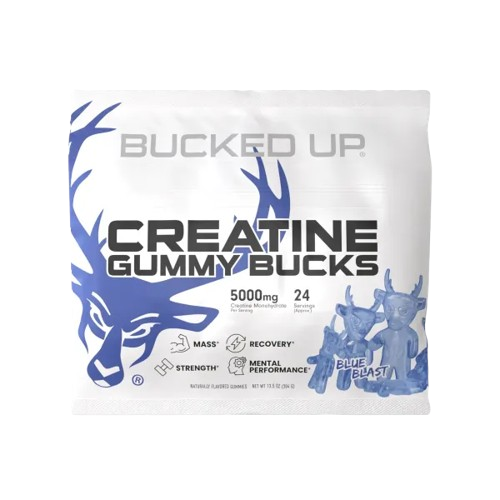
Bucked Up offers several creatine options designed for different preferences. The Pure Creatine line uses micronized creatine monohydrate and comes in flavors such as Grape Apple, Mango Pineapple, Blue Raspberry, and Fruit Punch, which can feel more enjoyable than unflavored powders. The innovative Creatine Gummies provide 5 grams per serving in a chewable format, and the Creatine Candy delivers a fizzy, dissolvable tablet that works well for on-the-go use.
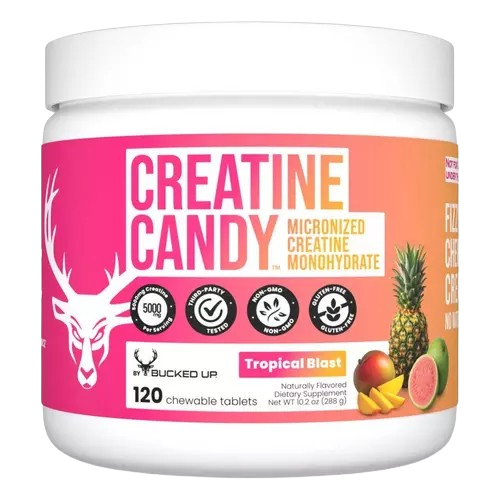
All Bucked Up creatine products carry NSF Sport certification, follow GMP manufacturing standards, and target high purity levels similar to pharmaceutical-grade specifications. The focus on flavor variety, portable formats, and digestibility can set these products apart from more basic, single-format creatine options.
Frequently Asked Questions
Which creatine monohydrate is NSF certified?
Bucked Up Pure Creatine holds NSF Sport certification, which provides independent verification of purity and safety standards. This certification confirms batch testing for banned substances and checks label accuracy. You can verify other NSF certified products through the official NSF directory, and batch-level certification usually offers stronger assurance than facility-only approval.
Which creatine form has strong support for bioavailability?
Micronized creatine monohydrate shows high bioavailability because the reduced particle size improves solubility and absorption.1 Bucked Up’s micronized formulation is designed to dissolve within about 30–60 seconds, which helps remove the gritty texture and poor mixing that many people notice with standard powders.1 Forms such as creatine HCl or ethyl ester exist, but they do not yet have the same volume of research backing creatine monohydrate.
Should I take creatine on rest days?
Daily creatine use, including on rest days, helps maintain muscle saturation levels that support performance during future workouts.1 A consistent intake of 5 grams per day, regardless of training schedule, keeps phosphocreatine stores elevated for ATP regeneration.1 Rest day supplementation also supports ongoing recovery and muscle preservation between intense sessions.1
What is the difference between creatine pills and powder?
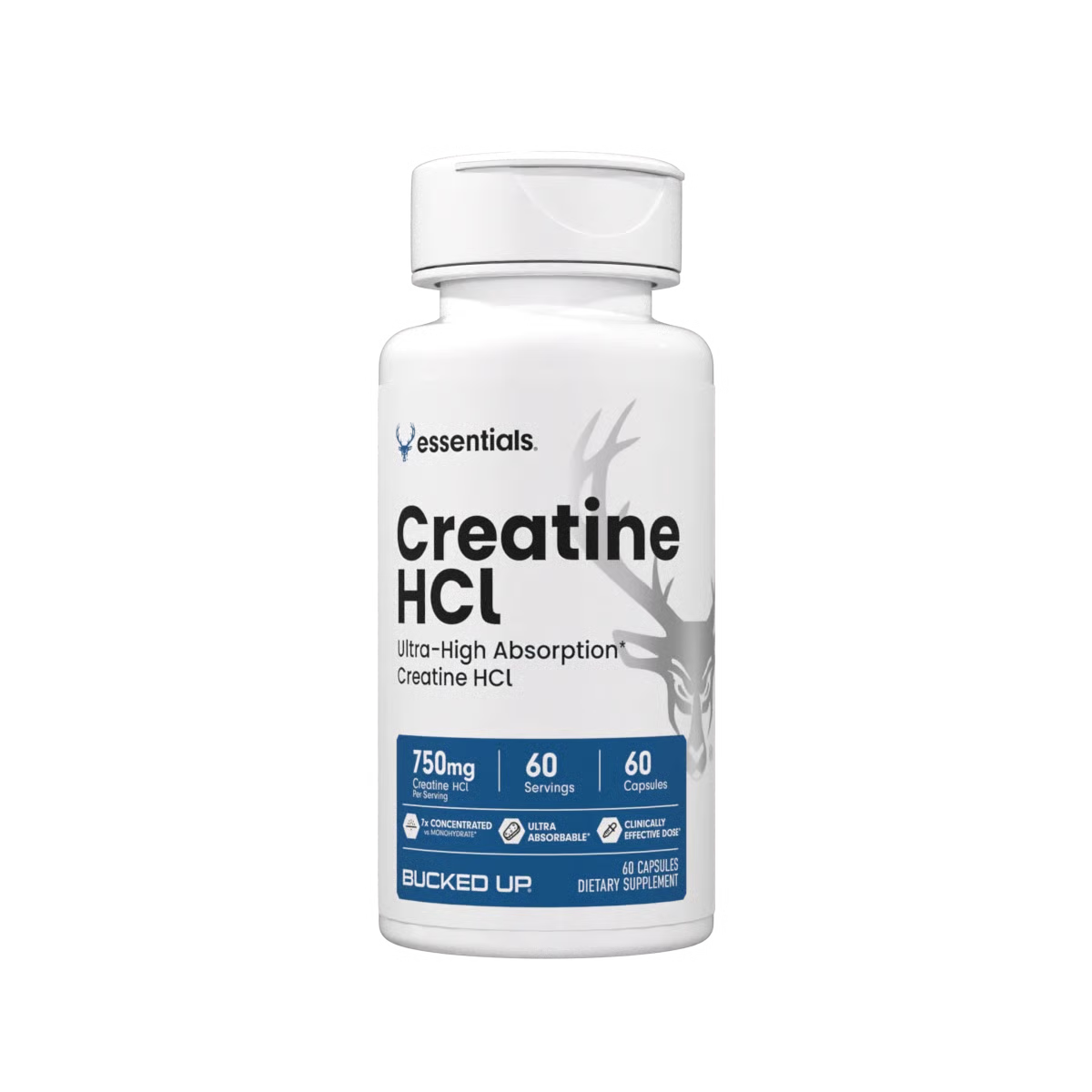
Bucked Up offers capsule and powder options so you can match your preferred style. Creatine HCl capsules provide set dosing without any mixing, while gummies and candy formats add portable choices that do not require shakers or scoops. Powder forms allow flexible dosing and easy stacking with other supplements, although they do need proper mixing for smooth dissolution.
How much water should I drink with creatine?
Take creatine with 8–12 ounces of water per serving and keep your total daily fluid intake in the 80–100 ounce range mentioned earlier. Adequate hydration supports creatine transport into muscle cells and can reduce the bloating that sometimes appears with low fluid intake.1 Hydration becomes especially important during the first weeks of use, when muscle creatine levels are building toward saturation.
Choosing a bioavailable, NSF certified creatine monohydrate works best when you look at micronization, certification status, purity, and manufacturing quality together. The eight-step checklist above gives you a simple structure for comparing products and focusing on safety and consistency. Bucked Up’s creatine line aligns with these criteria through NSF Sport certification, high purity targets near 99.8%, and multiple formats that address taste, portability, and comfort.
1 The content provided in this article is for informational purposes only and is not medical advice. Consult with a medical professional before implementing any changes to your diet, health, or exercise routines.
Individual results will vary and are based on a combination of each individual’s diet, exercise, age, and health circumstances.
These statements have not been evaluated by the Food and Drug Administration. This product is not intended to diagnose, treat, cure or prevent any disease.
This article was written by Ryan Gardner, CEO of Bucked Up. As the maker of Bucked Up Creatine, we have a financial interest in this information. The views expressed are our own and should be read with that context in mind