Last updated: April 16, 2026
Key Takeaways
- Low-sugar drinks with under 5g sugar per serving can reduce energy crashes and support steady focus per 2025-2030 Dietary Guidelines.
- Nootropics such as AlphaSize®, L-theanine, TeaCrine®, and Dynamine® work with caffeine to support clear, jitter-free concentration.1
- Helpful options include Bucked Up Energy (300mg caffeine, zero sugar), green tea, matcha, yerba mate, and black coffee for sustained alertness.1
- For best results, drink focus beverages 30-60 minutes before tasks, limit to 1-2 servings daily, and pair them with consistent hydration.
- Experience nootropic-based energy support with Bucked Up Energy Drinks for crash-resistant mental performance.1
12 Low-Sugar Drinks That Support Mental Fatigue and Focus
1. Bucked Up Energy Drink
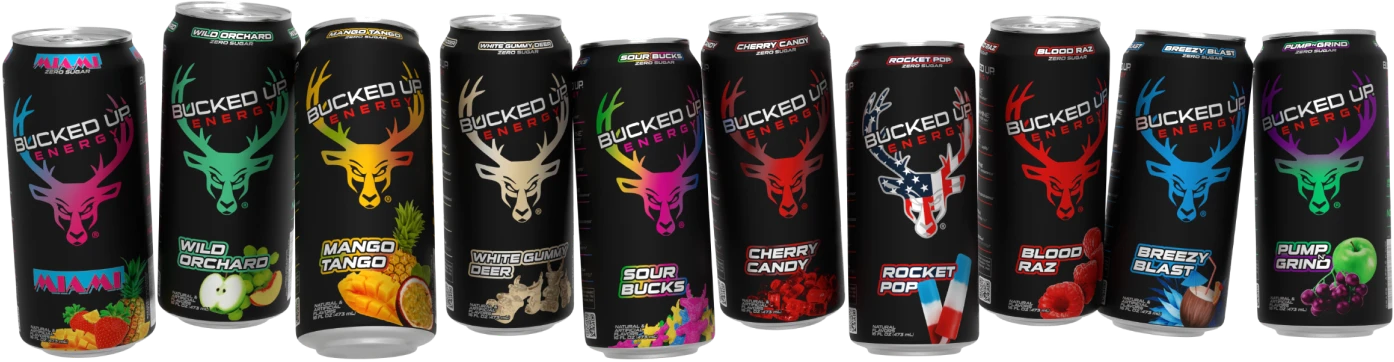
Bucked Up Energy Drink contains 300mg caffeine and nootropics including AlphaSize®, Dynamine™, TeaCrine®, and L-theanine. This zero-sugar drink supports sustained energy and mental clarity.1 AlphaSize® Alpha-GPC crosses the blood-brain barrier to boost acetylcholine levels, which can support memory, learning, and clarity.1 Try Bucked Up Energy for sustained mental performance.1
2. Green Tea
Green tea provides 25-50mg of caffeine per 8-ounce serving along with naturally occurring L-theanine that promotes calm focus. The caffeine and L-theanine combination can improve attention on task switching while reducing nervousness and jitters. With zero added sugars, green tea offers gentle cognitive support that fits long work or study sessions.
3. Matcha
Matcha typically delivers around 60-70 mg of caffeine per standard serving (2 grams or 1 teaspoon). It also provides approximately a 2:1 to 3:1 caffeine-to-L-theanine ratio, which supports focused energy with fewer crashes. Matcha can promote alpha brain wave activity associated with a relaxed state. The powdered form allows gradual release, which helps during extended focus periods.
4. Yerba Mate
A standard 8-ounce cup of yerba mate typically contains around 85 milligrams of caffeine, with a range from 30 mg to 180 mg depending on preparation and leaf type. This caffeine works with yerba mate’s natural alkaloids to create smoother energy than many coffee drinks. When prepared traditionally, this South American beverage contains virtually no sugar, so you get sustained mental alertness without a sugar crash. The combined alkaloid profile can support overall cognitive function.
5. Black Coffee
Black coffee provides about 95mg of caffeine per 8-ounce cup with zero sugar. It does not include added nootropics, yet it still supports basic alertness and short-term focus. Pairing coffee with an L-theanine supplement can help reduce jitters for people who feel sensitive to caffeine.
6. Sparkling Water with Lemon
Sugar-free sparkling water with fresh lemon supports mental clarity through hydration rather than stimulants. Adequate hydration directly affects attention, reaction time, and overall cognitive performance. The lemon adds flavor and natural vitamin C, which encourages consistent sipping. This drink works well as a base habit alongside other focus-supporting beverages.
7. Low-Sugar Kombucha
Kombucha options that contain less than 5 grams of sugar per serving offer probiotics and trace caffeine, usually around 10-25mg, for mild cognitive support. Fermentation produces B-vitamins that play a role in neurological function and energy metabolism. These effects feel subtle compared with targeted nootropic drinks but can still support daily mental wellness.
8. Golden Milk (Turmeric Latte)
Golden milk made with unsweetened plant milk and turmeric supplies anti-inflammatory compounds that may support long-term brain health. This drink contains no caffeine, so it suits evening focus sessions or wind-down work. Curcumin, the active component in turmeric, shows potential neuroprotective benefits, which can complement your daytime stimulant choices.
9. Beet Juice
Low-sodium beet juice contains natural nitrates that may support cognitive function by improving blood flow. A typical 8-ounce serving contains approximately 9-13 grams of natural sugar, which exceeds the 5-gram low-sugar threshold but still offers potential benefits for oxygen delivery to the brain. This option works better as an occasional performance booster than as a primary low-sugar focus drink.
10. Homemade L-Theanine Infusion
Mixing 200mg L-theanine powder with sparkling water creates a simple custom focus drink. L-theanine can support selective attention even during sleep deprivation1, which helps shift workers or students working late. You can also pair this infusion with a small coffee or tea for a smoother caffeine experience.
11. Bucked Up LFG Energy Drink
LFG Energy provides moderate caffeine alongside AlphaSize®, Paradoxine®, and MitoBurn® in a zero-sugar drink designed for high-intensity focus.1 The moderate caffeine level can suit people who feel sensitive to stronger products while still supporting mental performance.1 This profile works well for workouts that demand both physical effort and concentration.
12. Bucked Up Babe Energy Drink
Babe Energy provides 150mg of natural caffeine from InnovaBean® with AlphaSize® and thermogenic ingredients. This zero-sugar drink offers clean-feeling energy and focus support tailored for sustained cognitive performance.1
The table below compares caffeine content, sugar levels, and typical focus duration for four widely used options. It highlights how nootropic-enhanced choices such as Bucked Up Energy can provide longer, steadier focus than basic caffeine-only beverages.
| Beverage | Caffeine/Nootropics (mg) | Sugar Content (g) | Reported Focus Duration |
|---|---|---|---|
| Bucked Up Energy | 300mg caffeine + AlphaSize® | 0g | Users report 6+ hours1 |
| Green Tea | 25-50mg caffeine + L-theanine | 0g | 3-4 hours |
| Matcha | 70mg caffeine + L-theanine | 6.2g per 100g | 4-5 hours |
| Black Coffee | 95mg caffeine | 0g | 3-4 hours |
Now that you have a sense of how these drinks compare on caffeine, sugar, and focus duration, you can match them to your daily routine and sensitivity level.
Practical Guide: Choosing and Using Low-Sugar Drinks for Focus
Selection starts with sugar content, caffeine level, and ingredient quality. Prioritize beverages that meet the under-5-gram sugar threshold mentioned above. Look for clearly listed nootropics such as AlphaSize® or TeaCrine® when you want support that goes beyond basic stimulation.1 Aim for a caffeine-to-L-theanine ratio between 1:1 and 1:2 if you prefer smoother energy with fewer jitters.
Timing plays a major role in how these drinks feel. Drink focus beverages 30-60 minutes before demanding mental tasks so caffeine and nootropics can reach peak levels as you start working. Your personal caffeine tolerance should guide how late you drink them, because late-day intake can disrupt sleep. For long workdays, spread smaller servings across the earlier part of the day instead of relying on one large dose.
Simple preparation tweaks can improve natural options. Brew green tea at about 175°F for 3-5 minutes to support L-theanine extraction without bitterness. Blend unsweetened golden milk with a pinch of black pepper to support curcumin absorption. Explore ready-to-drink nootropic options if you prefer consistent dosing and no prep time.
Drinks That Can Help With Brain Fog
Brain fog often improves when you combine hydration with targeted cognitive support. Bucked Up Energy Drink addresses brain fog through its mix of caffeine and nootropics,1 while electrolyte-enhanced water supports baseline hydration and nerve function. Green tea and matcha offer milder options for people who want focus support with lower stimulant intensity.
Drinks That Support Both Focus and Energy
Bucked Up Energy Drink can stand out for focus and energy because it combines 300mg caffeine with AlphaSize®, TeaCrine®, and L-theanine. This zero-sugar drink supports sustained cognitive performance with fewer crashes than many sugar-heavy options.1 It suits demanding mental tasks such as long study blocks, creative work, or detailed problem-solving.
What to Drink When You Feel Mentally Fatigued
Mental fatigue responds better to steady energy than to quick spikes. Bucked Up Energy offers a high-stimulus option for intense workloads.1 while matcha provides moderate enhancement with a calmer feel. Green tea works as a gentle daily support choice. High-sugar drinks can worsen fatigue by causing sharp rises and drops in blood sugar, so they are less helpful for sustained focus.
FAQ
Do low-sugar energy drinks cause jitters?
Low-sugar energy drinks that include L-theanine and TeaCrine® can reduce jitter risk compared with many high-caffeine, high-sugar beverages.1 Bucked Up Energy uses L-theanine to smooth the stimulant effect of caffeine and support a calmer focus state.1 The lack of added sugar also helps prevent rapid spikes that may contribute to nervousness.
How often should I consume focus drinks for optimal cognitive performance?
Many people do well with 1-2 servings of focus drinks per day, spaced at least 6 hours apart to slow tolerance buildup. Starting with lower-caffeine options like Bucked Up Babe (150mg) or LFG (160mg) helps you gauge your response before moving to stronger drinks. Avoid drinking these beverages within about 6 hours of bedtime so your sleep, and therefore your cognitive recovery, stays consistent.
How does Bucked Up compare to other energy drink brands?
Bucked Up lists its ingredients transparently and includes nootropic compounds such as AlphaSize® and TeaCrine®. Some traditional brands focus mainly on caffeine and sugar, while Bucked Up products use zero-sugar formulations that aim for steadier cognitive support.1 Ingredients like Dynamine™ and L-theanine contribute to mood and focus, creating a more rounded performance profile.1
Are nootropic ingredients in energy drinks safe for daily consumption?
Research-backed nootropics such as L-theanine, AlphaSize®, and TeaCrine® show favorable safety profiles when used within recommended amounts. Individual responses still vary, so people with medical conditions or those taking medications should speak with a healthcare professional before daily use. Begin with smaller servings, monitor how you feel, and stay within the manufacturer’s dosage guidance.
What sugar threshold should I target for sustained focus without crashes?
As mentioned in the selection criteria above, staying under about 5 grams of sugar per serving can help reduce crash risk. Zero-sugar drinks like Bucked Up Energy often provide the most stable energy curve for long mental tasks.1 Natural sugars from whole fruits in small amounts may fit some routines, but drinks with more than 10 grams of added sugar per serving tend to feel less steady.
Find Bucked Up Energy Drinks at retailers nationwide through the store locator for convenient access to these cognitive-supporting options.
Conclusion: Build Steady Focus With Low-Sugar Drinks
Low-sugar drinks that include nootropic ingredients give you modern options for supporting cognitive performance.1 Traditional choices such as green tea and matcha offer a solid base, while products like Bucked Up Energy add targeted ingredient combinations for more pronounced effects.1 The main goal is choosing beverages that favor steady, reliable energy over short-lived spikes so your focus stays consistent throughout the day.
Experience crash-resistant cognitive support1 and see how low-sugar focus drinks can fit into your daily mental performance routine.
1 The content provided in this article is for informational purposes only and is not medical advice. Consult with a medical professional before implementing any changes to your diet, health, or exercise routines.
Individual results will vary and are based on a combination of each individual’s diet, exercise, age, and health circumstances.
These statements have not been evaluated by the Food and Drug Administration. This product is not intended to diagnose, treat, cure or prevent any disease.
This article was written by Ryan Gardner, CEO of Bucked Up. As the maker of Bucked Up Energy Drinks, we have a financial interest in this information. The views expressed are our own and should be read with that context in mind.