Last updated: April 16, 2026
Key Takeaways
- Mental fatigue hits busy professionals hardest during long workdays due to sustained cognitive demands. Structured breaks and recovery habits help sustain focus.
- Quick fixes like excessive caffeine often cause crashes. Sustainable routines and nootropics can support more stable cognitive performance.
- Follow the 42% rule by allocating at least 10 hours daily to recovery activities like sleep, meals, and relaxation to reduce burnout risk.
- Use techniques like Pomodoro, 3-3-3 grounding, and the 5 P’s framework (Power, Purpose, Pace, Play, Perspective) for daily mental resets.
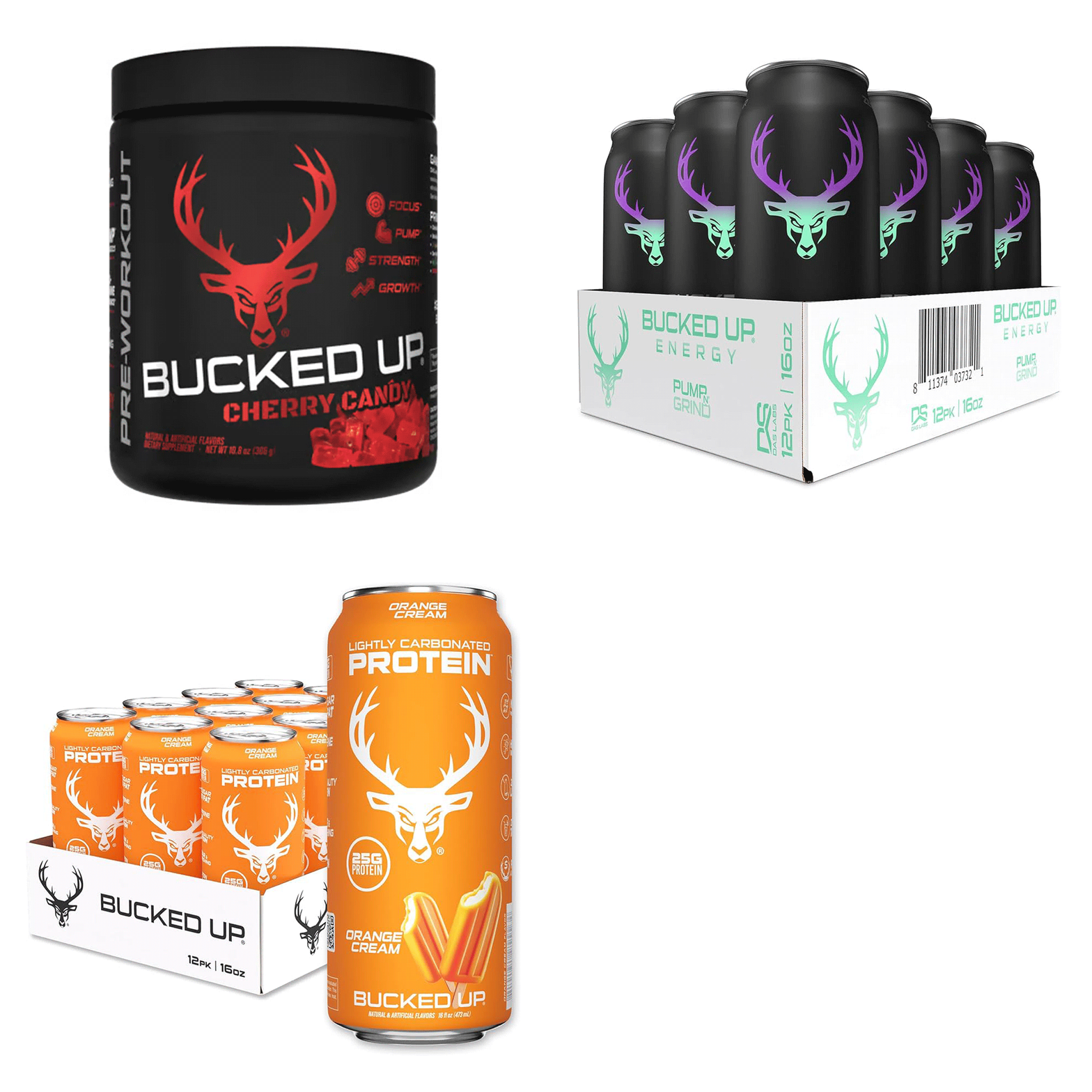
- Support your performance with Bucked Up nootropic energy drinks featuring AlphaSize®, TeaCrine®, and Dynamine® for focused energy without a hard crash—shop Bucked Up energy case now.1
Why Quick Fixes Fail Busy Pros
Traditional energy fixes like excessive caffeine create a cycle of peaks and crashes that can worsen mental fatigue over time. Busy professionals benefit more from consistent strategies that combine daily habits with scientifically formulated nootropic support for steadier focus and energy.1
42% Rule: Your Burnout Guardrail
The 42% rule sets a practical threshold for staying productive without burning out. This principle recommends spending at least 42% of your time (roughly 10 hours daily, including sleep) in recovery states such as eating, socializing, and quiet reflection. Gallup research reinforces this concept, finding that 42% of employee departures could have been prevented through better management of workload and recovery time.
To implement this rule, start by tracking your daily recovery hours for one week to establish your baseline. Use that data to audit your workload distribution and see where you fall short of the 42% threshold. Schedule weekly check-ins with yourself to adjust your calendar and maintain this balance as your responsibilities shift.
5 P’s of Fatigue: Power, Purpose, Pace, Play, Perspective
The 5 P’s framework tackles fatigue from several angles: Power, Purpose, Pace, Play, and Perspective. Power covers energy sources like nutrition and sleep. Purpose aligns your tasks with meaningful goals. Pace focuses on sustainable work rhythms. Play adds strategic breaks and enjoyment. Perspective shapes how you interpret challenges.
Each P needs targeted action. For Power, improve your energy inputs through better sleep and nutrient-dense meals. For Purpose, connect daily tasks to larger objectives that matter to you. For Pace, build consistent work-rest cycles that prevent all-day grind with no recovery. For Play, schedule genuine breaks that feel refreshing, not just more screen time. For Perspective, reframe stressful situations as chances to grow skills instead of constant threats.
3-3-3 Rule: Fast Grounding for Stress Spikes
The 3-3-3 rule offers a quick grounding technique for stressful moments. It involves naming three things you can see, three sounds you can hear, and moving three parts of your body. This technique can help reduce anxiety symptoms through regular practice, making it useful during meetings or intense work sessions.
The 5 P’s and 42% rule help you manage fatigue over the long term. The 3-3-3 rule gives you a rapid-response tool for acute stress so you can reset in real time.
Now that you have the core frameworks for managing mental fatigue, you can apply them with practical tools. The following 11 tips translate these ideas into specific actions you can start using today.
1. Use Pomodoro to Break Through 4-Hour Walls
The Pomodoro Technique breaks work into 25-minute focused bursts followed by 5-minute breaks. This structure directly addresses the cognitive fatigue that builds during long, uninterrupted work blocks. Regular short breaks create recovery intervals that help your brain reset and sustain performance across the full day.
2. Take Strategic Microbreaks
Short, planned microbreaks help prevent the slow mental decline that appears after hours of concentration. Implement 5-minute breaks every hour that include light movement or breathing. Stanford research demonstrates that cyclic sighing (double inhale through the nose followed by long exhale) practiced for just 5 minutes daily significantly improves mood and reduces physiological stress.
Use simple desk stretches, brief hallway walks, or controlled breathing during these breaks. These actions reset your mental state and keep fatigue from stacking up unnoticed.
3. Hydrate and Snack Smart
Consistent hydration and smart snacking support steady mental performance. Dehydration as low as 2% can impair cognitive function, while balanced snacks with protein and complex carbohydrates help prevent blood sugar crashes that drain focus. Keep water or electrolyte-rich drinks nearby and favor lighter meals that do not leave you sluggish.
4. Apply the 42% Burnout Rule in Your Schedule
The 42% recovery principle becomes useful when you track it against your real calendar. Compare your current recovery time to the 10-hour daily target described earlier. Identify specific time blocks where you can add sleep, unhurried meals, or genuine downtime if you fall short.
This approach supports sustained productivity by protecting your capacity, not by pushing harder every hour.
5. Use the 3-3-3 Rule for Instant Resets
When mental fatigue or stress spikes during your workday, activate the 3-3-3 technique described earlier. This sensory grounding interrupts racing thoughts and pulls your attention back to the present moment. You gain a quick cognitive reset without leaving your desk or blocking off extra time.
6. Choose Nootropic Energy Drinks That Fit Your Day
Bucked Up Energy Drinks provide 300mg of caffeine combined with nootropic ingredients. AlphaSize® is studied for its potential to support mental focus and cognitive function, while TeaCrine® is included for energy support.1 Dynamine™ is added for mood support and energy delivery.1 Bucked Up’s formulation combines these ingredients with caffeine for both alertness and cognitive support.1
Match the product to your workload and caffeine tolerance. For intense workouts or demanding physical tasks, LFG provides caffeine with fat-burning support.1 If you prefer moderate caffeine levels or feel sensitive to higher stimulant doses, Babe offers 150mg of natural caffeine from yerba mate with ingredients selected for women’s energy and focus needs.1
Ready to test how nootropic energy fits into your routine? Order a case of Bucked Up Energy online or use the store locator to find a nearby retailer and try a single can first.

7. Delegate and Set Boundaries
Delegation and boundaries work together to protect your mental bandwidth. Start by identifying tasks that do not require your specific expertise and assign them to capable teammates. This frees attention for higher-impact work.
Then define clear communication windows for email and messaging instead of staying always available. These limits reduce constant context switching, which often drives mental fatigue more than total hours worked.
8. Add Quick Movement Bursts for Focus
Short movement bursts complement your microbreaks by waking up your body and brain. Incorporate 2-3 minute movement sessions every hour, especially after long periods of sitting. Simple desk exercises like shoulder rolls, neck stretches, or standing calf raises can reactivate your nervous system.
Use microbreaks for mental reset and movement bursts for physical activation. Together they support alertness without requiring gym time or special equipment.
9. Time Your Nutrition Around Peak Work
Nutrition timing can smooth out energy dips across your workday. Eat your heaviest meal when you can afford a slight slowdown afterward, and choose lighter options before high-focus blocks. Avoid heavy lunches that trigger afternoon crashes.
Rely on protein-rich snacks and complex carbohydrates during demanding periods. This pattern supports steadier blood sugar and more consistent cognitive function.
10. Use Mindfulness Apps to Support the 5 P’s
Mindfulness apps can reinforce several elements of the 5 P’s framework in a simple, guided way. Many apps offer short sessions that address Perspective through stress management, Power through calming breathwork, and Play through intentional mental breaks.
Look for 3-5 minute guided breathing or meditation tracks you can use between meetings. These mini-sessions fit into packed schedules and help prevent fatigue from building unchecked after stressful interactions or deep work.
11. Power Naps or Breathing Hacks
Short, planned rest can restore mental clarity when your focus drops. When your schedule allows, use 10-20 minute power naps to improve alertness and cognitive performance without grogginess. Keep naps earlier in the day so they do not interfere with nighttime sleep.
When napping is not realistic, use the cyclic sighing technique mentioned earlier as a desk-friendly alternative. This breathing pattern offers rapid mental restoration and stress reduction without leaving your workspace.
Practical Implementation: Build Your All-Day Focus Stack
Combining these strategies creates stronger results than using any single tactic alone. Start your day with Bucked Up Energy if you want added cognitive support,1 then work in Pomodoro blocks with 3-3-3 resets during breaks. Track your schedule against the 42% recovery rule so your calendar supports, rather than drains, your energy.
Choose your energy drink based on the day ahead. Use Bucked Up for cognitively heavy workdays, LFG for intense physical and mental efforts, or Babe when you want a more moderate caffeine level. Build your fatigue-fighting toolkit by having Bucked Up delivered or finding a local retailer to sample different options.
FAQ
Do Energy Drinks Cause Crashes?
Some traditional energy drinks can contribute to energy dips because they rely heavily on sugar and caffeine alone. Bucked Up includes TeaCrine®, which is formulated to provide more sustained energy alongside caffeine.1 The overall ingredient combination aims to support a smoother, longer-lasting energy curve across your workday.1
How Does Bucked Up Differ from Regular Energy Drinks?
Bucked Up incorporates nootropic compounds like AlphaSize® for focus support, Dynamine™ for mood support, and TeaCrine® for energy delivery.1 Many regular energy drinks focus mainly on caffeine and sugar. Bucked Up’s formulation targets several aspects of cognitive performance, including memory, concentration, and mental clarity, in addition to alertness.1
Is Bucked Up Safe for Daily Use?
Bucked Up can be used daily when you follow the label directions, though individual caffeine tolerance varies. The 300mg caffeine content falls within commonly cited daily limits for healthy adults. Monitor how you feel, and adjust timing so it does not interfere with your sleep, especially if you drink it later in the day.
What’s the Best Option for Women?
Babe Energy Drink offers 150mg of natural caffeine from yerba mate along with ingredients selected for women’s energy and focus needs.1 It provides clean energy support with fat-burning compounds like Paradoxine® and MitoBurn®,1 which can appeal to women seeking sustained energy without very high stimulation.
What Do These Ingredients Actually Do?
AlphaSize® supports acetylcholine production, which plays a role in memory and learning.1 TeaCrine® plus caffeine may help maintain energy.1 Dynamine™ is used for mood support and energy delivery.1 Taurine supports cellular hydration and muscle function.1 Together, these compounds provide cognitive and physical performance support that goes beyond basic stimulation.1
Conclusion: Reclaim Your Edge
Mental fatigue does not need to control your workday. By using these 11 science-backed strategies, from the 42% recovery rule to targeted nootropic support, you can protect your focus during demanding schedules. Bucked Up Energy Drinks can serve as one pillar in that plan by offering sustained, crash-resistant energy.1
Experiment with a structured routine and see how your performance changes. You can order Bucked Up by the case or use the store locator to pick up a can nearby and experience how scientifically formulated energy fits into your day.
1 The content provided in this article is for informational purposes only and is not medical advice. Consult with a medical professional before implementing any changes to your diet, health, or exercise routines.
Individual results will vary and are based on a combination of each individual’s diet, exercise, age, and health circumstances.
These statements have not been evaluated by the Food and Drug Administration. This product is not intended to diagnose, treat, cure or prevent any disease.
This article was written by Ryan Gardner, CEO of Bucked Up. As the maker of Bucked Up Energy Drinks, we have a financial interest in this information. The views expressed are our own and should be read with that context in mind.