Written by: Ryan Gardner, Owner, Managing Partner, CEO, Bucked Up | Last updated: April 22, 2026
Key Takeaways
- Use 9 clear criteria to judge supplements, including third-party certifications like NSF and Informed-Sport, cGMP manufacturing, and detailed COAs for purity and potency.
- Watch for 8 red flags such as proprietary blends, missing lab reports, unverified claims, and non-GMP facilities that can increase contamination and underdosing risk.
- Choose specific, studied doses like citrulline malate 6–8g and beta-alanine 3.2–6.4g, plus trademarked ingredients that support energy, focus, pump, and endurance.1
- Check quality at home by reviewing COAs, scanning lot numbers, inspecting product consistency, and tracking your own performance and recovery.1
- Bucked Up offers transparent, GMP-certified pre-workouts with full label disclosure and research-backed doses, so you can shop now with clear quality standards in mind.
9 Criteria to Judge Supplement Quality and Purity
Strong supplement choices start with a structured checklist. These nine criteria help you find products that are clean, accurately dosed, and consistent from batch to batch.
1. Third-Party Certifications
Look for certifications from NSF International, USP Verified, NSF Certified for Sport, Informed-Sport, or BSCG Certified Drug Free programs. BSCG’s Certified Drug Free program screens for more than 450 substances including over 400 on the WADA Prohibited List, while NSF Certified for Sport certification screens dietary supplements for banned substances aligned with NCAA restrictions.
2. cGMP Manufacturing Standards
Choose products made in facilities that follow FDA’s 21 CFR Part 111 current Good Manufacturing Practices.1 FDA cGMP standards under 21 CFR Part 111 define how dietary supplements are produced, tested, and documented with controlled conditions for blending, granulation, compression, and encapsulation.1
3. Detailed Certificates of Analysis (COAs)
Request COAs that list specific test results for heavy metals, microbial contaminants, and potency verification. These three areas show whether a product is safe to use and matches its label claims. A Certificate of Analysis from third-party labs should show ‘ND’ (Not Detected) or ‘Pass’ for heavy metals, passing microbial limits (e.g., <10 CFU/g), and confirmed potency matching label claims.
| Test Category | What to Check | Pass Criteria |
|---|---|---|
| Heavy Metals | Lead, Mercury, Arsenic, Cadmium | ND or <regulatory limits (ppb) |
| Microbes | Bacteria, Yeast, Mold | <10 CFU/g |
| Potency | Active ingredient concentration | 90–110% of label claim |
4. Full Ingredient Transparency
Skip products that rely on proprietary blends that hide exact dosages. Quality supplements list precise amounts for every ingredient so you can compare them with research-backed effective doses.
5. Bioavailable Ingredient Forms
Favor ingredient forms and doses that research supports. For example, look for citrulline malate 2:1 at 6–8g doses and beta-alanine at 3.2–6.4g for performance benefits.1
6. Reputable Ingredient Sourcing
Look for trademarked ingredients such as AstraGin, Senactiv, or AlphaSize that signal controlled sourcing and available research.
7. Banned Substance Testing
Competitive athletes benefit from batch-specific testing for prohibited substances through programs like Informed-Sport or BSCG certification.
8. Verified Customer Testimonials
Prioritize feedback from verified purchasers instead of generic or anonymous marketing testimonials.
9. Proper Packaging and Freshness
Check expiration dates, lot numbers for traceability, and packaging that protects against light, moisture, and temperature swings.
Use this checklist to verify supplement quality and shop Bucked Up for products that align with these standards.
8 Supplement Red Flags That Can Undercut Performance
Spotting common warning signs helps you avoid weak formulas and higher contamination risk.
• Proprietary Blends: Dr. Amos Ogunkoya identifies proprietary blends as a major red flag and describes them as a marketing tactic that hides exact ingredients and dosages
• Missing COAs: Lack of accessible third-party lab reports suggests possible gaps in quality control
• Unverified Claims: Phrases like “clinically proven” without linked research or citations
• Poor Ingredient Forms: Cheaper options such as magnesium oxide instead of more bioavailable chelated forms
• Contamination Risk: Studies estimate 6.4% to 8.8% of doping violations result from contaminated dietary supplements
• Non-GMP Manufacturing: Products from facilities without FDA cGMP certification1
• Vague Dosing: Broad ranges like “100–500mg” instead of a clear amount
• Artificial Additives: Artificial colorings like Red 40 and Yellow 5 have been linked to hyperactivity and potential cancer risks
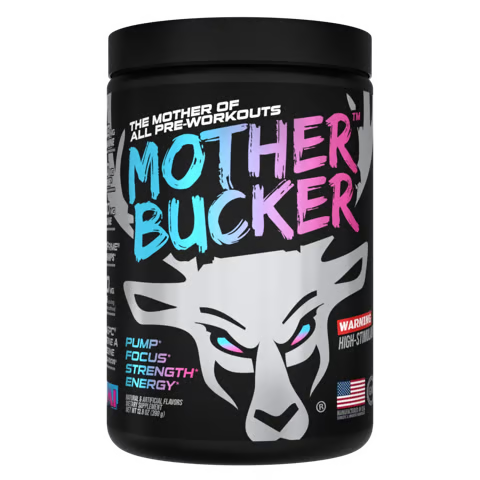
Bucked Up uses open labels that show exact doses, such as Mother Bucker’s 6.4g beta-alanine, Nitrosigine, and 400mg split caffeine formulation. If you want to avoid these red flags, choose Bucked Up’s transparent formulas.
Pre-Workout Formulas That Support Energy, Focus, Pump, and Endurance
Effective pre-workouts support four main training needs: energy for sustained intensity, focus for mind-muscle connection, pump for muscle engagement, and endurance for longer sessions.1
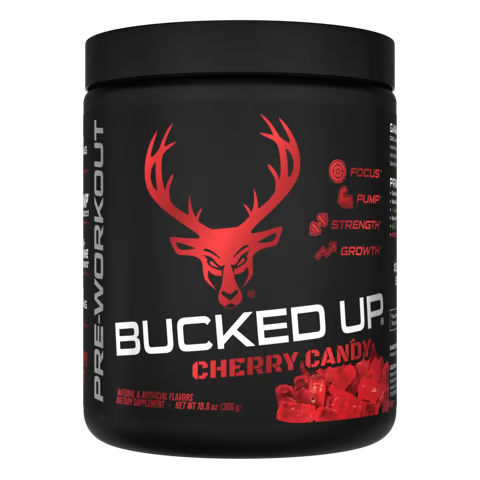
Bucked Up’s pre-workout lineup follows the quality criteria above with full ingredient disclosure, GMP manufacturing, and research-informed dosing. The comparison below shows how each formula scales caffeine and key ingredients for different experience levels.
| Product | Caffeine (mg) | Key Ingredients | Target User |
|---|---|---|---|
| Bucked Up | 200 | Citrulline Malate 6g, Beta-Alanine, AlphaSize | Beginners |
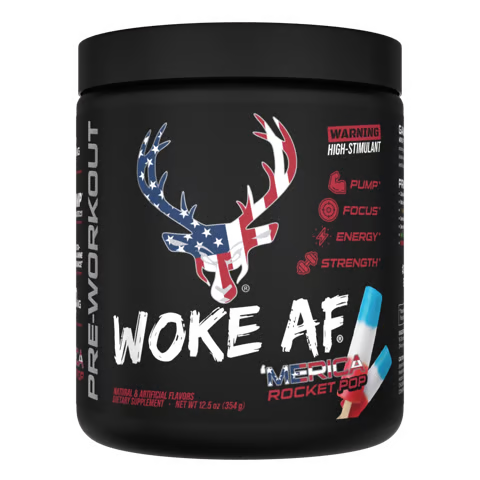
| Woke AF | 333 | Citrulline Malate, Synephrine, Dendrobium | Intermediate |
| Mother Bucker | 400 | Nitrosigine, Beta-Alanine 6.4g, HydroPrime | Advanced |
The standard Bucked Up formula provides 200mg caffeine with 6 grams of l-citrulline malate, beta-alanine, and AlphaSize for beginners. Woke AF delivers 333mg caffeine with synephrine for intermediate users, while Mother Bucker includes 400mg caffeine with Nitrosigine and HydroPrime for advanced athletes.
Choose the pre-workout that matches your experience level and training goals.
Simple At-Home and Online Checks for Your Supplements
You can run basic quality checks before and after you buy a supplement. Start by requesting Certificates of Analysis directly from manufacturers, since reputable companies share these documents without resistance. Then scan QR codes or lot numbers on the packaging to view batch-specific testing data on manufacturer websites.
Next, look at the product itself. Check that color and texture are consistent and that there are no unusual odors that could signal contamination or degradation. Confirm expiration dates and follow storage recommendations to help maintain product integrity.
Finally, track how your body responds. Note changes in energy, digestion, and performance to see whether a product delivers steady benefits without unwanted side effects.1
Frequently Asked Questions
What are NSF certified supplements?
NSF certified supplements go through third-party testing to confirm they contain the ingredients listed on the label in the stated amounts, are screened for contaminants like heavy metals and pesticides, and are made in facilities that follow FDA Good Manufacturing Practices.1 As mentioned in the criteria above, NSF Certified for Sport also screens for a broad list of banned substances, which supports athletes who need to avoid accidental doping violations.
What are the biggest red flags for bad supplements?
Major warning signs include proprietary blends that hide exact ingredient amounts, missing third-party testing documentation, artificial additives like synthetic dyes and sweeteners, cheap filler ingredients such as brown rice flour or magnesium stearate, incomplete or missing Certificates of Analysis, manufacturing in non-GMP facilities, unrealistic marketing claims without research support, and lack of proper lot tracking or expiration dates. These issues can point to weak quality control, underdosing, or higher contamination risk.
What supplements support peak performance?
Performance-focused supplements use transparent labels and research-backed ingredients at studied doses. Pre-workouts often include 6–8g citrulline malate for pump, 3.2–6.4g beta-alanine for endurance, 200–400mg caffeine for energy depending on tolerance, and nootropics like AlphaSize for focus.1 Look for products from GMP facilities with third-party testing and avoid proprietary blends that hide dosing.
How do I know if my supplements are good quality?
High-quality supplements list every ingredient with exact amounts, provide accessible Certificates of Analysis with purity and potency results, and carry third-party certifications from organizations such as NSF or USP. They are produced in FDA-registered GMP facilities, use more bioavailable ingredient forms instead of cheaper alternatives, include clear lot tracking and expiration dates, and come from companies that answer quality questions directly.1 Avoid products with proprietary blends, missing testing documents, or exaggerated claims.
How can I verify supplement purity and potency?
Verify quality by requesting Certificates of Analysis that show heavy metal results, microbial screening, and potency that matches label claims. Check third-party certifications through certifier websites, examine the product for consistent appearance, monitor your own response for effectiveness, and review manufacturer reputation, including FDA inspection records and any recalls.1 Companies that prioritize quality share testing information openly and keep standards consistent across batches.
Conclusion: Use a Clear Checklist to Support Performance
A structured checklist for certifications, cGMP compliance, COAs, transparent labeling, bioavailable forms, reputable sourcing, banned substance testing, verified testimonials, and solid packaging helps you choose supplements that support consistent performance.
Avoiding red flags such as proprietary blends, missing testing documents, artificial additives, and non-GMP manufacturing lowers the chance of ineffective or risky products. Bucked Up aligns with these quality markers through full ingredient disclosure, GMP-certified USA manufacturing, research-informed dosing, and accessible third-party testing.
Apply these steps to judge quality and consider Bucked Up to support energy, focus, pump, and endurance with clear standards for purity and potency.1
1 The content provided in this article is for informational purposes only and is not medical advice. Consult with a medical professional before implementing any changes to your diet, health, or exercise routines.
Individual results will vary and are based on a combination of each individual’s diet, exercise, age, and health circumstances.
These statements have not been evaluated by the Food and Drug Administration. This product is not intended to diagnose, treat, cure or prevent any disease.
This article was written by Ryan Gardner, CEO of Bucked Up. As the maker of Bucked Up pre-workout, we have a financial interest in this information. The views expressed are our own and should be read with that context in mind.