Last updated: April 16, 2026
Key Takeaways
- Most healthy adults can safely consume up to 400mg of caffeine daily, or roughly 2–4 cups of coffee. Pregnant women should limit intake to 200mg.
- Caffeine content varies widely: drip coffee (95–200mg/8oz), Red Bull (80mg/8.4oz), Bucked Up Energy (300mg/16oz).
- Genetics, body weight in lbs, and tolerance all affect safe intake. Track caffeine from every source to avoid jitters or crashes.
- Many modern energy drinks pair caffeine with nootropics such as TeaCrine and Dynamine to support focus and smoother energy.1
- Within a daily caffeine budget, Bucked Up Energy offers 300mg caffeine plus added performance ingredients for sustained energy.1
Quick Overview: Daily Caffeine Limits You Can Use
Your safe caffeine threshold sets the guardrails for every drink you choose. The Mayo Clinic reports that up to 400 milligrams of caffeine a day seems safe for most adults. Specific groups need lower limits to reduce the risk of side effects.
| Group | Safe Daily Limit |
|---|---|
| Adults | 400mg |
| Pregnant/Breastfeeding | 200mg |
| Adolescents | No more than 2.5 mg/kg/day for teens 13+ |
| Children | No safe daily caffeine limit for children under 12 |
These limits give you a starting point, but tolerance still varies with genetics, body weight in lbs, and daily habits. A full can of Bucked Up Energy contains 300mg of caffeine, so it should count as a major part of your daily budget.
Caffeine’s Shift From Coffee to Performance Drinks
The range of caffeine sources has expanded from simple coffee and tea to complex performance drinks. Many people now look for mental clarity and mood support along with basic energy.1 That shift has encouraged formulas that blend caffeine with nootropics.
Today’s performance energy drinks often combine caffeine with ingredients such as AlphaSize, TeaCrine, and Dynamine. These blends can change how long energy and focus last, but they still contribute to your total daily caffeine intake.1 Tracking the milligrams on the label remains essential for staying within your personal limit.
Safe Caffeine Limits for Different Groups
Safe caffeine intake depends strongly on age and life stage. The American College of Obstetricians and Gynecologists advises pregnant women to cap intake at 200 mg per day. This lower ceiling helps reduce potential risks to both parent and baby.
The American Academy of Pediatrics recommends that children under 12 avoid caffeine entirely and that teens 13 years or older stay below 2.5 mg per kg of body weight per day. The Mayo Clinic supports the 400 milligram range as a reasonable upper level for most adults. Knowing where you fall in these groups helps you set a realistic daily target.
Caffeine Content in Popular Drinks You Probably Reach For
Knowing how much caffeine sits in each drink helps you manage your daily total with confidence. Coffee can vary widely by brew method and serving size, so a “cup” is not always the same.
| Drink (Serving Size) | Caffeine Content (mg) |
|---|---|
| Coffee, Drip (8oz) | 95-200mg |
| Cold Brew (8oz) | 100-130mg |
| Espresso (1oz shot) | 60-80mg |
| Red Bull (8.4oz) | 80mg |
| Monster Energy (16oz) | 160mg |
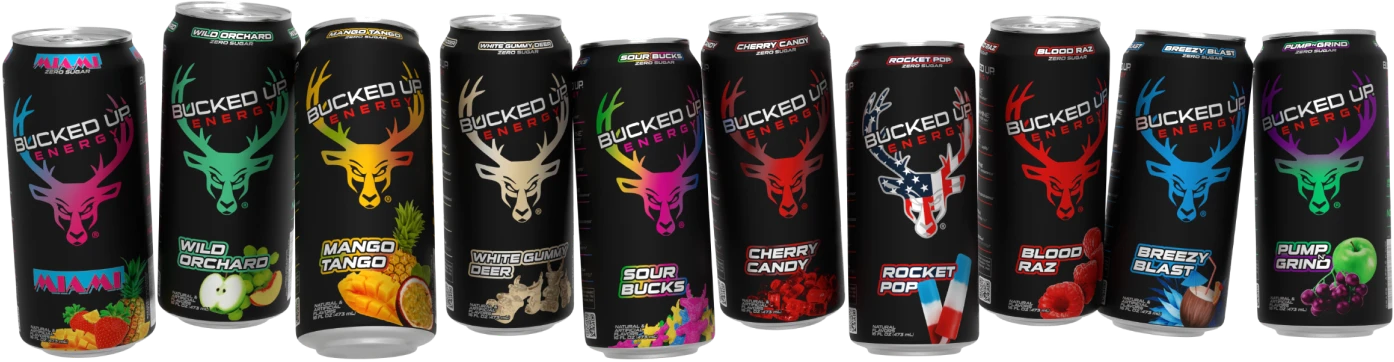
| Bucked Up Energy (16oz) | 300mg |
Consumer Reports highlights the large swings in caffeine content across coffee drinks. That variability makes label reading and basic tracking essential if you want to stay within your daily budget.
Find Bucked Up Energy near you
Personal Factors That Change Your Caffeine Limit
Your personal caffeine ceiling depends on more than age and general guidelines. Health authorities note that doses of 6 mg per kg of body weight or higher can trigger acute effects such as jitteriness, anxiety, or rapid heartbeat in some people, so staying well below that range is a safer approach for most.
Differences in the CYP1A2 gene create fast and slow caffeine metabolizers. Slower metabolizers often need lower daily totals to prevent caffeine from building up in their system. Regular caffeine use can also build tolerance to sleep-disrupting effects, so genetics and habit work together when you set a personal safe range.
How Caffeine Helps, Where It Falls Short, and Trade-offs
Caffeine can sharpen focus and support physical performance when you stay within your daily limit.1 Many people rely on it for demanding workdays, long drives, or intense training sessions. However, high intake can cause rapid heart rate, anxiety, jitters, insomnia, and digestive problems.1
Some energy drinks also pack in large amounts of sugar, which can create sharp spikes and crashes in energy. Bucked Up Energy uses a sugar-free formula and includes TeaCrine and Dynamine with its 300mg caffeine per can, which leaves room for smaller caffeine sources within your daily budget.1
Best Practices for Staying Safe While You Use Caffeine
Smart timing and basic hydration habits help you get more from the caffeine you already drink. Your body’s natural cortisol peaks during the first 90–120 minutes after waking, so waiting until that window passes can make your first dose of caffeine feel more effective. Once you are ready for caffeine, taking it with food instead of on an empty stomach can reduce digestive discomfort and blunt overly rapid absorption.
Spreading caffeine across the day and drinking enough water can support steady energy and fewer side effects. When you choose products for that spaced intake, look for options made in GMP-certified facilities, such as Bucked Up Energy Drinks, so each serving delivers consistent caffeine content. That consistency makes it easier to track your total for the day.
Energy Drink Comparison for Your Daily Caffeine Budget
Choosing an energy drink that fits your caffeine budget starts with the label. The comparison below shows how several brands distribute caffeine and which extra ingredients they include. Use it to see how a single can fits into your remaining daily allowance and how sugar or nootropics might affect your experience.
| Brand | Caffeine (mg) | Key Performance Ingredients | Other Factors to Consider |
|---|---|---|---|
| Bucked Up Energy | 300 | Nootropics such as TeaCrine and Dynamine | Sugar-free formula |
| Monster Energy | 160 | Taurine, B-vitamins | Contains sugar |
| Red Bull | 80 | Caffeine, taurine, B-group vitamins | Contains sugar |
| Celsius | 200 | MetaPlus blend: green tea, EGCG, caffeine, guarana, taurine, ginger | Varies by flavor and line |
Bucked Up delivers a higher caffeine amount per can than several competitors and pairs it with TeaCrine and Dynamine for added focus support.1 That combination can appeal to people who want a single, higher-caffeine drink instead of several smaller ones.
Common Caffeine Mistakes and Myths
Many people underestimate their total caffeine because they only count coffee or energy drinks. Tea, pre-workout supplements, soda, and even chocolate also add to your daily number. Very high doses over 600 mg in a short window can cause serious issues such as arrhythmias, elevated blood pressure, and intense anxiety.
The belief that “more caffeine equals more performance” can push intake into unsafe territory. Caffeine toxicity appears around 1,200 milligrams consumed quickly, which sits far beyond the range linked with useful performance benefits.
Supplement Stacks, Interactions, and Caffeine Safety
Caffeine often appears alongside other fitness supplements and usually combines safely. L-citrulline stacks well with caffeine in pre-workout formulas because it has no stimulant effect and does not interfere with nitric oxide production.1 Creatine also overlaps with caffeine without consistent harmful interactions, although some research suggests that caffeine may blunt creatine’s performance benefits during certain long-term protocols.1
Anyone taking prescription medications should talk with a healthcare provider before combining them with caffeine, especially drugs that affect the heart, blood pressure, or nervous system. That step helps you avoid interactions that general guidelines cannot fully predict.
Get crash-free energy at a store near you
Frequently Asked Questions
Is 600mg of caffeine a day safe?
No. A daily total of 600mg sits above the commonly recommended adult limit and raises the risk of heart palpitations, anxiety, and sleep problems. This amount also approaches levels linked with early signs of caffeine toxicity, so it should be avoided for routine use.
Is 300mg of caffeine a day too much?
For healthy adults, 300mg of caffeine per day usually falls within a reasonable range and stays below the established adult limit. One Bucked Up Energy Drink contains about this amount, so a single can can serve as your main caffeine source when you keep other sources modest.
Can I take L-citrulline with caffeine?
Yes. L-citrulline pairs safely with caffeine because it does not stimulate the central nervous system.1 This combination appears frequently in pre-workout products and performance-focused energy drinks.
Does caffeine interfere with Lexapro?
Caffeine can interact with SSRIs such as Lexapro by increasing feelings of anxiety or changing how the medication feels.1 Anyone using prescription medication should check with a healthcare provider before consuming higher amounts of caffeine.
What’s the caffeine content in energy drinks?
Energy drinks typically range from about 80mg to 300mg of caffeine per serving. Standard options such as Red Bull contain 80mg per 8.4oz can, while Bucked Up Energy Drink contains 300mg per 16oz serving. Reading labels helps you keep your total intake within your personal daily budget.
What are the side effects of too much caffeine?
Very high caffeine intake can cause jitters, anxiety, rapid heart rate, insomnia, headaches, digestive upset, and elevated blood pressure. In extreme cases, large doses can trigger heart palpitations or arrhythmias. Staying within the established adult limit lowers the chance of these problems.
Clear daily limits and basic tracking give you the tools to use caffeine for energy and performance while protecting your health. The established adult range leaves room for strategic use across coffee, energy drinks, and supplements, as long as you count every source. Bucked Up Energy Drinks provide a higher-caffeine option with added performance ingredients for people who want strong, sustained energy within those guidelines.
Shop safe energy options near you
1 The content provided in this article is for informational purposes only and is not medical advice. Consult with a medical professional before implementing any changes to your diet, health, or exercise routines.
Individual results will vary and are based on a combination of each individual’s diet, exercise, age, and health circumstances.
These statements have not been evaluated by the Food and Drug Administration. This product is not intended to diagnose, treat, cure or prevent any disease.
This article was written by Ryan Gardner, CEO of Bucked Up. As the maker of Bucked Up Energy Drinks, we have a financial interest in this information. The views expressed are our own and should be read with that context in mind.