Written by: Ryan Gardner, Owner, Managing Partner, CEO, Bucked Up | Last updated: April 21, 2026
Key Takeaways
- Most people see performance benefits from 150-400mg of pre-workout caffeine, adjusted for tolerance and body weight.1
- Bucked Up lists exact caffeine amounts: 200mg for beginners, 333mg for intermediates, 400mg for advanced users, plus 0mg stim-free options.
- Start with a lower dose and build up slowly to reduce jitters, crashes, and sleep issues, and take it 30-60 minutes before training.
- Ingredients like beta-alanine, citrulline, and AlphaSize can work with caffeine to support focus, pumps, and endurance.1
- Find your ideal dose with Bucked Up pre-workouts and choose a formula that matches your tolerance and training style.
Pre-Workout Caffeine Amounts Chart
The table below shows how Bucked Up pre-workouts cover a wide range of caffeine needs, from stim-free options to high-stim formulas for experienced users.
| Product | Caffeine Amount | Best For |
|---|---|---|
| Bucked Up | 200mg | Beginners, moderate tolerance |
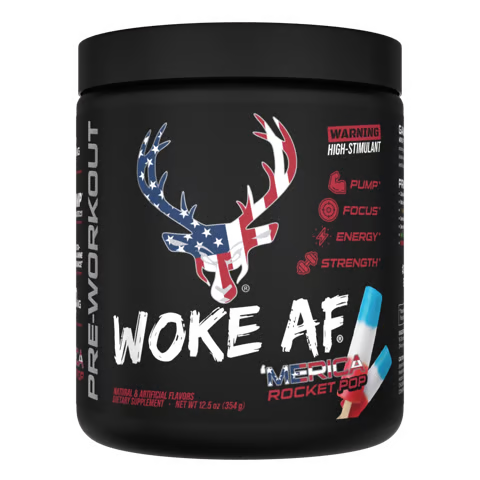
| Woke AF | 333mg | Intermediate users, higher tolerance |
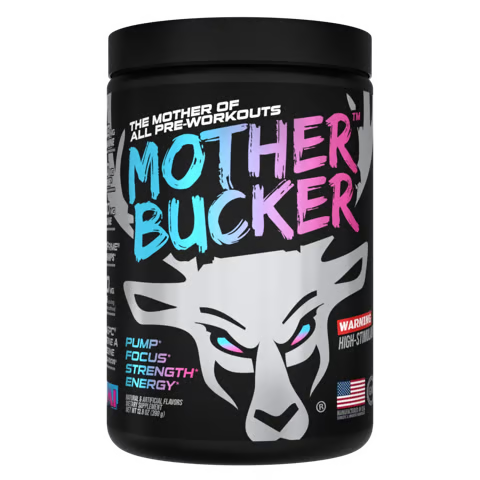
| Mother Bucker | 400mg (300mg anhydrous + 100mg delayed-release) | Advanced athletes, high tolerance |
| Non-Stim Pre-Workout | 0mg | Caffeine-sensitive users, evening workouts |
These formulations pair caffeine with ingredients such as AlphaSize® A-GPC for focus, taurine for cognitive support, and beta-alanine for endurance.1
Key Factors That Shape Your Ideal Pre-Workout Caffeine Amount
Individual caffeine tolerance varies widely based on experience, genetics, and daily intake. Caffeine-naive users benefit from starting with lower doses to see how they respond, while experienced users often need higher amounts to feel the same effects.1 Body weight also affects how much caffeine feels effective and manageable.
Sports nutrition research supports a range that can be scaled to body size. Applying this research-backed range to different body weights shows why individualization matters.
For a 150-pound individual, a practical range often falls around 200-400mg of caffeine. A 200-pound person may respond well to roughly 270-540mg, although staying near the lower end of that range helps many people avoid side effects. Timing also matters, because taking caffeine 30-60 minutes before exercise lines up peak absorption with your workout.
Many people wonder whether 200mg of caffeine in a pre-workout feels safe. For most individuals under 200 pounds, that amount fits within common guidelines when total daily intake stays reasonable. Doses of 300mg or 400mg suit people with established tolerance, as long as they watch their heart rate and keep overall daily caffeine in a safe range. Starting with half-scoops gives you a simple way to test your response and adjust.
Bucked Up Pre-Workouts: Matching Caffeine Levels To Your Experience
Starting with half-scoops and considering your body weight and tolerance helps you narrow in on a target range. With these factors in mind, Bucked Up’s lineup offers several clearly dosed options that align with different experience levels and goals.
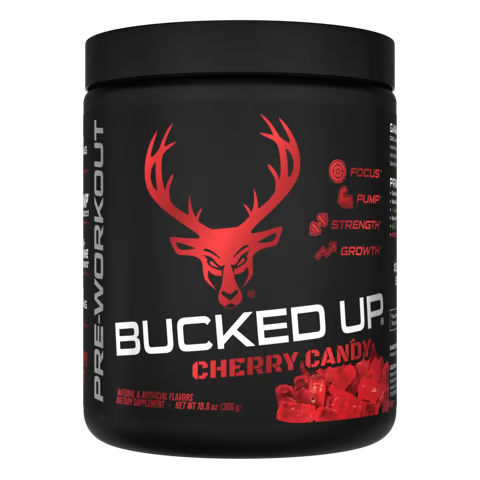
Bucked Up (200mg): This formula suits beginners and people with moderate caffeine tolerance. Medical reviews confirm 200mg increases power output and reduces physical and mental fatigue.1 The formula includes l-citrulline malate for muscle pumps and beta-alanine for endurance support.1
Woke AF (333mg): This option targets intermediate users who want a stronger mind-muscle connection and more intense sessions.1 In addition to the higher caffeine content, it includes dendrobium and synephrine HCI for extra stimulation.1 View product details.
Mother Bucker (400mg): Advanced athletes often choose this formula for the highest caffeine content in the lineup. The dose is split between 300mg anhydrous and 100mg delayed-release to support sustained energy.1 Nitrosigine® and Hydroprime® are included to support pumps and prolonged performance.1 View product details.
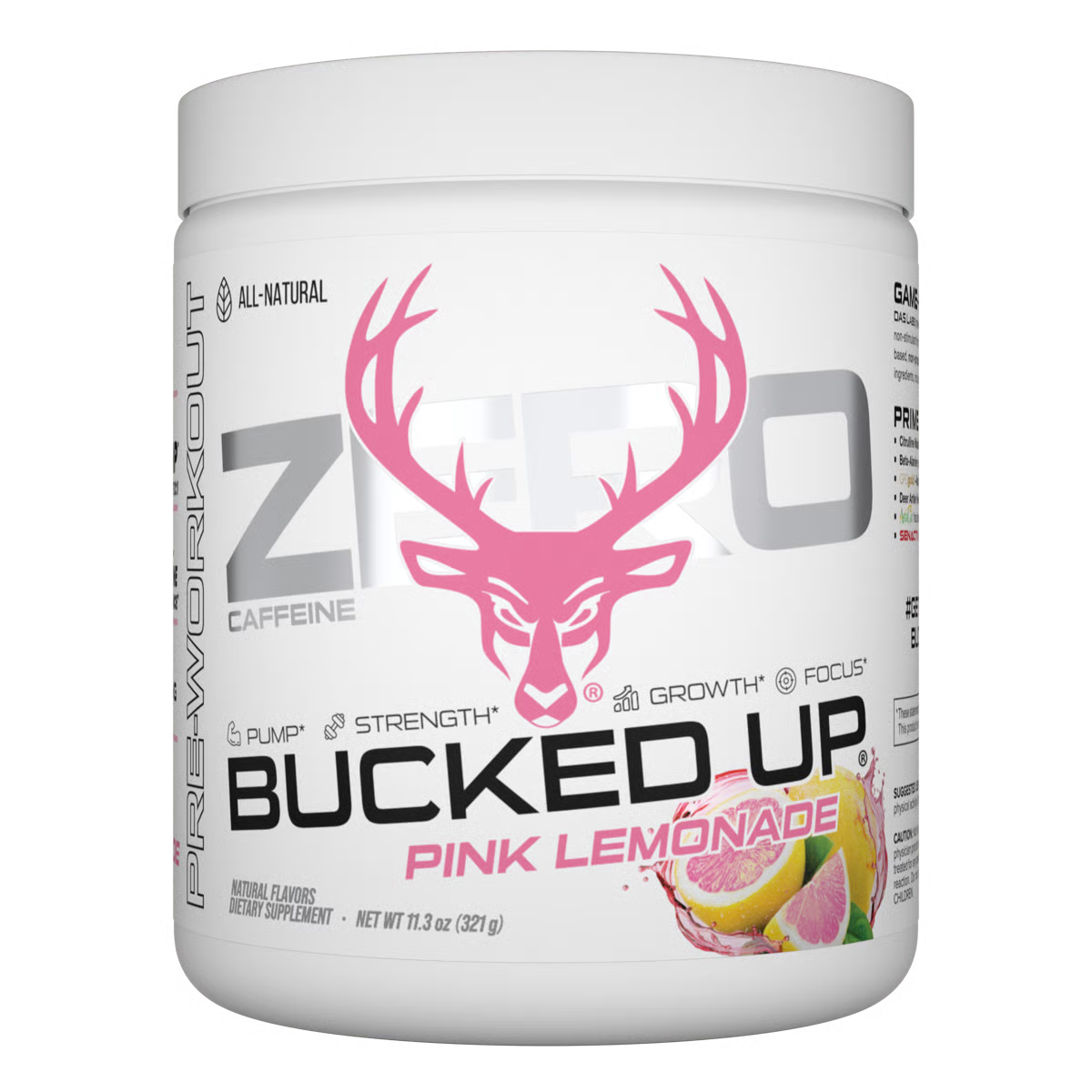
Additional Options: The Non-Stim Pre-Workout supports energy, focus, pump, and endurance without caffeine1, which helps caffeine-sensitive users or anyone who trains later in the day. Specialized formulas like LFG, BAMF, and Babe focus on specific goals while keeping ingredient amounts transparent. Explore caffeine-free and specialized options that fit your schedule, goals, and stimulant tolerance.
Safe Pre-Workout Caffeine Dosage Tips and Common Questions
Gradual increases in caffeine help you avoid side effects while still gaining performance benefits.1 Start with lower doses and increase them over several weeks instead of jumping straight to the highest scoop size. This gradual approach works especially well with pre-workout supplements, which often combine caffeine with ingredients that support smoother, longer-lasting energy compared with coffee alone.1
Remember that the 400mg daily limit mentioned earlier applies to all caffeine sources combined, not just your pre-workout. The right amount before a workout depends on your body weight, tolerance, and other caffeine intake that day, but many people land between 150-400mg when they dial it in. Caffeine-sensitive individuals often feel better with 100-200mg or with stimulant-free alternatives.
Bucked Up products are manufactured in USA GMP-certified facilities, which supports consistent quality and accurate dosing.
Conclusion: Turning Caffeine Guidelines Into A Practical Plan
Effective pre-workout caffeine amounts usually fall between 150-400mg, shaped by your tolerance, body weight in lbs, and training experience. Bucked Up’s clearly labeled lineup helps you choose between 200mg, 333mg, 400mg, and stim-free options without guessing how much caffeine you are taking. Find your optimal caffeine dose in Bucked Up’s transparent lineup.
Frequently Asked Questions
What happens if I take too much caffeine in my pre-workout?
Very high caffeine intake can cause jitters, anxiety, rapid heartbeat, nausea, and trouble sleeping.1 Doses that exceed 400mg daily or reach around 9mg per kg of body weight raise these risks without adding performance benefits.1 Start with a lower dose, increase slowly, and pay attention to how your body feels during and after training.
How do I choose the right Bucked Up pre-workout caffeine level?
Your current caffeine tolerance and body weight provide a useful starting point. New users or people who feel sensitive to stimulants can begin with Bucked Up (200mg). Regular coffee drinkers or those with a solid tolerance may step up to Woke AF (333mg). Advanced athletes with high tolerance sometimes prefer Mother Bucker (400mg). Anyone avoiding caffeine altogether can use the Non-Stim option.
Can I take pre-workout if I already drink coffee daily?
You can, as long as you track your total caffeine intake and keep it within a safe range. If you drink two cups of coffee, which often adds up to about 200mg, then a 200mg pre-workout would bring you close to 400mg for the day. Space out your coffee and pre-workout, choose a lower-caffeine scoop, or pick a stim-free product if you are near your limit.
Why does Bucked Up show exact caffeine amounts when some other brands do not?
Bucked Up lists exact ingredient amounts instead of hiding them in proprietary blends. This approach helps you see how much caffeine you get per serving, track your total daily intake, and adjust your dose based on your goals and tolerance. Some other products can use proprietary blends, which makes it harder to know the exact amount of each ingredient.
When should I take my pre-workout for effective caffeine timing?
Take your pre-workout about 30-60 minutes before exercise so peak caffeine levels line up with your training. Caffeine usually reaches its highest concentration in the blood at around 45 minutes. Taking it too early can cause the effects to fade during your workout, while taking it right before you start may delay the full benefits until later in the session.
1 The content provided in this article is for informational purposes only and is not medical advice. Consult with a medical professional before implementing any changes to your diet, health, or exercise routines.
Individual results will vary and are based on a combination of each individual’s diet, exercise, age, and health circumstances.
These statements have not been evaluated by the Food and Drug Administration. This product is not intended to diagnose, treat, cure or prevent any disease.
This article was written by Ryan Gardner, CEO of Bucked Up. As the maker of Bucked Up pre-workout, we have a financial interest in this information. The views expressed are our own and should be read with that context in mind.