Written by: Ryan Gardner, Owner, Managing Partner, CEO, Bucked Up | Last updated: April 21, 2026
Key Takeaways
- Safe pre-workouts use transparent labels, moderate caffeine (200-400mg daily), and GMP manufacturing to reduce jitters, crashes, and health risks.
- Proprietary blends hide ingredient amounts, which can increase the risk of overstimulation, anxiety, and banned substances, so fully disclosed formulas are safer choices.
- Bucked Up offers a tolerance ladder from 0mg Non-Stim to 400mg Mother Bucker, so users can match their sensitivity level with ingredients like L-citrulline and beta-alanine.
- Safe options include Bucked Up (200mg), Woke AF (333mg), and stimulant-free formulas that support pumps, focus, and endurance with fewer side effects.1
- Experience jitter-free performance with Bucked Up pre-workouts, which feature full transparency and USA-made quality.1
The Problem: Why Safe Pre-Workouts Matter
Unsafe pre-workouts create significant health risks through hidden ingredients and excessive stimulants. Pre-workout jitters manifest as shakiness, restlessness, or feeling “wired,” typically from surpassing personal caffeine tolerance. This threshold is easy to exceed when some pre-workouts contain as much as 387 mg of caffeine per serving, equivalent to 2 to 4 cups of coffee, which can cause anxiety, high blood pressure, and insomnia.
Proprietary blends compound these risks by concealing actual ingredient amounts, which makes it hard to judge safety or effectiveness. Supplement labels with wording such as “proprietary blend,” “extreme focus blend,” or “testosterone boosting” are red flags that signal a higher risk of containing prohibited substances.
To evaluate whether a pre-workout is safely dosed, compare its label to these research-backed ranges for core performance ingredients.
| Ingredient | Safe Dose Range | Purpose | Source |
|---|---|---|---|
| Caffeine | 200-400mg daily | Energy & Focus | Garage Gym Reviews |
| L-Citrulline Malate | 6-8g | Pump & Endurance | Garage Gym Reviews |
| Beta-Alanine | 2-5g | Muscular Endurance | BarBend |
Safe pre-workouts provide sustained energy, better focus, strong muscle pump, and improved endurance while reducing crashes and health risks linked to excessive stimulants or undisclosed ingredients.1
The Solution: Bucked Up’s Safe Pre-Workout Tolerance Ladder
The safety criteria above, such as transparent labeling, moderate caffeine, and quality manufacturing, point toward a structured approach. Bucked Up addresses these needs through complete transparency, GMP-certified USA manufacturing, popular flavors, and a clear tolerance progression. The company’s ladder approach helps users build stimulant tolerance more safely while keeping performance benefits.1
Here is how to match your current stimulant tolerance level to the right Bucked Up formula.
| Product | Caffeine (mg) | Target User | Key Benefit |
|---|---|---|---|
| Non-Stim | 0 | Stim-sensitive/Evening | Pump without stimulants |
| Bucked Up | 200 | Beginners | Balanced energy & focus |
| Woke AF | 333 | Intermediate | Enhanced mind-muscle connection |
| Mother Bucker | 400 | Advanced | Maximum performance |
Beyond this core tolerance ladder, Bucked Up offers specialized formulas for specific goals. Additional options include Babe, which is designed for women with natural caffeine and beauty ingredients, LFG, which combines performance support with fat burning, and BAMF, which focuses on cognitive enhancement.1 Each formula keeps transparent labeling with exact ingredient amounts so users can control stimulant intake more precisely.
Get Bucked Up for safe workouts.
Top 8 Safest Pre-Workouts 2026: Transparent Options
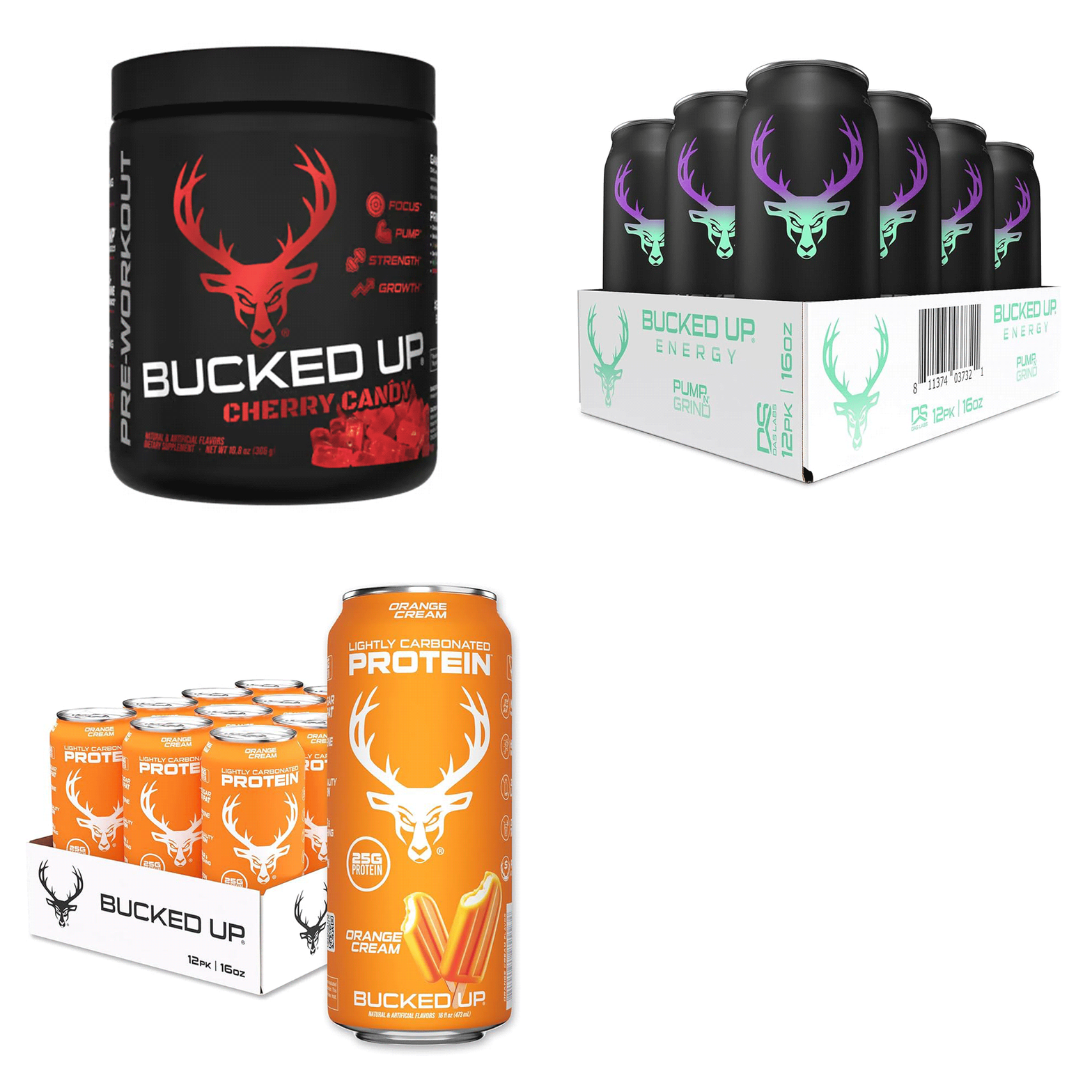
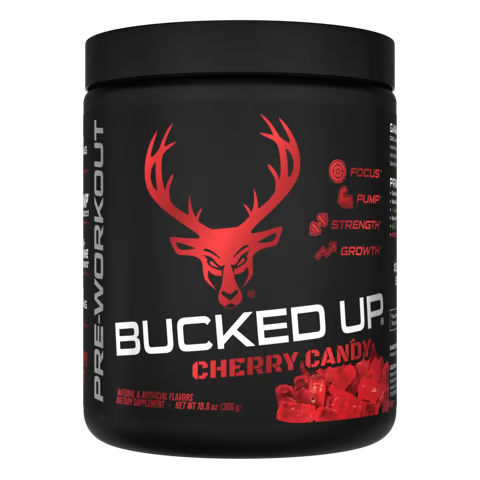
1. Bucked Up Pre-Workout
This formula uses research-backed amounts of L-citrulline malate and beta-alanine to support pump and endurance.1 It suits beginners who want balanced energy, focus, and performance support.1 Users often mention moderate energy without jitters and a wide flavor variety with over 20 options.1
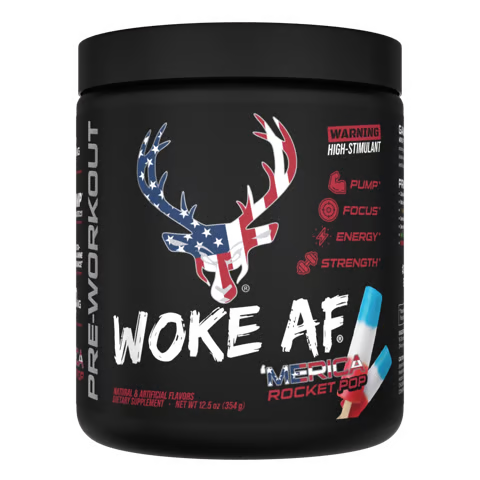
2. Woke AF
This pre-workout features 333mg caffeine for users with higher stimulant tolerance. It includes ingredients such as dendrobium and synephrine for stronger energy and focus, which appeals to intermediate users seeking a more intense mind-muscle connection.1
3. Mother Bucker
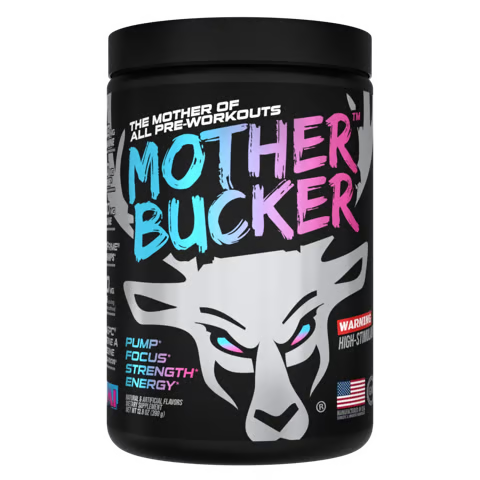
Mother Bucker uses 400mg total caffeine, with 300mg immediate and 100mg delayed-release. It also includes 6.4g beta-alanine and Nitrosigine to support strong pump and prolonged energy for experienced users who already handle higher stimulant levels.1
4. Bucked Up Non-Stim
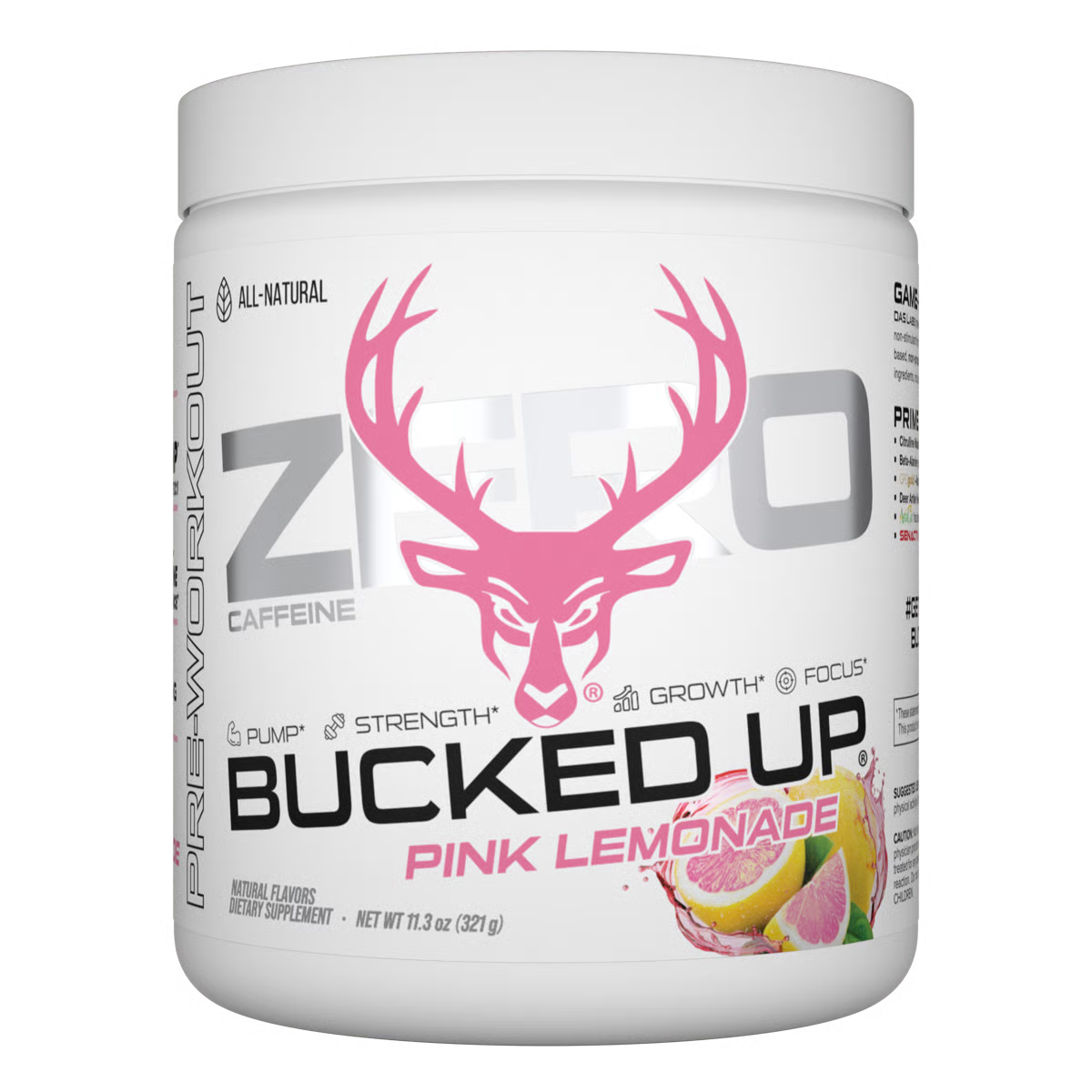
This stimulant-free option supports pump, focus, and endurance through L-citrulline malate, AlphaSize, and beta-alanine without caffeine.1 It fits evening workouts, stimulant-sensitive users, and people cycling off caffeine while keeping workout intensity.
This comparison table highlights how Bucked Up stacks up against other transparent, research-focused brands on caffeine level, label clarity, and manufacturing standards.
| Brand | Caffeine (mg) | Transparency | GMP USA |
|---|---|---|---|
| Bucked Up | 200 | Full disclosure | Yes |
| Transparent Labs | 200 | Full disclosure | Yes |
| Legion Pulse | 350 | Full disclosure | Yes (GMP) |
| Naked Energy | 200 | Full disclosure | Unverified |
5. Bucked Up Babe
Bucked Up Babe is designed for women and uses natural caffeine sources along with added beauty ingredients such as hyaluronic acid and biotin. It supports energy and performance while also targeting hair, skin, and nail health.1
6. Bucked Up LFG
LFG combines pre-workout performance support with ingredients that support fat burning.1 It suits users who want energy, focus, and pump while also working toward body composition goals.
7. Bucked Up BAMF
BAMF focuses on cognitive enhancement with ingredients that support mental clarity and focus.1 It targets lifters and athletes who want strong mind-muscle connection and alertness during training.
8. Third-Party Tested Alternatives
Select third-party tested options such as Transparent Labs Bulk and Legion Pulse also provide transparent labels and research-backed formulas. These products can appeal to users who want non-proprietary blends and clear dosing similar to Bucked Up’s approach.
Common Concerns and How Bucked Up Helps
Caffeine Sensitivity: Non-Stim and standard Bucked Up options with 200mg caffeine support users who feel sensitive to stimulants. Starting with half servings and gradually building tolerance can reduce side effects. This gradual approach pairs well with the Bucked Up tolerance ladder.
Heart Safety: Moderate caffeine levels and avoiding banned substances can reduce cardiovascular risks. Bucked Up’s transparent formulas let users track total daily stimulant intake from pre-workouts, coffee, and other sources.
Taste Concerns: Many users dislike bitter or chemical-tasting pre-workouts. Reviews note that Bucked Up offers a large flavor lineup with consistently positive taste feedback, which helps users stay consistent with their routine.
Ingredient Uncertainty: Full ingredient disclosure removes guesswork about proprietary blends. This clarity supports informed decisions about stimulant intake, potential interactions, and how each ingredient fits personal goals.
Shop transparent, safe pre-workouts that match your tolerance level.
Frequently Asked Questions
What is a safe pre-workout option for beginners?
Bucked Up Pre-Workout works as a practical starting point with 200mg caffeine, transparent ingredient disclosure, and balanced performance support.1 The moderate stimulant level helps beginners assess tolerance while they experience energy, focus, pump, and endurance benefits.1 Users can start with half servings to further reduce the chance of side effects.
Are pre-workouts safe for women?
Pre-workouts can be safe for women when formulas and doses stay within reasonable limits. Bucked Up Babe targets women with natural caffeine sources and added beauty ingredients like hyaluronic acid and biotin. The standard Bucked Up formula also suits women who want moderate stimulation. Key steps include starting with appropriate doses, avoiding very high caffeine intake, and choosing transparent formulas.
What are effective stimulant-free pre-workout options?
Bucked Up Non-Stim offers performance support without caffeine through L-citrulline malate for pump, beta-alanine for endurance, and AlphaSize for focus.1 This option fits evening training sessions, stimulant-sensitive individuals, and people taking breaks from caffeine while still training hard.
How much caffeine is generally considered safe in pre-workouts?
Research supports staying under 400mg total daily caffeine from all sources. For pre-workouts, 200-300mg per serving often provides performance benefits with a lower risk of side effects. Individual tolerance varies, so starting with lower doses and slowly increasing intake helps build tolerance while users monitor how they feel.
How do pre-workouts compare to energy drinks for safety?
Pre-workouts such as Bucked Up can offer safety advantages through transparent labeling, performance-focused ingredients, and controlled dosing.1 Many energy drinks contain added sugar and undisclosed stimulant blends, which make total intake harder to track. Quality pre-workouts focus on pump, focus, and endurance while allowing more precise caffeine management.
Conclusion: Choosing Safe Pre-Workouts with Confidence
Safe pre-workouts rely on transparency, appropriate dosing, and strong manufacturing standards. Bucked Up addresses common safety concerns through complete ingredient disclosure, GMP-certified USA production, and a clear tolerance progression from stimulant-free to advanced formulas. This mix of effective doses, flavor variety, and transparent labeling creates a solid base for safe, sustainable performance support.1
Start with the right formula for your tolerance level—elevate safely.
1 The content provided in this article is for informational purposes only and is not medical advice. Consult with a medical professional before implementing any changes to your diet, health, or exercise routines.
Individual results will vary and are based on a combination of each individual’s diet, exercise, age, and health circumstances.
These statements have not been evaluated by the Food and Drug Administration. This product is not intended to diagnose, treat, cure or prevent any disease.
This article was written by Ryan Gardner, CEO of Bucked Up. As the maker of Bucked Up pre-workout, we have a financial interest in this information. The views expressed are our own and should be read with that context in mind.