Last updated: April 17, 2026
Key Takeaways
- Coffee typically delivers 80-200mg of caffeine per cup for rapid energy but often causes jitters and crashes. Tea usually provides 15-70mg with smoother effects because of L-theanine.
- L-theanine in tea promotes alpha brain waves for calm focus and helps counter caffeine’s overstimulation, unlike coffee’s fast spike.
- Processing differences such as coffee roasting and tea oxidation help explain how each drink’s caffeine absorbs and feels in your body.
- For demanding tasks, tea or coffee alone may fall short. Hybrids that combine higher caffeine with L-theanine, TeaCrine®, and AlphaSize® can support longer, more focused performance.1
- Experience Bucked Up’s no-crash hybrid with 300mg caffeine plus tea-like smoothness for high-level performance support.1
Quick Comparison: How Each Drink Feels in Your System
The table below shows how caffeine content and absorption patterns shape the energy, focus, and crash risk you feel from each option.
| Beverage | Caffeine (mg/8oz) | Absorption/Effects | Crash Risk |
|---|---|---|---|
| Drip Coffee | 95-120mg | Fast spike, jitters | High |
| Black Tea | 40-70mg | Slower rise, L-theanine smoothing | Low |
| Green Tea | 20-45mg | Gentle, sustained | Very Low |
| Bucked Up Energy | 300mg + L-theanine | High power with smoother feel1 | Minimal1 |
Coffee usually delivers more caffeine per cup than tea, while tea’s L-theanine helps smooth out stimulation and supports steadier energy.
Caffeine Content Breakdown by Drink Type
The next table breaks down average caffeine amounts so you can see how your usual cup compares to more concentrated options like espresso.
| Type | Average mg/8oz | Varieties |
|---|---|---|
| Drip Coffee | 95mg | Arabica (lower), Robusta (higher) |
| Espresso | 63mg/fl oz | Single shot standard |
| Black Tea | 47mg | Earl Grey, English Breakfast |
| Green Tea | 29mg | Sencha, Matcha (higher) |
| Instant Coffee | 62mg | Freeze-dried varieties |
Black tea often contains 40-70mg of caffeine per cup because of full oxidation and longer steeping, while an 8-ounce cup of brewed coffee usually has 80–100 mg of caffeine, though real cups can range from about 30 to over 200 mg depending on bean type, roast, brew method, and other factors. Coffee beans go through roasting, which concentrates caffeine, while tea leaves keep more natural compounds that can slow absorption and soften the impact.
Raw caffeine numbers only tell part of the story. How your body processes that caffeine explains why the same dose can feel edgy from coffee yet smoother from tea.
Why Coffee and Tea Feel Different in Your Body
Coffee’s caffeine blocks adenosine receptors quickly, which creates an immediate energy spike that can trigger anxiety and jitters. Tea contains L-theanine, an amino acid that increases alpha-wave generation within 45 minutes, improving attention while lowering tension. This contrast in ingredients drives the core difference in how each beverage feels.
A 2025 randomized controlled trial found that 200mg L-theanine plus 160mg caffeine improved reaction time by 52ms compared to placebo’s 14ms. That result shows how pairing caffeine with L-theanine can sharpen focus while keeping overstimulation in check.
TeaCrine®, a compound similar to those found in tea, works alongside caffeine to support steady energy without the same tolerance buildup seen with caffeine alone.1 Bucked Up uses this style of synergy at coffee-level strength, delivering 300mg of caffeine alongside L-theanine and TeaCrine® to support strong yet smoother energy and help reduce harsh crashes.1
Health & Performance: How Each Option Supports You
Regular tea consumption has been linked to potential benefits including antioxidants, which support cellular health. Coffee offers similar antioxidant support through different compounds and can enhance cognitive performance. That extra mental boost can come with a tradeoff, since coffee may increase anxiety in people who are more sensitive to caffeine.
Bucked Up includes L-theanine for calm focus, AlphaSize® for memory and learning support, and Dynamine™ for mood and alertness.1 This combination aims to support both performance and a smoother energy experience.1 Explore Bucked Up Energy Drinks or find a nearby retailer to see which option fits your routine.
Who Each Option Fits Best in Everyday Life
The table below outlines how tea, coffee, and Bucked Up can fit different lifestyles, from study sessions to long shifts.
| User Type | Tea (15-70mg) | Coffee (30-200+mg) | Bucked Up |
|---|---|---|---|
| Students/Professionals | Gentle, may lack power | Strong but jittery | 300mg + focus-supporting ingredients1 |
| Construction/Shift Workers | Often insufficient for long shifts | Powerful but crash-prone | Designed for more sustained energy1 |
| Event-Goers/Social | Mild, social-friendly | Can increase anxiety | Energy plus mood support1 |
For long, demanding situations that call for steady focus and energy, Bucked Up’s flagship formula aims to deliver strong stimulation with a smoother feel.1 The LFG line offers 160mg of caffeine with added fat-burning support1, while Babe provides 150mg of natural caffeine in a formula developed with women in mind.
Tradeoffs & Limitations Across Coffee, Tea, and Energy Drinks
Coffee delivers potent energy but often brings jitters and a noticeable crash. Tea solves much of the crash problem with gentle, sustained energy, yet it can feel too mild for heavy workloads or long nights. Many commercial energy drinks try to land between those two extremes, then introduce a new issue with high sugar and artificial ingredients that can work against long-term performance goals.
Bucked Up uses a transparent label and USA manufacturing to show exactly what you are drinking. Review the full supplement facts panel to see disclosed ingredient amounts and how each can support your energy and focus.1
Best No-Crash Alternatives: Where Bucked Up Fits In
Bucked Up Energy Drinks move beyond a simple tea-versus-coffee choice by combining higher caffeine with nootropics and mood-supporting ingredients.1 The flagship formula pairs 300mg of caffeine with L-theanine, TeaCrine®, AlphaSize®, and Dynamine™ for a more complete performance profile.1
This hybrid approach brings fast, noticeable energy together with a smoother, more controlled feel, plus added cognitive support not typically found in standard coffee or tea.1 The result is a clean, powerful energy experience that supports both mental and physical performance while helping reduce the usual downsides of relying on coffee or tea alone.1 Check out the Bucked Up Energy lineup to see flavor and formula options.
Frequently Asked Questions
How much caffeine is in tea vs coffee?
Coffee usually contains significantly more caffeine than tea. An 8-ounce cup of brewed coffee often has 80–100 mg of caffeine, though real cups can range from about 30 to over 200 mg depending on bean type, roast, brew method, and other factors, while black tea typically contains 40-70mg, green tea has 20-45mg, and white tea provides about 6-55 mg of caffeine per 8-ounce cup. Espresso delivers about 63mg per fluid ounce, so even small servings feel strong.
Why doesn’t tea cause jitters like coffee?
Tea contains L-theanine, an amino acid that promotes alpha brain waves and increases GABA production, which helps counter caffeine’s stimulating effects. This combination supports smooth, sustained energy without the anxiety or jitters many people associate with coffee. L-theanine in tea essentially changes how your body and brain respond to caffeine.
What is a good option for sustained energy without crashes?
Bucked Up Energy Drinks can stand out for people who want strong yet smoother energy by combining 300mg of caffeine with L-theanine, TeaCrine®, and other performance-supporting ingredients.1 This blend aims to deliver coffee-level stimulation with a more controlled, tea-like feel plus added cognitive support.1 The LFG formula offers 160mg of caffeine with fat-burning support, while Babe provides 150mg of natural caffeine in a formula created for women. Browse the full product lineup to compare options.
How much caffeine do Bucked Up Energy Drinks contain?
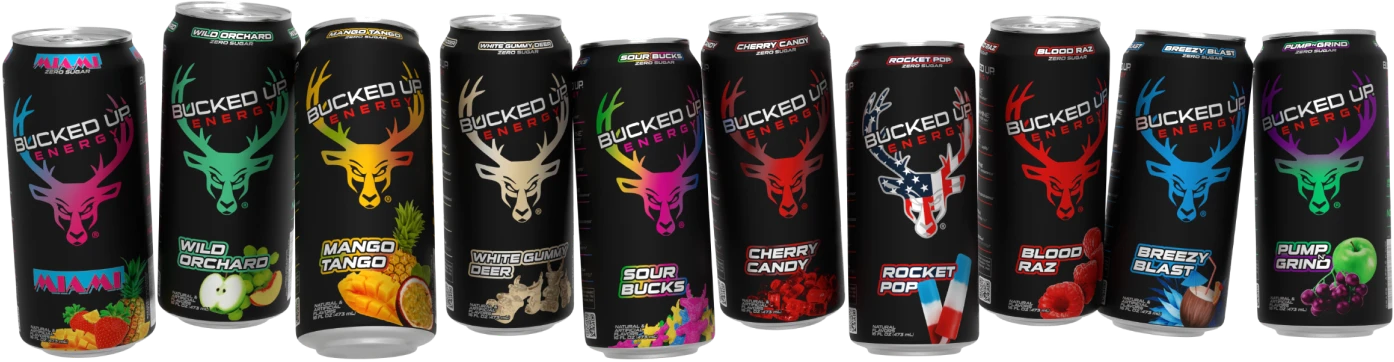
Bucked Up offers three main caffeine levels. The flagship Energy Drink contains 300mg, LFG Energy provides 160mg with added fat-burning compounds, and Babe Energy delivers 150mg of natural caffeine. All formulas include L-theanine and other nootropics to support enhanced performance and smoother energy delivery.1 See detailed supplement facts for each drink.
Can I switch from coffee to tea to reduce caffeine intake?
Switching from coffee to tea can significantly reduce daily caffeine intake because tea usually contains about half the caffeine of coffee. Black tea provides the highest caffeine content among common teas, which makes it a practical first step when cutting back. Green tea offers even less caffeine for people who want a further reduction. This gradual shift can help ease withdrawal symptoms while still providing some energy support.
Conclusion
Tea tends to offer smoother, gentler energy, while coffee delivers stronger, faster stimulation, yet neither fully covers the performance needs many people face today. Bucked Up Energy Drinks aim to bridge that gap with blends that combine higher caffeine, tea-like smoothness, and added cognitive support.1 This hybrid approach can power work, training, and daily life while helping you avoid the harsh crashes that often follow traditional caffeine sources.1 Discover Bucked Up Energy Drinks and choose the formula that fits your goals.
1 The content provided in this article is for informational purposes only and is not medical advice. Consult with a medical professional before implementing any changes to your diet, health, or exercise routines.
Individual results will vary and are based on a combination of each individual’s diet, exercise, age, and health circumstances.
These statements have not been evaluated by the Food and Drug Administration. This product is not intended to diagnose, treat, cure or prevent any disease.
This article was written by Ryan Gardner, CEO of Bucked Up. As the maker of Bucked Up Energy Drinks, we have a financial interest in this information. The views expressed are our own and should be read with that context in mind.