Written by: Ryan Gardner, Owner, Managing Partner, CEO, Bucked Up | Last updated: April 21, 2026
Key Takeaways
- Independent third-party labs verify supplement purity, potency, and safety, screening for contaminants like heavy metals, microbes, and banned substances because FDA does not require pre-market approval.1
- Widely used certifications include NSF Certified for Sport for banned substances, USP Verified for potency and purity, and Informed Choice for frequent batch testing that fits pre-workouts.
- Pre-workouts carry higher risk for athletes due to undeclared stimulants that can trigger failed drug tests, so certification seals, COAs, and non-proprietary labels matter.
- Warning signs include missing COAs, exaggerated claims, very low prices, and poor transparency, while GMP manufacturing offers baseline quality control.
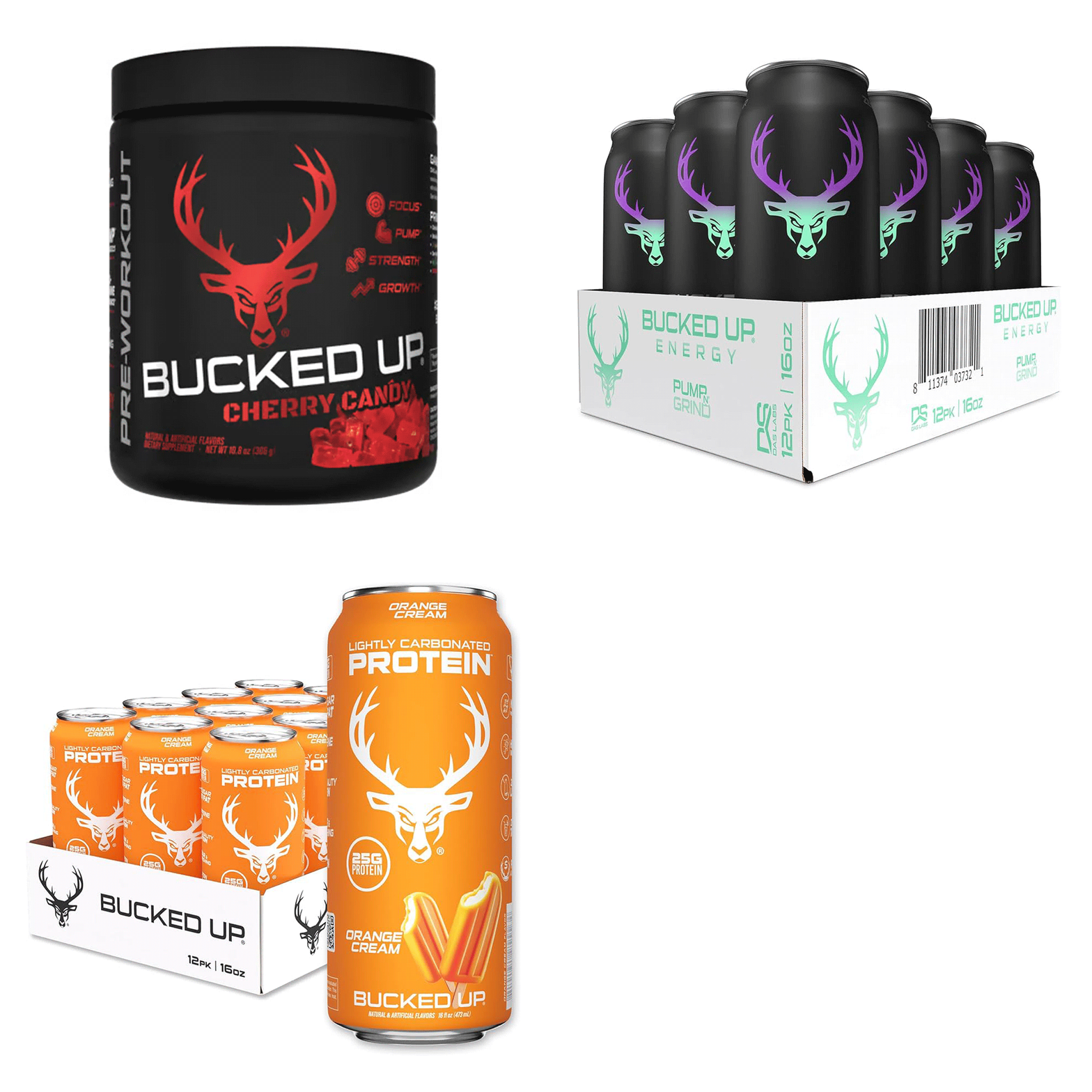
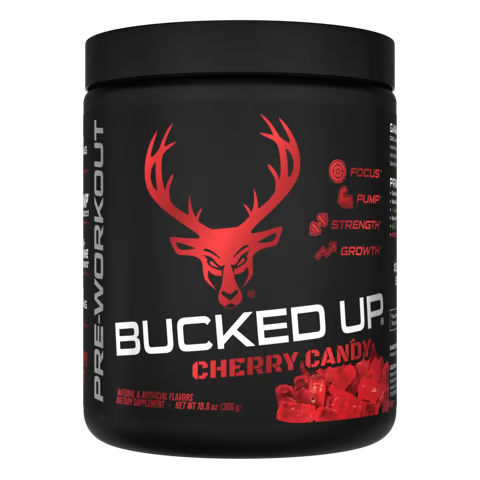
- For consistent pre-workout performance with disclosed ingredients, choose Bucked Up’s transparent, GMP-made formulas with clearly listed dosages such as 200mg caffeine and 4g L-Citrulline.1
Industry Landscape: Why Supplement Trust Is So Fragile
The dietary supplement industry operates with significant regulatory gaps that create real risks for fitness enthusiasts. FDA’s 2026 priority deliverables focus on new dietary ingredient notifications rather than mandatory testing, which leaves consumers exposed.1 Research shows 28% of uncertified supplements contain undeclared drugs that can cause positive drug tests or health issues. The agency’s post-market approach means contaminated products often reach consumers before recalls occur.1 Amazon’s 2026 supplement rules now require approved third-party testing for platform sales, reflecting growing industry pressure for stronger verification standards.
What Third-Party Supplement Testing Actually Covers
Third-party supplement testing uses independent laboratories to analyze finished products for purity, potency, and safety without manufacturer control over results. These labs screen samples against panels of more than 260 contaminants, including heavy metals, microbes, pesticides, and banned substances. The process includes identity checks to confirm ingredients match labels, potency testing to validate dosage claims, and contamination screening for harmful compounds. Independent verification gives consumers unbiased data they can use when judging pre-workout safety and effectiveness.1
Top Third-Party Certifications and What They Mean
Four major certification programs shape most supplement testing, and each one uses different testing depth and pricing, which affects how many products carry its seal.
| Certification | Focus | Pros | Cons/Cost |
|---|---|---|---|
| NSF Certified for Sport | Banned substances (290+), label claims | Athlete-safe, batch audits | $15,000 to over $30,000 per product line |
| USP Verified | Potency/purity | GMP audits | No banned substance focus |
| Informed Choice/Sport | Monthly batch, WADA | Pre-workout ideal | Ongoing fees |
| BSCG/Labdoor | 450+ drugs/contaminants | Broad anti-doping | Lot-specific |
Why Testing Matters So Much for Pre-Workouts & Athletes
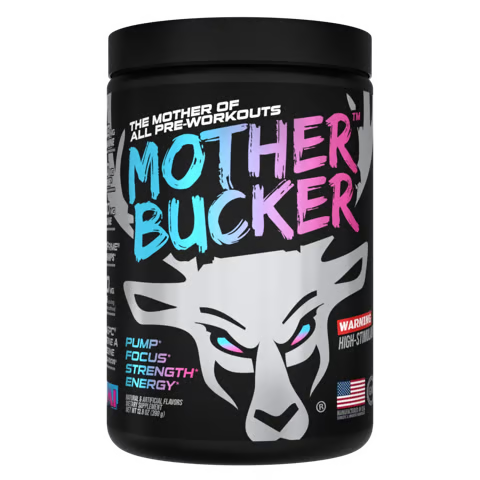
Pre-workouts carry unique contamination risks because they often combine stimulants with performance-focused ingredients.1 Undeclared stimulants can cause failed drug tests for competitive athletes and create unexpected side effects.1 Heavy metal contamination can reduce endurance capacity and impact long-term health.1 Underdosed formulations leave users without expected pump or energy benefits, which wastes money and weakens workout quality.1 Sports nutrition experts recommend third-party testing as the first line of defense against banned substances. Bucked Up addresses these concerns through transparent labeling that lists exact amounts, such as 4g L-Citrulline in Mother Bucker and 200mg caffeine in standard Bucked Up, produced in USA GMP facilities. Get contamination-conscious pre-workouts with clearly stated dosages.
How to Confirm a Supplement Is Third-Party Tested
Shoppers can confirm third-party testing by looking for a few specific verification markers. Start with certification seals such as NSF holograms or USP marks printed directly on product packaging. Then request certificates of analysis, or COAs, or batch reports from manufacturers that list testing dates, lot numbers, and lab information. Next, cross-check products in certification organization databases, since NSF, USP, and Informed Choice maintain searchable product lists. Athletes should keep evidence of batch testing, including original packaging with batch numbers. Products that lack these verification methods do not have independent testing confirmation, even if marketing copy claims high quality or purity.
Supplement Red Flags and Current FDA Limits
Several warning signs point to potentially unsafe or untested supplements. Proprietary blends hide ingredient amounts, which blocks dosage checks and quality assessment. Missing COAs or certification seals suggest that no independent testing took place. Extremely low prices often signal compromised quality or underdosed formulas. Exaggerated health claims conflict with FDA guidelines and hint at weak regulatory compliance.1 The FDA relies on a post-market enforcement model, so supplements often reach consumers before any safety review.1 Third-party testing raises product costs but adds safety verification that current FDA rules do not require before launch.
GMP Standards, Transparent Labels & How Bucked Up Fits In
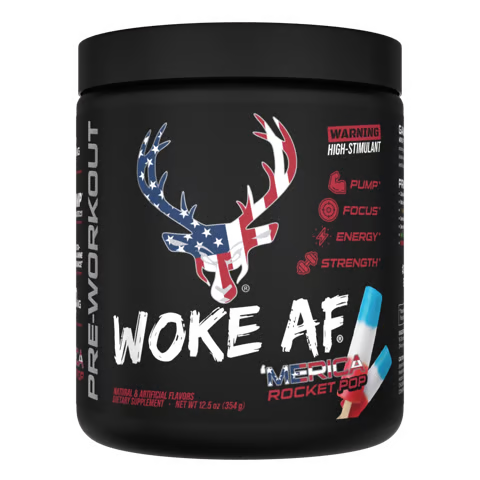
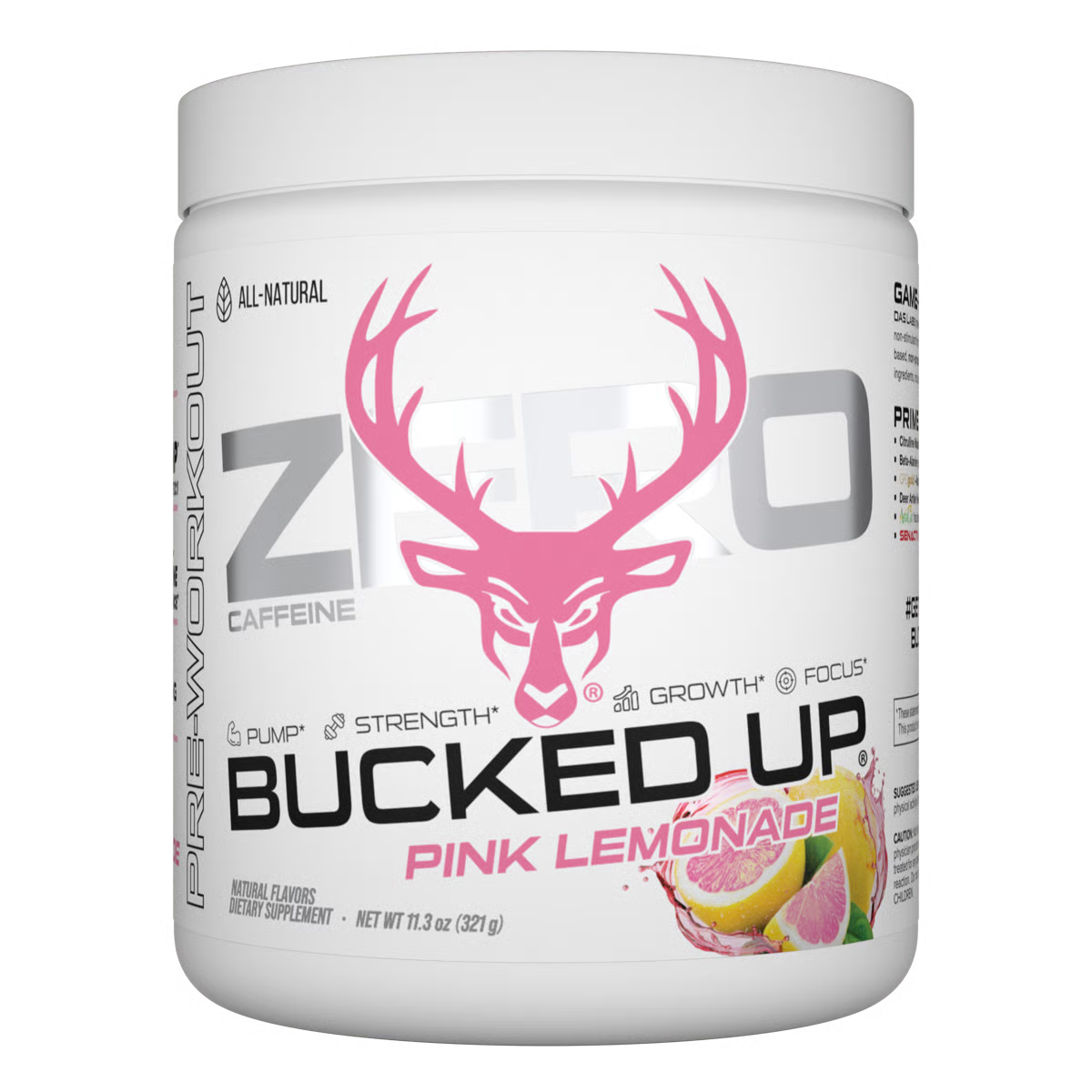
Good Manufacturing Practices, or GMP, certification sets consistent production standards and quality control systems for supplement facilities. Bucked Up manufactures all products in USA GMP-certified facilities, which gives a baseline level of quality assurance. Full ingredient disclosure removes guesswork, since Bucked Up lists exact amounts such as a moderate 200mg caffeine dose for beginners, 333mg in Woke AF, and 400mg in Mother Bucker. Non-stimulant options support caffeine-sensitive users while still aiming for performance benefits.1 Reviews highlight Bucked Up’s research-backed ingredients and focus enhancement1, while also noting the current lack of third-party testing. Transparent labeling combined with GMP manufacturing creates verifiable quality standards. Browse GMP-made pre-workouts with full ingredient disclosure.
Buyer Checklist, Trade-Offs & Common Pitfalls
Smart pre-workout selection starts with matching products to individual goals and stimulant tolerance. Begin by assessing your caffeine comfort level, since beginners often do well with a moderate dose like Bucked Up’s 200mg, while experienced users may choose Mother Bucker’s 400mg for intense training. Once you know your stimulant range, check for key performance ingredients such as l-citrulline for pump, beta-alanine for endurance, and alpha-GPC for focus.1 This ingredient review only works when labels list exact dosages, so avoid products with proprietary blends that hide amounts or skip full ingredient lists. Consider certification costs compared with benefits, because third-party testing raises prices but adds safety data. Common pitfalls include ignoring transparency for flashy marketing, buying only on price, or assuming every product from a certified brand has been tested. Always verify certifications for the specific product and batch instead of relying on broad company claims.
Choosing Safer Pre-Workouts: Final Thoughts
Third-party supplement testing gives crucial verification for pre-workout safety and effectiveness by adding independent lab analysis on top of current regulations. Certifications like NSF and Informed Choice offer meaningful protection, although they increase costs and can slow product launches. Bucked Up’s GMP manufacturing and transparent labeling provide immediate quality signals with clearly listed ingredient amounts and dosages. Whether you select certified products or transparent alternatives, focus on brands that disclose full formulations and maintain strong manufacturing standards. Explore Bucked Up pre-workouts for energy, focus, pump, and endurance support.1
FAQ
How much does third-party testing cost for supplement manufacturers?
Third-party testing costs vary widely based on scope and certification type. Comprehensive certifications such as NSF Certified for Sport can cost $15,000 to over $30,000 per product line. Brands usually pass these expenses to consumers through higher product prices.
Which third-party certifications work best for pre-workouts?
Informed Choice and NSF Certified for Sport offer broad protection for pre-workout users, especially athletes who worry about banned substances. Informed Choice provides monthly batch testing tailored to sports supplements, while NSF screens for more than 290 banned substances and verifies label claims. BSCG Certified Drug Free tests for over 450 substances, including WADA-prohibited drugs. USP Verified focuses on potency and purity but does not test for athletic-banned substances, so competitive athletes often need a sports-focused certification instead.
Is Bucked Up third-party tested?
Bucked Up products are not currently third-party tested by organizations such as NSF or Informed Choice. The company manufactures all products in USA GMP-certified facilities and uses full ingredient transparency with exact dosage amounts. This approach lets consumers judge formulation quality through disclosed ingredients like Mother Bucker’s 4g citrulline dose and the 200mg caffeine level mentioned earlier, instead of relying on proprietary blends that hide ingredient amounts.
What is the difference between NSF and USP certification?
NSF Certified for Sport centers on banned substance testing, screening for more than 290 drugs that can cause positive tests in competitive sports while also checking label accuracy. USP Verified emphasizes potency and purity testing to confirm ingredients match label claims and meet quality standards, but it does not focus on athletic-banned substances. Athletes usually need NSF or similar sports-focused certifications, while general consumers may find USP suitable for basic quality checks.
Does the FDA test dietary supplements?
The FDA does not test dietary supplements before they reach the market.1 Unlike prescription drugs, supplements do not require pre-market approval for safety or effectiveness. The FDA uses a post-market enforcement model and investigates products after safety issues appear or consumer complaints surface. This regulatory gap makes third-party testing valuable for consumers who want independent confirmation of supplement safety, purity, and potency before purchase.
1 The content provided in this article is for informational purposes only and is not medical advice. Consult with a medical professional before implementing any changes to your diet, health, or exercise routines.
Individual results will vary and are based on a combination of each individual’s diet, exercise, age, and health circumstances.
These statements have not been evaluated by the Food and Drug Administration. This product is not intended to diagnose, treat, cure or prevent any disease.
This article was written by Ryan Gardner, CEO of Bucked Up. As the maker of Bucked Up pre-workout, we have a financial interest in this information. The views expressed are our own and should be read with that context in mind.