Written by: Ryan Gardner, Owner, Managing Partner, CEO, Bucked Up | Last updated: April 17, 2026
Key Takeaways
- Creatine increases phosphocreatine stores in muscle by about 20–40%, supplying rapid energy for 5–30 second, high-intensity efforts.1
- The creatine kinase reaction quickly converts ADP back into ATP during explosive work like sprints and heavy lifts, helping you sustain power.1
- Higher creatine levels speed phosphocreatine recovery between sets, which supports more reps, better performance, and higher training volume.1
- Most people use a 20 g per day loading phase for 5–7 days, then 3–5 g daily for maintenance, while drinking 80–100 oz of water.1
- Creatine has a strong safety record with minimal side effects; shop Bucked Up creatine products for pure monohydrate, HCl, gummies, and stacks that support your workouts.1
The ATP Energy System and Creatine’s Role in Training
ATP powers every muscle contraction, yet your body only stores enough for a few seconds of all-out effort. During intense work that lasts 5–30 seconds, such as heavy sets, short sprints, or explosive jumps, ATP breaks down to ADP and phosphate, and muscles quickly run low on usable energy. The phosphocreatine system steps in here and helps refill ATP so you can keep pushing hard.
Creatine supplementation elevates skeletal muscle creatine and phosphocreatine concentrations by 20–40% beyond what a typical diet provides.1 About 60% of the creatine in skeletal muscle, which holds 95% of the body’s total creatine, exists as phosphocreatine, so higher stores create a larger, ready-to-use energy reserve.
These changes support more than gym performance. Meta-analyses show greater strength gains when creatine pairs with resistance training, especially during repeated high-intensity sets with short rest.1 For people focused on long-term health, creatine can also support muscle preservation, cognitive function, and overall energy metabolism.1 To fully benefit from these effects, you need a clear picture of how creatine actually drives ATP production.
Step-by-Step: How Creatine Actually Boosts ATP
Seeing the creatine pathway step by step makes it easier to connect the science to what you feel in your workouts. The sequence below shows how creatine turns into a fast-response energy system that supports short, intense efforts.
Step 1: Creatine Uptake and Storage
Creatine supplementation increases intramuscular phosphocreatine stores, building on the 20–40% elevation mentioned earlier and expanding the energy pool available for rapid ATP production.1 Active transport pulls creatine into muscle cells, where creatine kinase converts part of it into phosphocreatine for storage.
Step 2: High-Intensity Exercise Depletes ATP
During explosive movements, ATP breaks down into ADP and inorganic phosphate to fuel each contraction. Within seconds, stored ATP cannot keep up with demand, so power output starts to drop and fatigue sets in.
Step 3: The Creatine Kinase Reaction
The enzyme creatine kinase transfers a phosphate group from phosphocreatine to ADP, rapidly rebuilding ATP through the reaction PCr + ADP → ATP + Creatine. This pathway works faster than other ATP regeneration systems and supplies immediate energy so you can maintain high-intensity effort a bit longer.1
Step 4: Instant Energy Delivery in Working Muscle
The phosphocreatine shuttle moves high-energy phosphate groups from mitochondria to myofibrils using phosphocreatine, which diffuses faster than ATP. This process delivers energy right where contraction occurs, helping muscles fire powerfully during short, demanding sets.1
Step 5: Faster Recovery Between Sets
During rest periods, the creatine kinase system runs in reverse and uses ATP from aerobic metabolism to rebuild phosphocreatine. Higher creatine levels speed this resynthesis, so you recover faster between sets and can maintain performance across your workout.1
Creatine Dosing Plans and Product Formats
Clear dosing and the right product format help you reach and maintain full muscle creatine saturation. A common loading protocol uses 20 grams per day, split into four 5 gram servings, for 5–7 days, followed by 3–5 grams daily for maintenance. A slower approach with about 2 grams daily for 30 days can reach similar saturation without a loading phase.
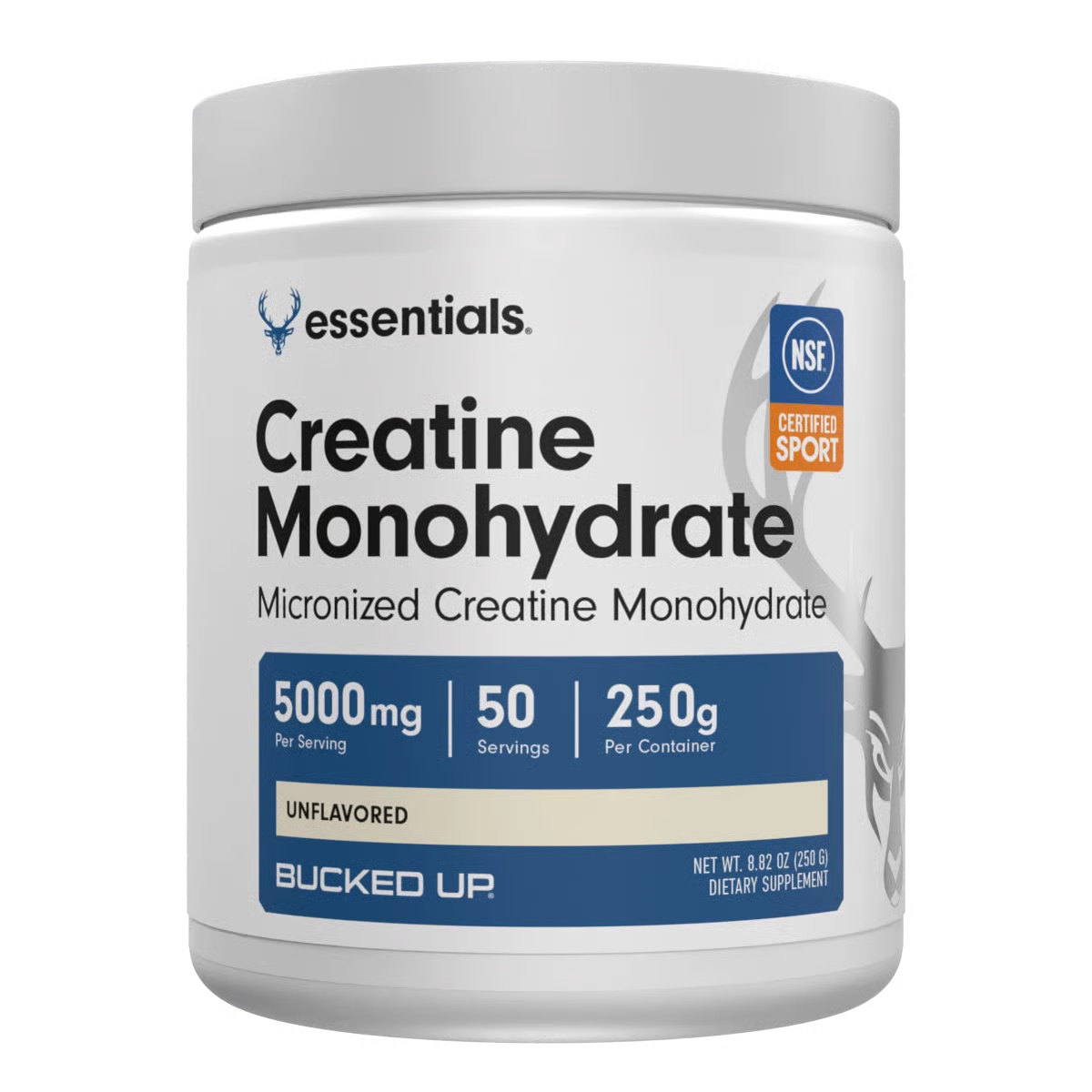
Creatine monohydrate remains the most studied form and offers reliable results at a reasonable cost. Creatine HCl dissolves more easily and may feel gentler on digestion for some people, which can help those who dislike large powder servings. Bucked Up’s micronized creatine monohydrate improves mixability while preserving the research-backed benefits of standard monohydrate.
Consistency matters more than exact timing. Taking creatine with roughly 50 grams of protein and carbohydrates can enhance uptake through insulin-driven transport, although this step is optional for most users.1
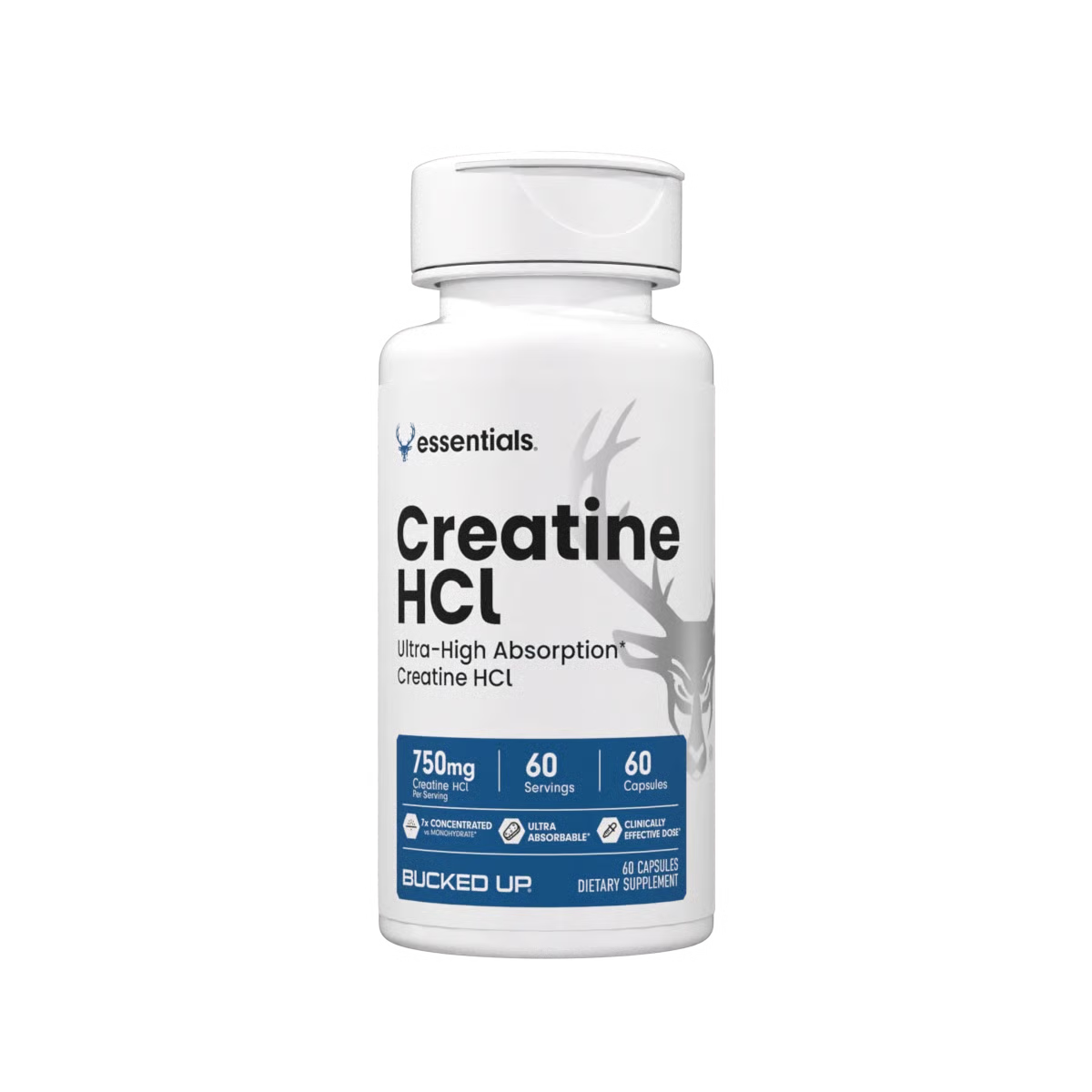
Hydration becomes crucial during creatine use because creatine draws water into muscle cells. This extra intracellular water demand means you should aim for 80–100 ounces of water per day to support creatine transport and reduce cramping risk.1 If you find it hard to stay consistent with powders and shaker bottles, Bucked Up’s capsule forms remove mixing steps while keeping dosing precise.
Common Creatine Mistakes and How to Fix Them
Several long-standing myths still cause people to underuse or avoid creatine. One common belief claims creatine only helps during bulking phases, yet research shows it supports energy metabolism and performance across many training styles and goals. Another concern centers on digestive issues, but controlled studies report no meaningful differences in gastrointestinal problems between creatine and placebo groups.
Bloating usually comes from poor hydration or very large single doses rather than creatine itself. When too much creatine reaches the intestine at once, it can create osmotic effects that pull water into the gut and cause discomfort. Keeping individual servings at 5 grams or less lowers this osmotic load and reduces the chance of stomach issues.
Clear expectations also matter. Many people notice subtle strength or endurance changes within 1–2 weeks of consistent use, with more complete benefits after 3–4 weeks.1 Response varies based on your starting creatine levels, muscle fiber makeup, diet, and training status, so results can feel faster or slower from person to person.
Creatine Safety and Product Quality Standards
Creatine monohydrate has shown a strong safety profile across many age groups and activity levels.1 Clinical trials report no harmful effects on kidney function in healthy users who follow recommended doses.1 A review of 685 human trials with more than 26,000 participants found side effect rates nearly identical between creatine and placebo groups.1
People with existing kidney issues or other medical conditions should talk with a healthcare professional before starting creatine. Bucked Up produces creatine in NSF and GMP certified facilities, which supports 99.8% purity and screens for contaminants. NSF Sport certification adds another layer of assurance for competitive athletes who must avoid banned substances.
Performance Results and Choosing a Bucked Up Creatine
Effective creatine use shows up in the numbers you track in the gym. Research reports more reps to failure at 60–80% of 1RM, higher bar speed across loads, and better countermovement jump performance within days of reaching saturation.1
Bucked Up offers several creatine options so you can match the format to your preferences. Pure Creatine delivers flavored monohydrate powders, including Blue Raspberry and Fruit Punch, which can make daily use more enjoyable. Six Point Creatine combines six creatine forms to support varied absorption characteristics and broad muscle saturation.
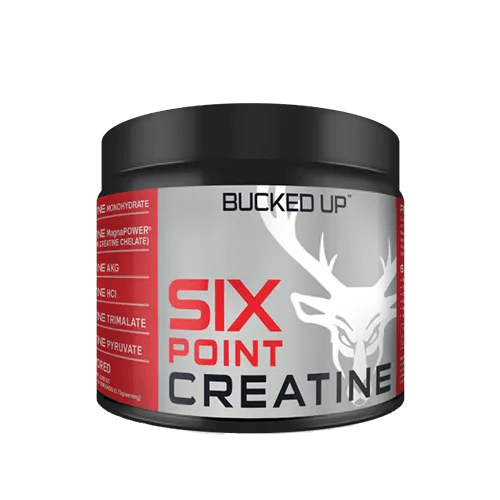
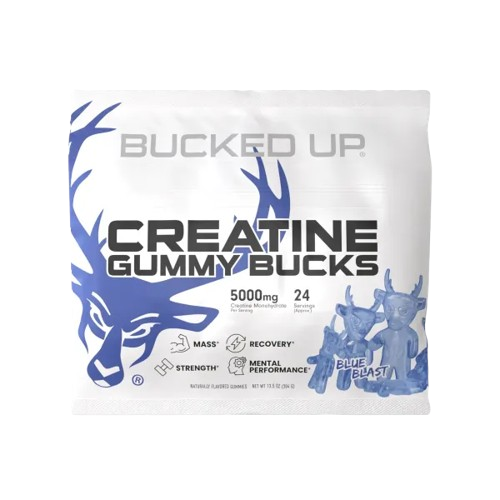
For people who value convenience, Creatine HCl and Babe Creatine provide 750 mg capsules that are easy to take and simple to pack. Creatine Gummies and Creatine Candy turn your daily serving into a portable, sweet option that supplies 5 grams of creatine monohydrate without a shaker.
Advanced Creatine Stacks and Training Phases
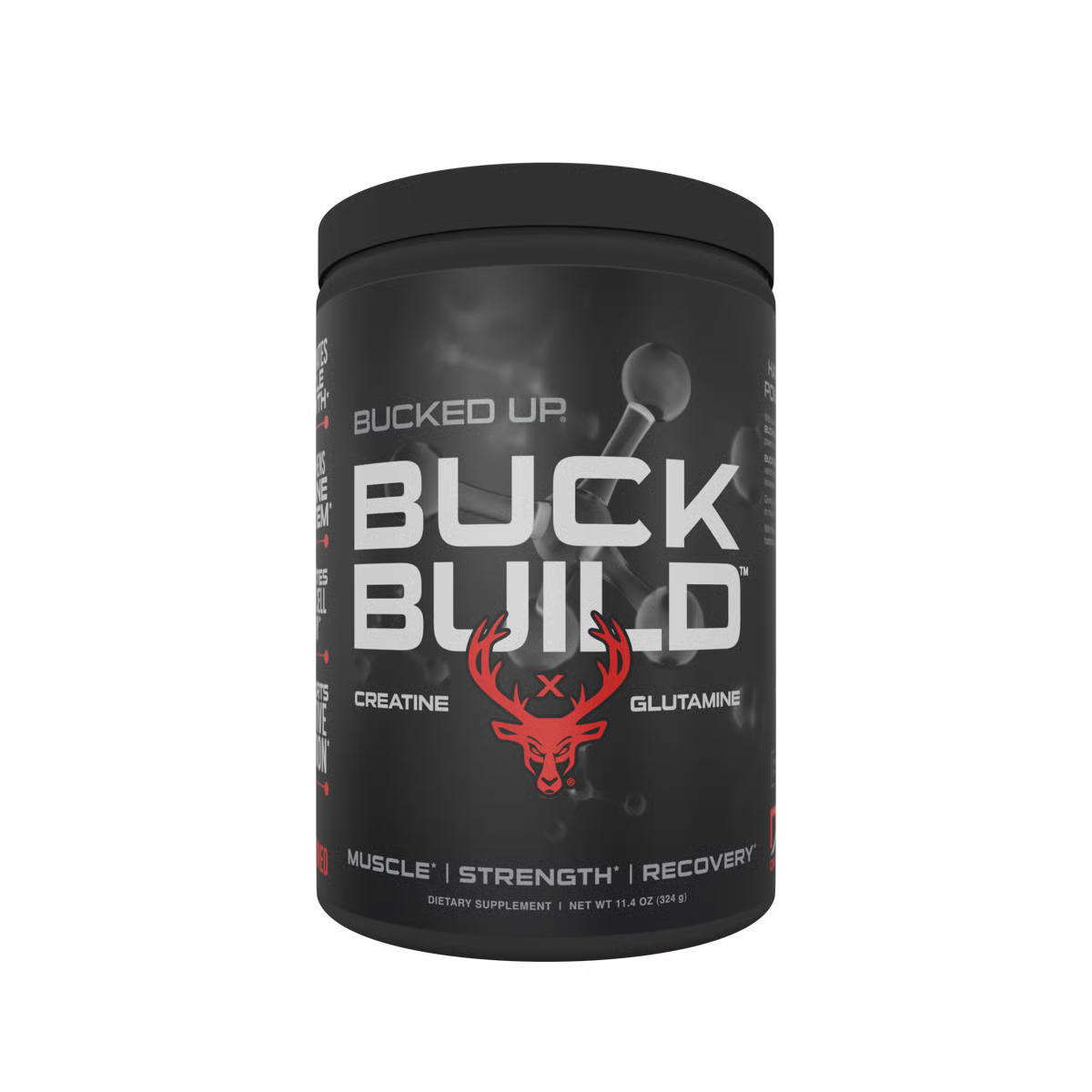
Experienced lifters often pair creatine with other ingredients to support broader recovery and growth. Buck Build combines creatine with L-Glutamine to support muscle repair, gut health, and immune function in a single product.1 All Bulk No Bloat includes creatine alongside HMB, betaine, and other performance compounds in a mass-gain focused formula.
Training structure also influences how much you gain from creatine. High-intensity resistance training paired with creatine produces larger strength increases than low-intensity work, so creatine becomes especially useful during strength and power blocks.1
Frequently Asked Questions About Creatine Use
Once you understand how creatine works and how to dose it, a few practical questions usually remain. The answers below focus on daily habits that help your creatine routine deliver consistent results.
Should you take creatine on rest days?
Daily creatine intake keeps muscle stores topped off, which supports steady performance over time. Creatine works by building and maintaining saturation rather than giving a short-term spike, so rest days still matter. Taking your usual dose on off days helps ensure your muscles stay ready for your next hard session.
What is the difference between creatine pills and powder?
Capsules provide convenience and accurate dosing without measuring scoops or mixing drinks. They also avoid the large single servings that can bother some people’s digestion. Powders make it easy to take larger doses or combine creatine with other supplements, but they require preparation and may not suit everyone’s stomach.
How much water should you drink with creatine?
A daily target of 80–100 ounces of water pairs well with creatine use for most active adults. Adequate hydration supports creatine transport into muscle, helps prevent cramping, and supports muscle-building processes. Take each creatine serving with about 8–12 ounces of water and keep sipping fluids throughout the day.
Are there side effects from creatine supplementation?
As noted in the safety research above, creatine shows a strong safety record with minimal side effects when used as directed.1 Mild stomach discomfort, if it occurs, often improves with smaller servings, more water, or taking creatine with food. Most healthy users tolerate standard doses well.
How does the creatine phosphocreatine system work?
Phosphocreatine serves as a backup energy store inside muscle cells. It donates its phosphate group to ADP through the creatine kinase enzyme, rapidly rebuilding ATP. This system supports high-intensity efforts that last 5–30 seconds and fills the gap before slower energy systems catch up.
How does creatine improve recovery between sets?
Creatine supports recovery by speeding phosphocreatine resynthesis during rest periods. Higher muscle creatine levels allow your phosphocreatine system to reset more quickly, so you can maintain power output across multiple sets and feel less drop-off in performance.1
Can you increase ATP naturally without supplements?
Your body produces creatine on its own and also gets it from foods like meat and fish. These sources help, but they usually do not fully saturate muscle creatine stores. Supplementation can raise those levels further and provide more phosphocreatine for ATP regeneration than diet alone.1
Why is creatine ideal for high-intensity workouts?
Creatine directly supports the phosphocreatine system that powers short, all-out efforts.1 This timing lines up with resistance training sets, sprint intervals, and explosive drills where ATP demand spikes beyond what your body can instantly produce. People who train this way often notice the clearest benefits.
Bucked Up’s focus on transparent labels, quality certifications, and varied delivery methods can set it apart from generic creatine products. Whether you like classic powders, quick capsules, or candy-style gummies, Bucked Up offers creatine formats that align with your training style. Find your ideal creatine format and experience how quality and smart formulation can support your results.
1 The content provided in this article is for informational purposes only and is not medical advice. Consult with a medical professional before implementing any changes to your diet, health, or exercise routines.
Individual results will vary and are based on a combination of each individual’s diet, exercise, age, and health circumstances.
These statements have not been evaluated by the Food and Drug Administration. This product is not intended to diagnose, treat, cure or prevent any disease.
This article was written by Ryan Gardner, CEO of Bucked Up. As the maker of Bucked Up Creatine, we have a financial interest in this information. The views expressed are our own and should be read with that context in mind