Written by: Ryan Gardner, Owner, Managing Partner, CEO, Bucked Up | Last updated: April 17, 2026
Key Takeaways for Muscle-Building Athletes
- Creatine monohydrate ranks as a core supplement for ATP regeneration, strength gains, and faster recovery, with 2025-2026 research showing significant improvements in reps and muscle strength.1
- Whey protein and BCAAs with glutamine support muscle protein synthesis and help limit breakdown during intense training sessions.1
- Beta-alanine, HMB, omega-3s, and electrolytes help combat fatigue, preserve lean mass, reduce inflammation, and maintain hydration for steady performance.1
- Daily 3-5g creatine dosing with consistent intake matters more than timing tweaks, while post-workout carbs can support creatine uptake.1
- Elevate your gains with Bucked Up’s innovative creatine options like Six Point Creatine and gummies—explore these advanced formulations for convenient formats and efficient absorption.1
Top 7 Muscle Building Supplements for Competitive Athlete Recovery
1. Creatine Monohydrate
Creatine can support competitive athletes who want rapid ATP regeneration and stronger power output.1 Zhang et al.’s 2025 meta-analysis of 14 randomized controlled trials involving 523 participants confirmed creatine supplementation significantly improves muscle strength gains (SMD=0.43, 95% CI [0.25–0.61], p<0.01).1 The supplement can increase muscle phosphocreatine stores, which supports faster energy production during high-intensity efforts.1
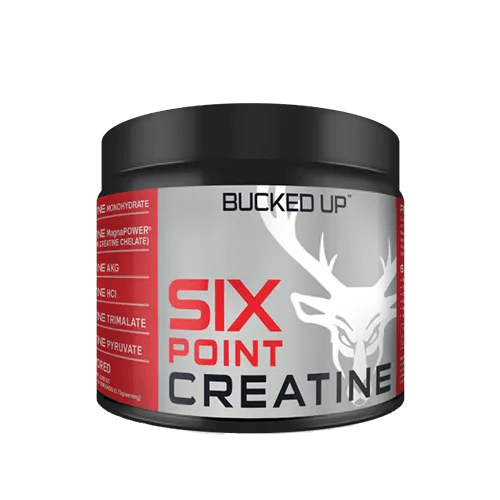
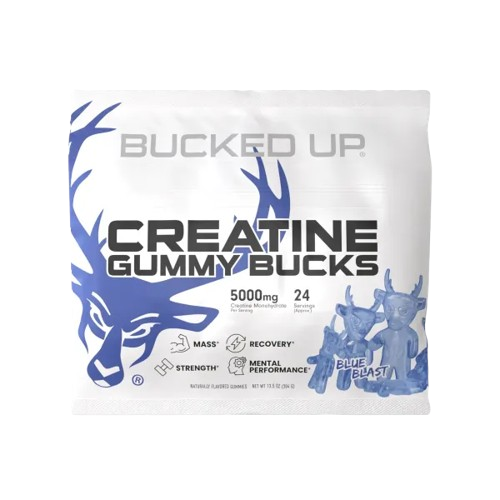
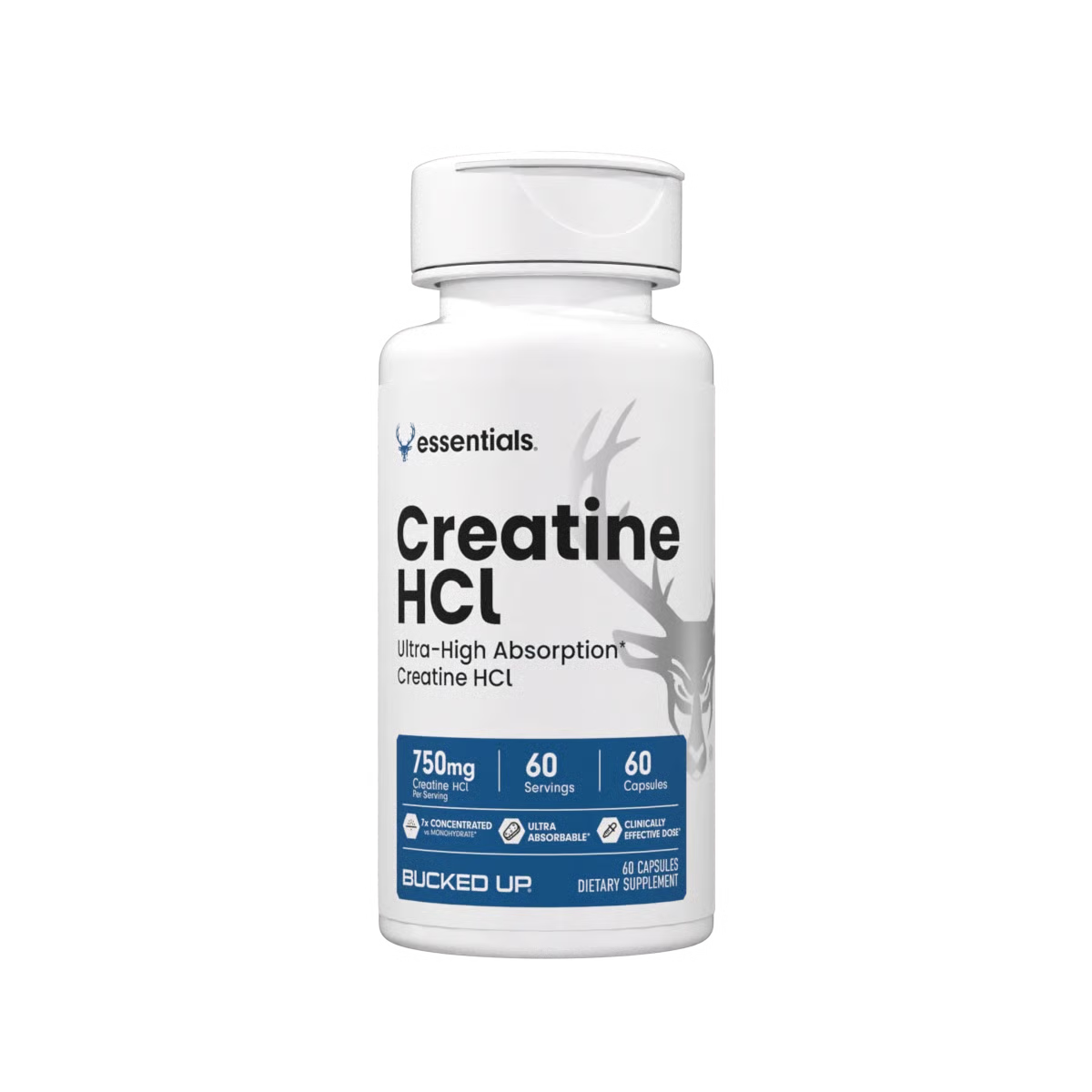
Bucked Up offers several creatine formats that address common athlete concerns. Pure Creatine delivers 99.8% micronized creatine monohydrate in flavors like Blue Raspberry and Mango Pineapple, which avoids the chalky taste that often comes with generic powders. Six Point Creatine combines six different creatine forms to support absorption and muscle saturation.1 For athletes who want to avoid bloating, Creatine HCl capsules provide 750mg of concentrated creatine and can reduce water retention for some users.1 The portable Creatine Gummies deliver 5g per serving without mixing, which works well for travel and competition prep.
Athletes should consume 3-5g daily for maintenance, with research indicating daily consistency matters more than precise timing for maintaining muscle saturation.1 Post-workout timing can further support uptake when you pair creatine with carbohydrates.1
2. Whey Protein
High-quality whey protein supplies essential amino acids that drive muscle protein synthesis after intense training.1 Its rapid absorption rate makes it a strong fit for the post-workout window, when muscles respond well to nutrients that support repair and growth.1
While whey protein focuses on rebuilding muscle after training, BCAAs and glutamine can support muscles during your workout by limiting breakdown and supporting recovery.
3. Branched-Chain Amino Acids (BCAAs) and Glutamine
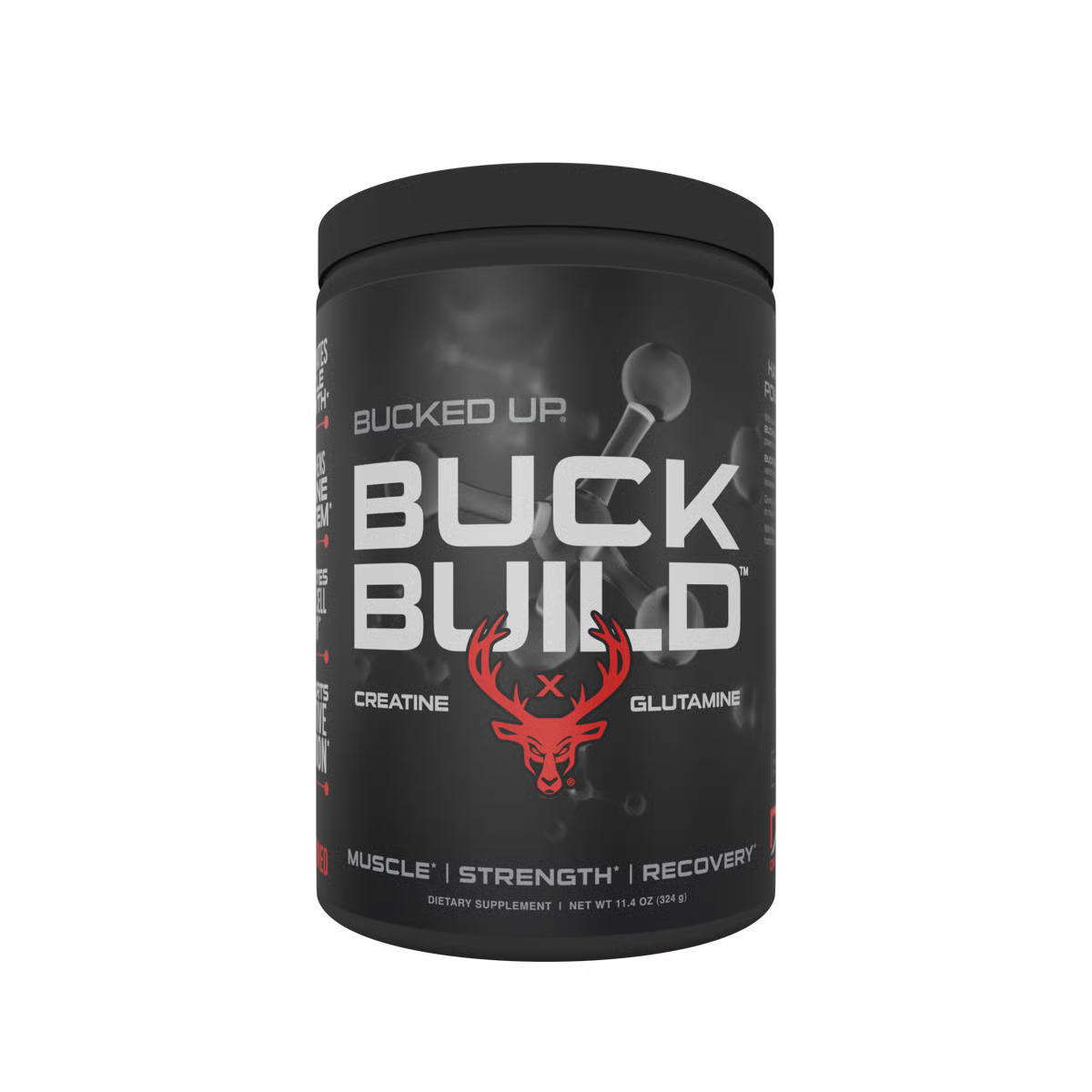
BCAAs, particularly leucine, activate the mTOR pathway and stimulate muscle protein synthesis while also helping reduce muscle breakdown during training.1 Research shows BCAAs reduce markers of muscle damage such as creatine kinase and lactate dehydrogenase.1 Bucked Up’s Buck Build combines creatine with L-Glutamine to support recovery, gut health, and immune function.1
4. Beta-Alanine
Beta-alanine raises muscle carnosine levels, which buffers lactic acid buildup and delays fatigue during high-intensity exercise.1 Stacking beta-alanine with creatine can increase lean muscle mass and improve body composition more effectively than either supplement alone.1 Typical intake ranges from 2.4-6.4g daily, split into smaller servings to reduce tingling sensations.1
5. HMB (β-Hydroxy β-Methylbutyrate)
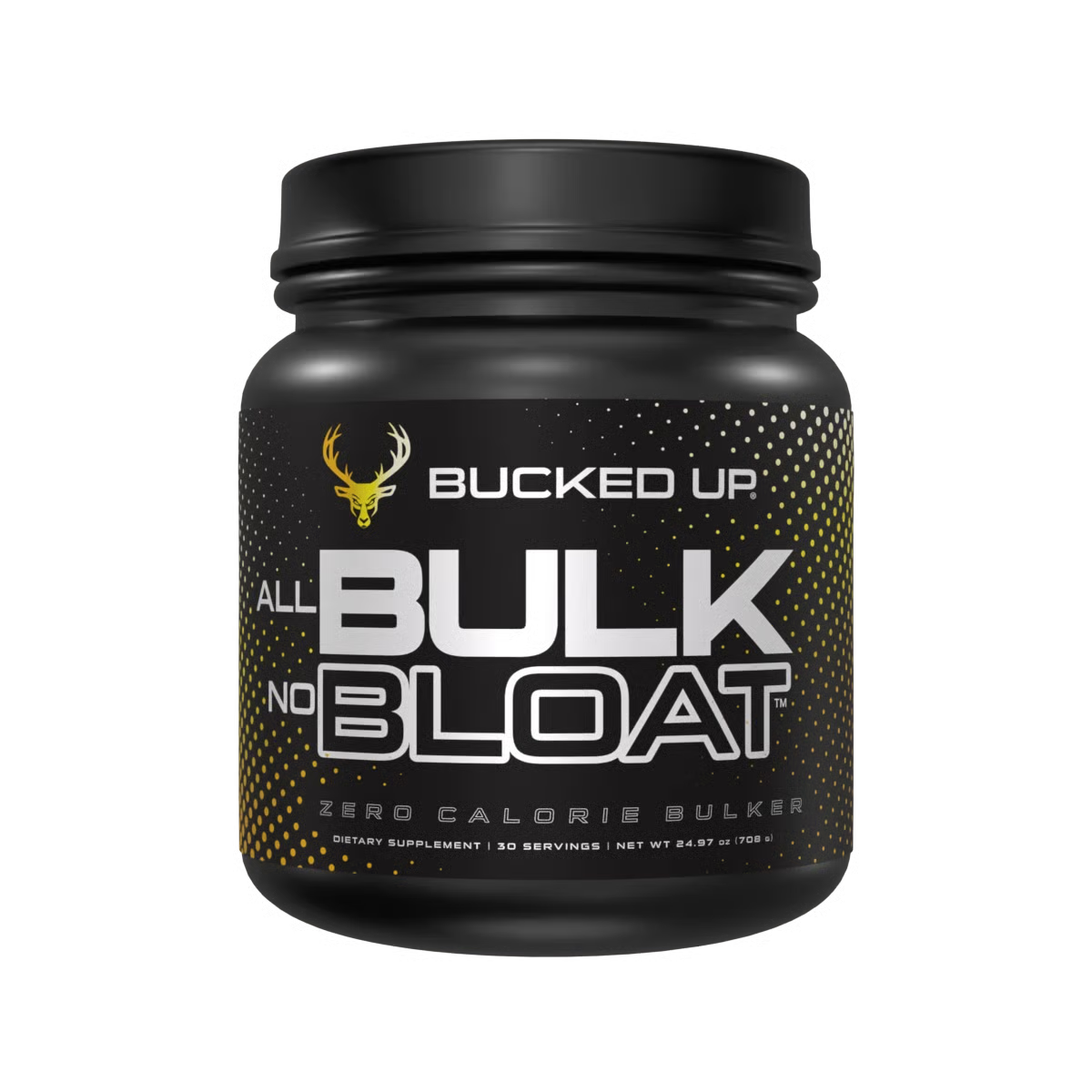
HMB helps reduce muscle protein breakdown and supports lean mass retention during demanding training phases.1 Bucked Up’s All Bulk No Bloat includes 3,000mg of HMB alongside creatine and other recovery compounds, which creates a comprehensive muscle support formula without adding unwanted body weight.1
6. Omega-3 Fatty Acids
EPA and DHA omega-3s help modulate post-exercise inflammation and support cellular membrane integrity.1 Omega-3s paired with creatine aid overall recovery and joint health for sustained intense training.1 A typical intake of 2-3g combined EPA and DHA per day can support joint comfort and muscle recovery during heavy training blocks.1
7. Electrolytes
Proper electrolyte balance supports hydration and muscle function during extended training sessions.1 Athletes who use creatine often increase water intake, which makes electrolyte support especially helpful for preventing cramping and maintaining performance.1
Why Creatine Stands Out for Athlete Muscle Building and Recovery
Creatine supports muscle building and recovery through its direct impact on the phosphocreatine system, which fuels explosive movements lasting about 1-10 seconds.1 Salem et al. 2026 found that even 3 days of creatine supplementation enhanced post-exercise parasympathetic reactivation and reduced delayed-onset muscle soreness.1
The optimal protocol involves 3-5g daily, taken consistently regardless of training status, which matches the maintenance approach described earlier. Post-workout timing can support uptake when you combine creatine with carbohydrates, although this timing effect plays a secondary role compared with maintaining daily saturation levels.1 Athletes who want faster saturation can use a loading phase of 20g daily for 5-7 days, then return to the standard daily dose.
Bucked Up’s creatine formats address common athlete pain points. Six Point Creatine supports absorption through multiple creatine forms, while HCl capsules can reduce bloating concerns for some users.1 The convenient gummy and candy formats solve portability issues and still provide an effective creatine dose.
Find your ideal creatine format based on your training schedule, travel needs, and flavor preferences.
Athlete Supplement Stack and Timing Guide
Competitive athletes benefit from strategic supplement timing because each product supports a different phase of training and recovery. Take beta-alanine 30-60 minutes before training so carnosine levels can support fatigue resistance during your session.1 Immediately after training, use 5g creatine with BCAAs within about 30 minutes, when muscles respond strongly to nutrients that support repair and energy replenishment.1 On rest days, maintain your standard daily creatine dose with breakfast to keep muscle saturation levels steady between workouts.1 Consuming creatine with carbohydrates can trigger an insulin response that supports creatine uptake into muscle cells.1
Advanced athletes can stack creatine with L-citrulline to support blood flow and nutrient delivery during training.1 Bucked Up’s comprehensive formulas like Buck Build and All Bulk No Bloat provide convenient all-in-one options for competitors who want creatine, amino acids, and recovery support in a single stack.
Frequently Asked Questions About Creatine for Athletes
What is creatine and how does it work?
Creatine is a natural compound your body produces to help muscles generate energy during high-intensity activities. It increases phosphocreatine stores in muscles, which helps regenerate ATP (adenosine triphosphate), the primary energy currency for explosive movements like sprinting, jumping, and weightlifting. Creatine also supports overall cellular energy production and may provide cognitive benefits for some users.1
What are the specific benefits for competitive athletes?
Research shows competitive athletes can experience measurable improvements in power output and muscle strength gains. Additional reported benefits include increased training volume tolerance, faster recovery between sets, and enhanced muscle growth when creatine is combined with resistance training. Many athletes also notice improved focus and reduced fatigue during competitions, which supports more intense training sessions over time.1
Should I take creatine on rest days?
Yes, daily creatine intake is essential for maintaining muscle saturation levels. Your muscles continuously use and replenish creatine stores, so consistent supplementation keeps phosphocreatine availability high when you return to training. Skipping rest days can lower muscle creatine levels and may reduce performance benefits.1
What is the difference between creatine pills, powder, and gummies?
Creatine monohydrate provides similar benefits across pills, powders, and gummies when the dose stays consistent. Capsules and gummies offer convenient options for travel and remove the need for mixing, and some athletes find these formats reduce bloating.1 Powders make stacking with other supplements simple and often cost less per serving. Gummies provide a very palatable option but may include added sugars, so athletes should factor that into their overall nutrition plan.
How much water should I drink with creatine supplementation?
Athletes who use creatine should consume 80-100 ounces of water daily to support cellular hydration and kidney function. Creatine draws water into muscle cells, so adequate fluid intake helps prevent cramping and supports the supplement’s effectiveness.1 Take each dose with about 8-12 ounces of water to support proper absorption.
Conclusion: Build a Creatine-Centered Competitive Edge
Recovery plateaus and persistent fatigue can slow competitive progress, but a targeted supplement plan can help address those issues. A creatine-centered approach, supported by complementary supplements like BCAAs and beta-alanine, can expand training capacity and support faster muscle building for serious athletes.1
Start building your competitive supplement stack with Bucked Up’s creatine and recovery-focused formulations.
1 The content provided in this article is for informational purposes only and is not medical advice. Consult with a medical professional before implementing any changes to your diet, health, or exercise routines.
Individual results will vary and are based on a combination of each individual’s diet, exercise, age, and health circumstances.
These statements have not been evaluated by the Food and Drug Administration. This product is not intended to diagnose, treat, cure or prevent any disease.
This article was written by Ryan Gardner, CEO of Bucked Up. As the maker of Bucked Up Creatine, we have a financial interest in this information. The views expressed are our own and should be read with that context in mind