Written by: Ryan Gardner, Owner, Managing Partner, CEO, Bucked Up | Last updated: April 17, 2026
Key Takeaways
- Creatine monohydrate consistently supports strength gains, a 2.32 kg increase in fat-free mass, and cognitive benefits when paired with resistance training.1
- Mass gainers and some protein powders can contribute to fat gain, digestive issues, and heavy metal exposure, including lead found in 2025 Consumer Reports testing.1
- BCAAs, beta-alanine, and HMB provide narrower benefits for trained athletes compared to creatine’s direct support for ATP production and recovery.1
- Athletes who compete under WADA should focus on NSF-certified, third-party tested supplements to reduce the risk of banned contaminants.
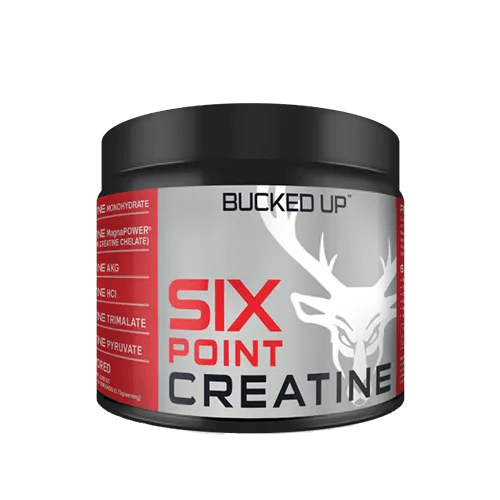
- Bucked Up offers creatine options such as micronized monohydrate, HCL capsules, and Six Point Creatine that support lean performance without unnecessary fillers: explore Bucked Up creatine.1
Before diving into the details, here is a comparison of common bulking supplements so serious athletes can quickly see performance benefits and potential drawbacks.
Bulking Supplements Pros and Cons for Strength-Focused Athletes
| Supplement | Pros for Serious Athletes | Cons and Fixes |
|---|---|---|
| Creatine Monohydrate | Enhanced strength performance with more repetitions to failure at 60-80% 1RM (d = 0.72–1.6), increases fat-free mass by 2.32 kg when paired with resistance training, cognitive support1 | Potential bloating from poor-quality powders, Fix: Choose micronized creatine or HCL capsules for smoother digestion |
| Whey Protein Isolate | 90%+ protein purity, rapid absorption, complete amino acid profile, supports muscle protein synthesis1 | Dairy sensitivity in some athletes, potential contamination, Fix: Choose NSF-certified, third-party tested isolates |
| Mass Gainers | High-calorie surplus for hard gainers, convenient macronutrient delivery | Fat accumulation risk, Consumer Reports’ 2025 tests found Naked Nutrition’s Vegan Mass Gainer contained 7.7 micrograms of lead per serving, Fix: Consider products designed for lean gains with transparent labels |
| BCAAs | Moderate evidence for reduced muscle soreness in 45% of studies, may help preserve glycogen during endurance exercise | Redundant when daily protein intake is adequate, inconsistent strength benefits, high cost per serving |
| Beta-Alanine | Supports muscular endurance, can reduce fatigue during high-intensity intervals1 | Tingling sensation (paresthesia), limited value for pure strength work, requires consistent dosing for effect |
| HMB | May reduce muscle breakdown, potential recovery support1 | Expensive, limited evidence in trained athletes, smaller strength impact compared to creatine |
Why Creatine Can Stand Out Among Bulking Supplements for Serious Athletes
Creatine monohydrate ranks among the most studied bulking supplements for serious athletes and supports strength and power without the fat gain often seen with mass gainers.1 Salem et al.’s 2026 double-blind trial in 10 resistance-trained males reported that only 3 days of creatine use improved strength performance with higher peak velocity across intensities (d = 0.78–4.09) and better recovery through enhanced parasympathetic reactivation.1
Protein powders mainly support recovery, and mass gainers often push calories high enough to encourage fat storage, while creatine directly supports ATP regeneration for short, intense efforts.1 Zhang et al.’s 2025 meta-analysis showed that creatine combined with training produced greater muscle strength gains1, which makes creatine a practical option for athletes who care about performance numbers.
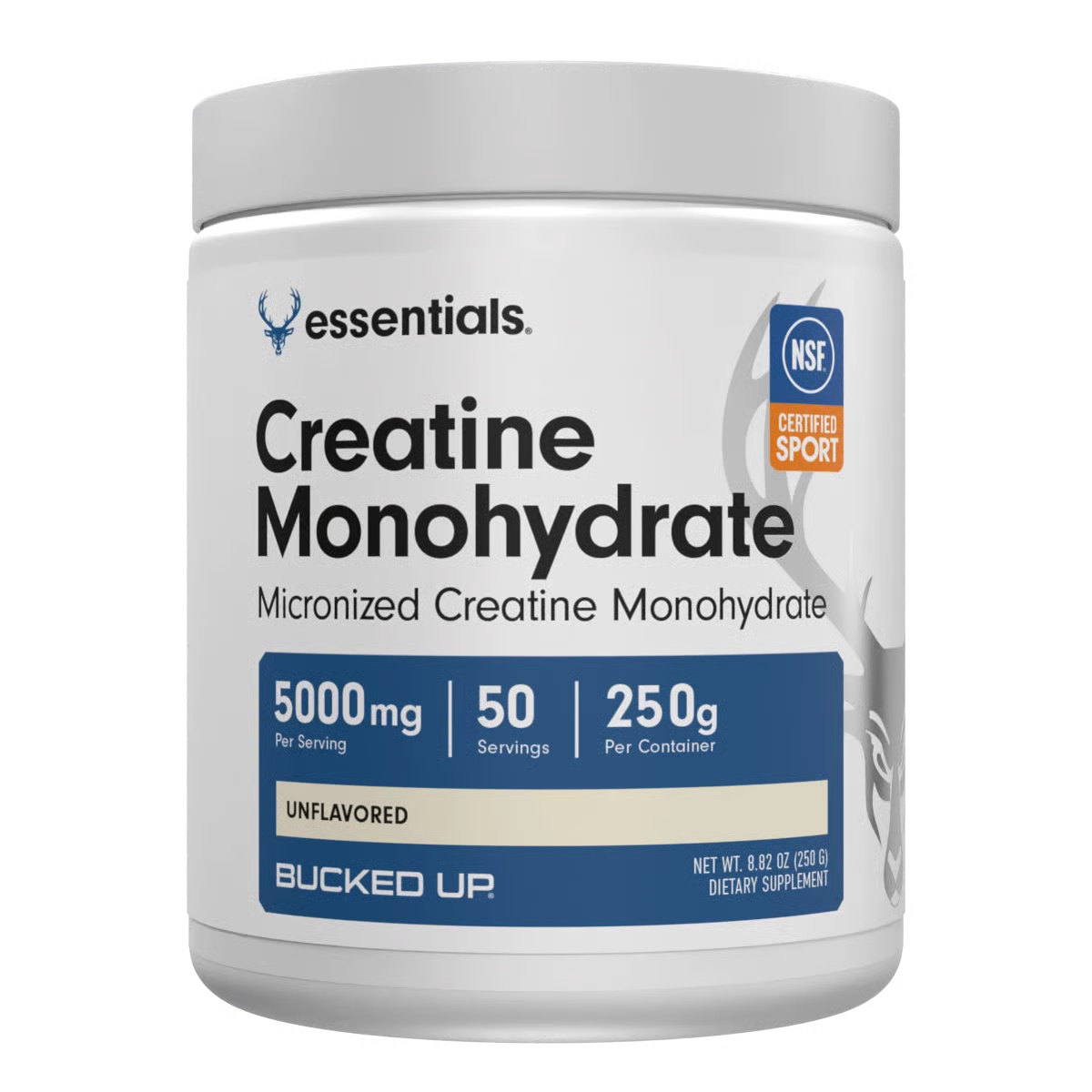
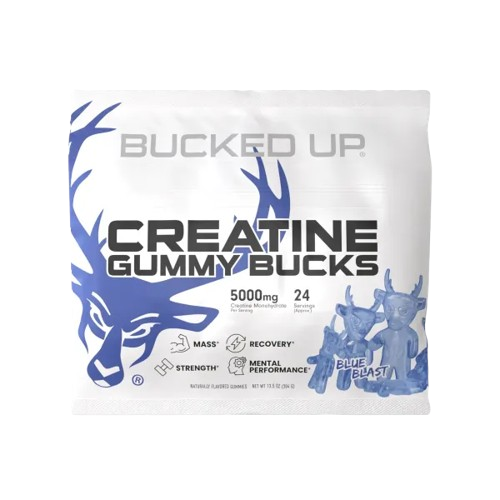
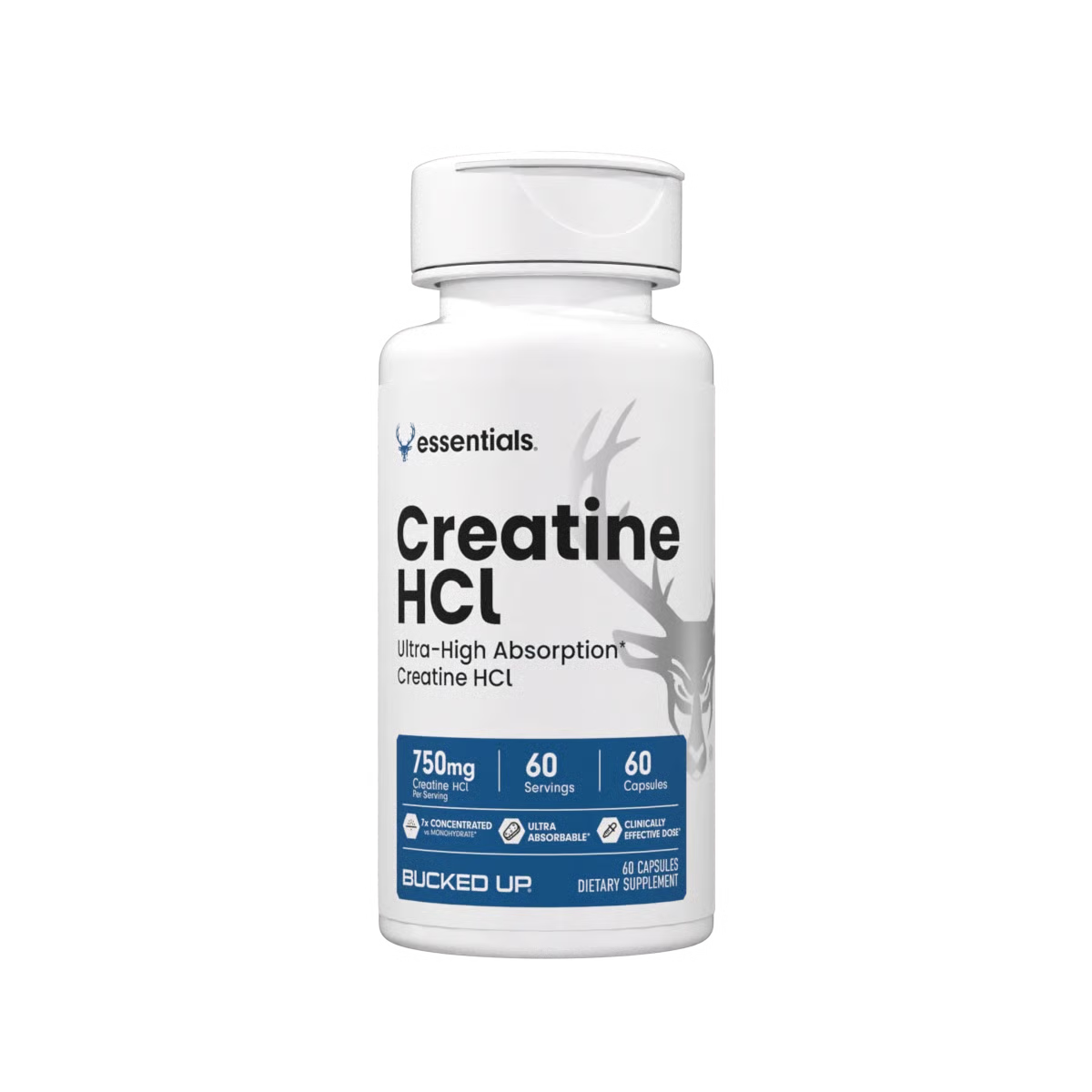
Bucked Up focuses on solving common creatine complaints through specific formulations. Pure Creatine supplies micronized monohydrate at 99.8% purity with NSF certification, and Six Point Creatine blends six creatine forms to support varied absorption profiles.1 Creatine HCL capsules help athletes who worry about bloating by offering targeted doses with less water retention1, and Creatine Gummies provide portable servings without mixing or chalky texture.
The dosing advantage matters for body composition. Mass gainers often require large scoops that can push calories far above maintenance, while creatine typically reaches muscle saturation with 5 grams per day. Creatine HCL often works at 750 mg to 2 g per day because of higher solubility, which suits athletes who want lean gains instead of rapid scale weight increases.1
While creatine offers these strengths, understanding how other popular bulking supplements compare helps athletes build a complete and efficient stack.
How Other Bulking Supplements Compare to Creatine
Protein powders supply essential amino acids for muscle repair but do not match creatine’s immediate impact on short-burst performance. Whey protein isolate digests quickly and delivers high leucine levels that support muscle protein synthesis1, yet Clean Label Project’s 2024–25 testing of 160 protein powders found many products contained heavy metals such as lead, arsenic, and mercury. Athletes often do better with isolates instead of concentrates to reduce lactose-related bloating.
Mass gainers can help hard gainers reach a calorie surplus but bring notable trade-offs. Their high carbohydrate and fat content often drive fat gain instead of lean muscle. Consumer Reports’ 2025 investigation reported that 70% of tested protein powders contained more than 0.5 micrograms of lead per serving, with plant-based mass gainers showing the highest contamination.
BCAAs deliver mixed outcomes for serious lifters. Julea and Saleh’s 2025 systematic review of 22 RCTs found low to moderate evidence for strength recovery, and only 29% of studies showed meaningful improvements in post-exercise force. For athletes who already eat enough protein, BCAAs often add cost without clear additional benefit compared to creatine’s well-documented effects.
If you want to move away from overpriced amino acid blends toward a supplement with documented performance support, explore Bucked Up’s certified creatine options.
Supplements Athletes Should Approach Carefully During Bulking
WADA-compliant athletes need to stay alert to contamination risks that could trigger positive drug tests. A 2026 study identified commercial whey protein supplements contaminated with WADA-prohibited diuretics, which highlights how crucial third-party certification can be.
Proprietary blends create additional uncertainty by hiding exact ingredient amounts and potential contaminants. An October 2000–November 2001 international study found about 15% of 634 non-hormonal nutritional supplements contaminated with anabolic-androgenic steroids, which reinforces the value of NSF Certified for Sport products.
Bucked Up creatine products go through NSF certification and third-party testing to confirm 99.8% purity and absence of prohibited substances. This safety focus helps competitive athletes reduce contamination risk while still using creatine to support performance.
Do Muscle Building Supplements Really Work for Athletes?
Muscle building supplements vary widely in effectiveness, but creatine has unusually strong scientific backing. Gu et al.’s 2026 meta-analysis of 39 RCTs confirmed the 2.32 kg fat-free mass increase mentioned earlier and also reported a 1.61 kg gain in lean body mass, but only when combined with resistance training.1
Results depend on pairing proven ingredients with appropriate training structure. The strength gains documented by Zhang et al. support the common 5-gram daily creatine standard rather than aggressive loading phases that add cost without clear extra benefit.
Athletes often see the best return when they pair creatine with a high-quality protein source instead of chasing complex stacks with limited evidence. This simple, research-backed approach supports muscle growth while keeping contamination risk and unnecessary spending under control.
FAQ
Should you take creatine on rest days?
Yes, daily creatine intake helps maintain muscle saturation levels that support performance. Consistent use keeps creatine phosphate levels elevated so you return to training with better strength output and recovery capacity.1
What is the difference between creatine pills and powder?
Creatine capsules provide precise doses and can reduce bloating or gastric distress that some powders cause.1 Pills also remove mixing and taste issues, which helps athletes who have sensitive digestion or need a portable option.
How much water should I drink with creatine?
Take creatine with 8–12 oz of water per serving and aim for a total daily intake of 80–100 oz. Adequate hydration supports creatine transport into muscle cells and helps prevent dehydration when muscles draw water during creatine storage.1
Can I take creatine before bed?
Creatine contains no stimulants, so evening use is generally fine. Taking creatine before sleep can support overnight recovery, although consistent daily intake matters more than exact timing for maintaining muscle saturation.1
Do I need to cycle creatine?
Cycling is not necessary with creatine monohydrate for most healthy athletes. Steady daily supplementation maintains muscle creatine levels without clear evidence of diminishing returns or safety issues in typical doses.1
Creatine supplementation offers an evidence-based path for serious athletes who want strength and lean mass support while avoiding many contamination and fat gain risks seen with other bulking products.1 Bucked Up’s creatine lineup addresses common concerns through high purity, varied delivery formats, and NSF certification that supports WADA compliance.
For athletes who want both performance support and strong safety checks, discover Bucked Up’s NSF-certified creatine lineup.
1 The content provided in this article is for informational purposes only and is not medical advice. Consult with a medical professional before implementing any changes to your diet, health, or exercise routines.
Individual results will vary and are based on a combination of each individual’s diet, exercise, age, and health circumstances.
These statements have not been evaluated by the Food and Drug Administration. This product is not intended to diagnose, treat, cure or prevent any disease.
This article was written by Ryan Gardner, CEO of Bucked Up. As the maker of Bucked Up Creatine, we have a financial interest in this information. The views expressed are our own and should be read with that context in mind