Written by: Ryan Gardner, Owner, Managing Partner, CEO, Bucked Up | Last updated: April 22, 2026
Key Takeaways
- Muscle burn during intense exercise comes from hydrogen ion (H+) buildup and pH drop, not lactic acid itself.
- Beta-alanine increases muscle carnosine levels by 40–60% after 4 weeks and up to 80% after 10 weeks, which helps buffer H+ ions and delay fatigue.1
- Optimal daily intake typically falls between 4–6 g, split into smaller servings to minimize harmless tingling (paresthesia).1
- Beta-alanine works best for high-intensity efforts lasting 30 seconds to 10 minutes, such as HIIT intervals and lifting sets.1
- You can experience more burn-free endurance with Bucked Up pre-workouts, which feature transparent, research-backed beta-alanine doses.1
The Real Cause of “Lactic Acid Burn” During Hard Training
The burning sensation during intense exercise comes from hydrogen ion buildup and the resulting pH drop, not from lactic acid itself. During high-intensity efforts, glycolysis produces lactic acid, which dissociates into lactate and hydrogen ions (H+). This shift causes intracellular muscle pH to drop from about 7.2 at rest to around 6.6 during intense exercise or exhaustion, which leads to muscle acidosis and that familiar burning sensation.
This pH drop interferes with enzyme function, calcium handling, and muscle contractions. The issue comes from the hydrogen ions, not the lactate molecules themselves. Many athletes still spend money on supplements because they believe beta-alanine “gets rid of lactic acid,” which misrepresents how the ingredient actually works.
Beta-alanine does not directly power the muscle. It raises carnosine levels, which improves the muscle’s ability to buffer acid during high-intensity exercise. Misunderstanding this mechanism often leads to plateaus and supplement plans that never address the real cause of fatigue.
How Beta-Alanine Relates to Lactic Acid and Muscle Burn
Beta-alanine targets hydrogen ion accumulation, not lactate removal. Carnosine buffering focuses on H+ ions produced during intense efforts. It does not directly reduce lactic acid levels.
This distinction helps athletes choose supplements that actually support performance instead of chasing products that promise to “erase lactic acid.”
How Beta-Alanine and Carnosine Help You Push Through the Burn
Beta-alanine pairs with histidine through the enzyme carnosine synthase to form carnosine (beta-alanyl-L-histidine). Carnosine acts as an intracellular buffer in fast-twitch and mixed muscle fibers. Muscles already contain plenty of histidine, so beta-alanine availability becomes the rate-limiting factor for carnosine synthesis.
This pairing creates a powerful buffering system inside muscle cells that helps you maintain performance when intensity climbs.1
The Buffering Mechanism Inside Your Muscles
Carnosine, a dipeptide synthesized from beta-alanine and histidine and found at relatively high levels in skeletal muscle, functions as an intracellular buffer. Its imidazole ring reversibly binds H+ ions and helps limit pH decline during hard efforts.
This buffering action works especially well during efforts lasting 30 seconds to 10 minutes, where acid buildup usually limits performance. Research shows meaningful carnosine increases from consistent beta-alanine use. Supplementing with 4–6 grams of beta-alanine daily for 4 weeks increases muscle carnosine levels by 40–60%, with levels reaching up to 80% after 10 weeks.1
The mechanism works through three connected steps:
- Rate-limiting precursor: Beta-alanine availability determines carnosine synthesis rates, so supplementation directly raises muscle carnosine levels.
- Imidazole buffering: Once synthesized, carnosine’s imidazole ring binds excess H+ ions produced during intense exercise.
- Performance benefits: By binding these H+ ions, carnosine slows the pH decline that would otherwise trigger fatigue, which extends time to exhaustion in high-intensity efforts.1
Beta-alanine supplementation through increased carnosine proves particularly effective for high-intensity exercises lasting 1–10 minutes.1 The strongest effects appear in the 1–4 minute range, where lactate levels often exceed 10 mmol/L. This window covers most HIIT intervals, resistance training sets, and many middle-distance events.
Beta-Alanine Dosing Strategies for Runners and Lifters
Effective beta-alanine use depends on consistent, structured dosing. Standard protocols use 3.2 to 6.4 grams per day, split into 1.5–2 gram servings taken 2–3 times daily to reduce paresthesia. Many athletes follow a loading phase of about 6 grams per day for 4–6 weeks, then shift to a maintenance phase of around 3 grams per day to sustain elevated carnosine levels.
The International Society of Sports Nutrition position stand recommends beta-alanine dosages closer to 4–6 grams for optimal effects.1 Research supports these guidelines with measurable carnosine increases at those intake levels. Doses of 4 to 6 grams per day have been shown to raise muscle carnosine by 40–60% after 4 weeks and up to 80% after 10 weeks.1
Managing Beta-Alanine Tingling
The most common side effect is paresthesia, a harmless tingling sensation.1 The International Society of Sports Nutrition recommends dividing the total daily beta-alanine dose into smaller servings of 0.8–1.6 g, taken every 3–4 hours. This approach reduces peak plasma beta-alanine levels and lowers the incidence and intensity of tingling.
Sustained-release formulations can also help limit paresthesia while preserving performance benefits.
How Bucked Up Pre-Workouts Address Muscle Burn
Bucked Up pre-workouts provide transparently dosed beta-alanine in GMP-certified formulations manufactured in the USA. Some products on the market can use proprietary blends. Bucked Up lists exact ingredient amounts, which lets athletes see precisely what they are taking.
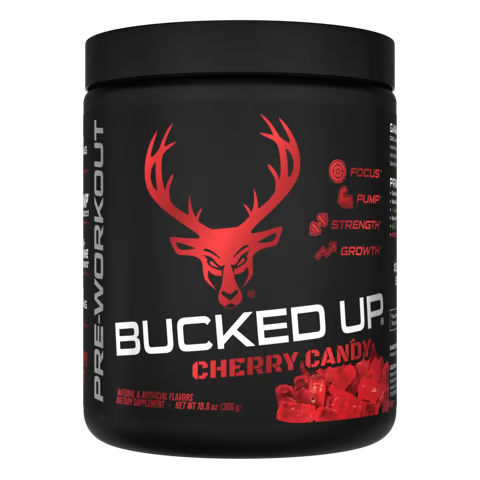
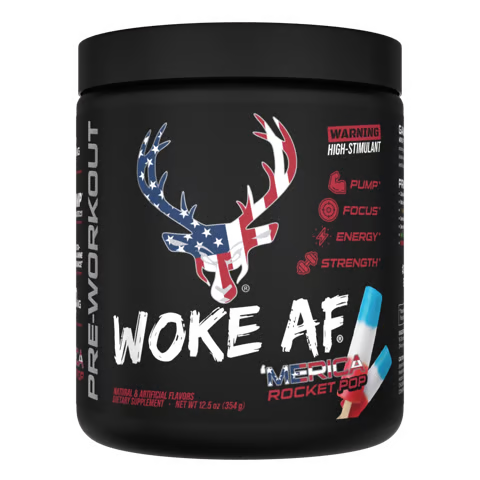
The table below shows how Bucked Up’s product line scales beta-alanine dosing to match different training intensities, from beginner-friendly servings to protocols that align with elite-level buffering needs.
| Product | Beta-Alanine Dose | Target User | Endurance Benefit |
|---|---|---|---|
| Bucked Up | 2,000mg | Beginners/Gym-Goers | Buffers for sustained sets |
| Woke AF | ~3,200mg (estimated) | Intense Sessions | Enhanced fatigue resistance |
| Mother Bucker | 6,400mg | Elite Athletes | Maximum buffering capacity |
Beta-alanine at a minimum dose of 1,000 mg increases power, which makes the 2,000 mg dose in Bucked Up Pre-Workout an effectively dosed option for many lifters.1 The Mother Bucker formula delivers 6.4 grams, which matches the upper range used in several performance studies.
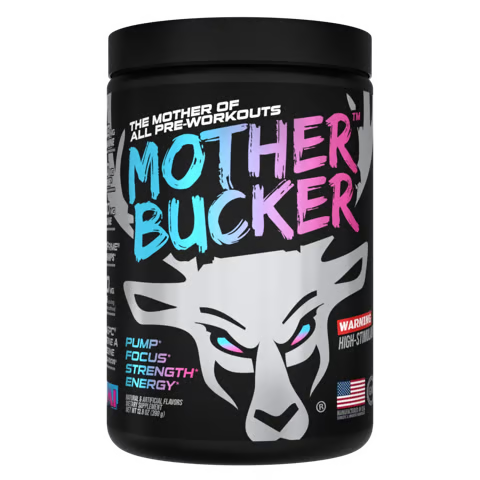
These formulas combine beta-alanine with ingredients such as citrulline for muscle pump and caffeine for energy and focus.1 User testimonials highlight real-world outcomes, including comments like “beta alanine fights off fatigue” and “ability to push harder,” which reflect how these blends can feel during training.1
Athletes who want to match beta-alanine intake to their training intensity can shop now and choose a formula that fits their current workload and goals.
Evidence from Studies and Athlete Experiences
Performance improvements from beta-alanine appear in both research and real-world training. In a six-week supplementation trial with interval training, athletes taking beta-alanine decreased their time to exhaustion compared to a placebo group.1 This change represents a practical improvement in training capacity and competitive performance.
Evidence suggests that beta-alanine improves performance in high-intensity, short-duration events lasting 30 seconds to 10 minutes.1 Meta-analyses describe a small effect size supported by moderate quality evidence. These gains can support longer sessions, higher training volumes, and better results across many sports and fitness styles.
Frequently Asked Questions
What are the side effects of beta-alanine?
The primary side effect is paresthesia, a harmless tingling sensation usually felt in the face, neck, or hands. This feeling occurs when beta-alanine interacts with peripheral sensory neurons, but it does not pose health risks.
The sensation often fades within 60–90 minutes. Splitting doses throughout the day or using sustained-release products can help minimize tingling.
How long does it take to load beta-alanine?
Muscle carnosine levels rise gradually over 4–6 weeks of consistent daily supplementation. Many athletes notice meaningful changes after about 2–3 weeks.
Maximum benefits usually appear after 4–6 weeks of taking 4–6 grams per day. Consistency matters more than timing, so daily intake remains important regardless of when you train.
What is a good beta-alanine supplement amount for weight training?
Effective weight training supplements often provide 4–6.4 grams of beta-alanine per day, depending on training intensity and experience level. Bucked Up offers a range from 2 grams for newer lifters to 6.4 grams for advanced or elite athletes, which allows progression as tolerance and training demands increase.
Look for transparent labels and products that undergo third-party testing when choosing a supplement.
What supplement actually stops lactic acid buildup?
No supplement completely stops lactic acid production, because lactate forms naturally during intense exercise. Beta-alanine supplementation increases muscle carnosine levels, which buffer the hydrogen ions that cause the burning sensation often called “lactic acid burn.”1
This buffering action delays fatigue and helps you sustain high-intensity efforts for longer periods.1
Conclusion: Train Harder with Less Burn
Beta-alanine does not eliminate lactic acid. It buffers the hydrogen ions that drive exercise-induced burn and fatigue. Bucked Up pre-workouts provide research-backed beta-alanine doses in transparent formulations, which can help athletes extend high-intensity performance.1
Shop now to see how properly dosed beta-alanine can change the way your hardest training sessions feel.
1 The content provided in this article is for informational purposes only and is not medical advice. Consult with a medical professional before implementing any changes to your diet, health, or exercise routines.
Individual results will vary and are based on a combination of each individual’s diet, exercise, age, and health circumstances.
These statements have not been evaluated by the Food and Drug Administration. This product is not intended to diagnose, treat, cure or prevent any disease.
This article was written by Ryan Gardner, CEO of Bucked Up. As the maker of Bucked Up pre-workout, we have a financial interest in this information. The views expressed are our own and should be read with that context in mind.