Last updated: April 16, 2026
Key Takeaways
- Coffee can cause jitters, crashes, and gut issues that interfere with athletic performance, while science-backed alternatives provide steadier energy.
- Bucked Up Energy Drink features 300mg caffeine plus nootropics like AlphaSize®, TeaCrine®, and Dynamine™ to support focus, mood, and powerful yet controlled energy.1
- Natural options such as yerba mate (85mg caffeine), matcha (60–70mg), and green tea (30–50mg) deliver balanced stimulation and antioxidants for lighter energy needs.
- Caffeine-free choices like beetroot juice support nitric oxide production for power, while golden milk, chia pudding, and adaptogenic mushrooms help with recovery.1
- Athletes can stack options such as Bucked Up Energy Drink with beetroot juice for effective pre-workout routines; shop Bucked Up energy cases now to keep performance fuel on hand.1
How Coffee Affects Athletic Performance
Coffee delivers a quick energy boost but often works against consistent athletic performance. Regular caffeine consumption can build tolerance, so you need higher doses for the same effect. Coffee’s rapid absorption and metabolism pattern also contributes to sharp energy spikes followed by crashes that interfere with recovery and later training sessions.
Sleep disruption from coffee’s approximately 5-hour half-life can affect muscle protein synthesis and performance consistency. Coffee’s acidity can also trigger gastrointestinal distress during intense exercise. Smoother alternatives often work better for athletes who want steady energy and fewer gut issues. The following options address these performance barriers while still delivering reliable energy for training.
Top 8 Coffee Alternatives for Energy Without Jitters
1. Bucked Up Energy Drink: High-Caffeine Nootropic Support
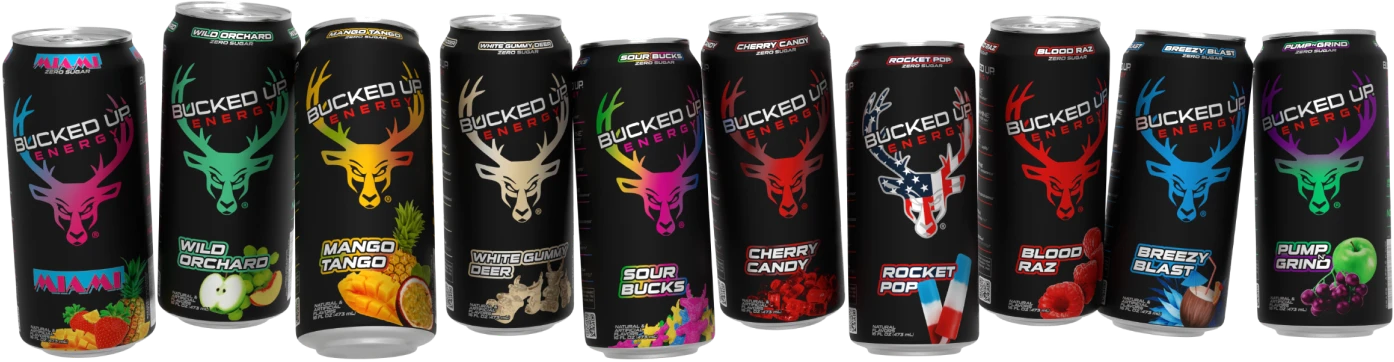
Bucked Up Energy Drink provides 300mg of caffeine paired with scientifically backed nootropics for broad performance support.1 AlphaSize® Alpha-GPC can increase acetylcholine levels, which supports focus and cognitive function.1 TeaCrine® is non-habituating and has been reported to increase feelings of energy and reduce fatigue, helping you feel alert without rapid tolerance buildup.1
Dynamine™ supports mood and alertness while working with caffeine to create smooth, controlled energy instead of jittery stimulation.1 Drink one can 45–60 minutes before training to allow time for absorption.1 The formula also includes beta-alanine for muscular endurance and taurine for cellular hydration, which suits high-intensity workouts.1
2. Yerba Mate: Balanced Stimulation for Steady Focus
A standard 8-ounce cup of yerba mate typically contains around 85 milligrams of caffeine plus theobromine and theophylline, creating a balanced stimulant profile that supports sustained energy. This combination often produces fewer jitters than coffee while still keeping you alert. The gentler stimulation can work well for athletes who feel wired or anxious after coffee, and yerba mate’s natural compounds may also support fat oxidation during exercise, although responses vary by person.
Prepare yerba mate as a traditional hot infusion or use ready-to-drink versions when you need a quick option.
3. Matcha: Calm, Focused Energy
A standard serving of matcha (2 grams or 1 teaspoon) provides 60–70 mg of caffeine along with L-theanine, an amino acid that promotes calm focus. This pairing can reduce common caffeine side effects such as jitters while preserving mental alertness. Matcha also contains antioxidants that may support recovery when used consistently over time.
Mix 1–2 teaspoons of matcha powder with water 30–45 minutes before exercise for a smooth pre-workout boost.
4. Green Tea: Gentle Lift for Sensitive Athletes
An 8-ounce (230-ml) cup of green tea contains between 30 and 50 mg of caffeine along with catechins and L-theanine for a mild, steady lift. The lower caffeine content suits athletes who are sensitive to stimulants or who need an afternoon option that is less likely to interfere with sleep.
Green tea’s antioxidants may support recovery, although the effects are modest compared with higher-dose performance supplements.
5. Beetroot Juice: Nitrate Support Without Caffeine
Beetroot juice delivers caffeine-free support through dietary nitrates that convert to nitric oxide in the body. Acute beetroot juice supplementation increased peak power by 11.6% and mean power by 7.4% in trained football players.1 One week of beetroot supplementation increased nitric oxide metabolites by 155% in amateur triathletes, suggesting meaningful support for endurance and power.1
For performance benefits, consume about 140 ml that provides 400–600 mg nitrates 2–3 hours before exercise.
6. Golden Milk: Evening Recovery Ritual
Golden milk blends turmeric, ginger, and warming spices in a caffeine-free base such as milk or a plant-based alternative. Curcumin from turmeric may support exercise recovery through its anti-inflammatory properties, although performance effects are indirect and build over time.1
This drink fits best in the evening or during rest days when you want recovery support without any impact on sleep.
7. Chia Seed Pudding: Slow-Burn Fuel
Chia seeds offer sustained energy through fiber, protein, and omega-3 fatty acids without any caffeine. The slow-digesting carbohydrates provide steady fuel for longer, lower-intensity training sessions or active days.
Create chia pudding by soaking 2 tablespoons of chia seeds in your preferred liquid overnight. This option supports nutrition and satiety but does not deliver the rapid energy surge often needed for intense workouts.
8. Adaptogenic Mushrooms: Gradual Support for Energy and Focus
Mushroom blends that feature cordyceps, lion’s mane, and reishi can support energy and focus without caffeine.1 Cordyceps traditionally supports oxygen utilization, while lion’s mane may help cognitive function and mental clarity.1
Current research on direct athletic performance benefits remains limited, and these ingredients tend to work gradually with consistent use. They function better as part of a long-term routine than as a standalone immediate pre-workout option.
Best Coffee Alternatives for Exercise: Athlete Protocols
For immediate pre-workout energy, Bucked Up Energy Drink offers a high-caffeine nootropic formula that pairs well with yerba mate’s balanced stimulation.1 Drink Bucked Up about 45 minutes before training to align peak absorption with your workout, or choose beetroot juice 2–3 hours before exercise to focus on nitric oxide support.1
Stack caffeine-free options such as beetroot juice with low-caffeine choices for sustained energy without feeling overstimulated. Maintain hydration with electrolytes, especially when using higher-caffeine products. Find Bucked Up Energy Drinks at your local retailer to keep a reliable pre-workout option available.
Coffee Alternatives Comparison: Caffeine, Benefits, and Crash Risk
The table below compares caffeine content, key benefits, and crash risk across leading options so you can match each drink to your training goals. Bucked Up combines high caffeine with nootropic support and a low reported crash profile, while other choices trade intensity for gentler stimulation or caffeine-free performance support.1
| Alternative | Caffeine (mg) | Key Benefits | Crash Risk |
|---|---|---|---|
| Bucked Up Energy | 300 | Focus, sustained energy, mood support | Low (TeaCrine®) |
| Coffee | 95 mg (8-oz cup) | Quick energy boost | High |
| Yerba Mate | 85 | Balanced stimulation, antioxidants | Moderate |
| Beetroot Juice | 0 | Power gains | None |
Ready to try the low-crash, high-caffeine option? Get your Bucked Up Energy case delivered.
FAQ: Coffee Substitutes for Athletes With No Crash
Why do athletes need coffee alternatives?
Athletes benefit from energy sources that avoid jitters, crashes, and gastrointestinal issues that coffee can trigger during training. Coffee’s rapid absorption and metabolism can create sharp spikes followed by crashes that interfere with performance and recovery. Its acidity may also cause stomach distress during intense exercise, while its long half-life can disrupt the sleep quality needed for effective recovery.
Do Bucked Up Energy Drinks cause jitters or crashes?
Bucked Up Energy Drinks are formulated to reduce jitters and crashes by using TeaCrine® and Dynamine™, which support sustained energy instead of sharp peaks and drops.1 TeaCrine® works with caffeine to extend effects while reducing rapid tolerance buildup, and Dynamine™ supports mood and focus without heavy overstimulation.1
This combination helps create smoother, more predictable energy for consistent performance.1
How often can athletes use energy drink alternatives?
Usage frequency depends on caffeine content and your individual tolerance. Athletes can often use Bucked Up Energy Drinks daily when they time intake carefully, ideally 45–60 minutes before training and at least 6 hours before bedtime. Caffeine-free options such as beetroot juice can be used more often because they do not create caffeine tolerance.
Track your response, adjust timing as needed, and protect your sleep to avoid overstimulation.
How do Bucked Up Energy Drinks compare to other energy drinks?
Bucked Up Energy Drinks include scientifically backed nootropics such as AlphaSize®, Dynamine™, and TeaCrine® alongside caffeine. Many traditional energy drinks focus mainly on basic stimulation, while Bucked Up’s formula also targets cognitive function, sustained energy, and mood support for performance settings.1
The transparent ingredient label can set Bucked Up apart from products that use proprietary blends and make it easier to understand exactly what you are drinking.
What should athletes drink instead of coffee pre-workout?
For immediate pre-workout energy, athletes can use the 300mg Bucked Up option mentioned earlier, which combines caffeine with performance-focused nootropics.1 Those who want less caffeine can choose yerba mate or matcha, while athletes avoiding caffeine entirely can rely on beetroot juice for nitric oxide support.
Select the option that fits your training intensity, caffeine tolerance, and sleep schedule.
Are coffee alternatives safe for daily athletic use?
Most coffee alternatives are safe for daily use when you stay within recommended intake limits. Bucked Up Energy Drinks are manufactured in GMP-certified facilities in the USA, which supports consistent quality standards.
Monitor your total daily caffeine from all sources, stay hydrated, and avoid stimulant use close to bedtime. If you have underlying health conditions or take medications, speak with a healthcare professional about potential interactions with caffeine or other ingredients.
Science-backed energy alternatives can support athletic performance by delivering consistent power without common coffee drawbacks. Bucked Up Energy Drinks offer a comprehensive option for athletes who want sustained energy, sharper focus, and support against mid-workout crashes.1 Stock up on Bucked Up Energy cases to fuel every training session.
1 The content provided in this article is for informational purposes only and is not medical advice. Consult with a medical professional before implementing any changes to your diet, health, or exercise routines.
Individual results will vary and are based on a combination of each individual’s diet, exercise, age, and health circumstances.
These statements have not been evaluated by the Food and Drug Administration. This product is not intended to diagnose, treat, cure or prevent any disease.
This article was written by Ryan Gardner, CEO of Bucked Up. As the maker of Bucked Up Energy Drinks, we have a financial interest in this information. The views expressed are our own and should be read with that context in mind.